2024-05-23 19:30
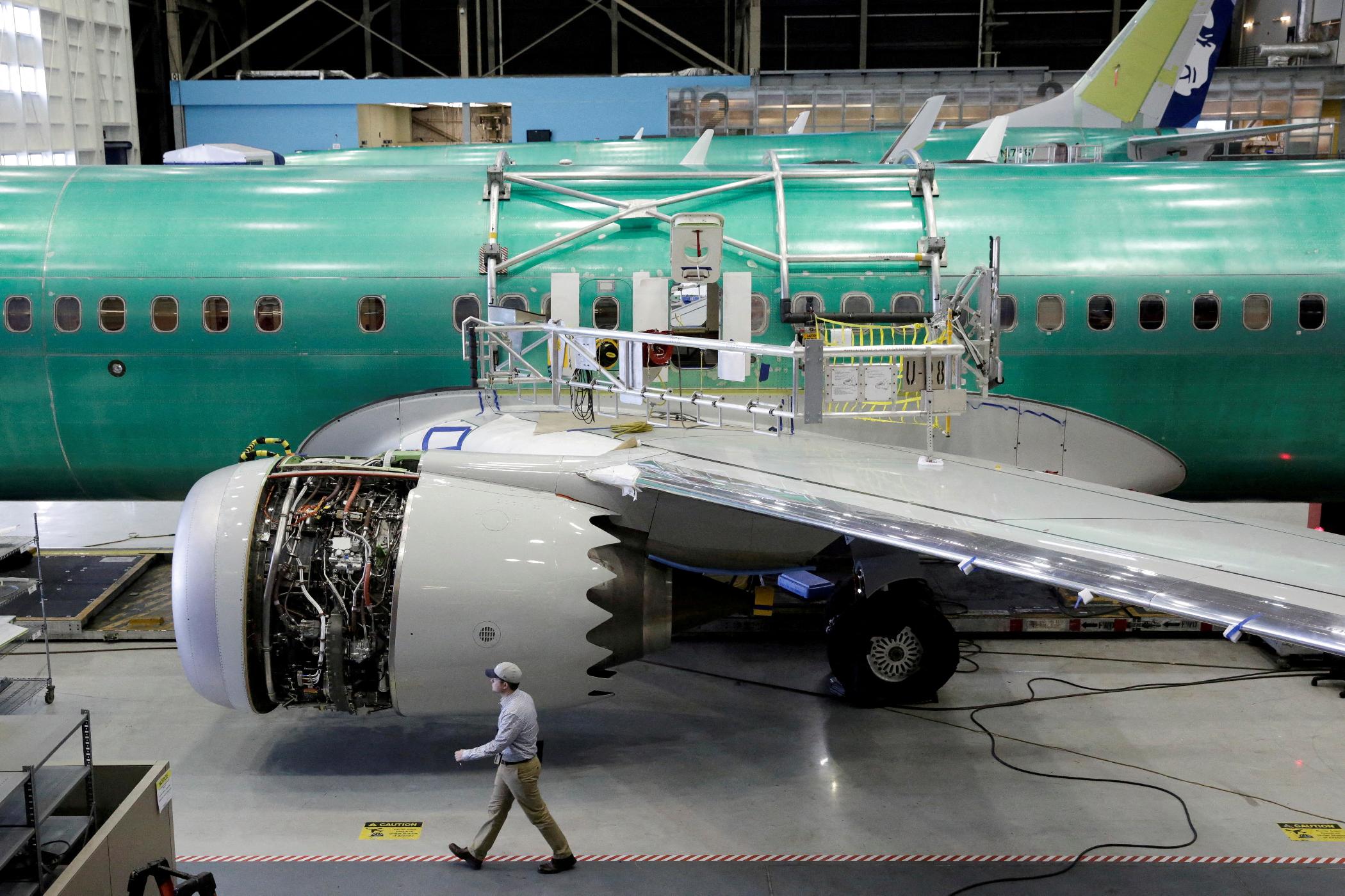
Boeing deliveries won't increase in second quarter, CFO says Shares fall 7.6% on news of negative 2024 cash flow Deal with Spirit Aero in Q2 still possible, CFO says May 23 (Reuters) - Boeing (BA.N) New Tab, opens new tab will burn rather than generate cash in 2024 and deliveries will not increase in the second quarter, the company's finance chief said on Thursday, as the U.S. planemaker grapples with a crisis that is pinching production of its strongest-selling aircraft. CFO Brian West told the Wolfe Research Global Transportation and Industrials Conference that he expects Boeing's full-year free cash flow to be negative, due partly to the delays in deliveries, compared with March's outlook for positive cash generation in the low single-digit billions. The remarks on the negative cash flow caused Boeing's shares to fall 7.6% to close at $172.21 on Thursday. The comments add to the company's problems as production challenges and delayed deliveries to China have weakened a modest 2024 outlook upheld by Boeing just weeks earlier. “We were already expecting this year would be below our financial expectations for the rating and this is incrementally worse," said Ben Tsocanos, airlines director at S&P Global Ratings. Boeing's jet production has slowed dramatically in the face of increased scrutiny from regulators, airlines and lawmakers following a January incident when a door plug blew off an Alaska Airlines (ALK.N) New Tab, opens new tab jetliner while in mid-air. West confirmed a Reuters story on Wednesday that said plane deliveries to China were delayed in recent weeks due to a Chinese regulatory review of batteries powering the cockpit voice recorder. The U.S. planemaker said in a statement on Wednesday it is working with Chinese customers on the timing of their deliveries as the Civil Aviation Administration of China completes its review of batteries contained within the 25-hour cockpit voice recorder. Commercial jet deliveries will not step up in the second quarter compared with the first three months of the year, West said, adding that "we have frustrated and disappointed" customers due to the supply chain and production issues. "If you're on the inside, you're seeing progress," West said, but also said “everyone wishes it would go faster.” As a result of the factory disruptions and delivery delays to China, Boeing sees second-quarter cash burn in line, or "possibly a little worse" than the $3.9 billion used in the first quarter, he said. By contrast, West told analysts in April he expected that use of free cash in the second quarter would be sizeable but an improvement over the first three months of the year. Analysts on average were previously expecting the company to use $1.9 billion of cash in the second quarter, according to LSEG data. "How did things change so quickly?" added one portfolio manager who holds Boeing stock, on condition of anonymity. Boeing stock has fallen nearly 32% so far this year, as of Thursday's close. Boeing 737 MAX jetliner production fell as low as single digits in April, Reuters reported, well below the U.S. Federal Aviation Administration cap of 38 jets a month as workers slow the assembly line outside Seattle to complete outstanding work. The Jan. 5 Alaska Airlines incident, which occurred on a new jetliner, prompted U.S. aviation regulators to curb the company's production levels until Boeing starts to address safety issues. The company is overhauling its manufacturing practices, and it is also searching for a new chief executive after current CEO Dave Calhoun agreed to leave by year-end. In addition, the U.S. Justice Department intends to decide by July 7 whether to prosecute Boeing for violating an agreement that shielded it from prosecution stemming from jet crashes in 2018 and 2019. The FAA has imposed a May 30 deadline for the planemaker to hand over a 90-day report that would address "systemic quality-control issues." FAA Administrator Mike Whitaker said on Thursday that Boeing faces a "long road" to address safety issues. Boeing is currently in negotiations to acquire 737 MAX fuselage supplier Spirit AeroSystems. West said a Spirit deal is possible in the second quarter, but that the deal is large and complex, and should not be rushed. Boeing spun off Spirit in 2005, and the company now derives a portion of its revenue from Boeing rival Airbus (AIR.PA) New Tab, opens new tab , which wants compensation for taking on some of Spirit's operations. Sign up here. https://www.reuters.com/business/aerospace-defense/boeing-now-sees-negative-free-cash-flow-2024-deliveries-remain-sluggish-2024-05-23/
2024-05-23 19:24
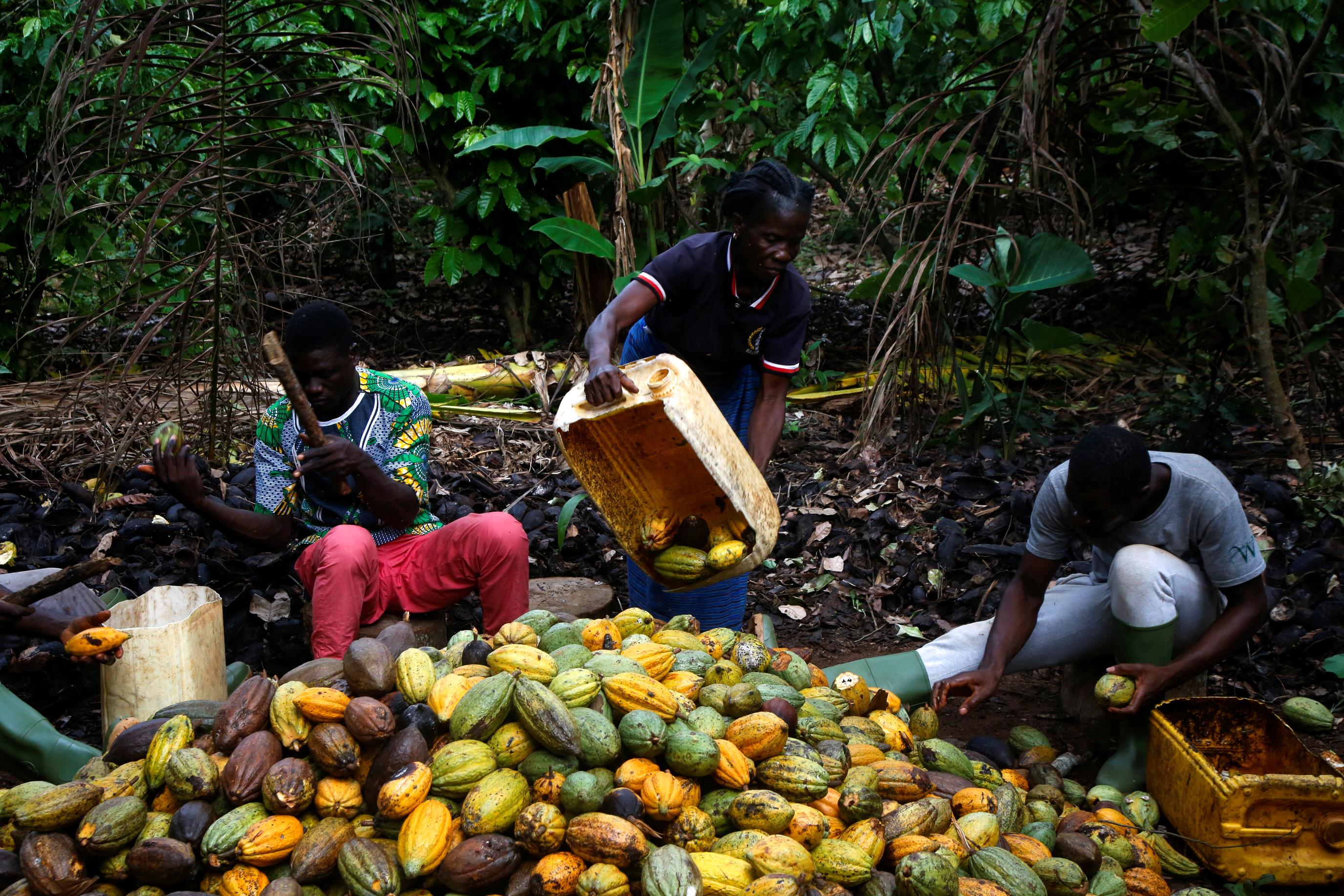
ABIDJAN, May 23 (Reuters) - Ivory Coast's market regulator is planning to introduce measures aimed at curbing fraud related to fairtrade certified cocoa contracts, its managing director, Yves Brahima Kone, said on Thursday. The Coffee and Cocoa Council (CCC) suspended sales of fairtrade certified contracts last month after recording an exponential increase in certified cocoa. "This year, we have found that 97% of our cocoa is Fairtrade certified. That's not possible, and you can't make me believe otherwise," Kone said at a meeting with cooperatives and buyers at the regulator's headquarters in Ivory Coast's commercial capital Abidjan. He said around 50% of cocoa was usually getting certification in the recent years and that buyers and cooperatives were using this program to push multinational companies into overpaying. If their cocoa is certified, buyers can receive a premium of 200 CFA francs on top of 80 CFA francs per kg guaranteed by the regulator. Kone also said that some buyers used the postponement of contracts for the 2023/24 main cocoa crop to stock cocoa they bought for 1,000 CFA francs ($1.66) per kg and sell it at 1,500 CFA francs. To put an end to fraudulent contracts, the regulator is considering an option to limit the number of cocoa buyers to 30 from more than a thousand. Buyers and cooperatives told the regulator the solution would be to raise the buyers' margin from the current 80 CFA francs per kg to 200 CFA francs. "We can't meet the price because our costs are too high while the margin is insignificant," said a buyer present at the meeting. The regulator said a remuneration increase was possible and was under examination. Etienne Tehua, director of FairTrade West Africa operations, told Reuters by phone that they have requested a list of buyers involved in the fraudulent activities to carry out audits. "This decision by the CCC to suspend these buyers and cooperatives is a good thing because it's not what FairTrade wants for the growers," Tehua said. Next year, Ivory Coast will introduce a new certification and traceability system to bring Ivorian cocoa into line with European regulations on the import of commodities linked to deforestation. It is expected to reduce the possibility of fraud. ($1 = 600.7500 CFA francs) Sign up here. https://www.reuters.com/markets/commodities/ivory-coasts-regulator-weighs-options-against-fraudulent-cocoa-certification-2024-05-23/
2024-05-23 19:22
HOUSTON, May 23 (Reuters) - Hess Corp CEO John Hess has until Tuesday to quell a rebellion by shareholders over his handling of what could turn out to be one of the largest mergers in oil industry history: a proposed $53 billion sale of the oil producer to Chevron Corp (CVX.N) New Tab, opens new tab. Hess, 70, has spent the past month visiting or calling dozens of investors to gather support. The sale seemed all but certain last fall and Hess still appears poised to win, based on Reuters' interviews with large investors. But support has slipped in recent weeks with more investment funds voicing concerns about the deal. A lengthy U.S. federal regulatory review and a surprise arbitration challenge from Exxon Mobil (XOM.N) New Tab, opens new tab have put about 40% of shares outstanding on the fence, interviews show. That could make it harder for Hess to get more than 50% of the 308 million shares outstanding to win approval, even though he can count on his family shares along with other directors and management, for about 10%. Hess has lost about $5 billion in market value since the deal was announced. Every quarter the merger is delayed, its shareholders lose the chance for a dividend payment from Chevron -- a major incentive since Chevron's dividend is four times bigger than the Hess payout. “This is the mother of all embarrassments,” said a London-based investor who declined to be named, adding that if Hess shareholders approve this deal, chances will fade for a higher bid. TIGHT SCOREBOARD Three firms - HBK Capital Management, D.E. Shaw & Co, and Pentwater Capital Management - have stated they are not ready to give their go ahead. Together they hold almost 6% of Hess. Another three investors filed lawsuits to delay or block the vote, backed by a flood of letters to Hess management complaining it failed to disclose legal and regulatory issues that could delay the transaction by up to one year. Six large investors who spoke with Reuters under condition of anonymity estimated firms holding about 40% of the company’s stock have decided or are strongly considering abstaining, essentially a no vote. “The longer this takes, the more I would begin to question the value proposition of this merger,” said Roy Behren, co-president of Westchester Capital Management, which holds $317 million in Hess shares and is considering an abstention. The delays have shrunk expected profits for arbitrage funds that pounced on Hess shares after the deal was announced betting it would close in the first quarter. Fayez Sarofim & Co, Invesco and Barrow Hanley which hold some 3% of outstanding shares worth about $1.5 billion, are expected to vote yes, according to people familiar with the matter. The three firms declined requests for comment. Influential proxy advisor Institutional Shareholder Services (ISS) has recommended abstention to give more time for details of the arbitration case to emerge. Rival Glass Lewis, recommended a vote in favor, saying the Chevron deal merits are sound and offer Hess shareholders a premium. Top investment firm Vanguard Group, with 10% of Hess shares, holds the largest individual stake. Votes of its portfolio managers could swing the outcome. Vanguard declined to disclose its vote. EXXON AS POSSIBLE SPOILER This year, Exxon and partner CNOOC Ltd filed an arbitration case claiming they have a first right of refusal to buy Hess' Guyana assets. Chevron and Hess say a right of refusal does not apply to sale of the entire company. If Exxon's arbitration succeeds, Chevron could walk away from the deal without paying a break up fee. In recent private meetings, John Hess told investors he did not know Exxon's end game with the arbitration. If Exxon succeeds, Hess and Chevron say they would call off the deal, and Hess said this would mean Exxon could not exercise its right of first refusal on the Guyana assets. If the arbitration succeeds and Chevron walks away, Hess would have few alternate buyers given the pre-emption right to any future deal, said Biraj Borkhataria, an energy analyst with researcher RBC Capital Markets. Chevron sorely needs the deal to keep up with rival Exxon, which this month closed its $60 billion acquisition of shale producer Pioneer Natural Resources. The lucrative Guyana oilfields from Hess would help Chevron hedge geopolitical risks associated with TengizChevroil project in Kazakhstan, which moves most of its oil across Russia to a Black Sea port. It would also help balance overruns at Chevron's Australian liquefied natural gas (LNG) projects, hit by labor and operating troubles. A spokesperson said Chevron "looks forward to Hess obtaining a successful shareholder vote and completing the transaction on the terms of our merger agreement." Last month, CEO Michael Wirth said Chevron would be in good shape regardless of the acquisition. Some Hess shareholders wonder if Exxon would make a higher offer for the Guyana assets than what they would get from Chevron's bid for the company. There are no legal impediments to an Exxon offer before Tuesday, but Exxon has said it wanted to have its rights over the Guyana asset affirmed before making any decision on a bid. Exxon has also said it would not seek to acquire Hess as a whole. “I don't see how Exxon can bid (for Hess) when they have said they would not,” said oil analyst Paul Sankey, from Sankey Research firm. “Unless they wait a while, and things change a lot. I mean years.” Sign up here. https://www.reuters.com/markets/deals/hess-chevron-merger-vote-appears-ripe-narrow-approval-2024-05-23/
2024-05-23 18:51
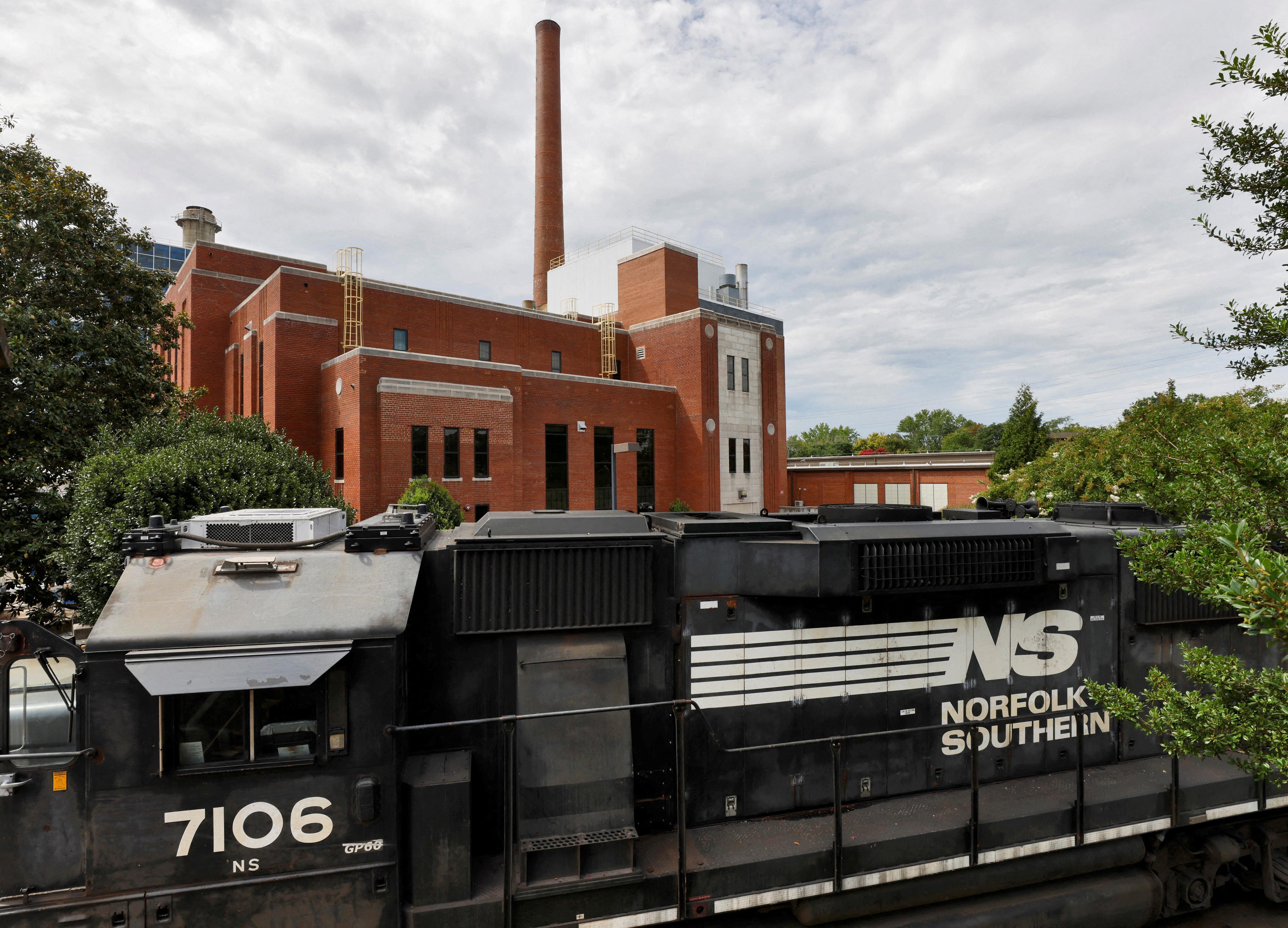
WASHINGTON, May 23 (Reuters) - Norfolk Southern (NSC.N) New Tab, opens new tab agreed to pay a $15 million civil penalty and $57.1 million in past government cleanup costs on Thursday, as well as millions in future costs to resolve a U.S. government lawsuit over a February 2023 train derailment in East Palestine, Ohio. Under a proposed consent decree estimated to be worth more than $310 million, the railroad also agreed to significant safety improvements and training, which includes installing additional safety equipment after the derailment of the train that caught fire and released over a million gallons of hazardous materials and pollutants. The Atlanta-based railroad will also pay for medical monitoring for health impacts tied to the derailment and release of hazardous chemicals. The settlement will pay for treatment for individual medical needs stemming from the disaster, the Environmental Protection Agency said. EPA Administrator Michael Regan said the agreement will hold "Norfolk Southern accountable for the mess it made." He said the civil penalty was the maximum allowable under the Clean Water Act and called the rail safety provision "a game changer." Norfolk Southern, which did not admit wrongdoing, said the deal means the company will face no criminal penalties and the settlement is included in the around $1.7 billion in related charges to date for the incident. It added the settlement will not require it to take additional charges. The company's shares fell 2% in afternoon trading. The U.S. Justice Department and EPA sued Norfolk Southern in March 2023 to ensure the railroad paid full cost of cleanup and any long-term effects of the derailment. Under the settlement, Norfolk Southern will also reimburse EPA for future cleanup and other response costs. EPA estimates Norfolk Southern will spend an estimated $235 million for all past and future cleanup costs under the proposed consent decree subject to public comment and court approval. The safety improvements include installing additional devices to detect overheated wheel bearings early enough to prevent derailments like the East Palestine incident. Norfolk Southern says under the agreement it will spend $244 million on safety initiatives through 2025. Norfolk Southern CEO Alan Shaw said the railroad was pleased "we were able to reach a timely resolution of these investigations that recognizes our comprehensive response to the community’s needs and our mission to be the gold standard of safety in the rail industry." The settlement includes $10-$15 million for continuing monitoring of groundwater and surface water bodies and a $25 million Community Health Program providing medical exams and mental health services for the community and first responders for up to 20 years. The railroad previously has spent $780 million in environmental response and remediation costs and $107 million in assistance to impacted residents and communities in Ohio and Pennsylvania. Last month, Norfolk Southern agreed to pay $600 million to settle a class action lawsuit over the derailment. The settlement covers personal injury claims from residents and businesses in the city and impacted surrounding communities. The incident sparked public outrage and calls for railroad safety reforms in Congress but legislation has stalled. Sign up here. https://www.reuters.com/legal/norfolk-southern-agrees-15-million-civil-penalty-over-2023-ohio-derailment-court-2024-05-23/
2024-05-23 18:42
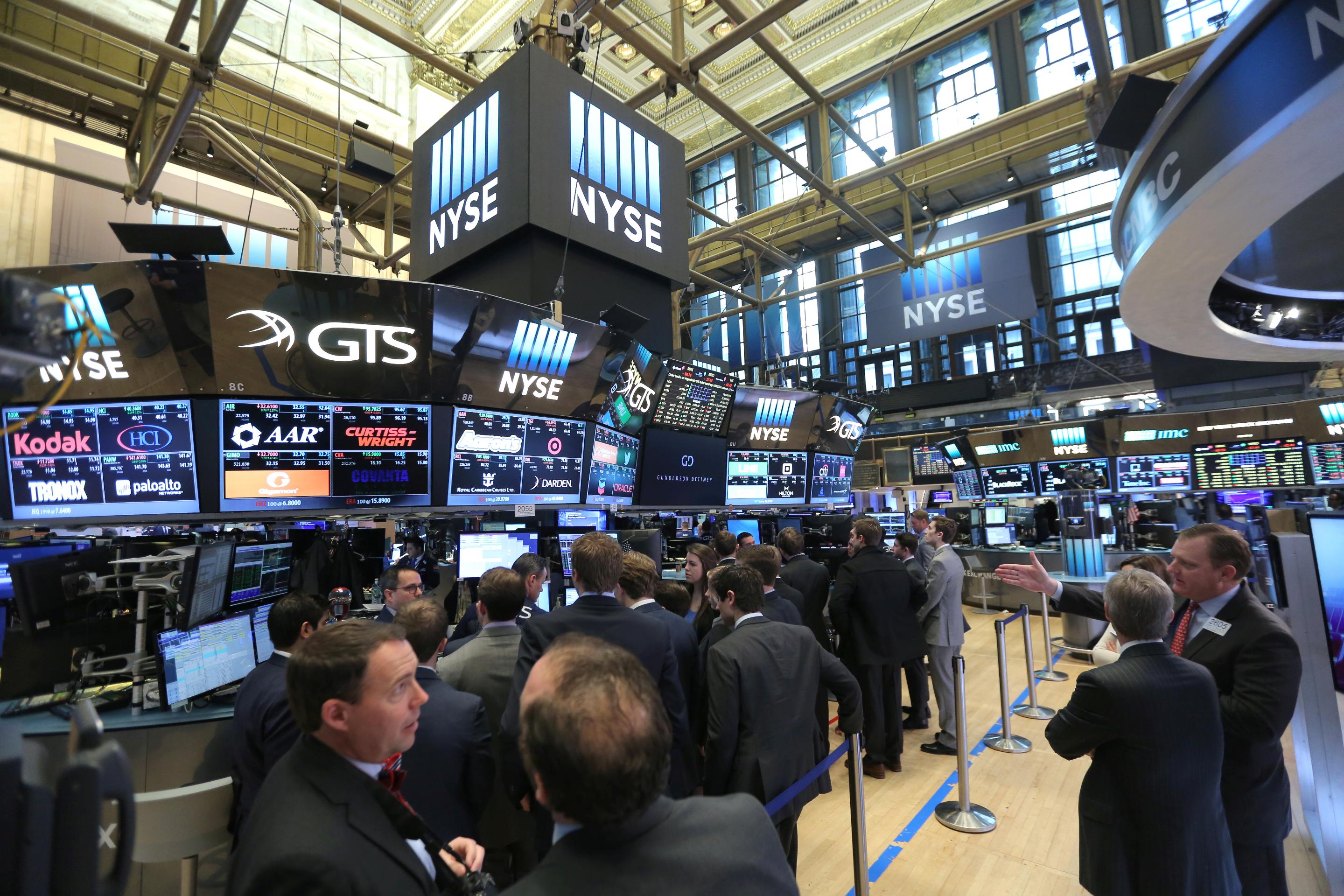
ORLANDO, Florida, May 23 (Reuters) - If you want evidence of how much the 'soft landing' narrative is driving bullish investor sentiment, look no further than benchmark measures of implied volatility. In equities, bonds, credit and currencies, 'vol' has not been this low in years, clearing the way for investors to push up asset prices to historic and, in the case of the S&P 500 and Nasdaq, record highs. The broad calculation is the Federal Reserve will steer U.S. inflation down toward its 2% target then start cutting interest rates to ensure the slowing economy avoids recession. Other central banks will follow a similar playbook. The obvious question is: are investors getting too complacent, and if so, are markets setting themselves up for a bruising fall? Or worse? Unfortunately, there's no clear answer. U.S. equity, bond and credit markets have enjoyed years of subdued vol before a major correction or crash. Admittedly, these spells were often when interest rates were near zero and the Fed was conducting trillions of dollars of quantitative easing. Equally, that serenity can be blown away in an instant and markets can get ugly very quickly - witness 'Volmageddon' in February 2018, the U.S. banking system liquidity scare later that year, or the pandemic in March 2020. The ultra-low vol is "complacency if you believe this is the calm before the storm, and that the economic story isn't that strong," says Mandy Xu, head of derivatives market intelligence at Cboe Global Markets. Investors may be starting to hedge against the tide turning, via options. So far this year VIX options volume is on course for a record average daily volume of 785,000 contracts a day, compared to 743,000 in 2023 and 533,000 in 2022, Xu notes. BEAR IN MIND Some may choose to hedge the risk of a market reversal by holding cash - some $6 trillion is in money market funds earning over 5% a year - or riding gold's wave to record highs. What's clear right now, on the surface at least, is markets could not be calmer. U.S. investment grade credit vol is the lowest since the Cboe back-tested its VIXIG index to 2012, the VIX index of implied vol in the S&P 500 just had its lowest close since 2019, and the MOVE index of implied vol in U.S. Treasuries is the lowest since February 2022, just before the Fed embarked on its 500-basis point rate-hiking cycle. Analysts at JP Morgan are among those viewing the landscape with growing unease, citing "optically thin" credit spreads, "very high" equity valuations and low volatility as reasons to be cautious. "We do not see equities as attractive investments at the moment," prominent bear Marko Kolanovic and his U.S. equity strategy team wrote this week. "With risk markets pricing in very little probability of deviation from soft landing, we believe that a defensive stance is justified." The reward for buying stocks now may be good enough "in an environment where nothing is breaking", they say. Given how well stocks have performed, especially in the face of a much more hawkish Fed outlook this year, Kolanovic's stance is a bold one. Alternatively, he should be commended for sticking to his guns unlike Morgan Stanley's Mike Wilson, the other big bear on Wall Street. He just revised up his S&P 500 forecast by 20% - a contrarian sign that the market top is in? When volatility does start to stir, the catalyst is likely to be in the interest rate space, specifically a shift in the Fed policy outlook and potential divergence with other central banks. RECORD LOW EUR/GBP VOL Currency analysts at Deutsche Bank, Morgan Stanley and Bank of America have this week all questioned how long the relatively close convergence of policy outlooks across major central banks will last. Closer policy alignment limits interest rate divergence at the short end of the curve and depresses volatility. This creates a conundrum for traders who seek to profit from locking in wide rate differentials between currencies in so-called carry trades. "Markets cannot have it both ways: carry and high volatility are mutually exclusive and investors must accept that for now, carry is effectively a passive strategy and a vol dampener," BofA analysts wrote on Monday. Their counterparts at Morgan Stanley expect policy divergence to re-emerge in the second half of the year, making for potentially more turbulent waters as the pace of cuts and terminal rates are "likely to vary widely," particularly between the United States and the rest of the world. Developments in Britain on Wednesday offered an insight into how this can play out. Figures showed inflation didn't fall last month quite as much as investors had expected, then hours later prime minister Rishi Sunak called a general election for July 4. Two-month implied vol in euro/sterling spiked the most in over a year, a notable move but from a low base. Remarkably, two-month euro/sterling vol had never been lower since the euro was launched in 1999. (The opinions expressed here are those of the author, a columnist for Reuters.) Sign up here. https://www.reuters.com/markets/sinking-volatility-rings-cross-asset-complacency-warning-2024-05-23/
2024-05-23 18:19
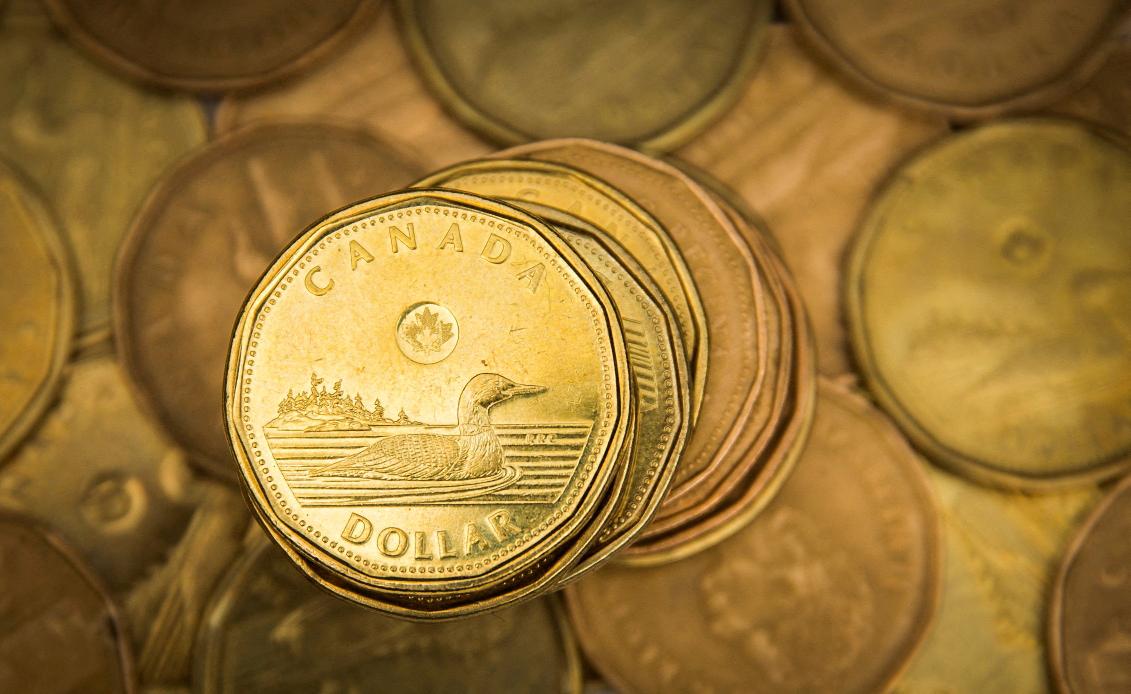
Canadian dollar weakens 0.3% against the greenback Touches its weakest since May 9 at 1.3730 Price of U.S. oil falls 1.1% Bond yields rise across the curve TORONTO, May 23 (Reuters) - The Canadian dollar weakened to a two-week low against its U.S. counterpart on Thursday as oil prices fell and investors eyed potential policy divergence between the Bank of Canada and the Federal Reserve. The loonie was trading 0.3% lower at 1.3730 to the U.S. dollar, or 72.83 U.S. cents, its weakest level since May 9. "USD-CAD has been moving higher from markets pricing in a greater probability of Fed and BoC divergence with slightly dovish details in the Canadian inflation report and stronger than expected US PMIs today," said Jayati Bharadwaj, global FX strategist at TD Securities. Businesses across the globe broadly enjoyed an improved performance this month with activity picking up in the United States and across parts of Asia and Europe, surveys showed, giving central banks, including the Fed, room to potentially defer cutting interest rates. On Tuesday, Canadian data showed the annual rate of inflation falling to a three-year low of 2.7%, leading to increased bets that the BoC would begin an interest rate cutting cycle at its next policy announcement on June 5. The BoC would be willing to cut rates three times ahead of the Fed's first move before a declining currency threatens to endanger the inflation outlook, the median estimate of seven analysts in a straw poll showed. "Oil prices have been moving lower and equities have been flat which also does not bode well for the Canadian dollar," Bharadwaj said. The price of oil, one of Canada's major exports, fell for the fourth straight session, as the prospect of higher-for-longer U.S. interest rates raised worries around demand growth. U.S. crude oil futures were down 1.1% at $76.70 a barrel. Canadian bond yields moved higher across the curve, tracking the move in U.S. Treasuries. The 10-year was up 2.8 basis points at 3.628%. Sign up here. https://www.reuters.com/markets/currencies/c-hits-2-week-low-rising-policy-divergence-prospects-2024-05-23/