2024-05-17 02:09
HOUSTON, May 16 (Reuters) - Hess (HES.N) New Tab, opens new tab shareholders should vote in favor of Chevron's (CVX.N) New Tab, opens new tab $53 billion all-stock offer at the oil company's May 28 special meeting, proxy adviser Glass Lewis said on Thursday. The proposed deal terms provide a reasonable valuation and offer the potential for upside to Hess shareholders, while the strategic and financial merits of the proposed merger "are sound and reasonable, on balance," Glass Lewis said. No. 2 U.S. oil producer Chevron last October offered to acquire rival Hess in a move to gain a foothold in oil-rich Guyana's lucrative offshore fields, where Hess holds a 30% stake in a joint venture. Hess' partners in Guyana, Exxon Mobil (XOM.N) New Tab, opens new tab and China's CNOOC (0883.HK) New Tab, opens new tab, in March filed an arbitration case claiming a right of first refusal over Hess's Guyana assets. The arbitration has stalled the sale and surprised Chevron. While the outcome of the arbitration is unclear, there is no guarantee Exxon and CNOOC would exercise preemption rights to Hess's stake in Guyana's giant Stabroek offshore field if they win their case, Glass Lewis said. Exxon has said it would evaluate its options depending on the arbitration panel's decision, but would not rule out acquiring Hess's stake in the block. Chevron could walk away from the purchase agreement without paying any compensation to Hess shareholders if Exxon and CNOOC win their arbitration case, Glass Lewis said. GIANT OIL FIELD The Exxon, Hess and CNOOC joint venture has discovered more than 11 billion barrels of recoverable oil at Stabroek since 2015. The group has said it could install up to 10 production vessels this decade to expand production. The Stabroek consortium is pumping about 650,000 barrels per day (bpd) and aims to reach 1.2 million bpd by 2027. The Exxon-led group oversees all oil production in the country. But Guyana is in talks with a Petronas, TotalEnergies (TTEF.PA) New Tab, opens new tab and QatarEnergy consortium over drilling in a separate block. Exxon operates the Stabroek block and owns a 45% share, while Hess holds a 30% stake and CNOOC 25%. A decision on the arbitration between the companies might not be reached this year, Exxon has said. Chevron's bid also is pending regulatory approval by the U.S. Federal Trade Commission. Proxy advisory firms have split recommendations. Top U.S. adviser Institutional Shareholder Services on Monday urged shareholders to abstain from voting on the deal and to allow more time for details on the arbitration process with Exxon to emerge. Pensions & Investment Research Consultants, a London-based advisory firm, issued an opinion in favor of the combination. Sign up here. https://www.reuters.com/markets/deals/proxy-adviser-glass-lewis-urges-hess-shareholders-accept-chevron-takeover-offer-2024-05-17/
2024-05-17 00:52
BANGKOK, May 17 (Reuters) - Higher electricity demand in Laos due to cryptocurrency mining and erratic rainfall have led to power shortages, an advisor to its state-run utility said, revealing challenges to the nation's prospects as a hydropower exporter to Southeast Asia. Laos is dubbed the battery of southeast Asia for its hydropower export potential, and its supply of the cheapest and most stable source of clean power is crucial to decarbonise the region that is struggling to scale up solar and wind. A policy push to establish data centres in 2021 led to a boom in cryptocurrency mining, which now makes up over a third of Laotian power demand, while lower rainfall has curbed hydropower output, resulting in power outages, said Somboun Sangxayarath, an advisor at state-run Electricite Du Laos (EDL). Operators of energy-intensive crypto mining data centres seek cheap non-fossil power sources, making Asian countries such as Laos attractive. Hydropower accounted for 80% of electricity generated in Laos over the last decade, most of which was sold by independent power producers in cross-border deals with Thailand and Vietnam. In the domestic market, EDL is the power supplier and has become a net importer since 2021, needing up to 600 megawatts (MW) extra capacity at peak demand times, which has more than doubled costs at the debt-laden utility, Sangxayarath said. "During the dry season, we're not able to meet our demand, therefore we have been importing more power in the last couple of years than we have in the past," Sangxayarath told Reuters on the sidelines of the Future Energy Asia conference. Looking to cut imports, Laos is building 720 MW of hydropower projects, due to be completed by the end of next year, Sangxayarath said. To improve the reliability of generation amid erratic rainfall patterns, the country wants to increase the share of non-hydro generation to 30% by 2025 from a little over 20% currently. With no major projects in the pipeline, that looks unlikely. "Coal, there are potential projects, but due to the push back by different organisations, getting financing for coal during this period is very, very difficult," he said, adding that the country was also trying to build solar-hydro and wind-hydro hybrid projects. Laos last year said it would not supply power to cryptocurrency projects that had yet to start operations. While the order is still in place, it is still actively considering new investment proposals and looking to boost power availability, Sangxayarath said. Sign up here. https://www.reuters.com/business/energy/crypto-boom-erratic-rain-spark-outages-laos-asias-clean-power-export-hub-2024-05-17/

2024-05-16 23:55
First SAF plants able to produce over 1 mln t/y by end-2025 Industry awaits SAF mandate for 2030, likely 2%-5% of fuel mix Plants process used cooking oil; to cut into China UCO exports Plants eye exports initially, in talks with majors, airlines SINGAPORE, May 17 (Reuters) - Biofuel firms are pouring more than $1 billion into building China's first plants to turn waste cooking oil into aviation fuel for export and meet domestic demand once Beijing mandates the fuel's use on airplanes to cut emissions. The world's second-largest aviation market, with about 11% of global jet fuel use, China is expected to unveil this year its policy on sustainable aviation fuel (SAF) use for 2030 that could spur billions of dollars of investment, industry executives told Reuters. Companies such as Junheng Industry Group Biotech, Zhejiang Jiaao Enprotech and Tianzhou New Energy plan to start up plants over the next 18 months to produce more than one million metric tons per year (tpy) of SAF combined, six SAF investors told Reuters. That figure would be equivalent to 2.5% of China's current annual demand for aviation fuel. Once online, the projects would soak up supplies of used cooking oil (UCO) feedstock that China currently ships out as world's largest exporter, company executives said. Last year, China exported a record 2.05 million tons of UCO, mostly to the United States and Singapore, and providing feedstock to biofuel refiners such as Finnish firm Neste (NESTE.HE) New Tab, opens new tab. "We're taking positions to prepare for the future," said Eason Chen, a vice president of Tianzhou New Energy, which is building a 200,000 tpy SAF plant in the southwestern province of Sichuan. "We're in discussion with airlines and oil majors for first exports and have proposed to the Chinese government to announce a clear SAF target," said Chen, a former jet fuel marketing executive with oil major BP. The plants process UCO collected from millions of restaurants using a technology called hydrotreated esters and fatty acids (HEFA), one of a few commercial pathways. Although the process faces feedstock constraints in the longer run, state utilities such as State Power Investment Corp may become the next wave of investors betting on a newer but costlier technology for the conversion to aviation fuel. China now produces less than 100,000 tons of SAF, mostly at a plant operated by Bain Capital-backed EcoCeres, which began making the fuel in 2022 in the eastern region for export. CHINA MANDATE The companies preparing to make SAF expect a mandate for a compulsory blend of 2% to 5% of SAF into an aviation fuel market forecast to reach 50 million tons in 2030, said industry executives familiar with policy discussions, who spoke on condition of anonymity. In the near term, China may unveil pilot airports in cities such as Beijing, Shanghai, Chengdu and Zhengzhou for initial SAF adoption. A 5% mandate would equate to 2.5 million tons of SAF use in China by 2030, modest compared to the European Union's target of 6% and Japan's 10%, but a jump from the 50,000-ton SAF target for 2025 Beijing outlined a few years ago, the executives said. Key policy deciders the Civil Aviation Administration of China (CAAC) and economic planner the National Development and Reform Commission did not respond to requests for comment. Globally, airlines consumed between 450,000 and 500,000 tons of SAF last year, double the 2022 figure but still making up just 0.1% of jet fuel, the International Air Transport Association (IATA) says. Amid scant production capacity and higher costs, as SAF is nearly three times as expensive as jet kerosene, IATA estimates SAF production could rise to 0.53% of total fuel consumption in 2024 and add $2.4 billion to the sector's fuel bill. Fuel typically makes up a third of airlines' operating cost. "Once the market demand and policy becomes clearer, the sector will grow quickly, which can then drive down the cost," said Ye Bin, chairman of Jinshang Environmental Protection Technology Co Ltd, which is set to start building a 400,000-tpy facility in July in Sichuan. EXPORTS EYED With almost no near-term domestic demand, the new SAF refiners are initially targeting exports, which industry executives expect China will eventually manage through a system of quotas. Apart from courting oil majors, the companies are turning to airlines in Asia Pacific as well as in the Middle East, the executives said. "The next few years will be a period of heated competition among producers as demand is limited and prices are high," said Wang Yantao, head of SAF at Zhejiang Jiaao Enprotech Co, which counts global oil majors Shell and ExxonMobil as clients. "Luckily pioneer producers like Neste have opened some markets, so we will just need to follow suit as long as our products are competitive," said Wang. Neste agreed this month to supply 1,000 tons of SAF to Singapore Airlines, the latest of a series of deals the Finnish refiner has struck with carriers such as Ireland's Ryanair and British Virgin Atlantic. Sign up here. https://www.reuters.com/sustainability/climate-energy/chinese-firms-invest-green-jet-fuel-anticipating-blending-rule-2024-05-16/
2024-05-16 23:10
SINGAPORE, May 17 (Reuters) - Biofuel firms are pouring more than $1 billion into building China's first plants to turn waste cooking oil into aviation fuel for export and meet domestic demand, once Beijing mandates the fuel's use on airplanes to cut emissions. Here are details of the investors. Capacity figures refer to feedstock volumes, with SAF yield estimated at 50% to 60%. Junheng Industry Group Biotechnology Co Ltd It started producing first SAF last December at a 400,000 tpy plant in the central city of Puyang at a cost of 1.3 billion yuan ($180 million), becoming the second SAF maker to win airworthiness certification from domestic civil aviation authorities after Sinopec's Zhenhai. It plans output of 150,000 metric tons of SAF this year, following its first export last December to Europe. Zhejiang Jiaao Enprotech Co Set up in 2003 as a producer of bio-based plasticizer, Jiaao became a biodiesel producer and exporter around 2016. As one of China's largest biodiesel producers, it counts global oil majors Shell, ExxonMobil and TotalEnergies among its clients. In 2022 it decided to enter the SAF business and is building a 500,000 tpy plant costing 4 billion yuan in the port city of Lianyungang, with plans to expand to one million tpy. The government of Lianyungang owns a 30% stake in the venture. Tianzhou New Energy The group is set to start up a 200,000-tpy SAF facility towards the end of 2024 at a cost of one billion yuan in Weiyuan in the southwestern province of Sichuan, with plans to expand it to 500,000 tpy. The firm started as an aviation fuel producer and has long worked with China National Aviation Fuel Corp. Sichuan Jinshang Environmental Protection Tech Co Ltd A collector of used cooking oil (UCO) since 2012, Jinshang began exporting UCO in 2015 to Europe, ranging from 200,000 to 300,000 tons a year to companies such as Neste, EcoCeres, Shell and PetroChina. It plans to start building a 400,000-tpy SAF plant in Sichuan in July targeted for completion by end-2025, at a cost of more than 1 billion yuan. Shandong Haike Chemical Co Ltd The independent oil refiner based in the eastern province of Shandong plans to revamp an existing refining unit into a 500,000-tpy SAF producer by the end of this year. Sinopec Zhenhai China's first SAF maker, Sinopec Corp won certification in 2022 from the Roundtable on Sustainable Biomaterials (RSB), the world's most rigorous standard for sustainable fuels, for its trial SAF production from a 100,000-tpy facility. However, the facility in eastern Zhejiang province has not entered commercial production. Qinzhou Hongkun Started as a lubricant producer, the company plans to build a 300,000-tpy SAF plant in Qinzhou in the southern province of Guangxi, at a cost of 1.68 billion yuan. Sinchuan Jinshang owns a 20% stake of the plant, set to start up in the first quarter of 2026. State Power Investment Corp (SPIC) Last December, SPIC announced a plan to invest 42 billion yuan in northeast China to produce fuel from hydrogen derived from wind power. The projects, to be built in the city of Qiqihar in northeastern Heilongjiang province, include a 3.5 gigawatt wind power plant, a 164,000 tpy hydrogen-making facility and two 400,000 tpy plants, one each to make SAF and methanol. SPIC will first build a 10,000-tpy pilot plant making SAF from wind power-based hydrogen, applying technology from Tsing Energy Development Co, the first plant of its kind in China. ($1=7.2151 Chinese yuan renminbi) Sign up here. https://www.reuters.com/sustainability/climate-energy/china-biofuel-makers-bet-sustainable-aviation-fuel-2024-05-16/
2024-05-16 23:09
May 16 (Reuters) - (This May 16 story has been officially corrected by Amgen to change the pricing estimate in paragraph 4) The U.S. Food and Drug Administration on Thursday granted accelerated approval to Amgen's (AMGN.O) New Tab, opens new tab tarlatamab, a targeted immunotherapy for adults in the advanced stages of hard-to-treat small cell lung cancer that has worsened despite chemotherapy. The drug, marketed under the name Imdelltra, is part of Amgen's pipeline of bispecific antibodies designed to attach to a cancer cell and an immune cell, bringing them together so that the body's immune system can kill the cancer. Results from a mid-stage trial New Tab, opens new tab published last year in the New England Journal of Medicine showed that tumors shrank in 40% of patients receiving 10 mg of tarlatamab by intravenous infusion every two weeks. Amgen said the U.S. price for Imdelltra is $31,500 for the first cycle, and $30,000 for subsequent cycles. The company said trial patients were on the treatment for a median of over five months, which would equate to a commercial price of about $166,500. Patients in the study lived for a median of 14.3 months, compared with a typical survival rate of about five months. Most lung cancer cases are non-small cell, while up to 15%, according to the American Cancer Society, are the more aggressive small cell variety targeted by Imdelltra. The disease, which is diagnosed in about 35,000 U.S. patients annually, is "one of most rapidly proliferating and most aggressive cancers there is," Jay Bradner, Amgen's chief scientific officer, said in an interview ahead of the decision. In clinical trials, the most common side effect of the treatment was cytokine release syndrome, a potentially dangerous condition that occurs when the body's immune system responds over aggressively to infection or immunotherapy drugs. Amgen said it will need to complete its larger, pivotal trial in advanced small cell lung cancer to receive full FDA approval of the drug. The company is also testing tarlatamab for treating patients with earlier-stage small cell lung cancer. If those studies prove successful, Wall Street analysts have said tarlatamab could represent an annual sales opportunity for the company of more than $2 billion. Shares of Amgen, which fell by less than 1% to close at $314.72 on Nasdaq, were unchanged after hours. Sign up here. https://www.reuters.com/business/healthcare-pharmaceuticals/us-fda-approves-amgen-drug-small-cell-lung-cancer-bloomberg-reports-2024-05-16/
2024-05-16 23:08
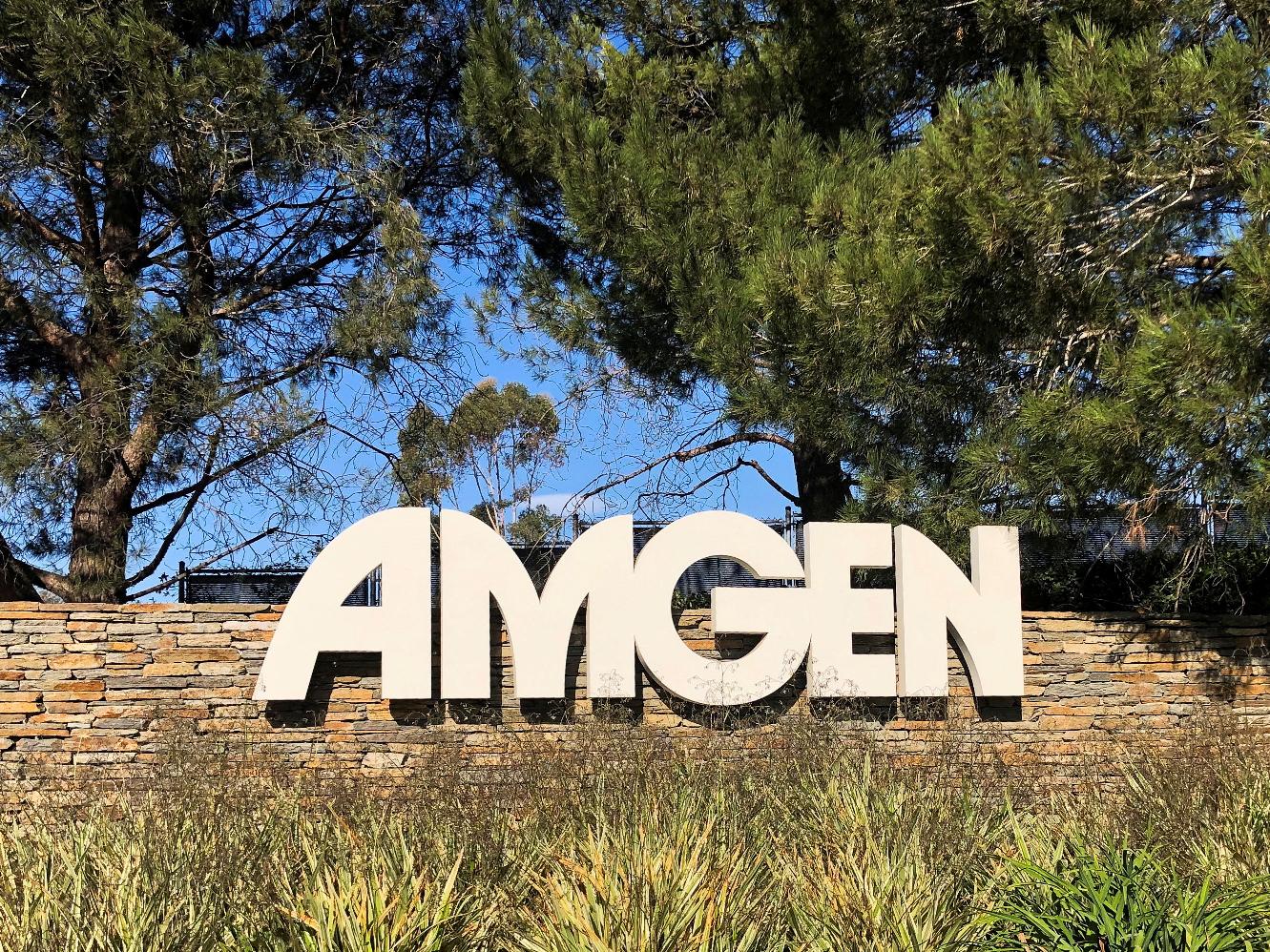
WASHINGTON, May 16 (Reuters) - A victory by Donald Trump in the Nov. 5 presidential election would jeopardize a projected $1 trillion in low-carbon energy investments and carbon emissions would be 1 billion tonnes more by 2050 than under current policies, according to a new analysis by Wood Mackenzie published on Thursday. KEY QUOTE “This election cycle will really influence the pace of energy investment, both in the next five years and through 2050," said David Brown, director of Wood Mackenzie’s Energy Transition Research. "Investments in low carbon supply need to be made in the near term to realize longer-dated decarbonization targets. US carbon emissions could grow, putting net zero out of reach in our delayed transition scenario.” CONTEXT Former President Trump has drawn a sharp contrast to his rival, President Joe Biden, who has made curbing climate change and boosting clean energy manufacturing big parts of his presidency and re-election campaign. Trump has said he would reverse many of the Biden administration's signature climate policies, such as tax credits for electric vehicles and strong emissions standards for cars and power plants. He is expected to once again withdraw the U.S. from the Paris climate agreement. Trump has courted oil executives' financial support in exchange for favorable energy policies. BY THE NUMBERS Wood Mackenzie projects about $7.7 trillion in investment for the U.S. energy sector over 2023-2050 under current policies, which include key incentives enshrined in the bipartisan infrastructure bill and the climate-focused Inflation Reduction Act. It would be $1 trillion less if Republicans reverse key policies bolstering low-carbon energy and infrastructure improvements. In 2050, Wood Mackenzie projects, net US energy-related CO2 emissions will be 1 billion tonnes higher compared to what they would be under current policies. The research firm also projects that the total stock of electric vehicles by 2050 would be 50% lower than under current policies since automakers would likely increase investments in hybrid production over electric cars. Sign up here. https://www.reuters.com/sustainability/climate-energy/trump-presidency-would-risk-1-trillion-clean-energy-investment-woodmac-says-2024-05-16/