2024-05-13 18:00
May 13 (Reuters) - Staff of the International Monetary Fund (IMF) and Argentine authorities have reached an agreement on the eighth review of the country's $44 billion extended fund facility arrangement, as reforms under President Javier Milei have improved macroeconomic stability, the IMF said on Monday. The IMF said the decision, which will unlock a disbursement of close to $800 million if it gets the final sign-off from the fund's board of directors, followed better-than-expected first-quarter performance in Argentina. Milei took office in December vowing to tackle triple-digit inflation, contracting economic activity and reserves in the red. He rolled out a sweeping fiscal reform, tightening government spending sharply. The changes have helped Argentina rebuild depleted foreign currency reserves, post fiscal surpluses at the start of the year and stabilize the peso currency. Markets have rallied and inflation is coming down on a monthly basis since a December peak. The economy, however, is stalling, with falling consumption and manufacturing, a challenge to Milei. Poverty is also rising. Milei's plan "has resulted in faster-than-anticipated progress in restoring macroeconomic stability and bringing the program firmly back on track," the IMF said. It cited also important work to protect vulnerable groups given "the backdrop of a contraction in economic activity." Authorities agreed that Argentina would continue to work to reach a fiscal balance without net central bank financing, the IMF said. Meanwhile, foreign-exchange policy will become more flexible as conditions allow, it added. The terms must now be approved by the IMF executive board, which is expected to discuss the subject in coming weeks. Sign up here. https://www.reuters.com/world/americas/imf-staff-argentina-reach-agreement-latest-review-44-bln-program-2024-05-13/

2024-05-13 17:58
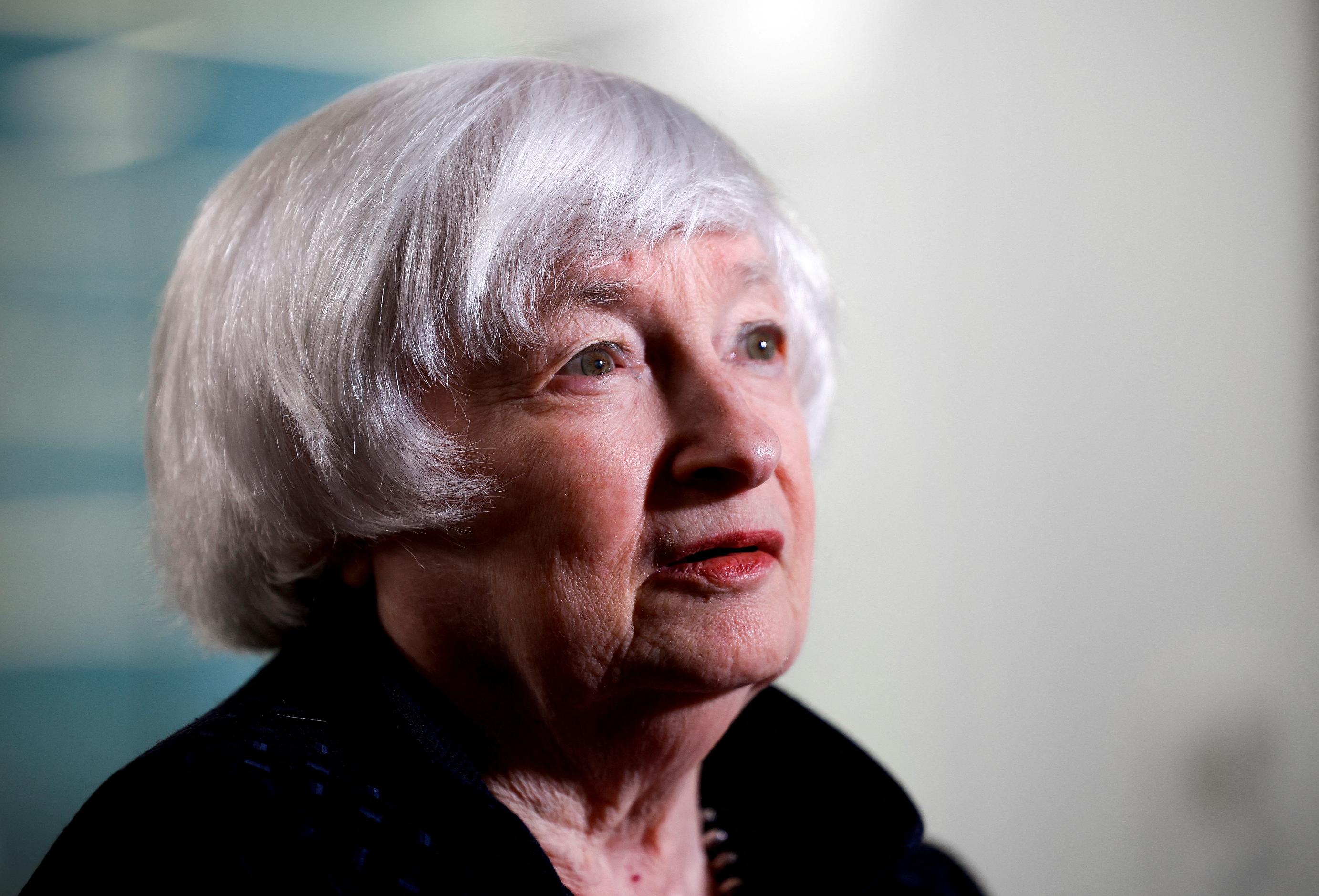
FREDERICKSBURG, Virginia, May 13 (Reuters) - The United States could see a significant response from China following any U.S. tariff actions, U.S. Treasury Secretary Janet Yellen said on Monday ahead of expected new tariffs targeting certain sectors this week. Yellen, speaking to reporters after a broadband event in rural Fredericksburg, Virginia, said she and other U.S. officials had made clear to China they could reconfigure tariffs first imposed under former President Donald Trump to be more strategic, but that any changes would be narrowly targeted. "We've been clear that in reviewing it we may decide that it's appropriate to reconfigure what's been done in a more strategic way," she said. She declined to give any details of expected changes in U.S. tariffs on China, but said the Biden administration would ensure Chinese officials were informed ahead of any U.S. action. "President Biden believes that anything we do should be targeted to our concerns and not broad-based and hopefully we will not see a significant Chinese response. But that's always a possibility," Yellen told Bloomberg Television earlier Monday. Yellen's comments, given ahead of an event on broadband, come as U.S. President Joe Biden is expected to announce new tariffs on Tuesday that will include a large hike on levies for electric vehicles. The tariffs will also target semiconductors, solar equipment and medical supplies, sources told Reuters last week. "I have been very clear in my engagement with the Chinese that we believe there needs to be a level playing field for competition, and that we have particular concern about clean energy, semiconductors and areas where China has, through its policies, encouraged so much investment that it's led to overcapacity," she said. Yellen said she was hopeful that China would recognize that U.S. actions were targeted, and declined to speculate on any possible retaliatory measures by Beijing. "We're going to try to keep our actions targeted, and we'll see what happens," she said. Yellen said Chinese was pursuing a conscious industrial policy that targeted investments in advanced manufacturing which were leading to global overcapacities that could wipe out competition by U.S. companies. She noted that virtually all Chinese investment that had been going into its property sector was now going into advanced manufacturing, given problems in the real estate sector. She underscored U.S. interest in continuing trade with China and stabilizing relations to ensure any disagreements could be discussed. Asked by Bloomberg if the United States wants a trade war with China, Yellen said: "We're working to stabilize our economic relationship. We do not wish to disengage from China economically, but we do think that the playing field should be fair, and China engages in unfair practices like massive subsidies." Sign up here. https://www.reuters.com/world/yellen-says-chinese-response-possible-expected-us-tariff-action-2024-05-13/
2024-05-13 16:50
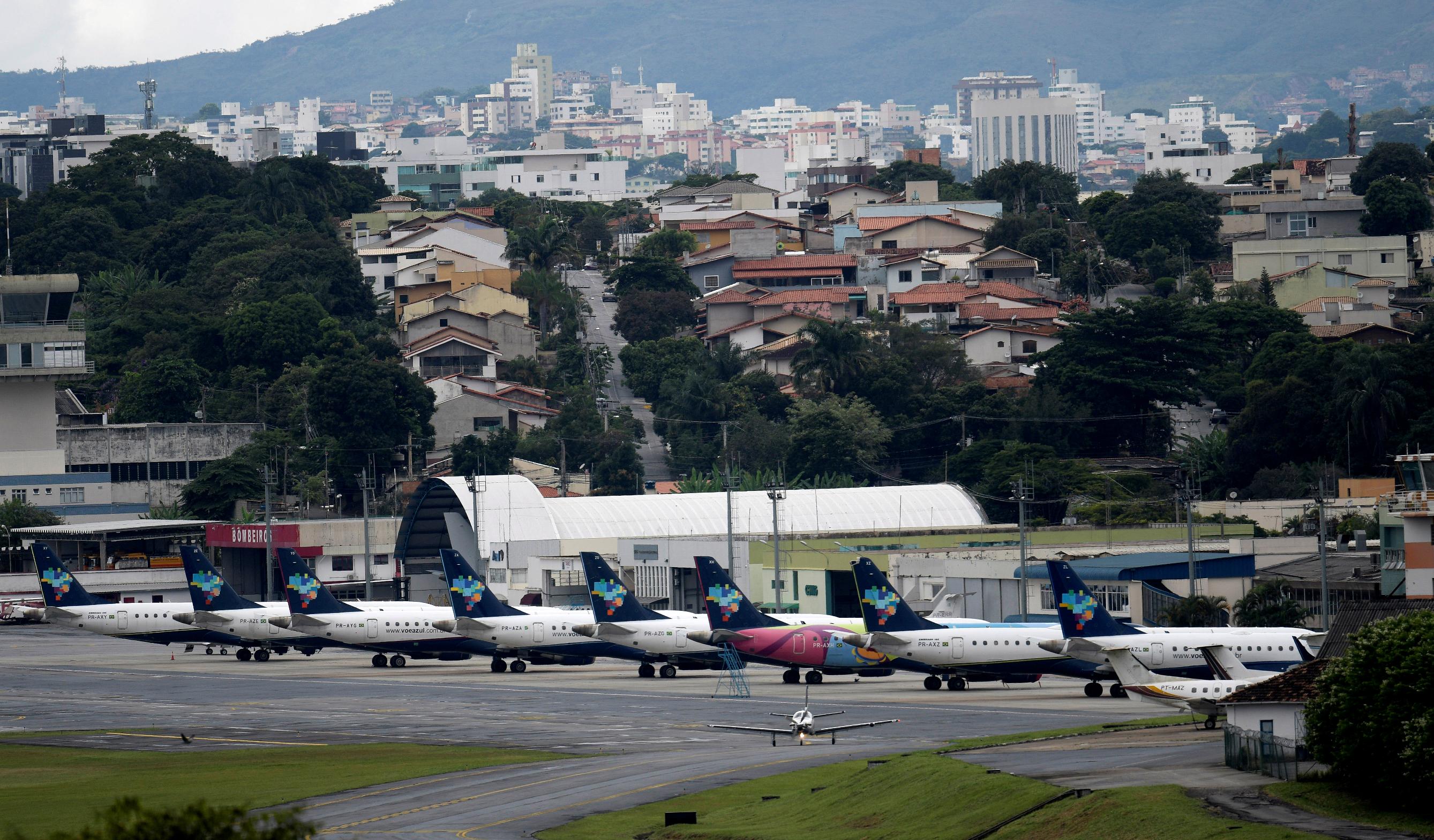
SAO PAULO, May 13 (Reuters) - Brazilian airline Azul's net losses narrowed and operating figures hit all-time highs for the first quarter driven by healthy demand for air travel in the country, it said on Monday, sending its shares higher. Azul reported an adjusted net loss of 324.2 million reais ($62.86 million) for the January-March period, smaller than the 727.6 million-real loss from a year earlier, mainly hit by financial expenses and foreign exchange swings. Operationally, the carrier said that both revenue and core earnings reached record highs for the period, with traffic as measured by revenue passenger kilometers rising 1.7% from a year earlier. It painted a positive picture going forward. Chief Executive John Rodgerson said in a call with analysts that the company is "back to the earnings growth trajectory" that had been interrupted by the pandemic. "And still the best is yet to come," he added, noting that Azul's cash flow and leverage have been improving and operations last quarter generated enough cash to pay down aircraft debt, capital expenditures and interest. Shares of Azul rose as much as 3.4% in the session, among the top gainers on Brazil's Bovespa stock index (.BVSP) New Tab, opens new tab, which was up 0.5%. The company had in March already bumped up its estimate for earnings before interest, taxes, depreciation and amortization (EBITDA) this year due to rising demand in Latin America's largest economy. In the first quarter, Azul's EBITDA came in at 1.42 billion reais, up 37.4% year-on-year, while net revenue rose 4.5% to 4.68 billion reais. The top line landed slightly below the 4.88 billion reais expected by analysts polled by LSEG. Analysts at Santander said the results were strong, highlighting solid recurring EBITDA backed by lower fuel costs, triggered by a decline in fuel prices and a more fuel-efficient fleet. Azul reiterated it expects to add 13 Embraer E2 (EMBR3.SA) New Tab, opens new tab jets to its fleet this year, increasing capacity and reducing costs as they have more seats and burn less fuel then first generation E-Jets. ($1 = 5.1579 reais) Sign up here. https://www.reuters.com/business/aerospace-defense/brazilian-airline-azuls-losses-narrow-first-quarter-2024-05-13/
2024-05-13 16:16
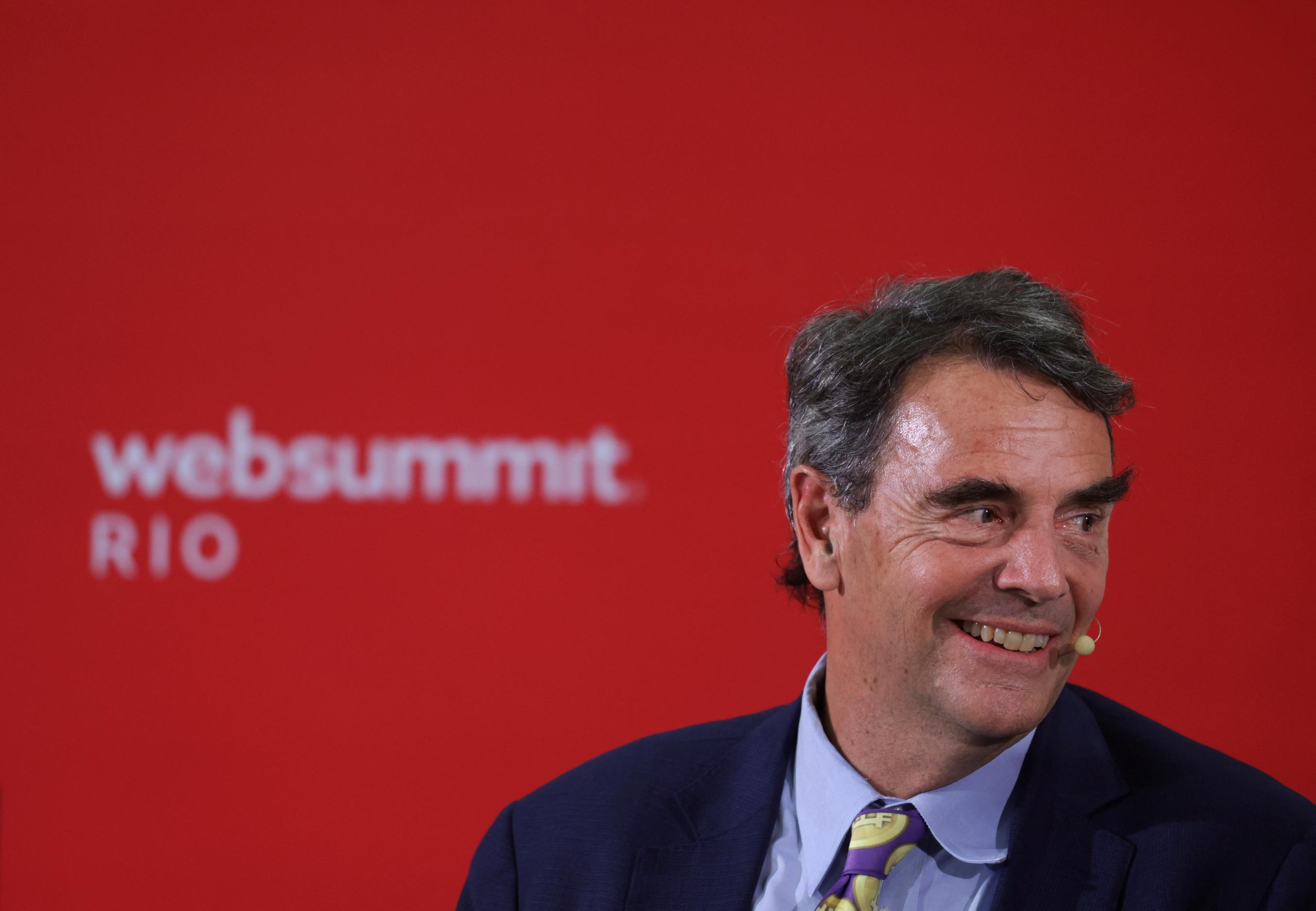
May 13 (Reuters) - Zest Protocol, a bitcoin lending startup with just six employees, has secured $3.5 million in a funding round led by billionaire investor Tim Draper. Besides venture capital firm Draper Associates, nearly a dozen investors participated in the round, including Binance Labs and Flow Traders, the company said on Monday. WHY IT'S IMPORTANT The funding round marks confidence building up in the crypto lending industry amid a crackdown from the U.S. Securities and Exchange Commission. Zest operates differently than the firms targeted by the regulator, its founder Tycho Onnasch said. While most such lending platforms operated as a financial institution, Zest is decentralized, he said. Decentralized firms allow peer-to-peer transactions without the need for an intermediary. CONTEXT Zest will allow users to lend out their bitcoin, or borrow against it. Users can avoid selling their bitcoin and instead earn a passive income from it. The company will use the funds to roll out the platform more broadly later this year. Onnasch said the yield-generating strategy is "very conservative", suggesting the company will adopt a more mature approach compared to peers that offered yields as high as 20% during the Wild West era of crypto. Draper Associates was founded in 1985 by Tim Draper, a prominent Silicon Valley venture capitalist who has also invested in SpaceX, Tesla (TSLA.O) New Tab, opens new tab and Coinbase (COIN.O) New Tab, opens new tab. KEY QUOTES "I don't want to just hold bitcoin — I want to use it," Draper said in a statement. "I've ran many experiments to deploy bitcoin productively, but it hasn't been easy." "Bitcoin is becoming an institutional asset. There's a bitcoin economy that is emerging," Onnasch said in an interview. Sign up here. https://www.reuters.com/markets/deals/tim-draper-leads-35-mln-fundraise-six-employee-startup-behind-bitcoin-lending-2024-05-13/
2024-05-13 13:55
BENGALURU, May 13 (Reuters) - The U.S. Federal Reserve will cut its key interest rate twice this year, starting in September, according to a stronger majority of economists polled by Reuters who broadly raised their inflation forecasts for a second consecutive month. Although Fed officials have reassured markets its next move will be a cut, insufficient progress bringing inflation down further alongside rising price expectations has stoked some doubts about whether the Fed will move at all this year. While both federal funds futures contracts and economists see a very low chance of rates remaining unchanged through year-end, economists are now more convinced the Fed will wait until September than they were about a month ago. Nearly two-thirds of economists surveyed, 70 of 108, predicted the first reduction in the fed funds rate in September, to a 5.00%-5.25% range. Those results, from the May 7-13 poll, compared with just over half expecting a September cut when they were surveyed last month. Only 11 forecast a July cut and none said June, compared to 26 and four in the April survey. "We had nothing but bad news on the inflation front through the first quarter...all of those inflation increases were too big to allow rate cuts," said Chris Low, chief economist at FHN Financial, who expects the Fed to cut twice this year, in September and November. "For the Fed to cut rates, we have to see a change in trend. One month of good news will not be enough to allow a cut, they need several months. There is a pretty significant risk they will do less than two." April consumer price index (CPI) numbers are due to be released on Wednesday. U.S. consumer prices are forecast to have increased 0.4% month-on-month in April, the same as in March, a separate Reuters poll predicted. But an upside surprise could lead to a change in expectations toward lesser cuts. The personal consumption expenditures (PCE) price index, which the Fed targets at 2%, has risen over the past few months, suggesting the bar for a rate cut is still high. In the latest Reuters poll, economists broadly upgraded their 2024 outlook for inflation - CPI, core CPI, PCE and core PCE - for the second straight month. None of those measures of inflation were expected to reach 2% until at least 2026. "We readily acknowledge that it would not take much for the start of the cutting cycle to be pushed back until November. What's more, the risks to that call are heavily skewed toward there being one cut in 2024 as opposed to three cuts," noted economists at Wells Fargo. Around 60% of participants in the latest poll, 65 of 108, predicted two quarter-point cuts this year, up from half of the sample a month ago. But only 17 now see more than two rate reductions, just half the 34 in April. While 25 saw only one reduction, one said none. An over-60% majority of economists who replied to an additional question, 26 of 41, said the chances were low or very low the Fed would hold rates for the remainder of the year. Asked about estimates for the Fed's neutral rate - one that neither stimulates nor restricts economic activity - the median of 29 responses was 3.00%-3.25%, higher than estimated just a few months ago. The U.S. economy, which grew at a slower-than-expected 1.6% annualized pace last quarter, was forecast to expand 2.4% this year, faster than what Fed officials currently see as the non-inflationary growth rate of 1.8%. (For other stories from the Reuters global economic poll:) Sign up here. https://www.reuters.com/markets/us/fed-cut-rates-september-say-nearly-two-thirds-economists-2024-05-13/

2024-05-13 12:48
NEW DELHI, May 13 (Reuters) - India's retail inflation rate eased slightly in April, partly due to lower fuel prices, although food prices remained elevated, government data showed on Monday. Annual retail inflation (INCPIY=ECI) New Tab, opens new tab in April was 4.83%, down from 4.85% in March. Economists polled by Reuters had forecast April retail inflation at 4.80%. Food inflation, which accounts for nearly half of the overall consumer price basket, rose 8.70% in April, compared with a 8.52% rise in the previous month. Food inflation has been accelerating at more than 8% year-on-year since November 2023. The inflation rate for cereals was 8.63%, compared with 8.37% in the previous month and pulses rose 16.84%, compared with 17.71% in March. Vegetable prices rose 27.8% in the month of April. With parts of the country experiencing a heatwave, food prices continue to pose an additional risk to India's inflation trajectory, according to the latest Reserve Bank of India (RBI) bulletin. "The anticipated threat from a severe heatwave has so far not played out in a disruptive manner, food price pressures need to be on close watch due to their inherent volatility," said Vivek Kumar, economist at QuantEco Research. In April, fuel and power prices fell 4.24% compared with a fall of 3.24% in the previous month. Core inflation, which strips out volatile food and energy prices, is estimated at 3.23% in April, compared with 3.3%-3.4% in March, according to two economists. The Indian government does not release core inflation figures. Even though core inflation has been benign, the RBI kept its key interest rate steady for the seventh straight policy meeting last month, as it wants inflation to fall to 4% on a durable basis before cutting rates. "We do not expect much change to RBI's narrative for now as a prolonged pause in policy rates remains the base case," said Upasna Bhardwaj, economist at Kotak Mahindra Bank. High food inflation and rural stress have been two key policy planks in the ongoing national election for the country's main opposition Congress, which has promised several cash handouts to alleviate the situation. To contain food inflation Prime Minister Narendra Modi, who is chasing a rare third term in power, has banned exports of wheat, rice and onions when prices rose to contain domestic inflation. Earlier this month, India lifted its ban on onion exports ahead of voting in key onion-growing areas. Last week, government's chief economic advisor V Anantha Nageswaran said he did not see any "nasty" upside at the moment to the inflation and expected it to ease towards 4%. Sign up here. https://www.reuters.com/world/india/indias-retail-inflation-eases-483-2024-05-13/