2024-05-13 05:03
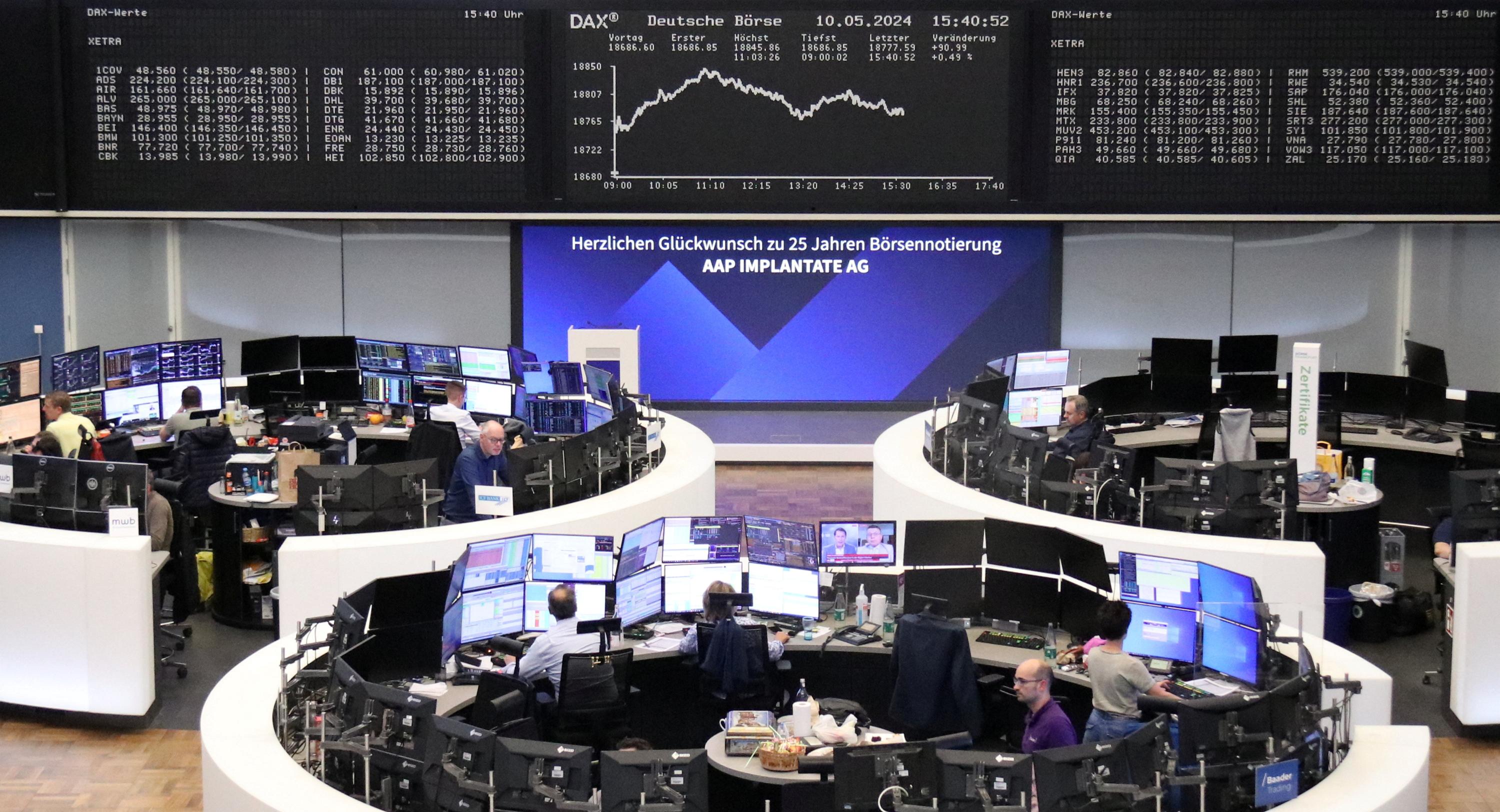
May 13 (Reuters) - A look at the day ahead in European and global markets from Wayne Cole. It's finally the week of the U.S. consumer price lottery, and never has a second decimal been so important. The median forecast for core CPI is 0.3%, which alone would be a real relief after three months of 0.4's. But will it be nearer a dovish 0.26%, or a hawkish 0.34%? The former, or even lower, would see the market bring a July rate cut back into play from its current pricing of 25%. The latter, or higher, would see the probability of a September easing recoil from the present 61%, perhaps by quite a lot. Much will depend on whether rents and used car prices finally moderate as long expected, while car insurance and travel costs are wild cards. There are plenty of Fed speakers on the docket this week to offer their reaction, though unfortunately Chair Powell appears on Tuesday ahead of the data. Seems he's in Amsterdam for an event, the city making an exception for this particular tourist. Data on U.S. retail sales for April are also due on Wednesday and, so far, actual spending has outperformed the baffling gloom seen in sentiment surveys. Always a good idea to watch what people do, not what they say. With so much riding on this data, markets have been understandably cautious so far on Monday with little movement in stocks or currencies. It is also uncertain how investors might react to details of new or increased U.S. tariffs on Chinese exports expected on Tuesday. The Bank of Japan added to its recent hawkish streak by cutting the amount of bonds it offered to buy at a regular auction, essentially a tiny tightening in QE. Reads like a step toward another rate hike on June 14 and a protest against any further weakening in the yen. Key developments that could influence markets on Monday: - Appearance by Fed's Mester Sign up here. https://www.reuters.com/markets/europe/global-markets-view-europe-2024-05-13/
2024-05-13 03:00
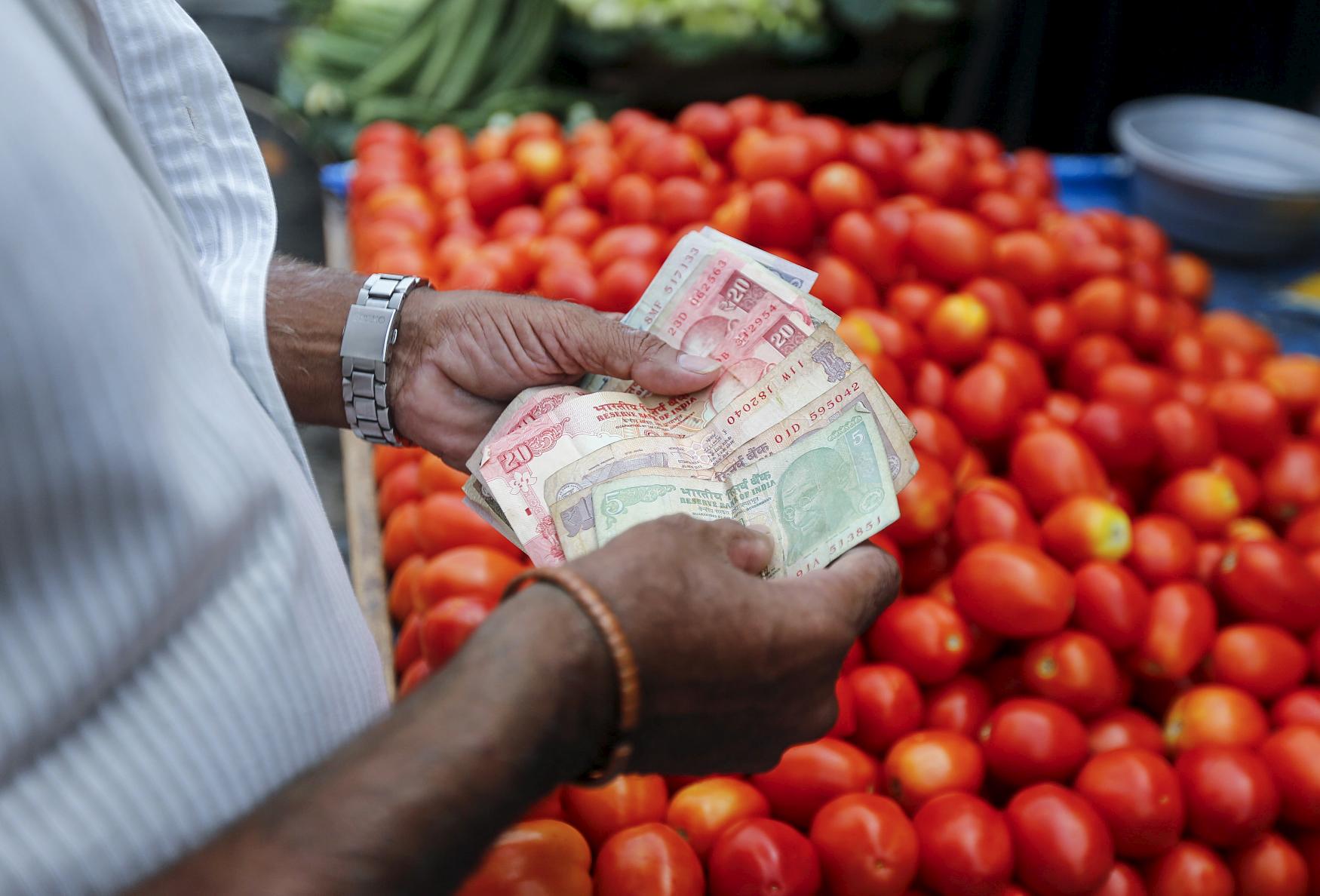
MUMBAI, May 13 (Reuters) - The Indian rupee is likely to drop at open on Monday, pressed by the decline in the Chinese yuan and the possibility that election uncertainties may spur more portfolio outflows. Non-deliverable forwards indicate the rupee will open at 83.54-83.55 to the U.S. dollar, compared with 83.50 in the previous session. The rupee is within a spitting distance of the all-time low of 83.5750. The Reserve Bank of India (RBI) has likely been intervening to help the domestic currency. "And yet again, we will be watching the RBI. The bias (on USD/INR) is higher and it will be on the RBI if they want to allow a further inch up," a FX trader at a bank said. Portfolio outflows, particularly on the equity side, hassled the rupee for a large part of last week and its losses would have been larger if not for the likely RBI intervention. Foreign investors took out more than $2 billion from Indian equities last week. Friday's outflow in excess of $250 million is the provisional data put out by the exchanges. Asian currencies began the week on the defensive, with the offshore yuan weakening past 7.24 to the dollar and the Japanese yen dropping to nearly 156. Other Asian currencies were down 0.1% to 0.4%. The U.S. consumer inflation print due Wednesday is the main data point this week. The last three inflation readings have been higher than expected, prompting investors to dial back expectations on how many rate cuts the Federal Reserve will deliver this year. HSBC's US Inflation surprise index has been trending higher since January, which says a lot about why the market has re-priced the Fed," HSBC said in a note. It said the U.S. core consumer price index likely rose 0.3% month-on-month in April. KEY INDICATORS: ** One-month non-deliverable rupee forward at 83.64; onshore one-month forward premium at 7.75 paise ** Dollar index at 105.35 ** Brent crude futures down 0.4% at $82.5 per barrel ** Ten-year U.S. note yield at 4.49% ** As per NSDL data, foreign investors sold a net $798.8mln worth of Indian shares on May 9 ** NSDL data shows foreign investors bought a net $24.3mln worth of Indian bonds on May 9 Sign up here. https://www.reuters.com/markets/currencies/rupee-likely-struggle-weak-yuan-portfolio-outflows-worries-2024-05-13/
2024-05-13 01:47
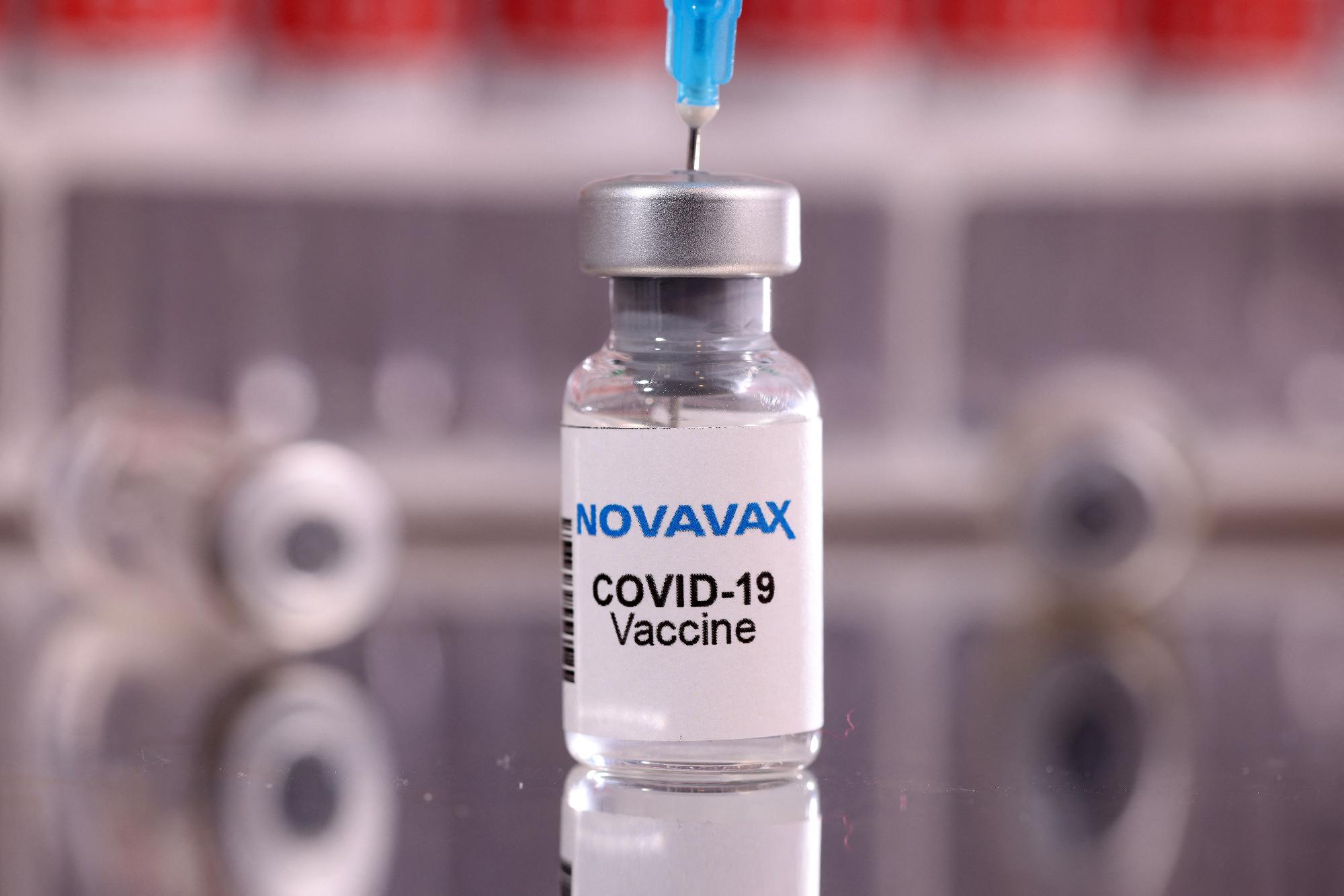
May 10 (Reuters) - Novavax (NVAX.O) New Tab, opens new tab on Friday said it had struck a licensing deal worth at least $1.2 billion with Sanofi (SASY.PA) New Tab, opens new tab for its COVID-19 vaccine in exchange for a stake that valued the U.S. biotech firm at double its current market capitalization. The Maryland-based drugmaker's stock more than doubled in Friday trading to $8.97 following the deal as the company also removed a warning notice from February last year that raised doubts about it being in business. At their peak in 2021, shares traded at about $332. Sanofi will take a 4.9% stake in the U.S. drugmaker for $70 million. That values Novavax at about $1.4 billion, nearly double its market capitalization of about $628 million as of Thursday, but a far cry from its peak of $20 billion in 2021. The deal also entitles Novavax to an upfront cash payment of $500 million and future payments contingent on certain milestones, as well as royalties. Sanofi, one of the world's largest vaccine makers, will gain a license to co-sell Novavax's vaccine in most countries and use the COVID shot along with its own flu vaccines to develop a combination shot. "A company like Sanofi, that has pioneered protein recombinant-based vaccines for decades, validating and actually needing what Novavax has as their next pipeline innovation engine is very powerful," said B. Riley Securities analyst Mayank Mamtani. For Sanofi, the agreement could help bolster its flu vaccine franchise as companies such as Pfizer (PFE.N) New Tab, opens new tab and Moderna (MRNA.O) New Tab, opens new tab develop rivals, including combination vaccines to be used along with COVID-19 shots. The French drugmaker made nearly $7.5 billion in sales from its vaccines last year. Novavax CEO John Jacobs said during a call with analysts that the company expected the deal with Sanofi to be worth further billions of dollars in the future. "The majority of what we see as the future value of this deal comes from the anticipated royalties that will be ongoing from Sanofi's ability to sell our COVID vaccine and their own combination vaccine or vaccines," he said. Jacobs said the company would consider similar deals for its other experimental vaccines, which include a standalone influenza shot. SHORT SELLERS FEEL PAIN The cash infusion is likely to strengthen the balance sheet of the vaccine maker, whose shares lost more than 98% of their value since the early days of pandemic as it struggled to get its vaccine to the market in a timely manner. Novavax has become a target for both short sellers who bet that the value of the stock will fall, and an activist shareholder pushing for changes. About 35.5% of Novavax's publicly available shares are shorted. Friday's rise is squeezing out short sellers, who are buying back stock to exit their position. The bearish investors had lost roughly $255 million on paper, according to analytics firm S3 partners. The deal is "a step in the right direction for shareholders", hedge fund Shah Capital, which has been pushing for a shake-up of Novavax's board, said. Separately, Novavax cut its 2024 sales forecast, excluding contributions from the Sanofi deal, to between $400 million and $600 million from $800 million to $1 billion previously. It also reported a net loss that narrowed to $148 million in the first quarter from $294 million a year ago. Sign up here. https://www.reuters.com/business/healthcare-pharmaceuticals/frances-sanofi-covid-19-vaccine-deal-with-novavax-statement-2024-05-10/
2024-05-13 01:15
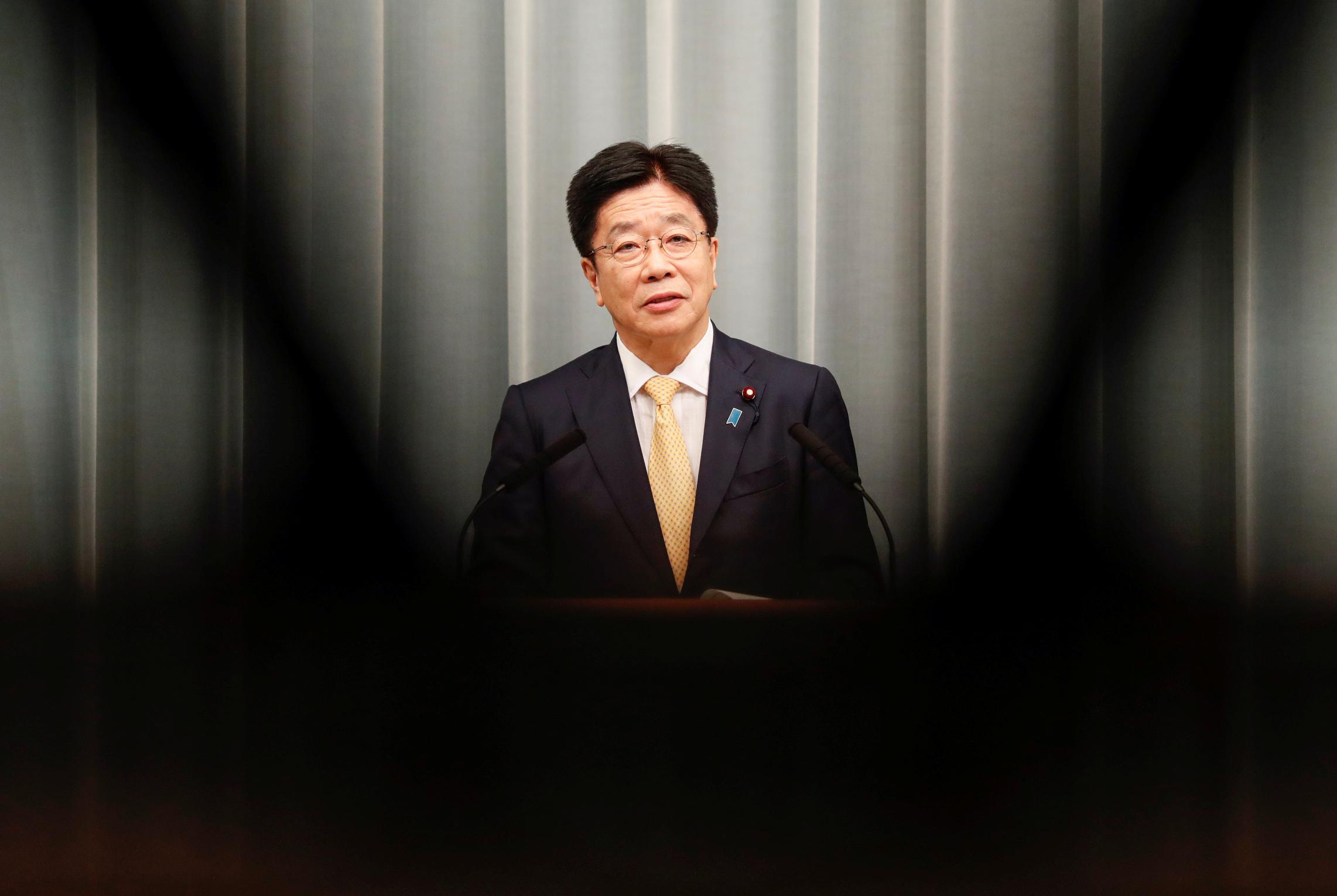
TOKYO, May 13 (Reuters) - Japan is seeing conditions fall in place for the central bank to normalise monetary policy, ruling party heavyweight Katsunobu Kato told Reuters, underscoring growing political support for further interest rate hikes. But Kato said the Bank of Japan (BOJ) must keep a close eye on economic conditions and coordinate carefully with the government in working out when to raise rates. "Japan is shifting to an era where prices and wages rise, from one where both barely moved," said Kato, a former chief cabinet secretary and a ruling party veteran seen by some analysts as a candidate to become future prime minister. "It's therefore natural for monetary policy to revert to the original style in which interest rates move in positive territory reflecting market function," he told Reuters in an interview on Friday. "Key to the decision on whether to actually raise interest rates is Japan's economy, especially consumption, which isn't necessarily strong." When asked whether the yen was too weak, Kato said he was more concerned about the impact of the weak yen on inflation than its levels. "In the past two years, the public has clearly suffered from rising inflation," he added. The remarks by Kato highlight the ruling party's growing focus on the rising cost of living, driven in part by the weak yen, that may help the BOJ make the case to raise interest rates further. The BOJ ended eight years of negative interest rates in March on heightening prospects that inflation will durably hit its 2% target, helped by rising wages. Since then, the central bank has signalled that further rate hikes are likely, cementing market expectations of another increase in borrowing costs by year-end. Faster-than-expected rate hikes could slow the yen's declines. The weak yen has inflated raw material import costs, in turn hurting consumption and creating headaches for policymakers looking to shore up a fragile economic recovery. The yen's recent weakness reflected not just the wide interest rate differential between Japan and other countries, but structural changes in Japan's economy, he said. With many Japanese companies having shifted production overseas, a weak yen no longer sparks a sharp rise in exports, he said, calling on the need for Japan to revitalise its economy by attracting investment from abroad. Sign up here. https://www.reuters.com/markets/asia/japan-track-normalise-monetary-policy-says-ruling-party-heavyweight-2024-05-13/
2024-05-13 00:48
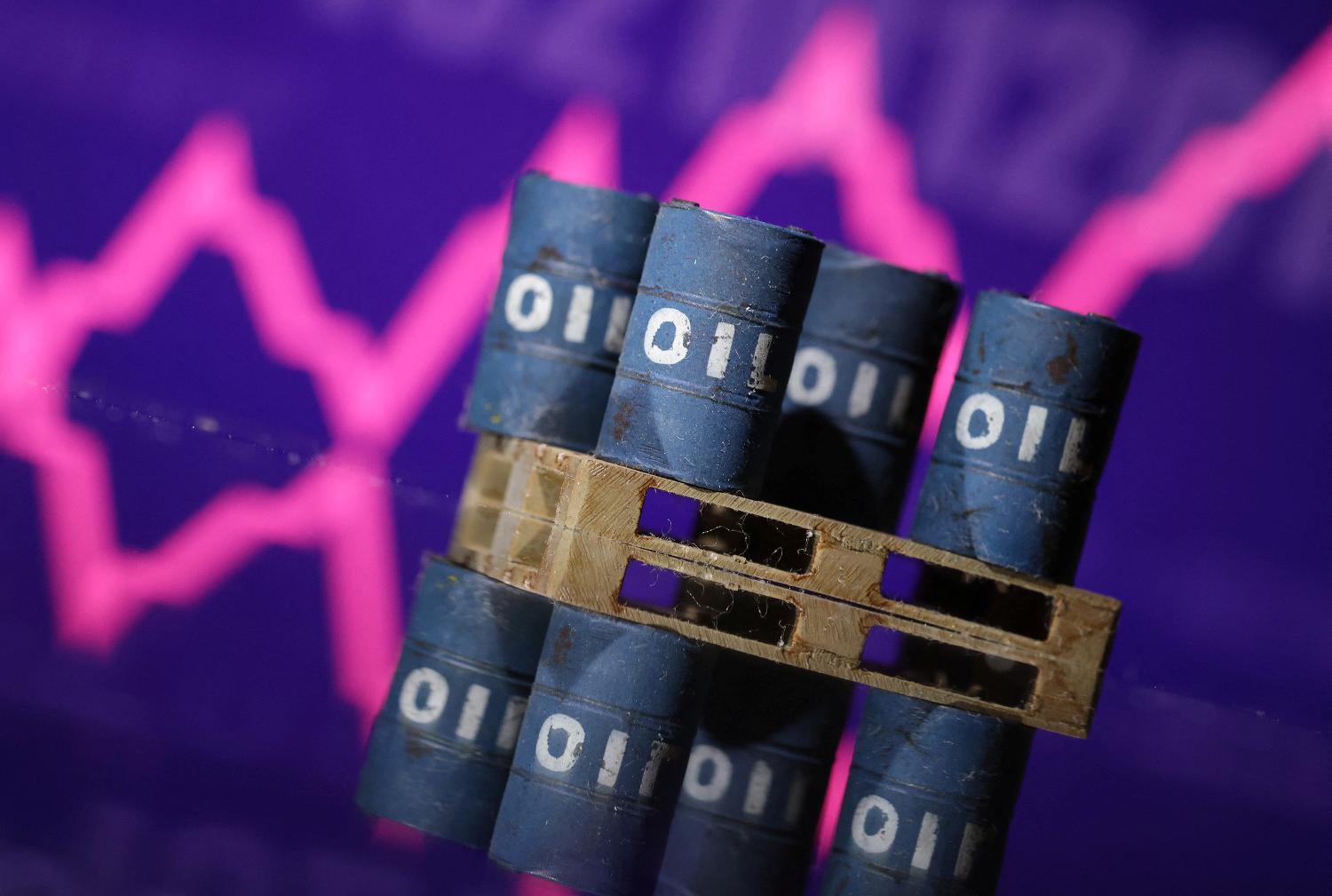
U.S. oil stockpiles expected to have declined last week -poll China inflation data, economic stimulus support oil prices Wildfires in Alberta could disrupt oilsands supply U.S. inflation data due Wednesday under close scrutiny NEW YORK, May 13 (Reuters) - Oil prices rose on Monday, as signs of improving demand in the U.S. and China, the top two oil consumers, aided the bounce from the previous session's $1 a barrel slide. U.S. West Texas Intermediate crude futures rose 86 cents, or 1.1%, to settle at $79.12 a barrel. Brent crude futures gained 57 cents, or 0.7%, to settle at $83.36 a barrel. Prices drew support from expectations of strong U.S. gasoline demand, as motorist group AAA forecast this year's Memorial Day travel activity will be the highest since 2005, with road trips at a record since 2000. U.S. crude oil stockpiles likely declined last week, according to a preliminary Reuters poll of analysts. Declining stocks are typically a sign of improving demand. Chinese data at the weekend showed consumer prices rising for a third straight month in April while producer prices extended declines, signalling improved domestic demand. The country also plans to raise 1 trillion yuan ($138.26 billion) for economic stimulus. On the supply front, investors are watching for potential oil supply disruptions in Western Canada due to wildfires the country's government has warned could be "catastrophic". "Canadian oil sands production currently has a 3.3 million barrel daily capacity, which is very likely to be affected moving into the summer," said Alex Hodes, analyst at energy brokerage StoneX. Oil prices have also found support from enduring expectations that OPEC+, the Organization of the Petroleum Exporting Countries and its allies, will extend supply cuts into the second half. No. 2 OPEC producer Iraq is committed to oil production cuts agreed by the group, its oil minister told the state news agency on Sunday. Those comments followed his suggestion on Saturday that Iraq would not agree to any additional cuts proposed by the wider group at its meeting on June 1. Traders said they are more cautious about the Middle East as hopes have been dashed for a ceasefire in Gaza. Israel on Sunday pushed back into North Gaza, while the death toll in Israel's military operation has passed 35,000 Palestinians, according to Gaza's health ministry. Investors will watch the U.S. Consumer Price Index data due on Wednesday for clues to when the Federal Reserve will consider cutting interest rates, Hodes said. Analysts expect the U.S. central bank to keep its policy rate on hold for longer, supporting the dollar and making dollar-denominated oil more expensive for buyers holding other currencies. ($1 = 7.2325 Chinese yuan renminbi) Sign up here. https://www.reuters.com/markets/commodities/oil-extends-decline-signs-weak-fuel-demand-strong-dollar-2024-05-13/
2024-05-12 23:10
Wheat self sufficiency seen declining to 68%, ECIU says Oilseed rape self-sufficiency seen collapsing to 40% More imports could hold back decline in food inflation PM Sunak to host food summit on Tuesday LONDON, May 13 (Reuters) - Britain's ability to feed itself is set to be reduced by nearly a tenth this year as farmers across the country reel from one of the wettest winters on record, an energy and climate think tank said on Monday. Heavy rain in the winter months left vast swathes of agricultural land saturated, with many arable farmers unable to plant crops and losing those that were in the ground. Analysis from the Energy & Climate Intelligence Unit (ECIU), a non-profit organisation that studies energy and climate change issues, estimated that the projected reduction in key arable crops as a result of lower crop area and poor yields will reduce UK self-sufficiency by 8 percentage points when measured by volume, declining from an average of 86% between 2018 and 2022 to 78% this year. Specifically the UK could become dependent on foreign imports for around a third of its wheat, with wheat self-sufficiency estimated to decline from 92% in the same period to 68%, the ECIU said. Self-sufficiency in oilseed rape is estimated to collapse to a historic low of 40% from 75%. Farmers also expect poor harvests of potatoes and onions. Less domestic production and more imports could hold back the decline in food inflation, which hit a 45-year high of 19.2% in March 2023 but had fallen to 4% in March this year, according to official data. The National Farmers' Union has warned that consumers may see the effects through the year. However, last month Simon Roberts, CEO of Sainsbury's (SBRY.L) New Tab, opens new tab, Britain's second biggest supermarket, said he was confident the group could "protect availability without causing any impact for customers," noting that commodity costs "in the main" were coming down. The ECIU's analysis was published ahead of a meeting Prime Minister Rishi Sunak plans to host on Tuesday - the second annual "Farm to Fork Summit" which brings together representatives of the UK food supply chain. “In 2021, the government warned that climate change was the biggest medium to long term threat to our food security. This analysis suggests that it is the biggest risk now, not at some far off point in the future," said Tom Lancaster, land analyst at the ECIU. Sign up here. https://www.reuters.com/world/uk/historically-wet-winter-damage-uks-food-self-sufficiency-says-think-tank-2024-05-12/