2024-05-09 12:50
WASHINGTON, May 9 (Reuters) - Republican presidential candidate Donald Trump vowed to reverse dozens of the Biden administration's environmental rules and policies at a meeting with top U.S. oil executives, where he also asked them to raise $1 billion for his presidential campaign, the Washington Post reported on Thursday. The Post, citing unidentified sources familiar with the meeting last month in Florida, said Trump promised to end President Joe Biden's emissions rules aimed at promoting electric vehicles and halt the Biden administration's freeze on permits for new liquefied natural gas exports, among other actions. Trump told the chief executives that giving $1 billion would be a "deal" for them, according to the report. Invited guests included the CEOs of Venture Global, Cheniere Energy as well as representatives from Chevron (CVX.N) New Tab, opens new tab , Continental Resources, Exxon and Occidental Petroleum (OXY.N) New Tab, opens new tab , it said. Representatives for Trump's campaign did not respond to a request for comment. Representatives for Exxon said they had no details to share, while representatives for the other companies did not respond to requests for comment. Trump, who faces a rematch with Biden in the Nov. 5 presidential election, has vowed to undo much of the Democratic president's work to fight climate change. Biden has touted his administration's climate efforts — including its tailpipe rules — as both good for the environment and for the economy, which is a factor in his re-election campaign. At the meeting in Trump's private club, the Republican presidential contender also said he would auction off more leases for oil drilling in the Gulf of Mexico and reverse drilling restrictions in the Alaskan Arctic, the Post reported. He also reiterated his complaints about wind power, it added. Sign up here. https://www.reuters.com/world/us/trump-vows-target-electric-vehicles-meeting-with-oil-ceos-report-2024-05-09/

2024-05-09 12:49
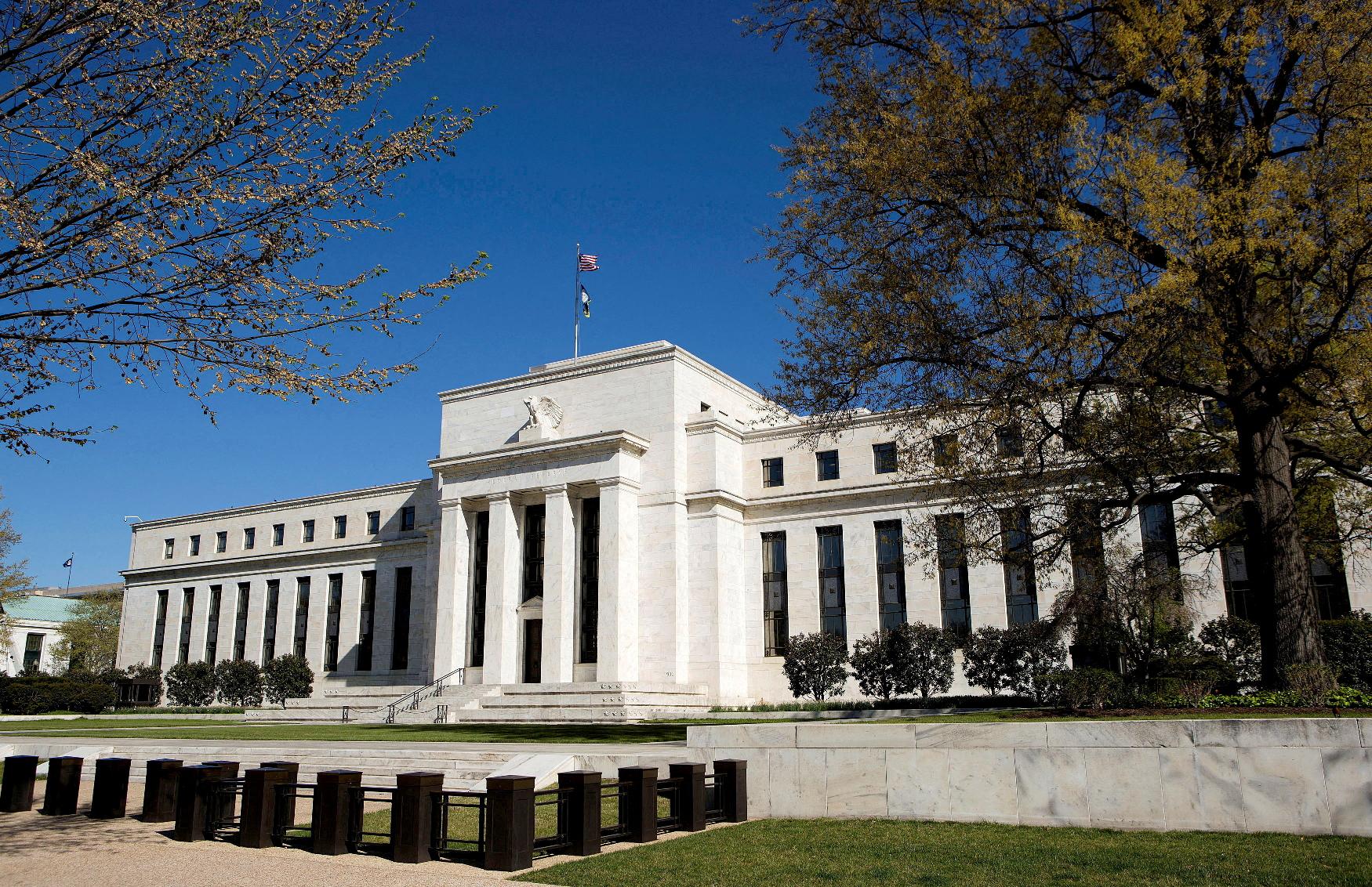
LONDON, May 9 (Reuters) - Global central banks that moved together to battle inflation are starting to scatter, with European rate setters turning dovish while the U.S. Federal Reserve stays cautious about cutting too soon. Following the most aggressive global monetary tightening cycle in decades, here's where leading central banks stand and what they are expected to do next. 1/ SWITZERLAND The Swiss National Bank cut rates by 25 bps to 1.50% in a surprise move in March, leaving the Swiss franc trailing the dollar and the euro as traders bet on another cut in June. Swiss inflation ticked up to 1.4% in April, but stayed within the SNB's target an 11th consecutive month. 2/ SWEDEN Sweden's Riksbank lowered benchmark borrowing rates to 3.75% from 4% on Wednesday and said it would cut further if inflation stayed moderate. Consumer price increases have slowed to just over the 2% target as the Swedish economy stumbled under the pressure of high rates. The Riksbank's next dilemma is the weak crown and the potential for higher import costs to re-stoke inflation. 3/ EURO ZONE The European Central Bank is widely expected to lower rates in June, with inflation close to its 2% target and growth tepid. Markets anticipate almost three cuts this year. The big question is how far the ECB can diverge from the Fed. Policymakers might worry that sticky U.S. inflation is a harbinger of things to come across developed economies. 4/ CANADA Canadian inflation ticked up to 2.9% in March and population growth is boosting the economy, yet optimism from Bank of Canada governor Tiff Macklem about price pressures moderating has bolstered rate cut bets. Traders see a roughly 60% chance of a June cut and fully expect lower borrowing costs by July. 5/ BRITAIN The Bank of England held interest rates at a 16-year high of 5.25% on Thursday, but Governor Andrew Bailey said he was "optimistic things are moving in the right direction" and a deputy governor voted for a cut. Bailey said the BoE still needs to see more evidence that inflation - running at 3.2% in March - will stay low before cutting rates. Markets expect the first reduction in August. 6/ UNITED STATES The Fed has kept rates in the 5.25% to 5.5% range since July 2023. It held rates steady on May 1 and soothed some fears, following hot inflation readings, that its next move would be another hike. Wall Street's S&P 500 share index, which tumbled around 4% in April (.SPX) New Tab, opens new tab, has recouped much of that loss as some Fed officials reaffirmed rate cuts were coming, eventually. . Traders, who back in January had expected up to 150 bps of Fed cuts this year, now price in just over 40 bps worth. A first rate reduction is priced in for September. 7/ NEW ZEALAND Inflation in New Zealand, at 4%, is likely to stay above the Reserve Bank of New Zealand's 1%-3% target as migration raises domestic demand, the Organisation for Economic Co-operation and Development said this week. Investors don't expect rate cuts until October or November. 8/ AUSTRALIA The Reserve Bank of Australia held rates at a 12-year high of 4.35% on Tuesday. It is not expected to lower borrowing costs this year as it forecasts higher inflation and the government primes households for tax giveaways from July. Futures markets price a 20% chance of a hike in August. 9/ NORWAY Norway's central bank turned more hawkish on May 3, when it held rates at 4.50% and warned they may stay there for "longer than previously thought." That stance is because of a robust economy and core inflation, last reported at 4.5%, far exceeding its 2% target. The Norges Bank had eyed a September cut but most economists now expect no move before December or even next year. 10/ JAPAN The Bank of Japan is the outlier, raising rates out of negative territory in March in its first hike in 17 years. The move did little to close the yawning gap between Japanese and American borrowing costs, however, driving the yen to fresh 34-year lows and prompting government intervention to boost the currency. BOJ Governor Kazuo Ueda stepped up the hawkish rhetoric this week, saying the central bank could take action if the weak yen pushes up inflation. Sign up here. https://www.reuters.com/markets/europe/interest-rates-start-fall-europe-fed-lags-2024-05-09/
2024-05-09 12:36
May 9 (Reuters) - Constellation Energy (CEG.O) New Tab, opens new tab is considering building next-generation nuclear plants on its existing sites to meet soaring demand from data centers, executives with the Baltimore-based power company said on Thursday. The largest operator of U.S. nuclear energy said it is looking at adding new small modular reactors and other energy technologies to deliver electricity to large load customers like data centers. "We're seeing interest in developing projects that are on a size and scale that presently don't exist," Constellation CEO Joseph Dominguez said on a first-quarter earnings call with investors. "What we're trying to do is get the contracts done that lay out the gross amount of megawatts that are going to be needed." Customers of the possible new nuclear generation would fund the projects through long-term power purchase agreements, while Constellation would operate the units, the company said on its first-quarter earnings call. Data centers that support generative artificial intelligence and other new technologies require very large amounts of electricity for data-intensive computing and cooling systems. They have roused the sleepy U.S. power industry in the past year and led utilities to raise demand forecasts and increase capital spending plans. Constellation, which also generates electricity via renewable sources like hydro, wind and solar, reported adjusted first-quarter earnings of $1.82 per share, beating Wall Street estimates on due to increased nuclear power generation and tax credits related to the Inflation Reduction Act (IRA). Analysts had expected earnings of $1.38 per share, according to LSEG data. The IRA provides billions of dollars in tax credits to clean energy facilities, such as nuclear plants, in a push to decarbonize the U.S. power sector. The Baltimore, Maryland-based firm's nuclear fleet produced 45,391 gigawatt-hours (GWhs) and operated at 93.3% capacity during the quarter, an uptick from the 42,463 GWhs produced at 92.8% capacity last year in the same period. It also saw fewer outage days during the quarter, which helped lower refueling costs. Power consumption in the U.S. is expected to reach record highs this year and the next, according to the U.S. Energy Information Administration. Total operating expenses were $5.3 billion, 29% lower than the prior-year quarter, primarily due to 40% lower fuel costs. Revenue for the quarter, however, fell 18.5% to $6.16 billion, lower than analysts' estimate of $7.85 billion. Sign up here. https://www.reuters.com/business/energy/constellation-energy-beats-q1-profit-estimates-higher-nuclear-power-generation-2024-05-09/

2024-05-09 12:35
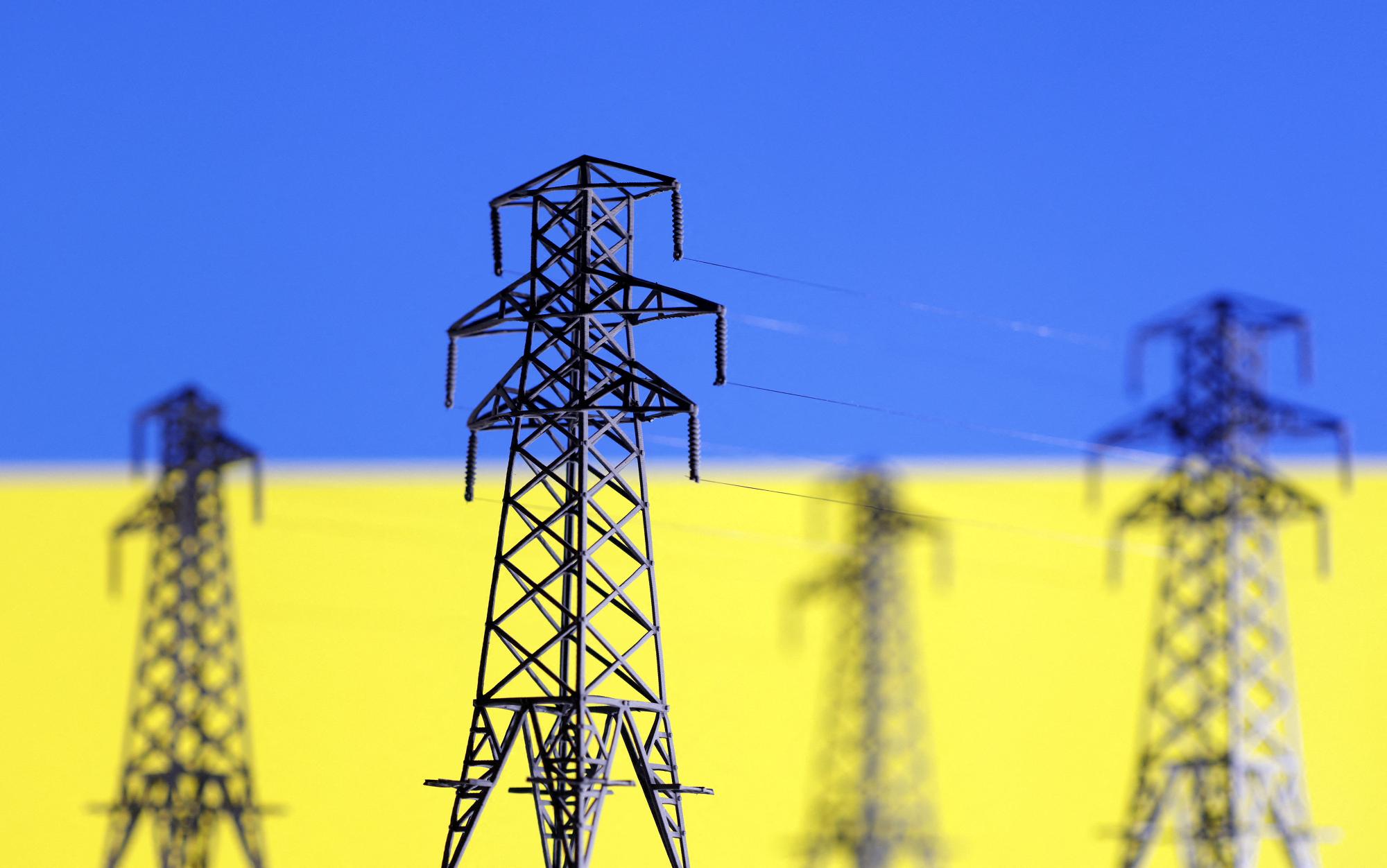
KYIV, May 9 (Reuters) - Ukraine plans to double electricity imports on Thursday after a powerful Russian attack on Ukraine's energy system, the energy ministry said. The imports are expected to rise to 16,699 megawatt hours (Mwh) versus 7,600 Mwh on Wednesday, the ministry said on the Telegram messaging app. The planned imports are close to the record high of 18,649 Mwh, which was recorded at the end of March after the first wave of Russian attacks on the Ukrainian energy sector. Since late March, the Ukrainian energy sector has been the target of several massive Russian missile and drone attacks, causing blackouts in many regions and raising the issue of decentralisation of generating capacity. The state-run energy company Ukrhydroenergo said on Thursday that its two hydropower plants were severely damaged earlier this week and were no longer in operation after Russian bombardments. "As of today all hydro generation has suffered devastating damage," it said in a statement on the Telegram messaging app, adding that significant financial resources and efforts would be required to repair the damage and restore the plants' operations. Ukraine operated 10 hydro power plants prior to the Russian invasion in 2022, which produced about 10% of all Ukrainian electricity. In 2023, Russian forces blew up the Kakhovska hydropower plant and after latest attacks only seven plants are operating at significantly reduced capacity. Ukrainian officials have said the country had also lost about 80% of its thermal power generation and now Ukraine has to rely increasingly on its three nuclear power plants, which produce about 60% of its electricity. Thermal and hydro-electric power generation are needed to keep the levels of supply and consumption balanced during peak hours of energy consumption in the morning and evening. EMERGENCY HELP "Today, at Ukraine's request, emergency electricity supplies have already been made from Poland, Romania and Slovakia," the ministry said. Emergency assistance will also be provided during evening peak hours of electricity consumption, it noted. Ukrainian power grid operator Ukrenergo said in a separate statement it expected a significant deficit of electricity for almost the entire day. "Industrial consumption will be limited from 18:00 to 24:00. With an increase in consumption, emergency shutdowns are possible," Ukrenergo said. The company previously said that its distribution substations were repeatedly attacked and German minister for economic cooperation Svenja Schulze, visiting Kyiv on Thursday, said Berlin had allocated a 45 million euro grant for Ukrenergo. "This package is very flexible," Schulze told reporters. "With this package Ukraine is able to repair, to secure, to modernise transmission lines and substations." Ukraine, a net power exporter before the Russian invasion in 2022, sharply increased imports of electricity and halted exports after a series attacks on the energy system in late March, April and May. Sign up here. https://www.reuters.com/world/europe/ukraine-double-power-imports-thursday-after-russian-attacks-ministry-says-2024-05-09/
2024-05-09 12:33
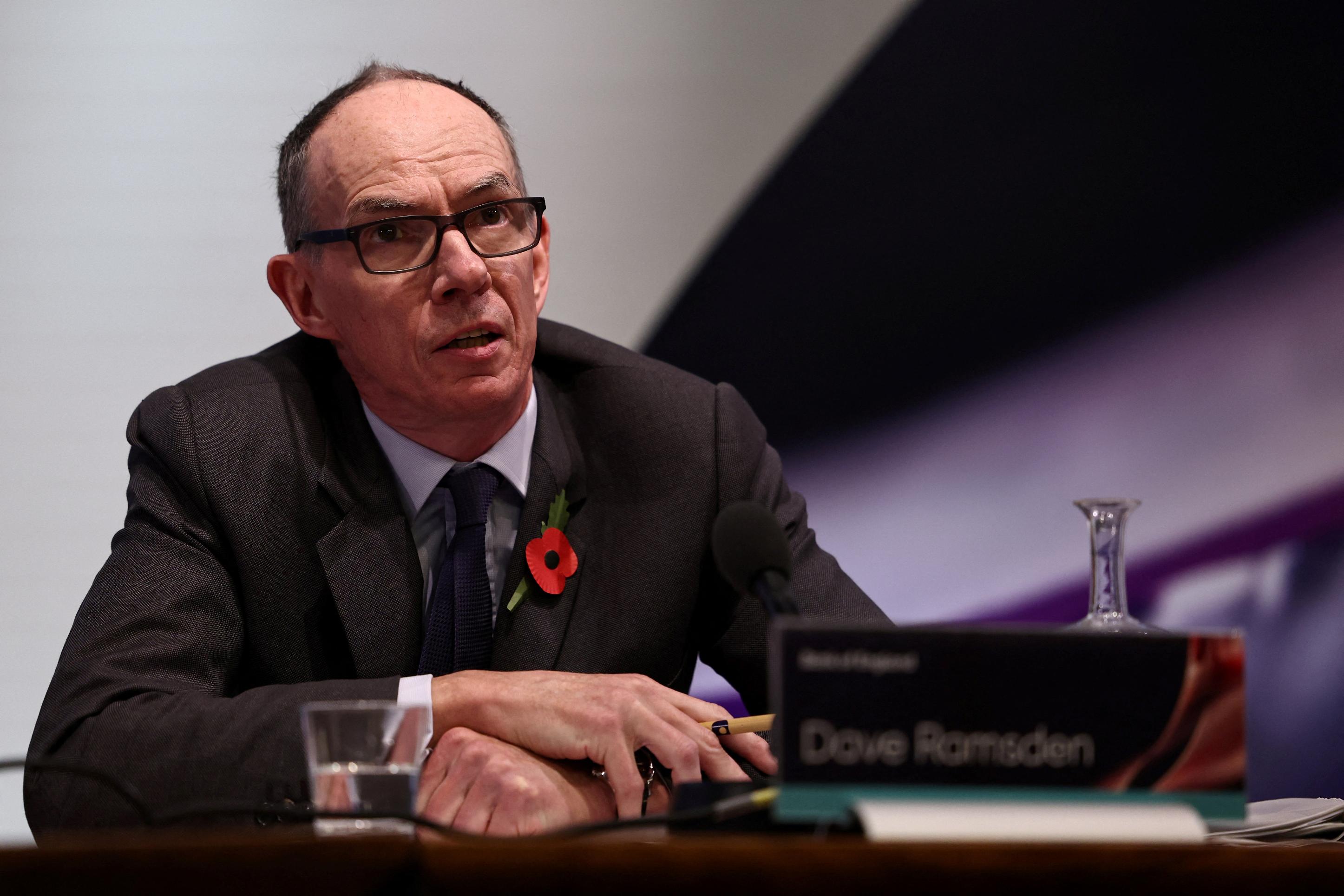
May 9 (Reuters) - Soaring demand from banks for liquidity from Bank of England market operations is not a surprise while the central bank engages in its quantitative tightening programme, Deputy Governor Dave Ramsden said on Thursday. Last week the BoE lent more than 12 billion pounds of one-week funds through its Short-Term Repo (STR) operation, launched in October 2022 to ensure banks can retain access to central bank reserves while it reduces the size of its balance sheet. "There's always going to be stuff happening in the repo market, but the STR is doing its job," Ramsden told reporters at a news conference after the BoE's May interest rate meeting. "We're not seeing some ratcheting up more in (money market) rates that might make you think 'Oh right, so reserves are becoming a bit scarce'." Sign up here. https://www.reuters.com/world/uk/boes-ramsden-says-rising-demand-liquidity-during-qt-is-no-surprise-2024-05-09/
2024-05-09 12:30
BUENOS AIRES, May 9 (Reuters) - Argentine unions launched a huge general strike on Thursday against painful austerity measures and planned reforms by new libertarian President Javier Milei, whose cost-driving has stabilized local markets but hammered the real economy. The South American country saw public transport, the important grains crushing sector, supermarkets, airports and banks grind to a halt for 24 hours as most of the major unions joined the protest action against the government. Milei, an economist and former media pundit, won a shock election last year pledging to fix with a "chainsaw" an economic crisis that snowballed under previous governments, leading to depleted reserves and triple-digit inflation. Many in Argentina still back his plans after so many years of turmoil. However, his pro-market stance and tough austerity medicine have hurt people's real salaries, pushed up already high poverty levels and seen economic activity tank at the start of the year. Hugo Yasky, secretary general of the major CTA union, posted on X that the strike was against "a government that only benefits the rich at the expense of the people, gives away natural resources and seeks to eliminate workers' rights." The action is a test for Milei's government. It is looking to push a broad reform package, including divisive labor reforms, through the Senate after getting approval in the lower house despite only having a small minority in Congress. The strike has seen flights suspended, ports paralyzed, and schools and universities with minimal functions. Markets will have reduced activity on Thursday, as banks will remain closed because their employees will go on strike. "It is a strike that has no reason or apparent justification," presidential spokesman Manuel Adorni said at a press conference a day ahead of the action, adding some seven million people will be affected by the lack of transport. Sign up here. https://www.reuters.com/world/americas/argentine-workers-launch-general-strike-against-milei-reforms-austerity-2024-05-09/