



like_count_tpl like_count_text_tpl
like_tooltip_tpl
comment_count_tpl comment_count_text_tpl
comment_tooltip_tpl
Forex trading idea
Will big US corn, soy carryouts get bigger if stocks are bearish on Thursday?
NAPERVILLE, Illinois, March 27 (Reuters) - Thursday’s stocks and acres reports from the U.S. Department of Agriculture always present volatility risks for grain markets since the outcomes are often unpredictable.
Chicago corn and soybean prices have moved considerably lower over the last few months with swelling U.S. supplies, so the fear is that stocks and/or acres, if excessively large, will reduce chances for price rallies into spring planting.
Chicago futures on this report day tend to follow the trade bias in planted acres instead of stocks, unless the stock miss is huge. For soybeans, bearish March 1 U.S. stocks do not often translate to carryout growth on the full-year balance sheet, but that is usually the case for corn.
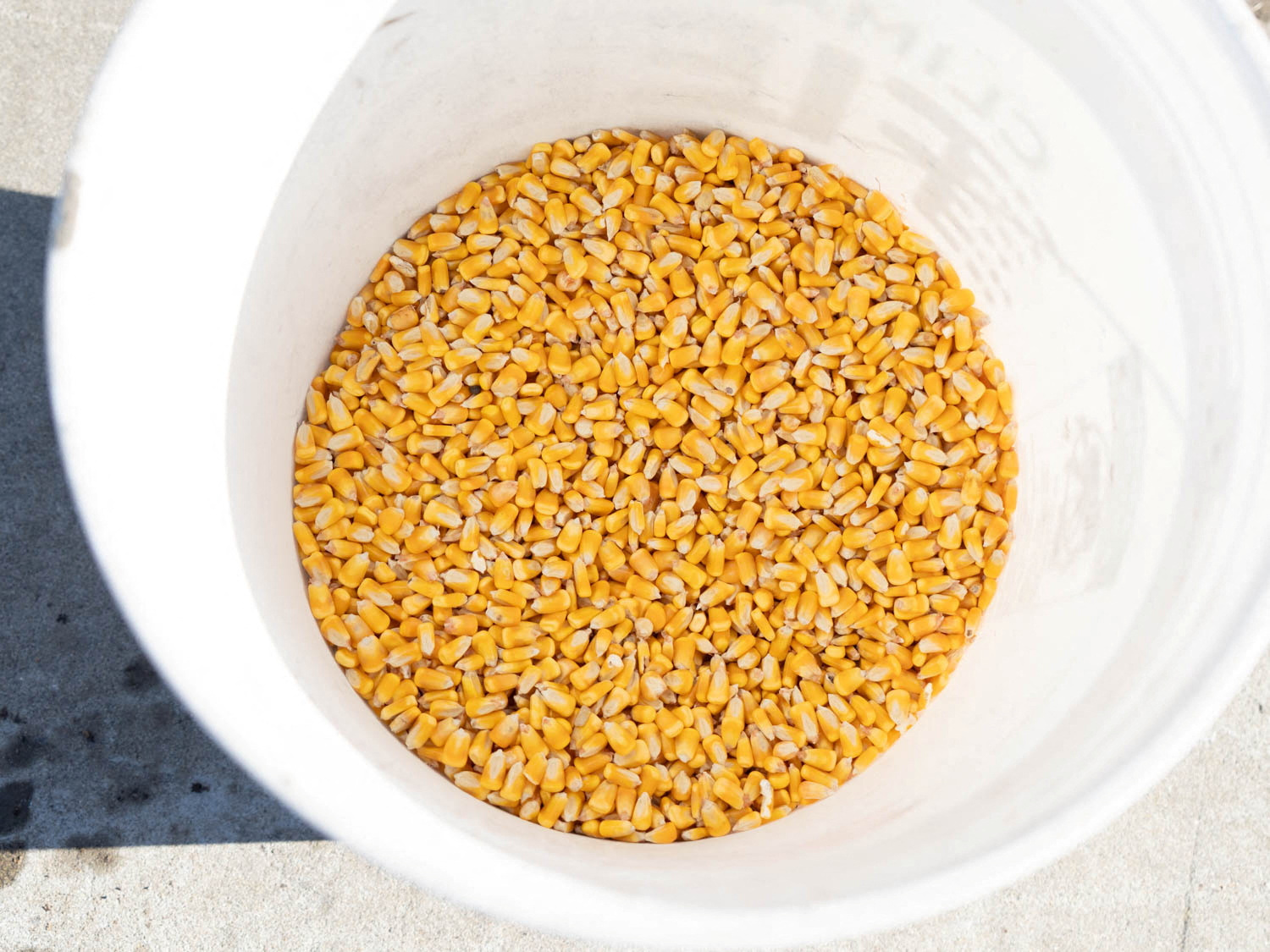
On average, analysts peg March 1 U.S. corn stocks at 8.427 billion bushels, up 14% from last year to a five-year high for the date. Soybean stocks are seen at 1.828 billion bushels, up 8.4% on the year to a two-year high.
March 1 soybean stocks were firmly above trade guesses (bearish) eight times in the last 19 years, but USDA’s ending stock projection rose from March to April only twice in those eight years.
However, of the seven solidly bearish March 1 corn stocks results, USDA’s April estimate of U.S. corn ending stocks was higher than in March in six of those years.
These trends suggest that perhaps USDA itself learns more about corn disappearance versus that of soybeans following its March 1 stocks survey, and just because the trade might greatly underestimate March 1 soy stocks, that does not mean the USDA was previously off track.
March 1 corn stock estimates imply second quarter (Q2, December-February) usage up 9.5% on the year to a two-year Q2 high, though soybean usage during the period is pegged down 12.2% from a year ago to a four-year low.
Preliminary export data suggests Q2 corn exports up 38% on the year but soybeans down 28%. Corn-based ethanol production was about 4.8% better than Q2 last year and soybean processing among National Oilseed Processors Association members was up 8.7%.
March 1 marks the halfway point of the 2023-24 U.S. corn and soybean marketing year, and USDA projects those ending stocks up 60% and 19% on the year, respectively. Usage is not even throughout the year, so Q2 disappearance may not be proportional to the year-end assumptions.
BIASES AND PRICE TRENDS
Last year, the trade broke a six-year streak of underestimating March 1 soybean stocks. Interestingly, that followed a bullish soy stocks outcome for Dec. 1, 2022, which broke a four-year streak of bearish Dec. 1 outcomes. Dec. 1, 2023 stocks were slightly bigger than analysts expected (bearish).

Analysts are on a four-year streak of overestimating March 1 corn stocks, as the last bearish outcome was in 2019. That was also the last time CBOT corn futures suffered a dramatic fall on this report day, which resulted in fresh contract lows.

Large speculators had inked record-large short bets in CBOT corn futures and options in March 2019 but covered some into the report. However, corn acres and stocks were bearish that year, and funds pushed to another record short in April before poor U.S. planting weather forced them to cover.
March 1 wheat stocks are seen at 1.044 billion bushels, up 11% on the year to a three-year high. The trade biases on March 1 wheat stocks are completely mixed over the last few years.
Karen Braun is a market analyst for Reuters. Views expressed above are her own.
Get a look at the day ahead in U.S. and global markets with the Morning Bid U.S. newsletter. Sign up here.
https://www.reuters.com/markets/commodities/will-big-us-corn-soy-carryouts-get-bigger-if-stocks-are-bearish-thursday-2024-03-28/

