2025-03-14 10:55
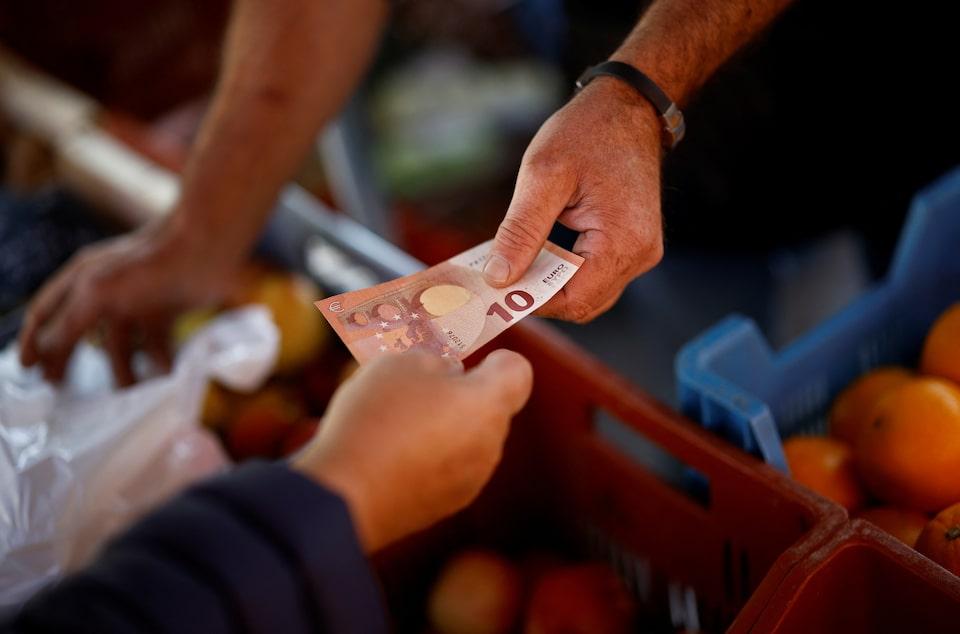
March 14 (Reuters) - The week ahead is crammed with central bank decisions, first and foremost the U.S. Federal Reserve, but much of the action that whiplashed markets at breakneck speed happen on the political stage - and there's little sense that this will change. Here's all you need to know about the week ahead in world markets from Lewis Krauskopf in New York, Kevin Buckland in Tokyo and Dhara Ranasinghe, Alun John and Karin Strohecker in London. Sign up here. 1/ NEW WORLD ORDER World markets - and policymakers, corporates and consumers - have been left reeling as a new world order brings upheaval. Donald Trump's ditching of decades of U.S. foreign policy positions has shocked allies, a tariff policy targeting friends and foes alike could leave a lasting impact on trade. Some fear a "tri-partite" carve up of the world between the Washington, Moscow and Beijing is next. Germany's likely next leader Friedrich Merz reckons it's "five minutes to midnight" for Europe, warning a hostile Russia and unreliable U.S. could leave Europe exposed. Its parliament votes on Tuesday on a fiscal bonanza partly to increase defence spending. Meanwhile, Trump's push to get a Ukraine-Russia ceasefire over the line is intensifying. JPMorgan's chief economist warns lasting damage to the U.S's standing as an investment destination is at risk if Trump undermines trust in governance. Watch how that Wall Street selloff unfolds. 2/ FED AHEAD With markets becoming increasingly rickety, the upcoming Fed meeting will be all about whether the central bank is open to resuming its interest-rate cutting cycle in the coming months. Policy makers are expected to hold rates steady on Wednesday, so investors will focus on any guidance about when the next cut might be. Fed fund futures indicate June could be the moment, with nearly three cuts baked in through 2025. Bets have been rising with growing concerns about the outlook for economic growth exacerbated by uncertainty stemming from Trump's tariff war. The case for easing got a little stronger thanks to the latest tame consumer price index. But the Fed is also juggling the potential impact on inflation from new import tariffs, causing widespread uncertainty among businesses and consumers. 3/AND THERE'S MORE In case you didn't have enough central bank excitement, the Bank of England, Swiss National Bank, and Sweden's Riksbank are also all up. Markets expect the Riksbank to hold rates steady on Thursday - notable as it will likely mark the end of the easing cycle in Sweden which has been among the most aggressive of developed market central banks. The BoE is set to hold as well, but that's probably a breather before more easing later in the year, with much focus on the vote split between hawks and doves. It's a different story in dovish Switzerland. The SNB - already having the lowest rates in the G10 - is expected to cut its benchmark rate to just 0.25%, potentially fuelling more questions about whether policy makers would go back into negative territory, but that's not traders' current expectation. 4/ GIRDING FOR A HIKE Meanwhile, conditions are falling into place for the Bank of Japan to raise interest rates again - just maybe not quite yet. BOJ Governor Kazuo Ueda set the tone with hawkish comments in parliament on Thursday, predicting a steady rise in wages will transform into increased consumer spending. Japan's heavyweight unions look set to get average pay increases of about 6% again in this year's spring negotiations, one just struck a deal for an average rise of just over 5%. Sources say a hike could be under serious discussion as soon as the April/May gathering, though the majority of economists see July as most likely. Meanwhile in the background is an intractable rise in superlong JGB yields over the past week to the highest since 2006. 5/ INFLATION STATIONS Fighting inflation remains the name of the game for almost all emerging central banks, with a number of meetings ahead. On a tightening push after frontrunning the Fed and other developed peers in recent years, Brazil is all but certain to deliver another 100 bps hike on Wednesday, which could take rates to a more than eight year high of 14.25%. South Africa's policy makers, deciding on rates on Thursday, face a challenging mix of U.S. tensions and domestic political disputes that have stymied efforts to get the country's budget over the line. Most economists expect the SARB to hold, though the direction of travel will be for lower rates. Meanwhile Russia's central bank will publish its latest interest rate decision on Friday. https://www.reuters.com/business/take-five/global-markets-themes-graphic-2025-03-14/
2025-03-14 08:40
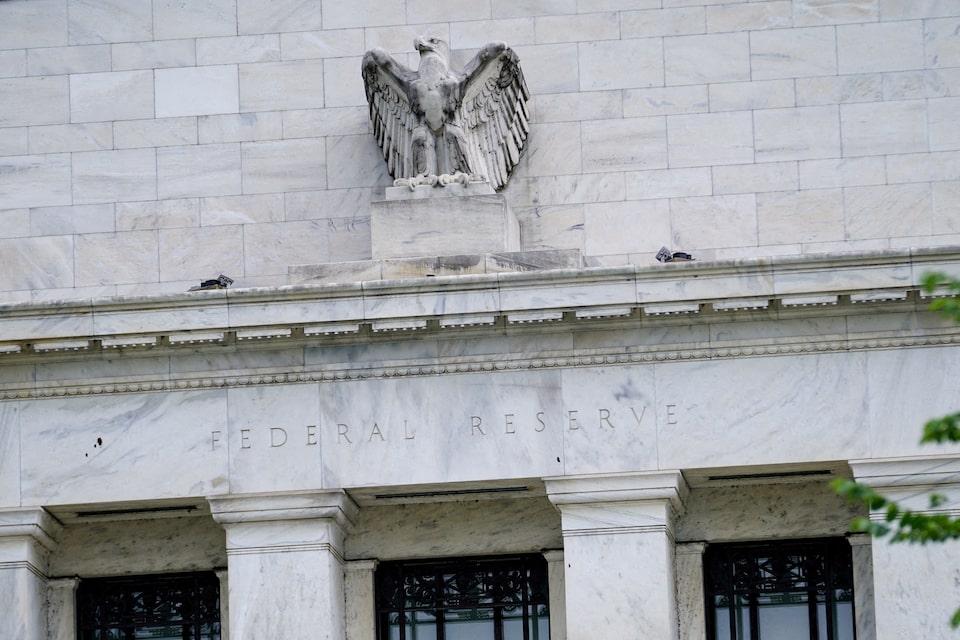
NAIROBI, March 14 (Reuters) - The Kenyan shilling was broadly steady in early trade on Friday, data from London Stock Exchange Group (LSEG) showed. At 0837 GMT commercial banks quoted the shilling at 129.25/129.75, compared to Thursday's close of 129.25/129.65 Sign up here. https://www.reuters.com/markets/currencies/kenyan-shilling-broadly-steady-lseg-data-shows-2025-03-14/
2025-03-14 08:03
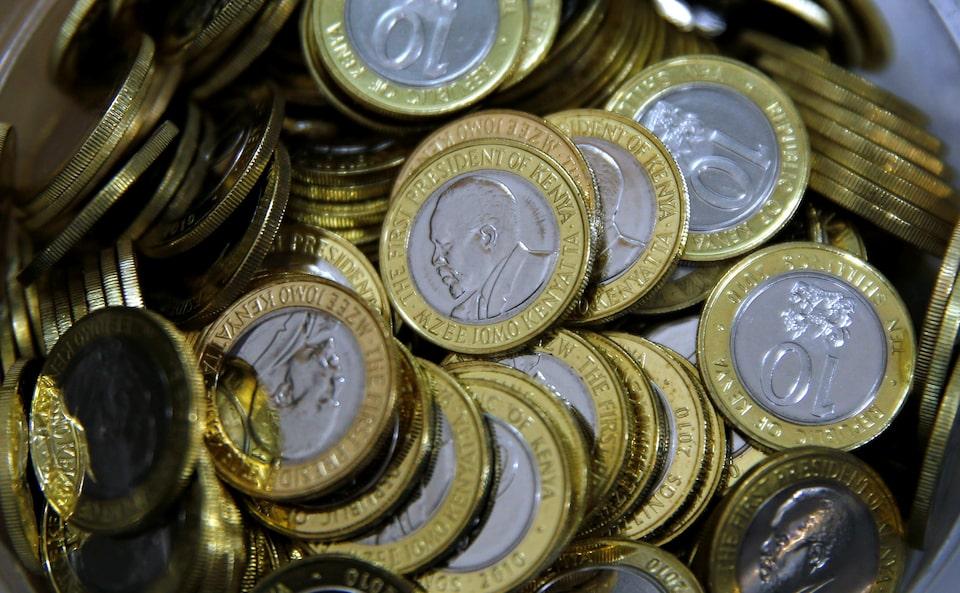
Putin suggests changes to US ceasefire idea for Ukraine IEA says supply to exceed demand by 600,000 bpd in 2025 US oil rig count up one this week, Baker Hughes says NEW YORK, March 14 (Reuters) - Oil prices rebounded by 1% on Friday to end the week nearly unchanged as investors weighed the diminishing prospects of a quick end to the Ukraine war that could bring back more Russian energy supplies to Western markets. Brent crude futures settled 70 cents, or 1%, higher at $70.58 a barrel, after falling 1.5% in the previous session. U.S. West Texas Intermediate crude (WTI) closed at $67.18 a barrel, up 63 cents, or 1%, after losing 1.7% on Thursday. Sign up here. Both benchmarks ended the week little changed from last Friday, when Brent settled at $70.36 and WTI at $67.04. "Brent oil has hovered around the $70 mark for the past two weeks. Whether it will remain at this level in the coming week depends on the political news situation," Commerzbank analysts said in a note. Russian President Vladimir Putin said on Thursday that Moscow supported a U.S. proposal for a ceasefire in Ukraine in principle, but sought a number of clarifications and conditions that appeared to rule out a quick end to the fighting. "If the prospect for a ceasefire continues to be pushed into the future, the market would expect Russian oil to be under sanctions for an extended period of time," said Andrew Lipow, president of Houston-based Lipow Oil Associates. On Friday, Trump again urged Russia to agree to a ceasefire proposal, saying on his private social media platform that he would extract the U.S. from what he called a "real 'mess' with Russia". The Trump administration had said a licence allowing energy transactions with Russian financial institutions expired this week. Chinese state firms are also curbing Russian oil imports on sanctions risks, sources told Reuters. China and Russia stood by Iran after the U.S. demanded nuclear talks with Tehran, with senior Chinese and Russian diplomats saying dialogue should only resume based on "mutual respect" and all sanctions ought to be lifted. "Most price projections were to the downside in the short term, but geopolitical tension could still cause supply disruptions," ANZ analysts said in a note to clients. The International Energy Agency warned on Thursday that global oil supply could exceed demand by around 600,000 barrels per day this year, due to growth led by the U.S. and weaker-than-expected global demand. Unstable macroeconomic conditions caused by escalating trade tensions between the U.S. and other nations prompted the IEA to cut its demand growth estimates for the last quarter of 2024 and the first quarter of this year. "High risks on the demand side and increasing supply from OPEC+ argue against a sustained recovery in oil prices," Commerzbank analysts said. In the U.S., the number of oil rigs edged up by one this week, services company Baker Hughes (BKR.O) , opens new tab said. https://www.reuters.com/markets/commodities/oil-bounces-ukraine-ceasefire-deal-remains-elusive-2025-03-14/
2025-03-14 07:55
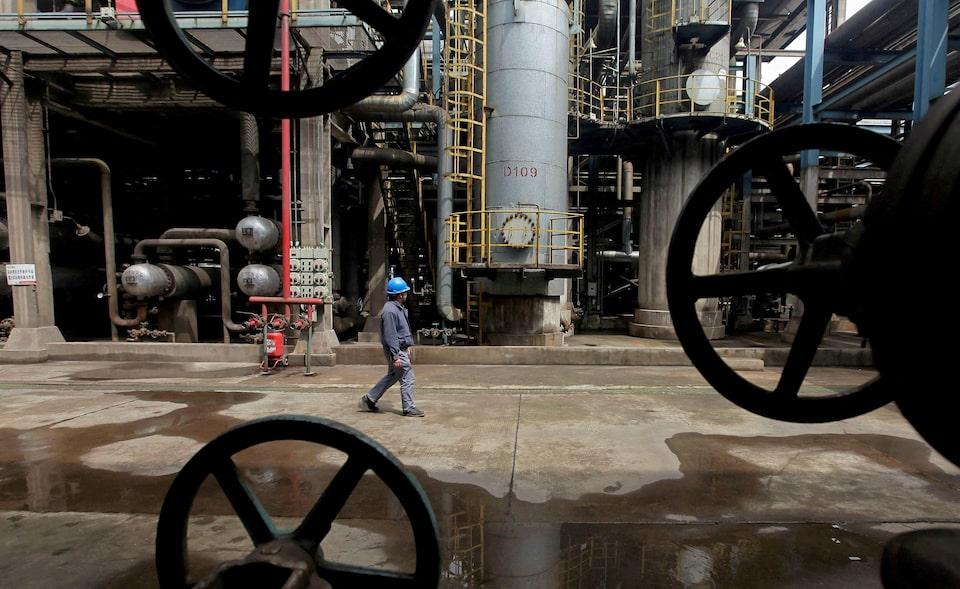
KYIV, March 14 (Reuters) - Ukrainian drones struck gas compressor stations in Russia's Tambov and Saratov regions, a source in Ukraine's SBU security service told Reuters on Friday. Video from the site showed the drones striking the industrial equipment and powerful explosions, according to the source. Sign up here. The Ukrainian drones also struck a field depot for S-300/S-400 missiles in Russia's Belgorod region, detonating ammunition, the source added. https://www.reuters.com/world/europe/ukrainian-drones-struck-two-russian-gas-compressor-stations-sbu-official-tells-2025-03-14/

2025-03-14 07:52
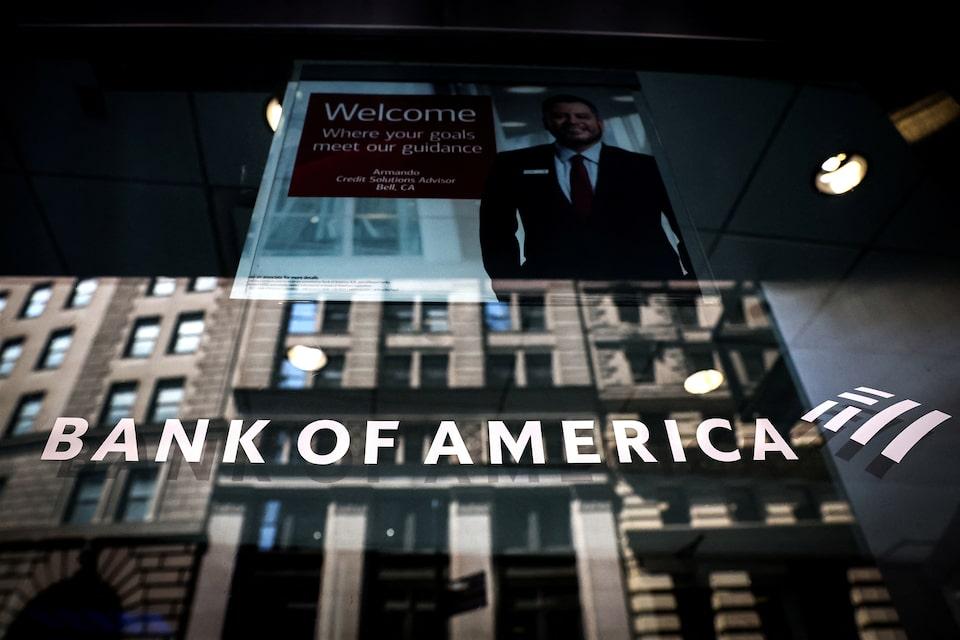
LONDON, March 14 (Reuters) - Investors pulled $2.8 billion from stock funds in the week to Wednesday in the biggest weekly outflow this year, Bank of America said on Friday, in a sign of a souring of the mood in global financial markets. The U.S. S&P 500 (.SPX) , opens new tab stock index has now fallen more than 10% from its recent high, putting it into correction territory, as U.S. President Donald Trump's stop-start trade wars sow uncertainty among companies and investors. Sign up here. U.S. government bond funds received the biggest weekly inflow since August at $6.4 billion, BofA said in its weekly note tracking flows in and out of world markets citing figures from data provider EPFR. BofA said this was a sign of a "risk-off" mood. Investors pulled $2.8 billion from U.S. stock funds in particular but put $5 billion into European equities. Real estate stocks suffered the biggest outflow since May 2022 at $1.2 billion, while high yield bond funds saw the biggest outflow in 12 weeks at $2.3 billion. However, BofA's analysts said the move out of stocks had yet to unwind much of the $156 billion of inflows into global equity funds so far this year. https://www.reuters.com/markets/us/stocks-suffer-biggest-weekly-outflow-this-year-risk-off-move-bofa-says-2025-03-14/
2025-03-14 07:51
March 14 (Reuters) - Consumer prices in France were up 0.9% year-on-year in February, statistics office INSEE said on Friday, in line with analysts' expectations and the preliminary reading. Analysts in a Reuters poll had expected an EU-harmonised inflation figure of 0.9% on average in February. Sign up here. https://www.reuters.com/markets/europe/french-consumer-inflation-confirmed-09-yy-february-2025-03-14/