2025-03-03 07:25
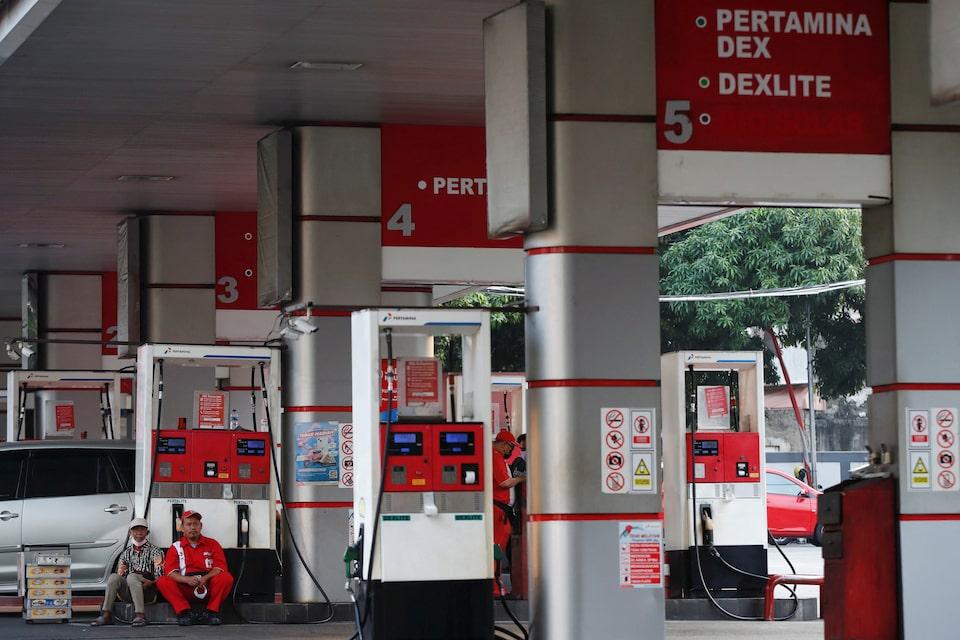
SINGAPORE, March 3 (Reuters) - Iron ore futures fell for a sixth straight session on Monday amid rising trade tensions between the U.S. and top consumer China, outweighing upbeat Chinese manufacturing data. The most-traded May iron ore contract on China's Dalian Commodity Exchange (DCE) ended daytime trade 2.81% lower at 779.5 yuan ($106.91) a metric ton. Earlier in the session, prices hit 777.5 yuan, the lowest since January 14. The benchmark April iron ore on the Singapore Exchange shed 2.53% to $99.85 a ton. U.S. Treasury Secretary Scott Bessent said on Friday that Mexico has proposed matching U.S. tariffs on China after U.S. President Donald Trump vowed another 10% tariffs on Chinese imports last week. Trump also announced plans to impose 25% tariffs on all steel and aluminium imports from March 4, stirring a new wave of trade frictions against Chinese steel. Also weighing on iron ore prices were resumed market talks of China's possible plans of slashing crude steel output by 50 million tons in 2025. China's state planner and the state-backed China Iron and Steel Association did not respond to Reuters' request for comment. Still, China's factory activity grew at a faster pace in February, driven by stronger supply and demand and a rebound in export orders, a private-sector survey showed on Monday. The positive trend in the survey aligned with the official PMI data released on Saturday, which showed February's manufacturing activity expanding at the fastest pace in three months. The reading should reassure officials that stimulus measures launched last year are helping the economy recover amid sluggish demand and a struggling property sector. Other steelmaking ingredients on the DCE gained ground, with coking coal and coke rising 0.96% and 0.24%, respectively. Steel benchmarks on the Shanghai Futures Exchange traded sideways. Rebar ticked down 0.66%, stainless steel edged up 0.04%, wire rod lost around 0.1%, while hot-rolled coil traded flat. ($1 = 7.2911 Chinese yuan) Sign up here. https://www.reuters.com/markets/commodities/iron-ore-more-than-6-week-low-mounting-us-tariff-tensions-2025-03-03/
2025-03-03 07:20
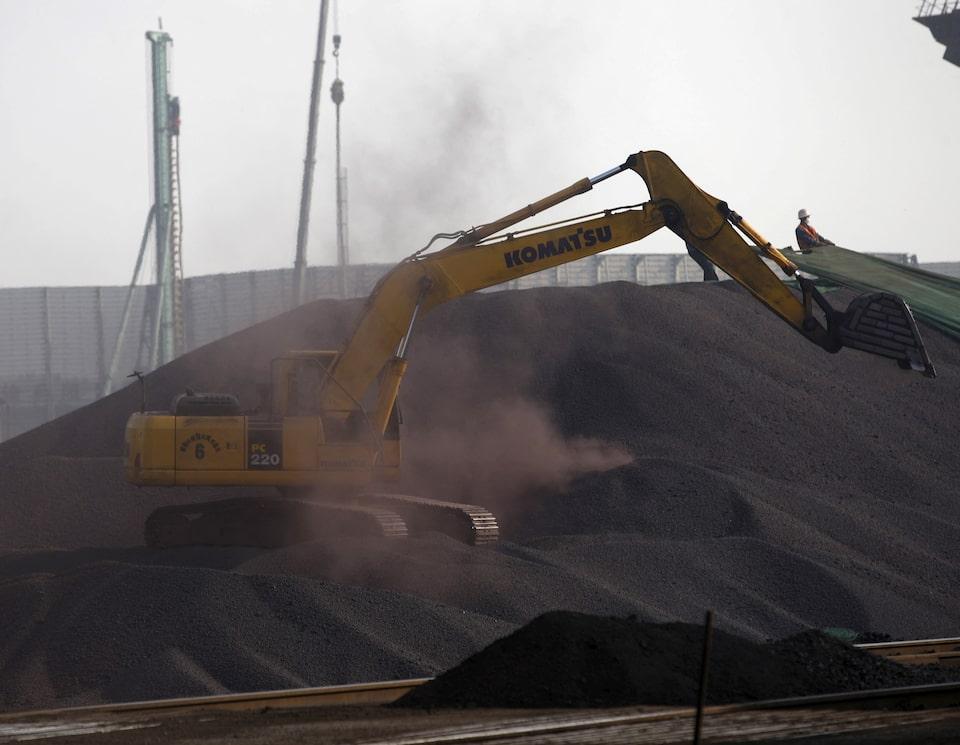
BEIJING, March 3 (Reuters) - Chinese imports of U.S. farm goods, which have declined sharply since the Washington-Beijing trade war during President Donald Trump's first term, are expected to drop further as Beijing prepares retaliatory measures against fresh U.S. tariffs. Trump has threatened an additional 10% duty on Chinese imports which are set to take effect on Tuesday, resulting in a cumulative 20% tariff on products shipped from the world's second largest economy. State media Global Times on Monday said Beijing's countermeasures will likely include both tariffs and non-tariff measures, with U.S agriculture and food products most likely to be hit. Following are key details on China's import of U.S agricultural commodities and how the trade has evolved: 'IRREPLACEABLE' MARKET China imported $29.25 billion worth of U.S. agricultural products in 2024, a 14% decline from the previous year, extending a 20% drop in 2023. U.S. exports to China have declined since 2018 after Beijing slapped tariffs of up to 25% on soybeans, beef, pork, wheat, corn and sorghum in retaliation for duties on Chinese goods imposed by Trump. Since 2018, Beijing has also diversified its agricultural imports and boosted domestic production in pursuit of greater food security. Nonetheless, China remains the largest export market for American farmers. U.S. farm leaders and traders have described China as "irreplaceable" even as they look for other markets to offset declining Chinese demand. SOYBEANS About half of U.S. soybeans, the country's largest agricultural export to China, were shipped to the Asian nation in 2024, totalling $12.8 billion in trade, according to the U.S. Census Bureau. However, China has increasingly relied on cheaper and abundant Brazilian soybeans to reduce its dependence on U.S. supplies. This has resulted in the U.S. market share in China dropping to 21% in 2024 from 40% in 2016, according to Chinese customs data. CORN The U.S. was China's dominant corn supplier for decades until Beijing approved Brazilian purchases in 2022. China's imports of U.S. corn plummeted to $561 million in 2024 from $2.6 billion in 2023 as domestic production increased, according to Chinese customs data. While China's corn demand has grown over the past decade to support its massive livestock industry, Brazil has rapidly surpassed the U.S. as China's leading supplier. MEAT AND OFFAL China is a key market for U.S. exports of chicken legs, pork ears and offal - products for which there is little demand in the United States. China bought $2.54 billion of meat and offal from the U.S. in 2024, down from $4.11 billion in 2021. COTTON China accounts for about a quarter of U.S cotton shipments in value. Shipments of U.S cotton into the world's second largest economy stood at $1.49 billion in 2024, down from $1.57 billion in 2023, according to U.S Census Bureau data, as economic headwinds squeezed demand for textiles and garments. SORGHUM China's imports of U.S. sorghum have risen slightly but the country is trying to reduce its dependence on the American feed grain which is mostly used as a corn substitute. China imported $1.73 billion worth of sorghum from the U.S in 2024, up from $1.52 billion in 2014. U.S sorghum exports to China are facing stiff competition from Australia and Argentina as well as cheaper Brazilian corn. WHEAT China imported nearly $600 million worth of U.S wheat in 2024, the highest in three years. But China has reduced overall wheat imports in recent months amid ample local supplies which is likely to impact U.S. shipments. Sign up here. https://www.reuters.com/markets/commodities/us-farm-exports-china-risk-trumps-tariff-threat-2024-11-07/
2025-03-03 07:03
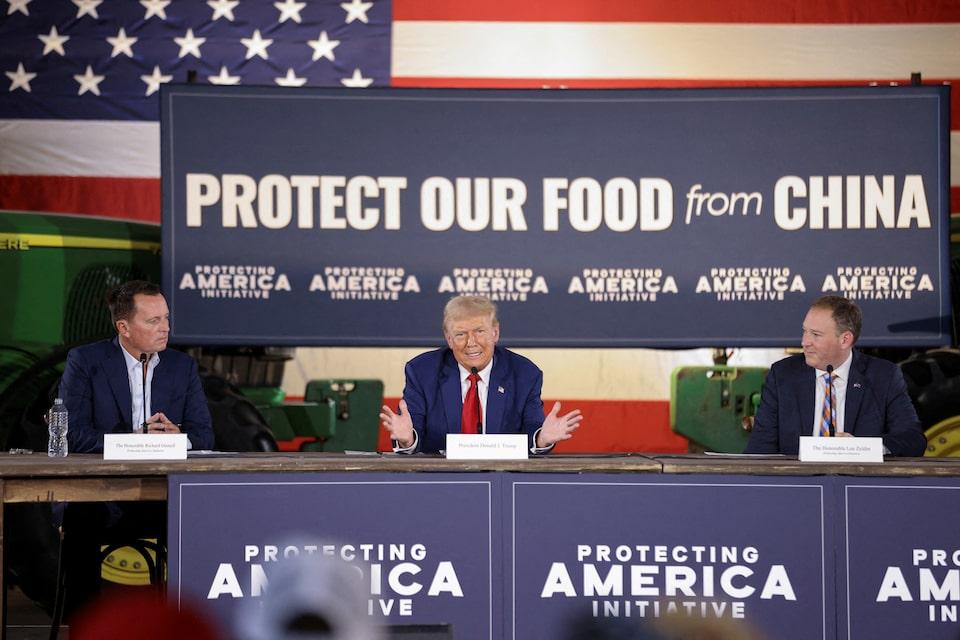
ZURICH, March 3 (Reuters) - The Swiss National Bank posted a record annual profit of 80.7 billion Swiss francs ($89.50 billion) in 2024, the central bank said on Monday, riding on the back of booming equity markets, rising gold prices and a stronger U.S. dollar. The bank, which easily beat its previous record of 54 billion francs in 2017, saw a sharp turnaround from its 2023 loss of 3.2 billion, and slightly bettered January's provisional expectations for full-year profit of about 80 billion francs. During 2024 the SNB made a profit of 67.3 billion francs from its positions in foreign currency bonds and equities, as well as a valuation gain of 21.2 billion from gold holdings. The performance means the SNB can pay out to the Swiss central and regional governments for the first time since 2021, along with a dividend to shareholders. Net profit came to 15.9 billion francs, the SNB said, after factoring in its negative distribution reserve of 53.2 billion francs. That would allow a dividend payment of 15 francs a share and profit distribution to the federal government and cantons worth 3 billion francs. A third goes to the central government and two-thirds to the cantons, the SNB said. However, it was too early to say how the SNB would perform in 2025, said UBS economist Alessandro Bee, as much depended on the policy of the new U.S. administration. "In a benign scenario, equities have further upside potential from which the SNB would also benefit," he said. "In case of a trade war, with lower equity prices, higher inflation and higher interest rate, the financial result of the SNB would be adversely affected." ($1=0.9017 Swiss francs) Sign up here. https://www.reuters.com/business/finance/swiss-central-bank-posts-profit-807-billion-swiss-francs-2024-2025-03-03/

2025-03-03 06:49
March 3 (Reuters) - A fire doused on Monday after burning for hours overnight was sparked by technical issues at the Ufimsky oil refinery in the Russian city of Ufa, authorities said on Monday, but gave no further details. The Bashneft-owned refinery, about 1,500 km (932 miles) east of the border with Ukraine, has capacity of 168,000 barrels per day, LSEG data shows, with Russian media saying its oil supply comes mainly from surrounding Bashkiria and western Siberia. "The fire is related to technical issues," the region's emergency ministry said on the Telegram messaging app, citing initial findings. The fire broke out near a furnace, it added. Bashneft's press service told the Interfax news agency that the fire did not affect the main production facilities. Earlier, the emergency ministry said no excess of harmful substances was recorded in the air near the refinery. About 100 firefighters helped battle the fire, which was finally put out at about 8 a.m. (0500 GMT) Interfax said. Several Russian channels on Telegram, including the SHOT Telegram, said the fire followed an explosion at the refinery, but Reuters could not independently verify the reports. There were no overnight reports of a drone attack on Bashkiria, sandwiched between the Volga river and the Ural mountains. The Russian defence ministry said its air defence units downed seven Ukrainian drones overnight over Russia, but Bashkiria did not figure on its list. The ministry gives only a tally of destroyed drones, not the number launched. There was no immediate comment from Ukraine. Its forces have systematically targeted Russian energy infrastructure to try to disrupt Russia's economy and the ability to fund the war in Ukraine. Sign up here. https://www.reuters.com/world/europe/russia-reins-oil-refinery-fire-ufa-ria-says-2025-03-03/

2025-03-03 06:15
LITTLETON, Colorado, March 3 (Reuters) - Australians are set for a general election within the next two months that will likely trigger substantial changes to national energy policies and priorities regardless of who wins. The incumbent Labor party is facing backlash against its renewables-heavy and anti-nuclear policies, and has been blamed for high and volatile energy costs that have prevailed since the party won power in 2022. Labor is largely tied in polls with its main rival the centre-right Coalition party, which has a starkly different energy agenda that centres on reversing a current ban on nuclear power and extending the life of ageing coal plants. While voters and investors await more specifics on the planned policies of both parties, below are key power and energy sector trends that may be impacted by whomever forms the new government. CLEAN MOMENTUM The Labor party has been a strong supporter of clean power growth, and has published plans to make Australia net zero by 2050 through major investments in expanding renewables output. Between 2021 - the last year the previous Liberal government was in power - and 2024, clean electricity output in Australia jumped by 30%, while fossil fuel generation dropped by 5%, according to data from energy think tank Ember. A 66% surge in utility-scale solar output alongside a 20% rise in wind output were the main drivers of the clean power growth since 2021, and further investments in clean generation and battery storage are likely should Labor retain power. Expansions to Australia's clean power production were also made during previous administrations, and total clean electricity supplies have grown by an average of 13% a year since 2015. Steady cuts to coal-fired power have also been made under Labor's tenure, with coal's share of Australia's generation mix dropping to below 50% for the first time in late 2024. FOSSIL CUTS SLOW TOTAL GROWTH While clean generation has steadily climbed over the past decade, Australia's electricity production from fossil fuels has contracted by around 2% a year since 2015, Ember data shows. As fossil fuels account for two-thirds of overall generation in Australia, these cuts to fossil output have constrained the growth pace of total electricity production to an average of just 1% a year since 2020. This anaemic expansion rate of total electricity supplies likely supported the rise in electricity prices across Australia in recent years, and somewhat offset the impact of higher clean power output. Due to sustained increases in annual electricity consumption, electricity prices are likely to remain high and volatile for the foreseeable future, regardless of who wins the upcoming election. A Coalition party win could result in support for fossil fuel-fired power plants to raise production slightly, but there is limited scope for a sustained production increase given the country's already-strained and ageing coal power fleet. Over the longer run, a Coalition win could also trigger more serious discussions over developing a nuclear power fleet, but any start to nuclear electricity supplies would likely not be seen until beyond 2030. ENDURING EXPORT IMPACT While the upcoming election may alter domestic power generation trends depending on which party wins, Australia's stature on the global fossil fuel export stage will likely remain unchanged. Australia's mammoth reserves of both coal and natural gas far exceed the amount the country consumes for power generation, and has resulted in Australia becoming a top five exporter of both commodities. In 2023, Australia exported nearly six times more coal than it consumed, and nearly three times more natural gas in the form of liquefied natural gas, data from the Energy Institute shows. The export volumes shipped out by Australia captured a roughly 27% share of global coal exports and a 20% share of global LNG exports in 2024, according to Kpler. These hefty export tonnages have long been a source of criticism for Australia, as when burned for power the exported fuels generate vast plumes of emissions in importer nations. Indeed, the emissions tolls attached to Australian fossil fuel exports are so large that the country is the third largest carbon dioxide emitter per capita after Qatar and Saudi Arabia, according to the Global Carbon Budget. Australian governments have so far shrugged off accusations that the country's fossil fuel exports are undermining efforts to slow climate change. And combined exports of all types of coal plus LNG are projected to rise again in 2025 to five-year highs, according to the government's latest report on resource exports. But the dichotomy between Australia's increasingly clean domestic power system and the heft of its fossil fuel exports may still expose it to fresh criticism of causing lasting global environmental damage for short-term gain. Such accusations could potentially sway the new leadership to consider paring back fossil fuel extraction and sales in the interest of the global environment. A more likely outcome is the election winners - regardless of party - follow the lead of the new United States government and disregard global climate pacts in favour of supporting the local economy and the voters contained therein. The opinions expressed here are those of the author, a market analyst for Reuters. Sign up here. https://www.reuters.com/markets/commodities/australias-key-clean-dirty-power-trends-track-pre-election-maguire-2025-03-03/
2025-03-03 06:15
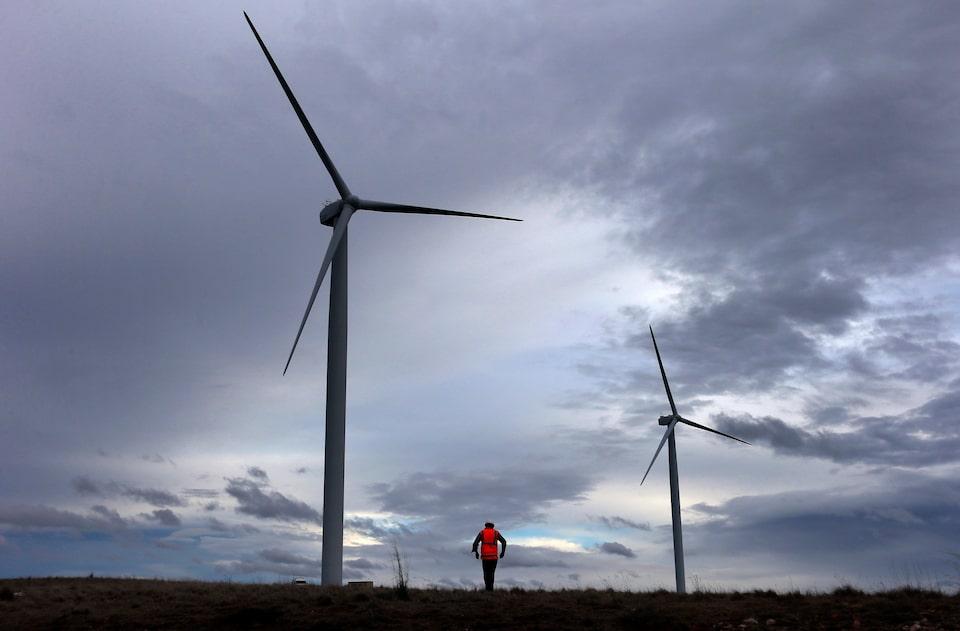
JAKARTA, March 3 (Reuters) - Indonesia's state-owned energy company Pertamina on Monday publicly apologised and pledged to improve the firm's governance after five executives at its units were arrested over alleged corruption involving oil imports. The Attorney General's Office last week arrested five executives at three units of Pertamina on charges of alleged corruption related to oil imports between 2018 and 2023 that caused $12 billion in state losses. "We will fix the loopholes that (the AGO) found, so that it would not affect the company or state budget negatively," Pertamina CEO Simon Aloysius Mantiri told reporters. The company would work with the energy ministry to improve transparency, and continue to import crude oil and refined products to ensure energy security, he said. Three executives at three of Pertamina's subsidiaries were accused of colluding to justify higher crude oil and fuel imports volumes instead of sourcing them domestically, as required. Two other executives at Pertamina Patra Niaga allegedly approved the importation of 90-octane gasoline, known as Pertalite, at the price of higher-quality 92-octane gasoline, known as Pertamax. Both also face charges of approving a decision to blend 88-octane gasoline, known as Premium, with Pertamax, which was then sold at the price of higher-octane fuel. Sign up here. https://www.reuters.com/business/energy/indonesias-pertamina-pledges-improve-transparency-following-corruption-2025-03-03/