2025-02-02 13:33
Feb 2 (Reuters) - India is reviewing its stance on cryptocurrencies due to shifting attitudes towards the virtual asset in other countries, a senior government official told Reuters on Sunday. The review, which follows crypto-friendly policy announcements by U.S. President Donald Trump, could further delay publication of a discussion paper on cryptocurrencies that was due for release in September 2024. "More than one or two jurisdictions have changed their stance towards cryptocurrency in terms of the usage, their acceptance, where do they see the importance of crypto assets. In that stride, we are having a look at the discussion paper once again," India's Economic Affairs Secretary Ajay Seth said in an interview. Seth said that because such assets "don't believe in borders", India's stance cannot be unilateral. He did not specifically mention the United States, where Trump last week ordered the creation of a cryptocurrency working group tasked with proposing new digital asset regulations and exploring the creation of a national cryptocurrency stockpile, making good on his promise to overhaul U.S. crypto policy. Indians have poured money into cryptocurrencies in recent years despite the country's tough regulatory stance and steep trading taxes. India's Financial Intelligence Unit (FIU) issued show-cause notices to nine offshore cryptocurrency exchanges in December 2023 for non-compliance with local rules. Binance, the world's biggest crypto exchange, was hit with a fine of 188.2 million rupees ($2.25 million) in June 2024, a month after it registered with the FIU in an effort to resume operations in the country. Last year, India's market watchdog recommended that several regulators oversee trade in cryptocurrencies, in a sign that at least some authorities in the country are open to allowing the use of private virtual assets. That position stood in contrast to statements by the nation's central bank, which has maintained that private digital currencies represent a macroeconomic risk. Sign up here. https://www.reuters.com/technology/india-reviewing-crypto-position-due-global-changes-senior-official-says-2025-02-02/

2025-02-02 07:35
India's biggest import tax demand rattles Volkswagen Notice puts in peril $1.5 billion investment, company says Volkswagen India cites Amazon shopping example to defend case Automaker argues all taxes were paid in line with rules NEW DELHI, Feb 2 (Reuters) - Volkswagen has sued Indian authorities to quash an "impossibly enormous" tax demand of $1.4 billion, arguing the ask is contradictory to New Delhi's import taxation rules for car parts and will hamper the company's business plans, court papers show. Volkswagen's unit, Skoda Auto Volkswagen India, also told the High Court in Mumbai the tax dispute puts at risk its investments of $1.5 billion in India, and is detrimental to the foreign investment climate, according to the 105-page filing which is not public but was reviewed by Reuters. In the biggest ever import tax demand, India in September slapped a $1.4 billion tax notice on Volkswagen (VOWG_p.DE) , opens new tab for using a strategy to break down imports of some VW, Skoda and Audi cars into many individual parts to pay a lower duty. Indian authorities alleged Volkswagen imported "almost the entire" car in unassembled condition - which attract a 30-35% tax applicable on CKDs, or completely knocked down units, but evaded the levies by mis-classifying them as "individual parts" coming in separate shipments, paying just a 5-15% levy. Volkswagen India had kept the Indian government informed of its "part-by-part import" model and received clarifications in its support in 2011, the company says in the court challenge. The tax notice is "in complete contradiction of the position held by the government ... (and) places at peril the very foundation of faith and trust that foreign investors would desire to have in the actions and assurances" of the administration, the Jan. 29 court filing states. The Indian finance ministry and the customs official who issued the demand order did not respond to requests for comment outside regular business hours. Volkswagen's India unit said in a statement it is using all legal remedies as it cooperates with authorities and remains committed to ensuring "full compliance" with all global and local laws. A Volkswagen spokesperson in Germany did not respond to a request for a comment. The German carmaker is a tiny player in India's 4 million units a year car market, the world's third biggest, where its Audi brand also lags competitors in the luxury segment like Mercedes (MBGn.DE) , opens new tab and BMW. A government source earlier told Reuters that with penalties, Volkswagen India may have to pay about $2.8 billion if it loses the dispute. In 2023-24, VW India reported sales of $2.19 billion, and a net profit of $11 million. The tax dispute comes at a time when Volkswagen is battling to cut costs to better compete with Chinese rivals and cope with weak demand in Europe. In December it announced 35,000 future job cuts in Germany. In its biggest market, China, the carmaker has said it will sell some of its operations. 'BODY BLOW' FOR INVESTOR SENTIMENT Volkswagen argues it is not liable to pay higher taxes as it did not import car parts together as a single "kit", but instead shipped them separately, combining them with some local components to make a car. To explain what a "kit" is, it refers to a "practical analogy" of buying a chair online from Amazon, which is then delivered in one shipment with all parts and fixtures needed to assemble the piece of furniture. In the case, authorities alleged Volkswagen's local unit regularly placed bulk orders for cars through internal software which connected it to suppliers in Czech Republic, Germany, Mexico and other nations. And after the order was placed, the software broke it down into "main components/parts", roughly 700-1,500 for each vehicle depending on the model, which were shipped separately over time. This, the Indian authorities said, was "a ploy to clear the goods without the payment of the applicable duty." The company says in the court filing "there is no exclusive utilization of the parts towards manufacture of one specific car." Volkswagen India also contests the alleged clandestine software use by arguing it only helps dealers convey car orders so that it can track "consumer demand at a macro level". High taxes and prolonged legal disputes have often been a sore point for foreign companies in India, with Tesla (TSLA.O) , opens new tab also publicly complaining about high taxes on imported EVs. The tax notice "deals a body blow" to the much-advertised "policy of ease of doing business in India for foreign investors," the company said. The High Court in Mumbai is due to start hearing the case on Feb. 5. Sign up here. https://www.reuters.com/business/autos-transportation/volkswagen-sues-india-quash-enormous-14-bln-tax-demand-legal-filing-shows-2025-02-02/

2025-02-02 04:10
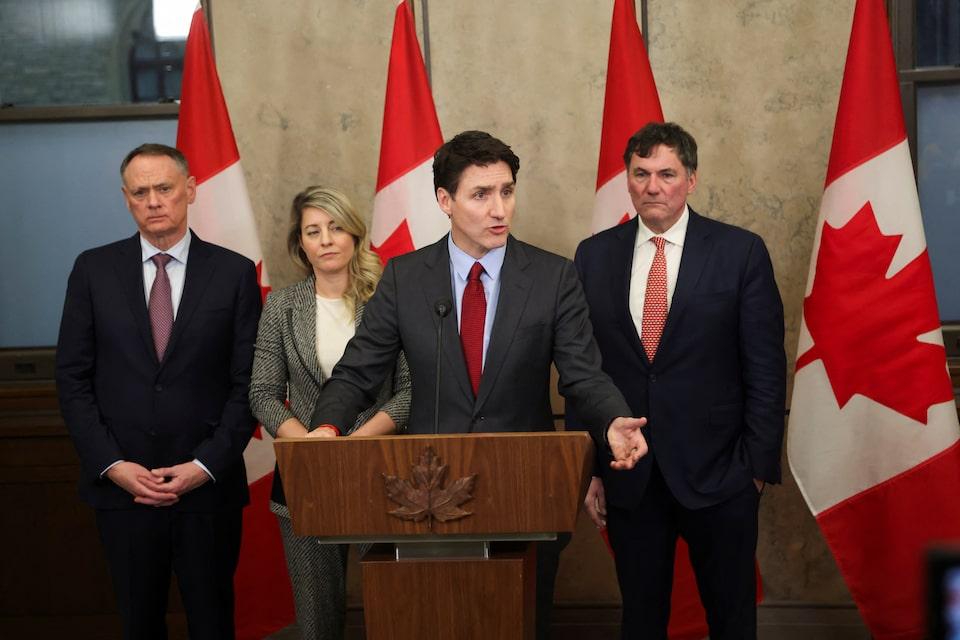
Canada slaps 25% tariffs on C$155 billion of US goods Trudeau says C$30 billion will take effect on Tuesday Duties on the remaining C$125 billion in 21 days PM vows to work with provinces on non-tariff measures OTTAWA, Feb 1 (Reuters) - Canada will retaliate against President Donald Trump'snew tariffs with 25% levies on a raft of U.S. imports, Prime Minister Justin Trudeau said on Saturday, warning Americans that Trump's actions would have real consequences for them. As relations between the long-time allies who share the world's longest land border reach a new low, Trudeau told a news conference he was slapping tariffs on C$155 billion ($107 billion) of U.S. goods. Those on C$30 billion will take effect on Tuesday, the same day as Trump's tariffs, and duties on the remaining C$125 billion in 21 days, he said. Trudeau's announcement came just hours after Trump ordered 25% tariffs on Canadian and Mexican imports and 10% on goods from China, risking a trade war that economists say could slow global growth and reignite inflation. Trump said he would impose 10% tariff on all energy imports from Canada. The Canadian leader said tariffs would include American beer, wine and bourbon, as well as fruits and fruit juices, including orange juice from Trump's home state of Florida. Canada would also target goods including clothing, sports equipment and household appliances. Trudeau said the coming weeks would be difficult for Canadians but that Americans would also suffer from Trump's actions. "Tariffs against Canada will put your jobs at risk, potentially shutting down American auto assembly plants and other manufacturing facilities," Trudeau said, addressing U.S. citizens during a press conference in Ottawa. "They will raise costs for you, including food at the grocery store and gas at the pump." Canada is considering non-tariff measures, potentially relating to critical minerals, energy procurement and other partnerships, Trudeau said. The 9,000-km (5,600-mile) U.S.-Canada border handles over $2.5 billion in trade a day, especially in energy and manufacturing, according to Canadian government data from 2023. In 2023, Canada exported close to C$550 billion worth of goods and services to the U.S., or more than three-fourths of its total exports. Energy accounted for 30% and manufacturing contributed around 15% to exports south of the border. Exports to the U.S. accounts for roughly 17.8% of Canadian gross domestic product and more than 2.4 million jobs in Canada. The tariffs hit Canada as it deals with a political crisis and a leadership race within Trudeau's Liberal Party. Facing low approval ratings, Trudeau has said he will resign after nine years in office once a new party leader is chosen. The opposition Conservatives could win the next election by a thumping majority, according to recent opinion polls. Flanked by his foreign affairs and finance ministers a somber Trudeau recalled the years of bilateral relations between the two countries. "From the beaches of Normandy to the mountains of the Korean Peninsula, from the fields of Flanders to the streets of Kandahar, we have fought and died alongside you during your darkest hours," he said. "We've built the most successful economic, military and security partnership the world has ever seen." Trudeau encouraged Canadians to buy Canadian products and vacation at home rather than in the U.S. "We didn't ask for this but we will not back down," he said. Sign up here. https://www.reuters.com/world/americas/canadas-trudeau-announces-counter-tariffs-2025-02-02/
2025-02-02 00:49
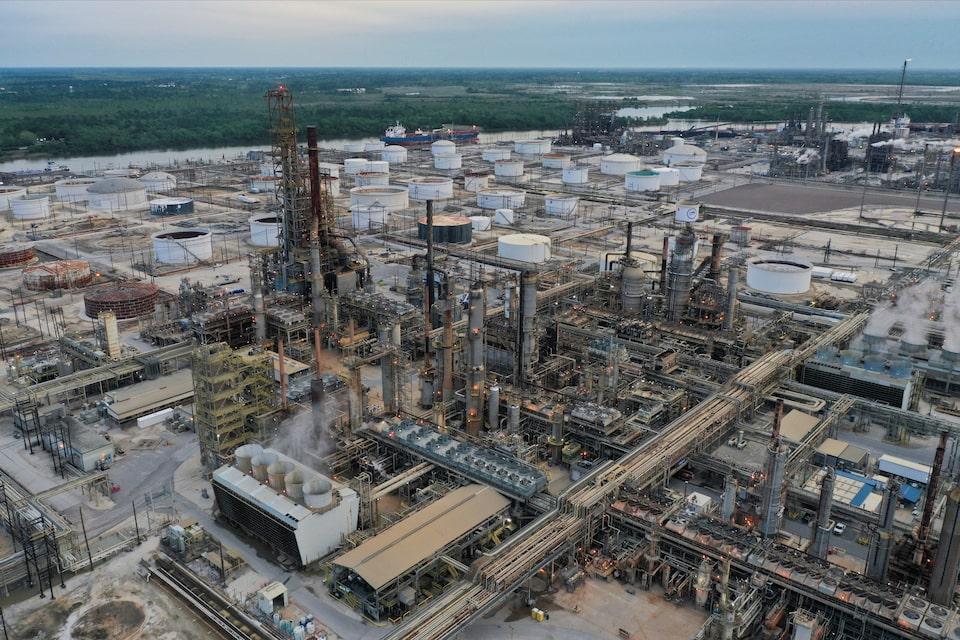
Trump orders 10% tariffs on Canadian oil, 25% tariffs on Mexican crude U.S. refineries face higher costs for heavier crude grades U.S. refinery earnings already under pressure LONDON/HOUSTON, Feb 1 (Reuters) - U.S. President Donald Trump's trade tariffs on Canadian and Mexican oil imports will offer European and Asian refineries a competitive advantage against their U.S. rivals, analysts and market participants told Reuters. Trump on Saturday ordered 25% tariffs on Canadian and Mexican imports and 10% on goods from China starting on Tuesday to address a national emergency over fentanyl and illegal aliens entering the U.S., White House officials said. Energy products from Canada will have only a 10% duty, but Mexican energy imports will be charged the full 25%, they said. The tariffs on the two biggest sources of U.S. crude imports will raise costs for the heavier crude grades U.S. refineries need for optimum production, industry sources said, cutting their profitability and potentially forcing production cuts. That provides refiners in other markets an opportunity to make up the difference. The U.S. is currently an exporter of diesel and importer of gasoline. "Less U.S. diesel exports would support European margins, while more export opportunities may remain in the strongly pressured gasoline market," consultancy Vortexa's chief economist David Wech said. "So overall a positive for European refiners, but likely not for European consumers," he added. "European margins may improve because the U.S. Northeast will have to import more gasoline," an executive at a brokerage said. "I think European and Asian refiners are the big winners." Tariffs would also likely force impacted crude sellers to discount prices to find buyers, said Matias Togni, founder of analytics firm Next Barrel. Asian refiners are well poised to soak up that discounted Mexican and Canadian crude, something that could also buoy their profit margins, he said. Asian refiners could get the competitive advantage because they have the equipment to run heavy crudes and are also in the midst of raising their run rates, said Randy Hurburun, head of refining at Energy Aspects. The Trans Mountain pipeline expansion (TMX) in Canada, which launched last May, means the pipeline can now ship an extra 590,000 barrels per day to the Canadian Pacific Coast. Higher TMX shipments to China could substitute imports from Venezuela and Saudi Arabia, trading sources said. Asia-Pacific refiners could also exploit fuel arbitrage opportunities to the U.S. West Coast, which might be hit by higher feedstock costs incurred from sourcing crude from further afield, Vortexa's Wech added. To be sure, there are expectations Midwest refiners will continue to buy Canadian crude, even with the tariff, and could simply pass the costs on to their customers at the pump. "Folks in the Midwest could look forward to spending an extra 20 or 25 cents a gallon," said Stewart Glickman, Equity research analyst at CFRA Research. US FEEDSTOCK CONUNDRUM Canadian and Mexican crude accounted for around 28% of U.S. refiners' crude diet in 2023, Energy Information Administration data (EIA) showed, with inland refineries in the Midwest especially reliant on Canadian barrels. U.S. refiners' ability to run more abundant supply of light WTI crude in place of Canadian and Mexican oil will be limited because of their different qualities, analysts said. "More use of WTI in domestic refiners is probably limited in scope, they really need the residual fuels," Sparta Commodities analyst Neil Crosby said. Although some U.S. refineries have completed upgrades to process more light crudes, this would lead to an underloading of secondary units, weighing on both economics and efficiency, said Energy Aspects' Hurburun. "When you put friction in the system, and particularly around crude optimization for a refiner, you're likely to come up with higher costs as a result," Deloitte's global sector leader for oil, gas and chemicals, John England said. U.S. imports of Canadian crude hit their highest on record in the week to Jan. 3, according to the EIA, a potential sign of refiners stocking up with tariffs looming. Imports have slipped slightly since, last at 3.72 million bpd in the week to Jan. 24, but remain elevated on the year according to the EIA. Meanwhile, U.S. refiners have already seen earnings slide from record levels in 2022. Oil major Chevron (CVX.N) , opens new tab, for example, reported fourth-quarter earnings below Wall Street estimates, after weak margins dragged its refining business into a loss for the first time since 2020. Tariffs and subsequently higher prices could further impinge on U.S. refiners' ability to turn a solid profit. "The mechanics of putting tariffs on Mexico and Canada are very tricky for competitiveness of the U.S. system," Sparta's Crosby added. Sign up here. https://www.reuters.com/business/energy/trumps-oil-tariffs-boost-european-asian-refiners-2025-02-02/
2025-02-01 23:57
HOUSTON, Feb 1 (Reuters) - U.S. President Donald Trump on Saturday ordered tariffs on Canadian and Mexican imports to address a national emergency over fentanyl and illegal immigrants entering the U.S., White House officials said. Under the plan, Mexican energy imports will be charged 25% tariffs, while energy products from Canada will have a discounted 10% duty. Canada and Mexico are the top sources of U.S. crude imports, together accounting for around one-quarter of the oil U.S. refiners process into fuels such as gasoline and heating oil, according to the U.S. Department of Energy. Below is a list of the top countries that the United States imports crude from and the volumes supplied by each country: Source: Data from U.S. Energy Information Administration, Kpler Note: Data on Venezuela is an average of EIA data for January to October, and Kpler data for November, December Sign up here. https://www.reuters.com/business/energy/how-much-crude-oil-does-us-import-by-country-2025-01-31/
2025-02-01 23:44
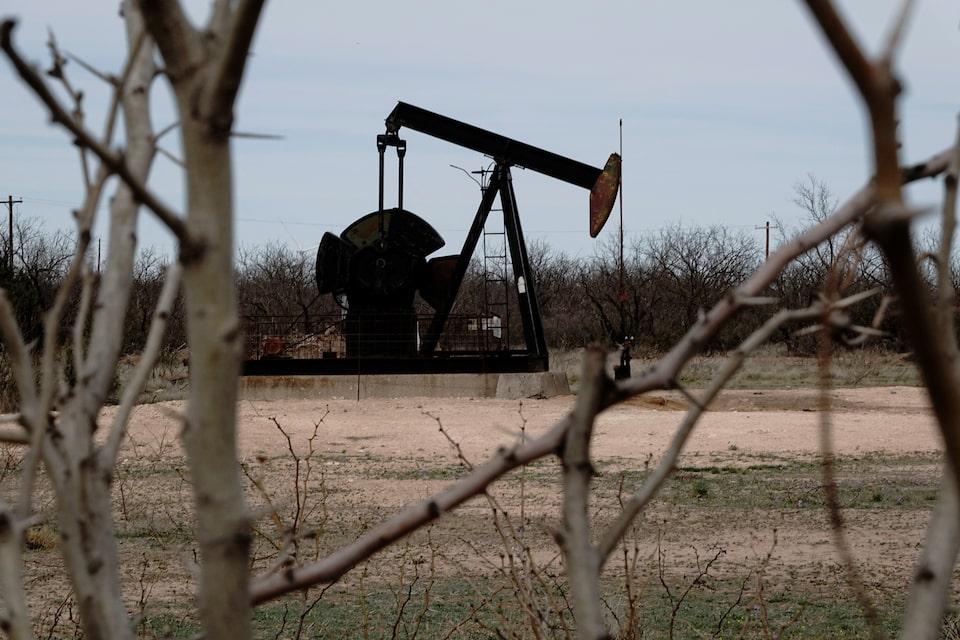
Energy imports from Canada will have 10% duty, Mexican energy tariffs to be 25% Tariffs mean higher costs for finished fuels like gasoline US East Coast may have to turn to European fuel imports NEW YORK, Feb 1 (Reuters) - U.S. consumers will see higher prices at the gas pump from President Donald Trump's decision on Saturday to apply tariffs on Canadian and Mexican oil, according to analysts and fuel traders. The likely hike in fuel prices reflects the double-edged nature of Trump's trade protections which are designed to bolster domestic business and pressure U.S. neighbors to curb illegal immigration and drug smuggling, but which will also run counter to his promises to tackle inflation. The U.S. imports some 4 million barrels per day of Canadian oil, 70% of which is processed by refiners in the Midwest. It also imports over 450,000 bpd of Mexican oil, mainly for refiners concentrated around the U.S. Gulf Coast. Tariffs on those imports mean higher costs for making finished fuels like gasoline, much of which is likely to be passed along to U.S. consumers. "Expect fuel prices will rise noticeably if oil and refined products are not exempt," GasBuddy analyst Patrick De Haan said in a post on social media. He told Reuters in a telephone interview the hit to consumers will get worse the longer the tariffs drag on. The American Fuel and Petrochemical Manufacturers Association, which represents U.S. refining companies, said on Saturday it hopes the tariffs are lifted before consumers start to feel the impact. Trump on Saturday ordered 25% tariffs on Canadian and Mexican imports and 10% on goods from China starting on Tuesday to address a national emergency over fentanyl and illegal aliens entering the U.S., White House officials said. Energy products from Canada will have only a 10% duty, but Mexican energy imports will be charged the full 25%, the officials told reporters. Trump had initially planned a 25% tariff on all goods from Canada and Mexico but cut the Canadian oil tariff in an effort to ease the impact on energy prices, the officials said. The developments are set to upend a symbiotic oil trade between the U.S. and its neighbors: Many U.S. refineries are geared to churn the type of heavy and medium crude oil grades Canada produces, for example, and Canada's oil output exceeds its current demand. "Someone is going to get kind of hurt here," Wells Fargo Investment Institute's John LaForge told Reuters. "The oil in Alberta doesn't have much of an option where it goes, and the refiners in the Midwest don't have much of an option on where they get the feedstock," he said. Gulf Coast refiners, who unlike Midwest refiners have access to seaborne cargoes, were likely to have an easier time finding replacements for the Mexican crude oil grades. Companies involved in the wholesale fuel market said they have little choice but to pass on the added cost to consumers, especially as the post-COVID surge in fuel margins has faded away amid oversupply and weakening demand growth. "We're in a kind of hand to mouth situation here," said Alex Ryan, energy director at Kansas-based Oasis Energy, which operates a travel store and partially owns a fuel retailing convenience store. Ryan said his team, which also supplies fuel to other markets, is still waiting for feedback from refiners on the estimated cost increase. "Whatever the cost is, ultimately it ends up in the consumer's lap, and there's nothing we can do about it," Ryan said. EAST COAST PRICES MAY ALSO RISE East Coast drivers could also feel the crunch. The region's refining capacity meets just about half the daily fuel demand, and the rest is met mainly by the Colonial Pipeline, which pumps over 100 million barrels of fuel daily from the Gulf Coast. But that pipeline is almost always full. In periods of high demand, Irving Oil's St. John's refinery in New Brunswick has been the main swing supplier to the East Coast. Those imports will be subject to the 10% levy. The East Coast will either have to bear the additional cost of importing from Canada, or turn to European fuel imports to make up for shortfalls, De Haan said. At Midwestern pumps, the effect of the tariffs could be more delayed as refiners there have been producing fuel at elevated rates and have also been stockpiling Canadian oil in recent months, analysts said. Even so, the tariffs are set to raise costs. "Any way you cut it, you're looking at higher prices," Wells Fargo's LaForge said. (This story has been refiled to fix a typo in paragraph 1) Sign up here. https://www.reuters.com/business/energy/pump-prices-set-rise-trump-tariffs-hit-canadian-mexican-oil-2025-02-01/