2025-01-17 10:31
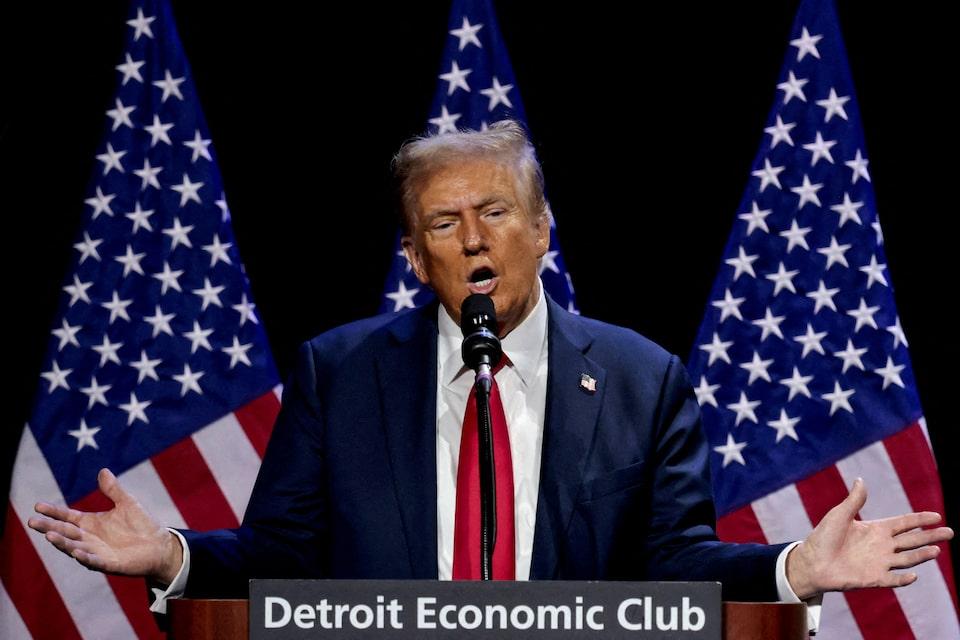
Jan 17 (Reuters) - Global investors are about to get a taste of what Donald Trump's return to the White House might mean for markets, global trade and international relations. Trump's inauguration on Jan. 20 as the 47th U.S. president will likely bring with it a Day One-barrage of executive orders on anything from taxes to tariffs, just as the fourth-quarter earnings season gets underway in earnest. Here's a look at what's going to matter for markets in the coming week from Rae Wee in Singapore, Lewis Krauskopf in New York, and Alun John, Karin Strohecker and Amanda Cooper in London. 1/ WELCOME BACK, MR TRUMP Investors everywhere are waiting for Trump to begin his second term as U.S. president on Monday. He has pledged to sign a flurry of executive orders on his first day in office, and some speculate he could begin right after his inauguration, before even the ceremonial parade. U.S. markets are closed Monday for Martin Luther King Jr. day, so it may not be until Tuesday that investors can fully react. Any early moves on tariffs will be a particular focus, after the leaks, counterleaks and denials that have already riled currencies and shares in big global manufacturers. Long-dated bond yields have risen ahead of Trump's inauguration, as traders expect his proposed tax cuts and tariffs to be inflationary and to stimulate domestic growth. But as the U.S. debt-to-GDP ratio is pushing 100%, former policymakers are wondering whether bond vigilantes are lying in wait. 2/ QUARTERLY CHECK UP Investors counting on a solid 2025 for U.S. corporate profits to boost stocks will get a fuller picture of the outlook in the coming week. A wide swathe of Corporate America is set to post results for the last quarter of 2024 and give a view into the year ahead. The coming week includes earnings from streaming firm Netflix (NFLX.O) , opens new tab, healthcare giant Johnson & Johnson (JNJ.N) , opens new tab, consumer products maker Procter & Gamble (PG.N) , opens new tab and credit card company American Express (AXP.N) , opens new tab. Major banks kicked off quarterly earnings season on Jan. 15, with profits at some of the biggest U.S. lenders rising, as deal-making picked up and trading was boosted by strong equity markets. Overall, S&P 500 companies are expected to post an increase of 10.4% in the fourth-quarter earnings from the same period the previous year, according to LSEG IBES data as of Jan. 15. 3/ WAR & PEACE (AND DAVOS) Trump is expected to continue to shape momentum in wars raging in Ukraine and the Middle East. The Israel-Hamas ceasefire to end the deadly 15-month old Gaza conflict entered into effect on Sunday, starting with the release of Israeli hostages and Palestinian prisoners. Hopes for stabilisation have lifted the region's bonds and stocks, and could shape oil markets. Bringing peace to Ukraine - nearing its fourth year of war - might take longer than the 'day one' fix Trump pledged, but markets are gearing up for how this will reshape the region. Trump is set to virtually address leaders and CEOs, including Ukraine President Volodymyr Zelenskiy and Israeli officials, who are scheduled to gather in Davos from Monday. A pre-summit survey has identified war as the main risk of 2025. 4/ ENERGY BOOST European policymakers are getting exactly what they don't want right now - higher borrowing costs and soaring energy prices. Oil , has risen by 10% this month alone, egged on by concern about the impact of more Western sanctions on Russian crude, while, right in the middle of winter, natural gas prices have roared higher , . More worryingly for Europe, the euro has hit 14-month lows against the dollar, just a whisker above the $1.0 mark. Since Russia's invasion of Ukraine in February 2022, the United States has become Europe's biggest supplier of natural gas in liquefied form (LNG) and a major source of crude oil, meaning the weakness in the currency is a double headache. The upcoming December final inflation numbers for the euro zone are unlikely to capture those price increases, meaning a possible nasty surprise later on. 5/ WILL THEY, WON'T THEY? The Bank of Japan (BOJ) heads into its first policy meeting of the year. The yen is languishing near six-month lows, though a rate hike could be the panacea for the currency's pain against a towering dollar, even if only temporarily. And it seems policymakers at the central bank are priming markets for such a move, after both Governor Kazuo Ueda and his colleague Ryozo Himino said the decision would be up for debate at the BOJ's Jan. 23-24 policy meeting. It helps that U.S. President-elect Trump's inauguration occurs just a few days before, which gives the BOJ some time to weigh up how his policies could ripple through financial markets. Regardless, traders have reacted to BOJ officials' remarks by raising their bets on a January rate hike. Futures now point to a 70% chance of a 25-basis-point increase. Sign up here. https://www.reuters.com/business/take-five/global-markets-themes-graphic-2025-01-17/
2025-01-17 10:25
KAMPALA, Jan 17 (Reuters) - The Ugandan shilling was flat against the dollar on Friday, on the back of scant hard currency appetite from both merchandise importers and players in the interbank market, traders said. At 0939 GMT commercial banks quoted the shilling at 3,682/3,692, the same level as Thursday's close. Sign up here. https://www.reuters.com/markets/currencies/ugandan-shilling-flat-scant-fx-demand-2025-01-17/

2025-01-17 10:12
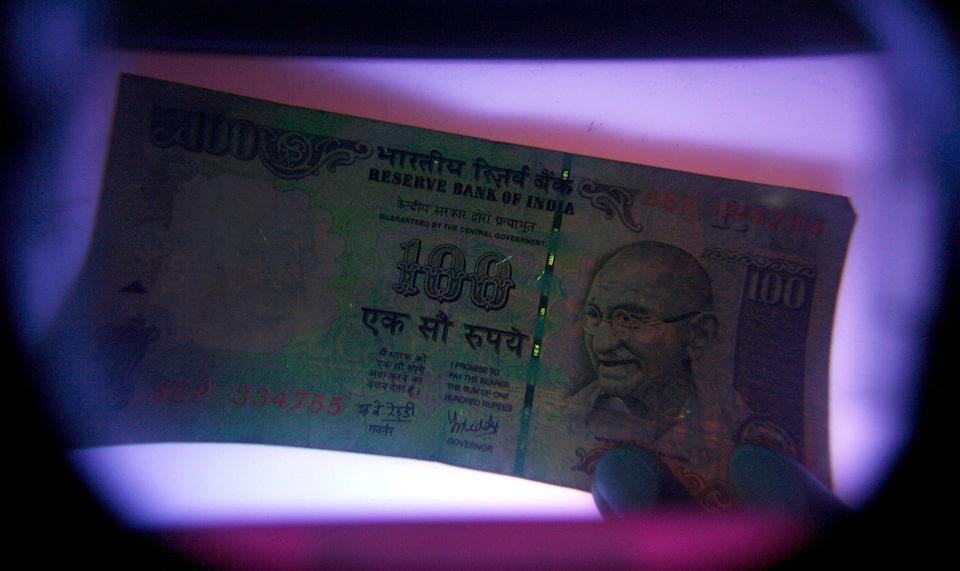
MUMBAI, Jan 17 (Reuters) - The Indian rupee slipped on Friday and logged its worst week in 18 months, hurt by persistent foreign portfolio outflows and heightened dollar bids in the non-deliverable forwards (NDF) market. The currency declined to an all-time low of 86.6475 earlier in the week but frequent interventions by the Reserve Bank of India (RBI) helped prevent sharper losses, traders said. On the day, the rupee closed lower at 86.61 and was down 0.6% for the week, its steepest weekly fall since July 2023. The domestic unit also logged its eleventh straight week of declines. The rupee fell past the psychologically important 86 level this week, bogged down by a rally in the U.S. dollar and as expectations of policy changes under incoming U.S. President Donald Trump continue to cast a shadow on emerging market currencies. Amid these headwinds, the rupee's pace of deprecation has also gathered steam, with the fall to 86 from 85 taking place in less than a month, compared to the decline to 85 from 84, which took about two months. Foreign investors have pulled out nearly $6 billion on a net basis from local stocks and bonds so far in January, adding to the challenges that the currency is facing. The rupee's depreciation bias is likely to persist next week, with the focus squarely on any policy changes announced by Trump, especially about trade tariffs, said Dilip Parmar, a foreign exchange research analyst at HDFC Securities. Parmar reckons that the rupee may decline to 86.90 next week but the RBI is unlikely to allow a fall below that level. The central bank is likely to use its foreign exchange reserves judiciously to mitigate domestic currency market volatility amid strong global headwinds, Reuters reported on Tuesday. Meanwhile, dollar-rupee forward premiums declined on Friday on the back of buy/sell swaps conducted by state-run banks, most likely on behalf of the RBI, traders said. Sign up here. https://www.reuters.com/markets/currencies/rupee-ends-weaker-logs-worst-week-18-months-foreign-outflows-2025-01-17/
2025-01-17 07:57
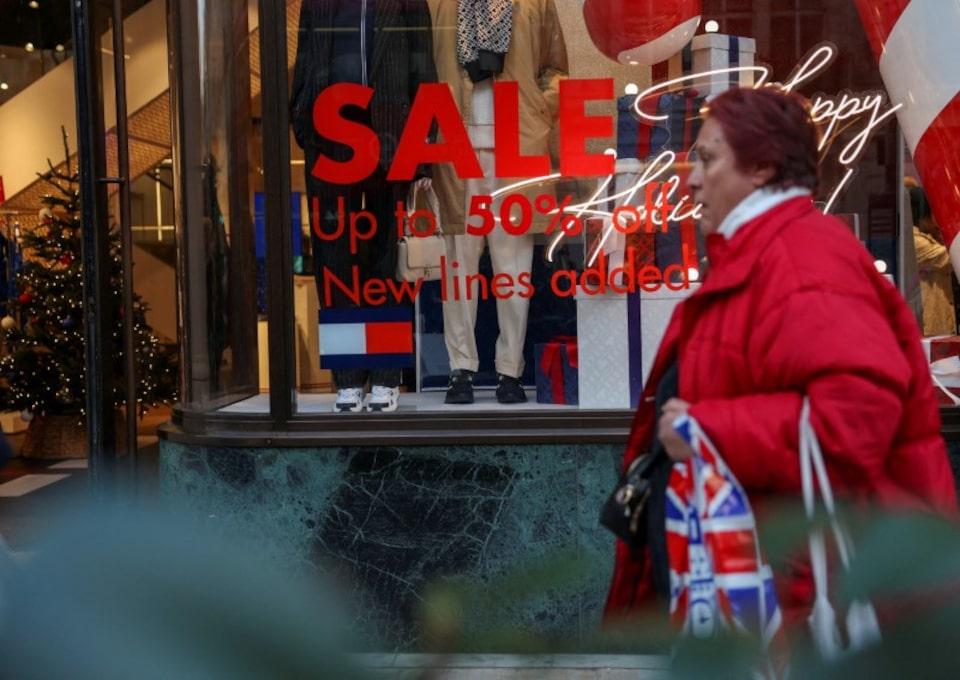
LONDON, Jan 17 (Reuters) - British retail sales fell unexpectedly in December, according to data on Friday that raised the risk of an economic contraction in the fourth quarter, adding to the challenges faced by finance minister Rachel Reeves. Retail sales, adjusted for the inclusion of the Black Friday sales at the start of the month, fell by 0.3% in month-on-month terms in December after a downwardly revised 0.1% expansion in November, the Office for National Statistics said. Sterling fell by around a quarter of a cent against the U.S. dollar after the data, dipping below $1.22. Economists polled by Reuters had forecast a monthly increase of 0.4% in sales volumes from November. Friday's figures add to a run of lacklustre economic indicators since Reeves announced the biggest tax rises in Britain since 1993 in October, and are likely to bolster expectations for a Bank of England interest rate cut next month. Retail sales for the fourth quarter as a whole fell by 0.8%, which is likely to drag on economic growth in the fourth quarter by around 0.04 percentage points, the statistics office said. With growth already flatlining during the three months to November, the contribution of retail sales on its own could be enough to tip the economy into contraction for the fourth quarter, assuming no offsetting growth from other parts of the economy. "Today's release is further evidence that the economy had very little momentum at the end of last year and, at the margin, increases the downside risk to our forecast that the economy avoided a contraction in Q4," said Alex Kerr, UK economist at Capital Economics. Excluding motor fuel, retail sales dropped by 0.6% on the month. "This was driven by a very poor month for food sales, which sank to their lowest level since 2013, with supermarkets particularly affected," senior statistician Hannah Finselbach said. Total retail sales were 3.6% higher than a year ago, compared with a median forecast for 4.2% annual growth. Sign up here. https://www.reuters.com/world/uk/uk-retail-sales-fall-by-03-december-2025-01-17/
2025-01-17 07:31
HAMBURG, Jan 17 (Reuters) - Germany has no new cases of the livestock illness foot-and-mouth disease with a suspect case on Thursday not confirmed, German agriculture minister Cem Oezdemir said on Friday. Germany has only one case of the disease, Oezdemir said on German radio Deutschlandfunk. Germany announced the country's first outbreak of foot-and-mouth disease in nearly 40 years on Jan. 10 in a herd of water buffalo on the outskirts of Berlin in the Brandenburg region. Brandenburg's state agriculture ministry confirmed the negative test result, saying: "At the current timepoint, there are still no indications of a spread of foot-and-mouth." The Brandenburg ministry said several emergency measures to contain the disease, including some restrictions on animal transport, will not be extended from Friday, but it stressed the quarantine zones around the case remain in force. German authorities are intensively testing animals on farms in the area around the first case. Measures to contain the highly infectious disease, which poses no danger to humans, often involve bans on imports of meat and dairy products from affected countries, with Britain, South Korea and Mexico imposing import bans on Germany this week. Foot-and-mouth disease causes fever and mouth blisters in cloven-hoofed ruminants including cattle, pigs, sheep and goats and in past decades needed major slaughtering campaigns to eradicate. Oezdemir said on Friday Germany will continue intensive efforts to contain the disease and win back the trust of countries which have imposed import restrictions on German agricultural products. A spokesperson for the European Commission, the EU's executive arm, said on Thursday Germany's efforts to stop the disease spreading would enable the regionalisation principle to be used. Under this EU rule, sales of meat and dairy products are only restricted from the region where the disease has been confirmed and produce from elsewhere in the affected country can still be sold inside the EU. Oezdemir said earlier Germany's continued access to EU markets would depend on the lack of new cases. Sign up here. https://www.reuters.com/world/europe/germany-has-no-new-foot-and-mouth-disease-cases-farm-minister-says-2025-01-17/

2025-01-17 07:13
Peaking fuel demand new trigger for consolidation Newer, larger complexes exacerbate capacity overhang Consolidation so far driven by government interventions Roughly half of teapot refining capacity could survive, say trade, analysts Consultancy Woodmac forecasts 2.3 mln bpd closures by 2050 SINGAPORE, Jan 17 (Reuters) - Up to 10% of China's oil refining capacity faces closure in the next ten years as an earlier-than-expected peak in Chinese fuel demand crushes margins and Beijing's drive to wring out inefficiency begins to squeeze older and smaller plants. Tighter U.S. sanctions enforcement under the incoming Trump administration could send more plants into the red and accelerate shutdowns by halting access to cheap crude from the likes of Iran, industry players and analysts say. The world's second-largest refining industry has long been plagued by excess capacity after expanding to capitalise on three decades of rapid demand growth. Authorities, including officials in the independent refinery hub of Shandong province, have lacked political will to shut inefficient plants that employ tens of thousands of workers, analysts said. However, rapid electrification of China's vehicles and flagging economic growth are making the weakest operators unviable, forcing a moment of reckoning. The shakeout is likely to cap crude imports into China, the world's largest buyer, accounting for 11% of global demand. Chinese crude imports declined 1.9% in 2024, the only drop in the last two decades outside the COVID years, with weaker demand weighing on global oil prices. Refinery output last year recorded a rare fall as well. Poor operating rates are the clearest sign of the industry's pain. Consultancy Wood Mackenzie estimates Chinese refineries ran at only 75.5% of their capacity in 2024, the second-lowest utilisation rate since 2019 and significantly below U.S. refiners' rate of above 90%. Worst off are independent fuel producers known as teapots, mostly located in east China's Shandong, which make up a quarter of the industry. They operated at just 54% of capacity last year, according to a Chinese consultancy, the lowest since 2017 outside the COVID years. Weaker players were effectively put on notice by Beijing in 2023 when it vowed to weed out the smallest plants under a national refining capacity cap of 20 million barrels per day by 2025, only slightly above 19 million bpd currently. The smaller plants have become dispensable following the start-up of four large privately-controlled refiners since 2019 which together make up 10% of China's refining capacity, industry players said. Adding to their challenges, Beijing began chasing independent refiners in 2021 for unpaid tax. Smaller operators, especially those that do not qualify for Beijing's crude oil quotas and survive instead on processing imported fuel oil, face a further crunch as new tariff and tax policies are set to drive up their costs in 2025, industry executives said. Those plants account for combined processing capacity exceeding 400,000 bpd, two of the executives added. Several senior managers at independent refineries and an analyst estimated that between 15 and 20 independent plants, accounting for roughly half of the 4.2 million to 5 million bpd of teapot capacity, could withstand the stress for a decade or more. "Those of scale and integrated with chemicals production, having land space for expansion and infrastructure like pipelines and terminals in place, could sustain in the longer term," said Wang Zhao, a senior researcher at Sublime China Information, referring to teapots in Shandong. Wood Mackenzie predicts closures of 1.1 million bpd in capacity between 2023 and 2028, or 5.5% of the stated national cap, and a further 1.2 million bpd by 2050. CRITICAL 2025 Already, three Shandong-based refineries under state-run Sinochem Group faced bankruptcy last year due to hefty unpaid taxes and were shut indefinitely. Even if Sinochem managed to reopen them, the plants would operate at a cost disadvantage as Sinochem shuns discounted oil from Iran, Venezuela or Russia due to sanctions concerns, according to Mia Geng, energy consultant FGE's China analyst. To cope with deteriorating margins, many teapots have shifted almost completely to discounted oil, especially from Iran, Reuters has reported. However, the prospect that the U.S. under incoming President Donald Trump could harden sanctions enforcement on Iranian oil, which accounts for over 10% of Chinese imports, could further raise costs for teapots. A sudden ban on U.S.-sanctioned tankers by China's Shandong Port group is already rocking the shipping market and lifting oil prices. Plants in Shandong face a particularly tough year in 2025 as the $20 billion Yulong Petrochemical plant there is due to start up its second 200,000-bpd crude unit in coming months, worsening the fuel surplus, said Shandong-based traders. GOVERNMENT HAND Local governments have already forced some industry streamlining. To make way for the Yulong plant, a cornerstone project for Shandong, provincial authorities by late 2022 closed 10 small plants totalling about 540,000 bpd. In addition, in a nationwide probe in 2021/2022, Beijing stripped five refineries of their import quotas, which contributed to the first annual decline in China's crude oil imports in two decades in 2022. Meanwhile, state-owned refiners are shifting to higher-end chemicals investment. PetroChina is set to shut a 410,000-bpd refinery in Dalian this year and replace it with a smaller new plant focusing on petrochemicals. Similarly, refining giant Sinopec Corp will eventually be compelled to close older fuel-centric plants in eastern provinces where electric vehicle penetration is higher, said FGE's Geng and a Sinopec trader who declined to be named. Sinopec had no immediate comment when asked about the prospect of closures. A senior crude oil procurement manager who has worked at a Shandong teapot for 16 years said he has been looking for a new job as his plant, one of those stripped of a crude oil quota, is running at 20% capacity and has been losing money for nearly 18 months. "We're on the verge of closing down, after an extremely tough 2023 and 2024," said the person, declining to be identified by name or where he works. "But it is not easy to find a job in the same industry." Sign up here. https://www.reuters.com/markets/commodities/chinas-vast-refining-sector-faces-shakeout-fuel-demand-peaks-2025-01-17/