
2024-03-25 06:05
March 25 (Reuters) - Engineers worked round the clock to restore power on Monday to households in two Ukrainian cities -- Kharkiv and Odesa -- and officials warned that damage caused by repeated Russian strikes on energy infrastructure could take years to repair. In Kharkiv, Ukraine's second largest city and a frequent target of Russian strikes, regional governor Oleh Synehubov said air defence units had downed at least eight drones in an evening attack. Earlier, Synehubov told residents after a meeting of municipal and energy officials that repairs "were not a task of just a few weeks, or even months". "The enemy has caused significant damage ad the restoration process may take quite some time," Synehubov wrote on the Telegram messaging app. "Specialists are working on sites around the clock. We are bringing in experts from other regions." Odesa regional governor Oleh Kiper reported an evening missile attack on his Black Sea port city, with casualties confined to three injured. Kiper said more than 300,000 residents were without power in the early evening. President Volodymyr Zelenskiy said in his nightly video address that there had been strikes on energy infrastructure in Odesa and in Mykolaiv to the northeast and urged residents of Kharkiv to look after themselves and their neighbours. Volodymyr Kudrytskyi, head of Ukrenergo, which operates Ukraine's transmission lines, said efforts were being made to eliminate energy shortfalls in the southern region. But the situation, he said, was the most critical in Kharkiv "where the enemy with ballistic missiles has been trying to destroy all sites of trunk lines supplying the city". Some 275,000 residents were without power, he said. Ukraine's top private energy provider DTEK said earlier that emergency power cuts were introduced in Odesa after a Russian air attack damaged a high-voltage facility. Four drones were shot down in the earlier attack on Odesa and Mykolaiv, local officials said. The Reuters Daily Briefing newsletter provides all the news you need to start your day. Sign up here. https://www.reuters.com/world/europe/emergency-power-shutdowns-ukraines-odesa-after-russian-attack-2024-03-25/

2024-03-25 05:54
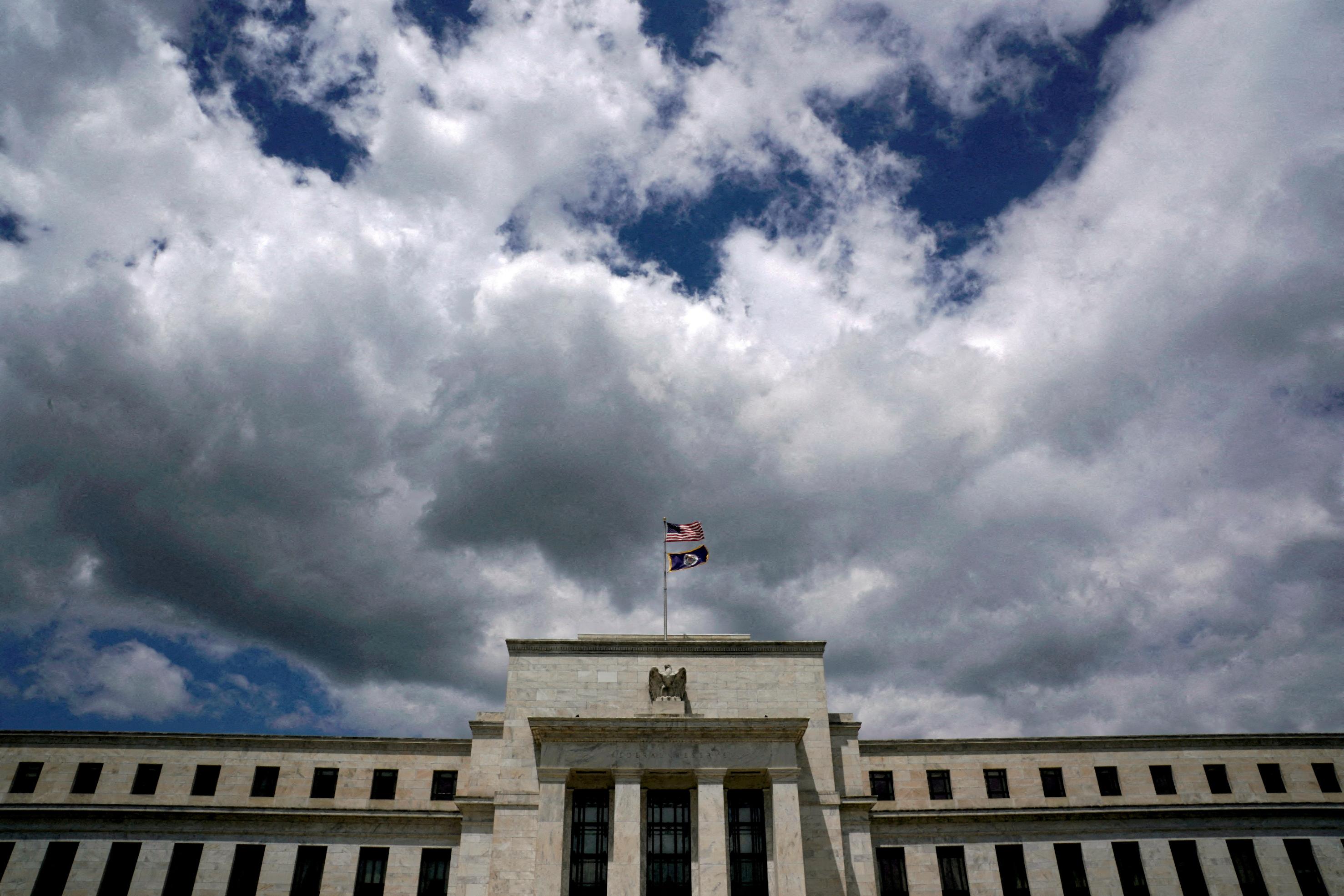
A look at the day ahead in European and global markets from Wayne Cole. It's been a slow start to what will be a holiday-shortened week for many centres, though that won't stop the U.S. from releasing the Federal Reserve's favoured inflation measure on Friday even as markets there are shut. The U.S. core personal consumption expenditures (PCE) price index is seen rising 0.3% in February, which would keep the annual pace at 2.8%. The headline index is seen up 0.4% for the month and 2.4% for the year. Anything higher would be taken as a setback to hopes for a Fed rate cut in June, which was put back on the menu last week when Fed chair Jerome Powell sounded relaxed on the inflation outlook. Futures have a June easing implied at 75%, from 55% a week earlier, and have three to four cuts priced in for the year. Powell will participate in a moderated discussion at a policy conference on Friday, while Fed governors Lisa Cook and Christopher Waller are also appearing this week. Following the surprise move by the Swiss National Bank (SNB) last week, markets are almost fully priced for a first rate cut from the ECB in June and have 91 basis points of easing pencilled in for 2024. Europe has its own inflation tests this week with consumer price data out from France, Italy, Belgium and Spain, ahead of the overall EU CPI report on April 3. ECB President Lagarde is speaking later on Monday and may offer more guidance on whether the market has it right. One of the more hawkish Bank of England members is also talking later Monday and may have something to say about the market's 76% probability for a June cut. Sweden's central bank meets on Wednesday and is generally expected to keep rates at 4.0%, though the sudden shift by the SNB suggests a surprise cannot be ruled out. The People's Bank of China (PBOC) sprang a surprise of its own last week by seemingly letting the yuan fall past 7.2 per dollar to a four-month low, though it set a firmer fix on Monday likely as a protest against too sharp a fall. That was enough to pull the dollar back to 7.2000 yuan , from 7.2290. It also eased a touch on the yen, in part as Japan's top currency official was out cautioning against extreme moves ahead of the 152.00 barrier where they intervened in the past. Key developments that could influence markets on Monday: - Participation by ECB President Christine Lagarde at EIB Group Climate and Environment Advisory Council - Bank of England Monetary Policy Committee member Catherine Mann gives a speech - UK CBI Distributive Trades for March - Fed Board Governor Lisa Cook gives lecture - Fed Bank of Chicago President Austan Goolsbee is interviewed on Yahoo Finance - Fed Bank of Atlanta President Raphael Bostic participates in moderated conversation - Data on U.S. February new home sales, Chicago Fed activity index, Dallas Fed index The Reuters Daily Briefing newsletter provides all the news you need to start your day. Sign up here. https://www.reuters.com/world/europe/global-markets-view-europe-2024-03-25/
2024-03-25 05:24
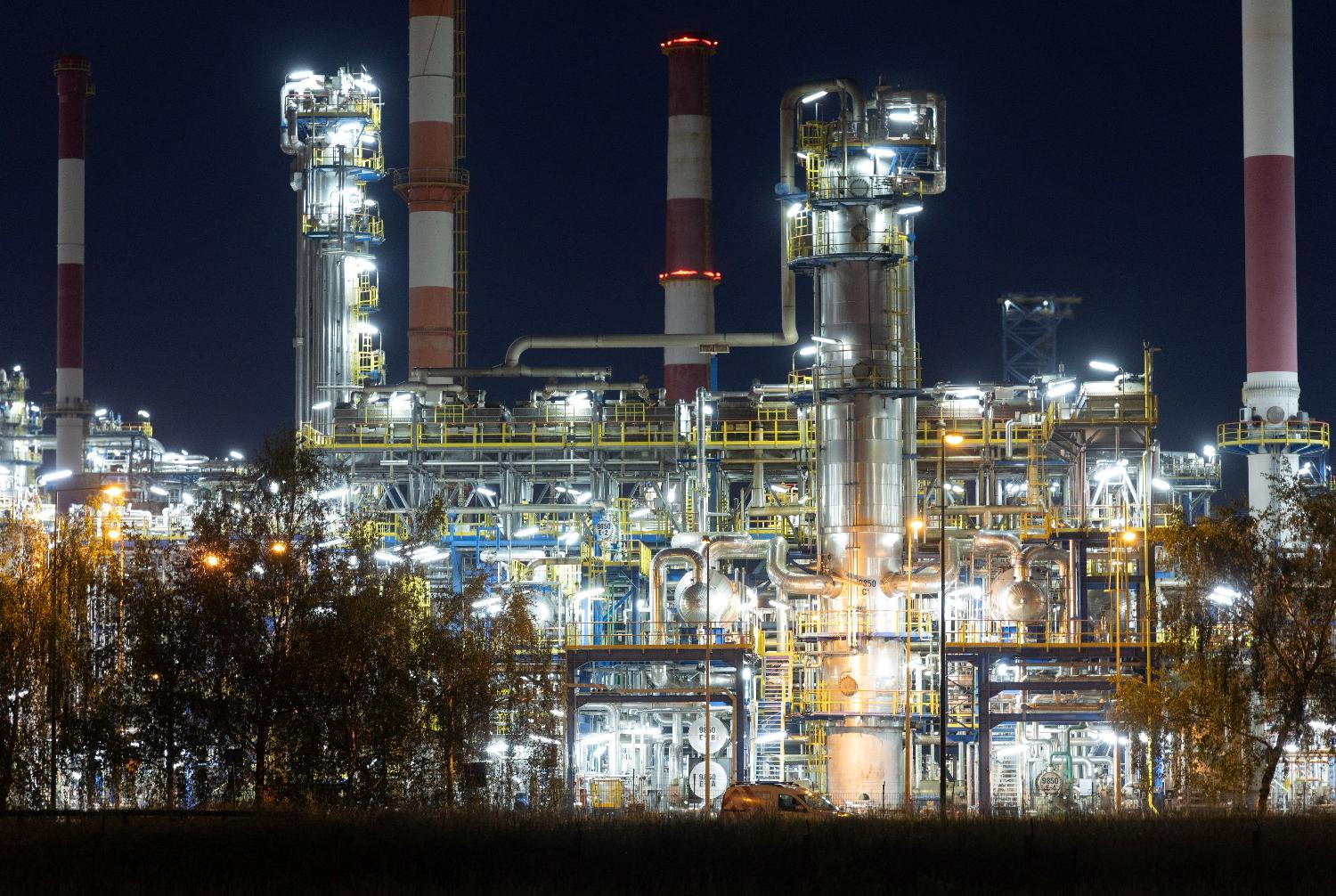
Russian and Ukrainian attacks on energy infrastructure persist Russian government orders companies to reduce oil output UN adopts resolution demanding ceasefire in Gaza war HOUSTON, March 25 (Reuters) - Oil prices settled higher on Monday as orders from the Russian government to curb oil output, and attacks on energy infrastructure in both Russia and Ukraine offset the United Nation's demand for a ceasefire in Gaza. Brent crude futures settled $1.32 higher or 1.55%, at $86.75 a barrel. U.S. crude futures settled $1.32 higher, or 1.64%, at $81.95. Both benchmarks have risen steadily this year, with Brent up nearly 11% and WTI up about 12.5% by Friday's close, on expectations that interest rates in major economies will come down by the summer, and geopolitical tensions in eastern Europe and the Middle East. Moscow, meanwhile, has ordered companies to reduce oil output in the second quarter to meet a production target of 9 million barrels per day (bpd) by the end of June, in line with its pledges to the producer group OPEC+, three industry sources said on Monday. "Russia is committed to the OPEC+ cuts. They are looking beyond the current supply and demand fundamentals and looking at unity with OPEC+, as well as the risk of a bigger price shock further down the road," said Phil Flynn, analyst at Price Futures Group. Attacks on Russian energy facilities and Ukrainian energy infrastructure have stoked supply concerns, said Hiroyuki Kikukawa, president of NS Trading, a unit of Nissan Securities. Another Russian oil refinery had half of its capacity knocked out in a drone attack over the weekend, sources told Reuters. It was the latest casualty from a string of attacks by Ukraine this month that have shuttered 7% of total refining capacity, Reuters calculations show, on top of unrelated maintenance. Russia attacked Ukrainian generating and transmission facilities last week and over the weekend, causing blackouts in many regions. Elsewhere, the United Nations Security Council adopted a resolution on Monday demanding an immediate ceasefire between Israel and Palestinian militants Hamas and the release of all hostages after the United States abstained from the vote. "We will have to see how the U.N. resolution on a ceasefire actually plays out on the ground in Gaza, and whether that would ultimately result in the Houthis stopping their attacks on tanker traffic in the Red Sea," Andrew Lipow, president of Lipow Oil Associates said. Yemen-based Houthi rebels have been ramping up attacks on ships traversing the Red Sea in support of Palestinians in Gaza. A ceasefire could help relieve supply bottlenecks if the Houthis wind down their attacks by allowing vessels to use the Suez Canal rather than taking longer, more costly diversions around the horn of Africa. Get a look at the day ahead in U.S. and global markets with the Morning Bid U.S. newsletter. Sign up here. https://www.reuters.com/markets/commodities/oil-rises-heightened-geopolitical-risks-exacerbate-supply-concerns-2024-03-25/
2024-03-25 05:21
Iraq-Turkey pipeline shut since March 2023 Baghdad: around 225,000 bpd being produced without its oversight APIKUR says terms of current contracts must be maintained US encourages restart, State Dept. spokesperson says March 26 (Reuters) - Foreign oil firms operating in Iraq's Kurdistan region are partly to blame for the delay in resuming crude exports after failing to submit contracts for revision, Iraq's oil ministry said. The Iraq-Turkey oil pipeline (ITP) which once handled about 0.5% of global oil supply has been halted, stuck in legal and financial limbo, since March 2023. The flows were halted after the Paris-based International Chamber of Commerce in a longstanding arbitration case ruled Ankara had violated provisions of a 1973 treaty by facilitating such exports without the consent of the Iraqi federal government. Iraq's oil ministry in a statement published late on Sunday noted that foreign companies, alongside the Iraqi Kurdish authorities, have still not submitted contracts for revision to the ministry. The government is seeking to revise such deals after a court ruled ones signed with the Kurdistan Regional Government (KRG) were invalid, it said in response to a statement on Saturday by the Association of the Petroleum Industry of Kurdistan (APIKUR). Iraq's federal court in 2022 deemed an oil and gas law regulating the Kurdistan region's oil and gas industry as unconstitutional. Iraq owes Turkey minimum payments as long as the pipeline is technically operational - estimated by consultancy Wood Mackenzie at around $25 million per month. APIKUR has cited a similar figure saying it understands Iraq owes $800,000 in daily penalties. APIKUR said the government of Iraq had not "taken the required actions" to reopen ITP, adding that "there has been no real progress" to reopen ITP despite meetings in Baghdad in January between representatives of the Iraqi government, the KRG and international oil companies. APIKUR said its member companies' "current commercial terms and economic model must be maintained" and called for payment assurances for past and future oil exports. Iraq's Prime Minister Mohammed Shia al-Sudani is due to meet U.S. President Joe Biden in Washington on April 15 to discuss the future of the U.S.-led coalition in Iraq, as well as Iraqi financial reforms and a U.S. push to wean Iraq - a rare ally of both Washington and Tehran - off Iranian power and gas. APIKUR said it had conveyed to members of Biden's administration and Congress that the White House should not proceed with the planned visit unless flows through ITP resume, international oil firms get payment assurances and the Iraqi government fully implements the Iraqi federal budget for the KRG. U.S. ENCOURAGES RESTART Responding to a Reuters request for comment, a U.S. State Department spokesperson said the U.S. government "encourages all parties to reach an agreement to resume the flow of oil through the Iraq-Turkey pipeline as soon as possible." "Restarting oil exports through the Iraq-Turkey pipeline would be beneficial for all parties," the spokesperson said. Reports from OPEC and international secondary sources showed that crude production in the Kurdistan region was approximately 200,000-225,000 barrels per day (bpd) without its knowledge or approval, the ministry said. Iraq said in March it would reduce its crude exports to 3.3 million barrels a day in the coming months to compensate for having exceeded its OPEC+ quota since January, a pledge that would cut shipments by 130,000 bpd from last month. The OPEC+ grouping of oil-producing nations has highlighted the importance of compliance even as oil prices have rallied this year. "The lack of compliance with the oil policy approved by the federal government risks Iraq's reputation and endangers its international commitments," the ministry said. The Reuters Power Up newsletter provides everything you need to know about the global energy industry. Sign up here. https://www.reuters.com/business/energy/iraq-blames-foreign-firms-delay-crude-export-restart-iraqi-kurdistan-region-2024-03-25/
2024-03-25 05:11
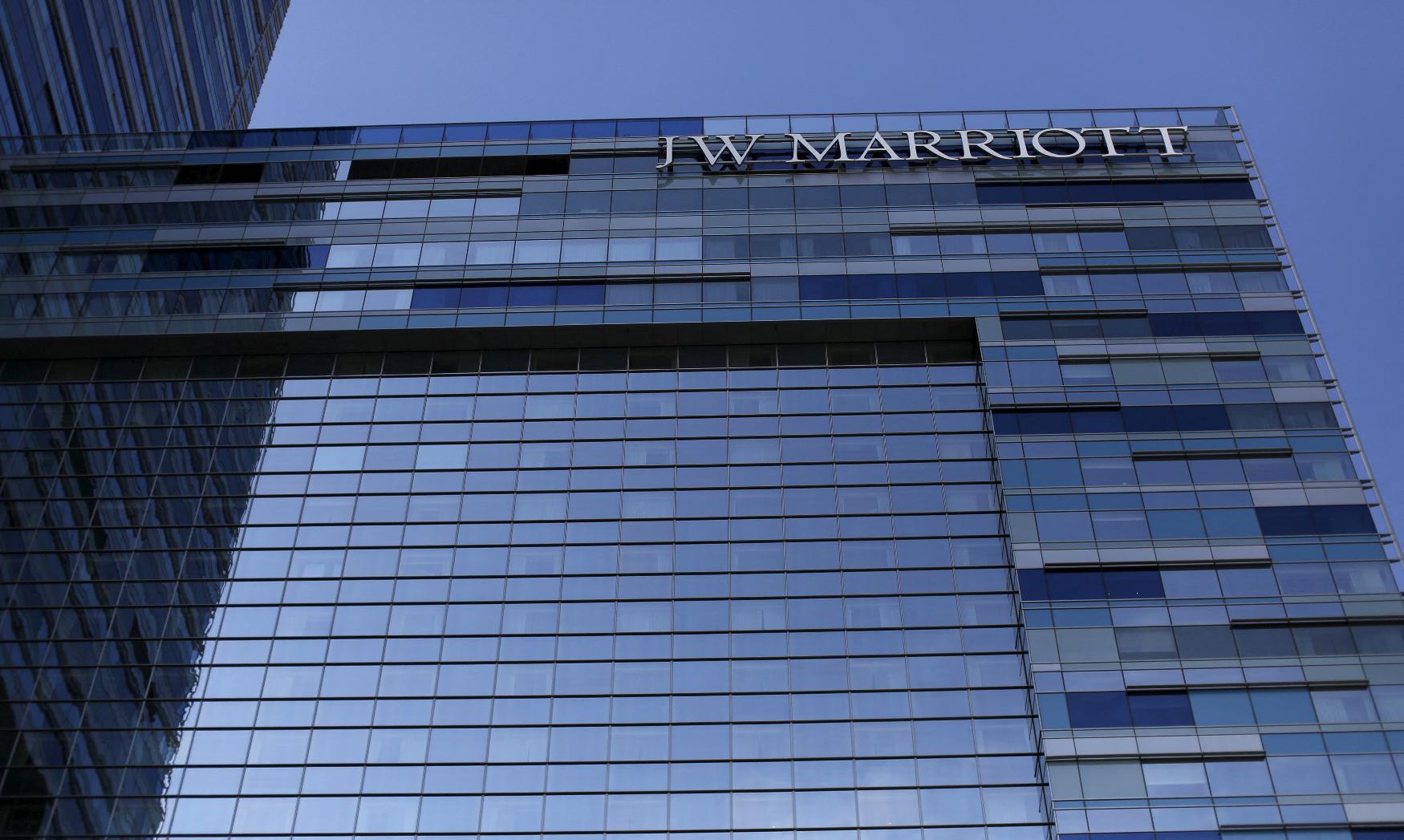
NEW YORK, March 25 (Reuters) - Independent hotel operators and giant global chains are increasingly linking up in franchise agreements as high-interest rates have slammed the hospitality industry, slowing down new hotel construction. For big chains, new franchise agreements from conversions keep investors happy by opening new hotels in the short term. Meanwhile, independent, unbranded hotels like switching to franchise agreements because it gives them greater access to potential bookings and cheaper financing from lenders. "Historically, global conversions have been 10% to 20% of the rooms entering the system, today it is probably closer to 40%," said Patrick Scholes, Truist equity analyst. For U.S.-based Marriott International (MAR.O) , opens new tab, conversions in 2023 accounted for 40% of organic room signings, double the 20% rate a year earlier. Half of France-based Accor's hotel openings last year were through conversions. That matches trends across the industry. "In a climate where the debt markets for new construction are somewhat constricted, the importance of conversions is elevated," Marriott’s CEO Anthony Capuano said on an earnings call earlier this year. Hotel operators benefited from the surge in "revenge travel" as the pandemic receded. However, the economic rebound also brought higher interest rates - making life more difficult for smaller operators who rely on capital borrowing to fund their operations. Roughly 1,980 hotels opened in 2023, down from 2,730 in 2019, according to hotel development intelligence firm Lodging Econometrics. "Access to hotel financing, especially in South America, is currently limited since many hotels faced difficulties in meeting their debts during the pandemic," said Fernanda L'Hopital, South America director of consulting and valuation at hospitality consulting firm HVS. A branded hotel may be more appealing to owners refinancing loans or facing a "wall of maturities" that were pushed back, said Robin Farley, UBS equity analyst. Approximately $217 billion in hotel loans are slated to mature globally by 2025, said Zach Demuth, JLL global head of hotels and hospitality research. Those loans are likely to be refinanced at higher interest rates. In the U.S., interest rates for new branded hotels are between 6.75% to 8.25%, up from 5-6% before the pandemic, said Shivan Perera, senior vice president of debts and participations at real estate lender Avana Capital. Un-branded operators generally have slightly higher rates between 7% and 9%. Brand-affiliated hotels have a lower cash-flow risk than independent hotels, according to a 2022 Cornell University study based on 4,000 hotels over 20 years. "Good brands, their loyalty program, their reservation system, typically will help a property perform better and so a lender will often have that as a requirement," UBS' Farley said. In Europe, real estate interest rates are trending at around 6% and 8%, up from 2.5% to 3% before the pandemic, said Tim Barbrook, head of debt advisory at HVS London. For branded hotels, rates are about 0.25% lower. "Some people have had 13 years of extremely low-cost money, said Barbrook. "They're coming off fixed rate loans into this much-higher rate environment. Many of our clients wish they could simply extend the facilities that they already have." Large operators have launched "soft" and conversion brands aimed at picking up independents. Those brands help boost net unit growth, analysts said. Hilton's franchise and licensing fee revenue rose 14.6% year-over-year in 2023 and 38.5% in 2022, while Marriott's were up 13% in 2023 and 40% in 2022. "Every couple 100 or 1,000 more rooms matter because there's a franchise fee associated with it," said Jan Freitag, director of U.S. hospitality at analytics firm CoStar. One such brand is Hilton's "Spark" chain, announced in January 2023. For smaller operators, a conversion gives them access to guests who exclusively rely on the chains' loyalty programs to book rooms. "We would have never done [the conversion] if we couldn't have done it with Hilton," said Lou Carrier, chief executive of Distinctive Hospitality Group, a development firm that opened the first Spark Hotel in Connecticut. "Within the first two months over 45% of that hotel's guests were Hilton Honors members. That was remarkable to me." The Reuters Daily Briefing newsletter provides all the news you need to start your day. Sign up here. https://www.reuters.com/business/big-hotel-chains-unbranded-hotel-owners-find-they-need-each-other-2024-03-25/
2024-03-25 05:07
March 25 (Reuters) - A fire early on Monday at one of the largest thermal power plants in southwestern Russia took two of its units out of operation, briefly disrupting supply to customers, the region's governor said. But there were no casualties and authorities were investigating the cause of the fire at the Novocherkassk power plant in Rostov, the governor, Vasily Golubev, said on the Telegram messaging app. Russia's defence ministry said its forces destroyed 11 drones launched overnight over Rostov by Ukraine, which borders the region, but did not say if there was any related damage. The Baza Telegram news channel, which is close to Russian law enforcement, said the fire at the plant was caused by Ukraine's drones, however. Reuters could not independently verify the report. Ukraine made no immediate comment on the attacks. Novocherkassk is one of the largest thermal power plants in Russia's southwest, its owner, OGK-2, which is controlled by a subsidiary of Russia's energy giant Gazprom (GAZP.MM) , opens new tab, says on its website. The Reuters Daily Briefing newsletter provides all the news you need to start your day. Sign up here. https://www.reuters.com/world/europe/two-units-offline-after-fire-russias-rostov-power-plant-governor-says-2024-03-25/


