2024-02-28 20:12
NEW YORK, Feb 28 (Reuters) - JBS (JBSS3.SA) , opens new tab, the world's largest beef producer, was sued on Wednesday by New York state's attorney general, which accused it of misleading the public about its impact on the environment in order to boost sales. Attorney General Letitia James said JBS USA Food Co, the Brazilian company's American-based unit, has "no viable plan" to reach net zero greenhouse gas emissions by 2040, making its stated commitment to achieving that goal false and misleading. James said JBS has admitted its "Net Zero by 2040" commitment did not incorporate the vast majority of greenhouse gas emissions from its supply chain, including from deforestation in the Amazon. She also said reaching the goal was "infeasible" given JBS' plan to increase production and therefore its carbon footprint, on top of greenhouse gas emissions that had by 2021 exceeded those of the entire country of Ireland. "Families [are] willing to spend more of their hard-earned money on products from brands that are better for the environment," James said in a statement. "JBS USA's greenwashing exploits the pocketbooks of everyday Americans and the promise of a healthy planet for future generations." The lawsuit filed in a New York state court in Manhattan seeks a $5,000 civil fine per violation of state business laws, and to recoup ill-gotten gains from false sustainability claims. JBS's businesses include Pilgrim's Pride (PPC.O) , opens new tab, one of the largest U.S. chicken producers. In a statement, JBS said it disagreed with the lawsuit. It also pledged to continue partnering with farmers, ranchers and others toward a "more sustainable future for agriculture" that uses fewer resources and reduces its environmental impact. The company generated about $53.5 billion of revenue , opens new tab in the first nine months of 2023, about 59% of which came from North America and Central America. JBS shares trade in Brazil. The company has been seeking to list its shares in the United States. https://www.reuters.com/markets/commodities/new-york-sues-meatpacking-giant-jbs-over-climate-claims-2024-02-28/
2024-02-28 20:11
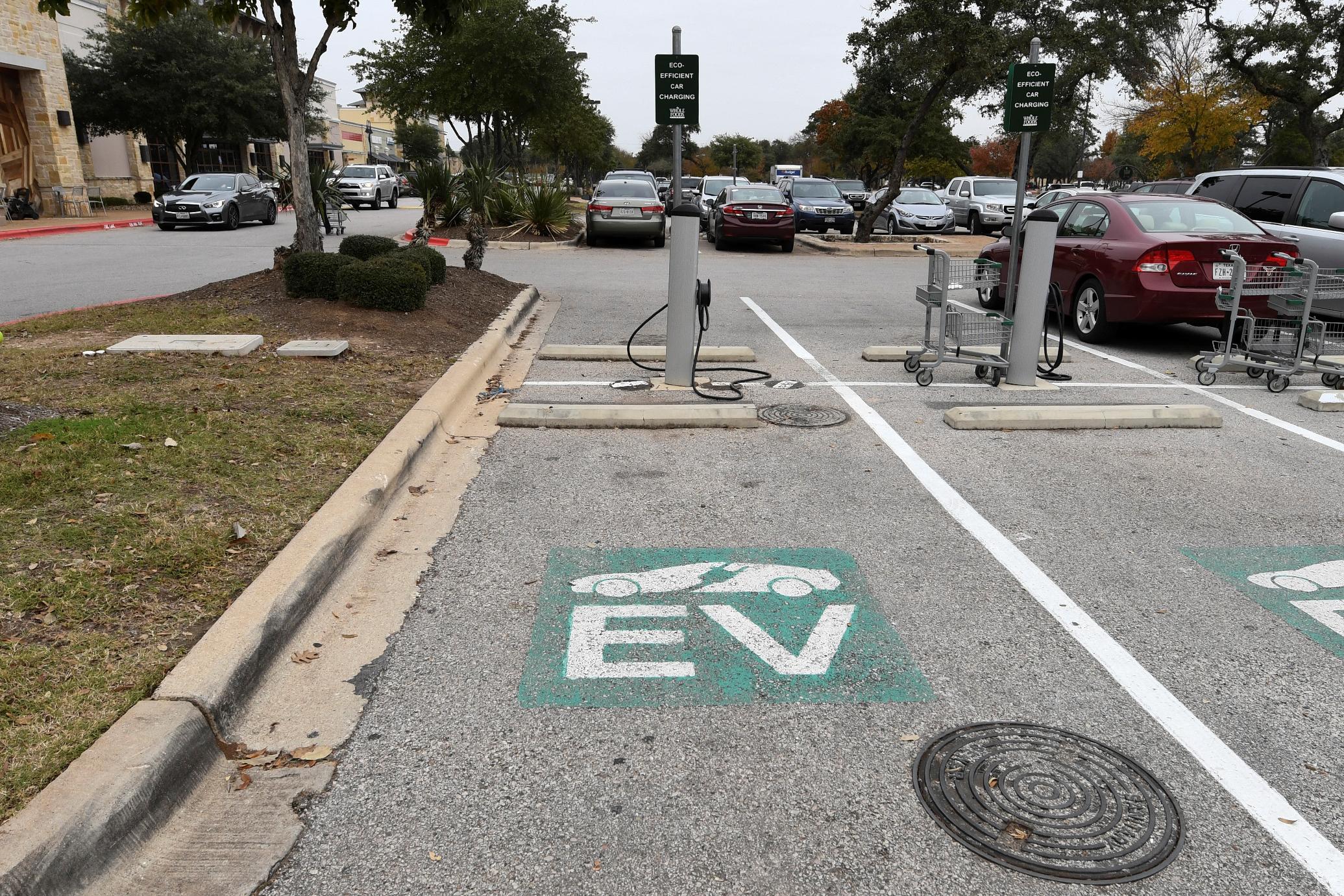
WASHINGTON, Feb 28 (Reuters) - Major automakers said on Wednesday that a California plan to end the sale of gasoline-only vehicles by 2035 might be unworkable in 11 other states that adopted it, citing insufficient consumer demand. The Alliance for Automotive Innovation, which represents most major automakers except Tesla (TSLA.O) , opens new tab, raised concerns in comments filed with the U.S. Environmental Protection Agency on California's proposal. The California Air Resources Board (CARB) asked the EPA for a waiver under the Clean Air Act to implement its plan to end sales of gasoline-only vehicles by 2035. California's EV requirements might be feasible "at least in the early years for California" but said the feasibility for other states with significantly lower current EV sales "is far less certain," the auto industry group said. The onus for complying with the rules rests with automakers but it is unclear "whether customers in each jurisdiction will accept (zero-emission vehicle) technologies and purchase them in sufficient quantities. These are largely beyond the control of automakers," the group that represents General Motors (GM.N) , opens new tab, Toyota (7203.T) , opens new tab, Volkswagen (VOWG_p.DE) , opens new tab and others said. CARB said in response: "States that have adopted California’s program understand that clean cars improve public health and address a global challenge." AAI said that in order to meet the 2035 goal sales of electric, plug-in electric hybrid or hydrogen fuel cell vehicles will need to more than double in all but one state adopting California's rules and triple in five. EPA did not immediately comment. Separately, the American Petroleum Institute, an industry group, urged EPA to reject California's plan, which it said represents "the ultimate regulatory intervention." President Joe Biden's administration has avoided setting a date to phase out the sale of gasoline-only vehicles. The EPA in April separately proposed rules to cut vehicle emissions through 2032, forecasting that 60% of new cars produced by automakers would need to be EVs by 2030 and 67% by 2032 to meet requirements. Reuters reported this month the EPA plans to soften yearly requirements through 2030. California's rules start in the 2026 model year and would cut smog-causing pollution from light-duty vehicles by 25% by 2037. They mandate 35% of new cars sold must be electric or plug-in hybrid by 2026. That proportion will rise to 68% by 2030 and 100% by 2035. California's rules require by 2035 that 80% of all new vehicles sold in the state be electric and no more than 20% plug-in hybrid electric. Chrysler parent Stellantis said in December it would temporarily cut one shift at its Detroit assembly plant that builds Jeep sport utility vehicles, citing California EV regulations. https://www.reuters.com/business/autos-transportation/automakers-question-feasibility-california-2035-ev-sales-mandate-plan-2024-02-28/
2024-02-28 19:45
ORLANDO, Florida, Feb 28 (Reuters) - Much of the debate around U.S. public finances centers on the assumption that structurally higher interest rates will push debt servicing costs to intolerable levels, risking a fiscal catastrophe that can only be averted through severe austerity. While borrowing costs and spending are justifiable sources of angst, this ignores the other side of the government's ledger. What if interest rates and bond yields stay 'higher for longer' partly because the economy is 'stronger for longer'? More vibrant growth boosts tax revenue, but this often gets lost in the noise surrounding the trajectory for spending. In its February forecasts the non-partisan Congressional Budget Office sketched out some pretty sobering figures , opens new tab. But it also estimated that the workforce will increase by 5.2 million people over the 2023-2034 period, mostly due to higher net immigration, which will boost economic output by $7 trillion and tax revenues by $1 trillion. "Higher immigration could help boost GDP growth on a sustained basis, and this would help stabilize the debt-to-GDP ratio," said Marc Giannoni, chief U.S. economist at Barclays. In a $28 trillion economy, the compound effect on tax revenues of annual economic or productivity growth exceeding consensus projections by one or two tenths of a percentage point can be significant. An interactive table , opens new tab on the CBO's website, based on its long-term projections from early last year, shows just how significant. All else equal, a 0.2 percentage point increase in productivity every year in the 2024-2033 decade would increase revenues by $673 billion and reduce the deficit by $400 billion, relative to the CBO's baseline projections. The economy would be almost $1 trillion larger at the end of the decade at $40.5 trillion, and the debt-to-GDP ratio would be 3.4 percentage points lower at 114.8%, again relative to original baseline projections. BOND MARKET NOT SPOOKED Economists note the importance to debt sustainability of the relationship between debt servicing interest costs and economic growth rates - also known as 'r minus g.' The CBO's baseline projections are for annual nominal GDP growth and the 10-year Treasury yield to both average around 4% over most of the coming decade. The average interest rate being paid on the $34 trillion of outstanding U.S. public debt is rising, and has just gone above 3%. However, that is still historically low, and well below recent and current nominal GDP growth rates of over 5%. Despite a rising term premium, huge debt issuance, and expectations that the Fed could soon raise 'R-star,' its estimate of the long-term neutral rate of interest, U.S. bond yields are lower than they were in October. Since the Fed first raised rates two years ago, Treasury market volatility has rarely been lower - partly because inflation has cooled and is now near target, but probably also in part due to a 'stronger for longer' economy. Stronger long-term growth may be needed to keep a lid on the deficit and debt, absent large tax hikes or major changes to mandatory spending programs like Social Security. "This leaves the rate of economic growth relative to interest rates as the crucial factor determining the path of the debt-to-GDP ratio over the next few decades," researchers at the San Francisco Fed wrote in February. "New technological advances, such as artificial intelligence, could fuel a productivity-led boost to long-run economic growth" they added. THE 'RIGHT' KIND OF GROWTH On a basic level, debt sustainability relies on the nominal rate of GDP growth exceeding the nominal rate of interest paid to service the federal debt, or the real GDP growth rate exceeding real borrowing costs. The primary budget balance, which excludes interest payments, is also a key measure. The CBO recently published its latest long-term projections and it's not hard to see why some of the numbers are cause for concern - persistently wide deficits, record interest payments as a share of GDP, and a steady increase in the debt-to-GDP ratio are all on the horizon. Billionaire hedge fund manager Geoffrey Gundlach warned recently that interest rates of 6% over the next five years would mean "50% of tax receipts would have to go to interest expense ... which is completely possible." The Fed policy rates doesn't directly influence long-term Treasury yields, but interest payments only appear to be going in one direction. Can growth help offset it, and more importantly, will it be the right kind of growth fueled by productivity gains or higher immigration? "If nominal GDP is accelerating because real growth is growing, that's a really good situation, but if it's inflation is going up, you're shooting yourself in the foot," said Joe Kalish, chief global macro strategist at Ned Davis Research. (The opinions expressed here are those of the author, a columnist for Reuters.) https://www.reuters.com/markets/us/stronger-longer-gdp-could-allay-us-fiscal-fears-mcgeever-2024-02-28/

2024-02-28 19:23
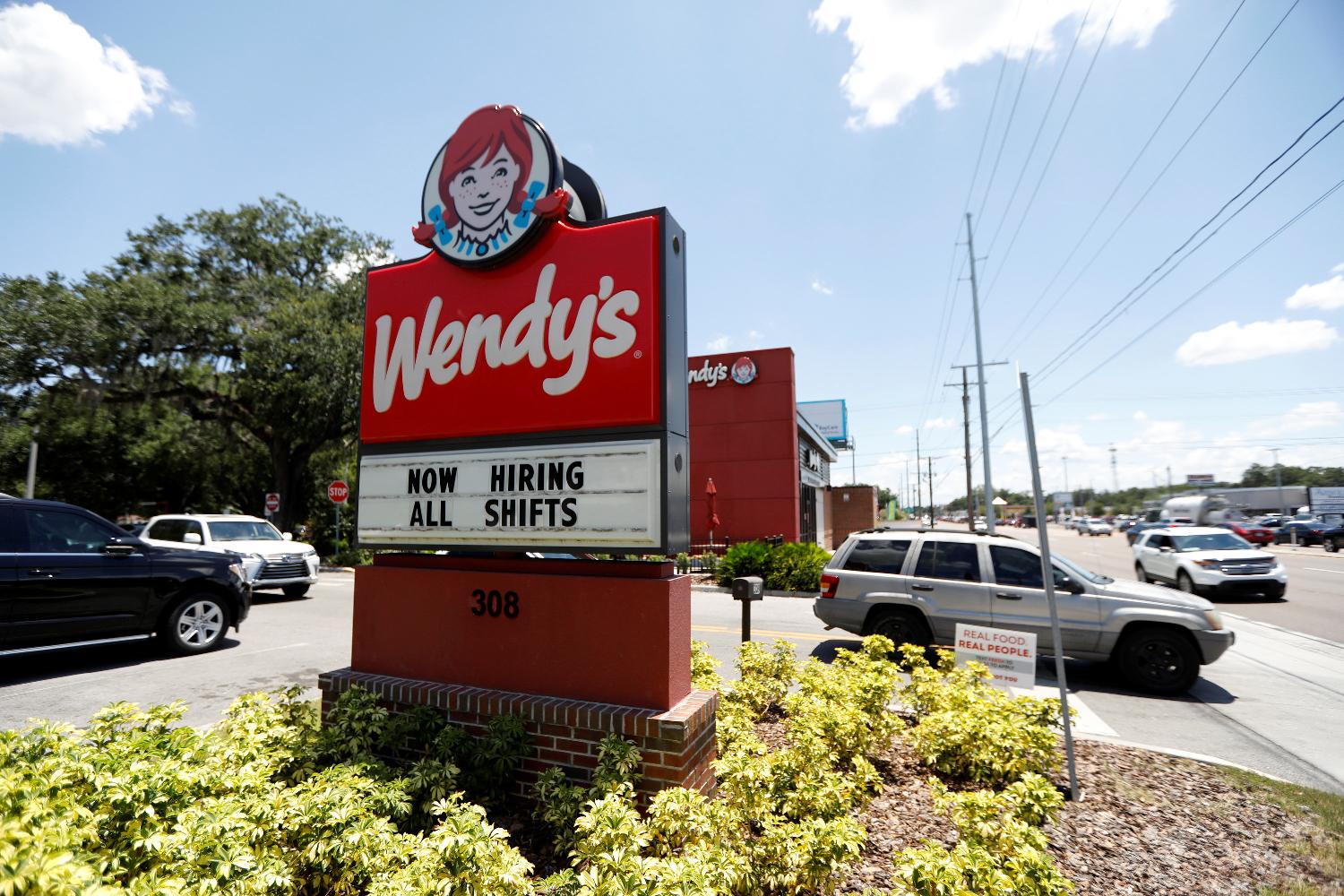
DALLAS, Feb 28 (Reuters) - Wendy's (WEN.O) , opens new tab said on Wednesday it has no plans to raise menu prices at times of peak demand, after the burger chain was scorched on social media sites for comments its CEO made earlier this month suggesting the chain may start testing "dynamic pricing." CEO Kirk Tanner told investors on a call this month that starting as early as 2025, Wendy's would begin testing features including "dynamic pricing and daypart offerings". Dynamic pricing refers to surge pricing based on demand, especially during peak hours of the day. Many people associate it with shifting airline ticket prices or how ride-hailing service Uber (UBER.N) , opens new tab adjusts fares at busy times. Tanner's comment sparked an online backlash this week, with some vowing to stack their freezer with the company's signature "Frosty" milkshakes to hoard for summer months. U.S. Senator Elizabeth Warren, in a post on the social media platform X on Wednesday, called it "price gouging plain and simple." Wendy's backtracked, saying in a statement to Reuters on Wednesday that it "would not raise prices when our customers are visiting us most." Its initiative to add digital menuboards to certain stores would allow Wendy's to offer discounts to customers more easily, "particularly in the slower times of day," the company said. Wendy's also claimed the menuboards would provide more flexibility to change the display of featured items, saying the comments were "misconstrued" in media reports to raise prices during periods of high demand. "We have no plans to do that," the company said. Tanner's comment was a hot topic at a restaurant conference in the Dallas area on Wednesday, with several executives responding warily to the idea that customers - already skittish after recent price increases - would welcome fluctuations in prices. "I don't see it taking off any time soon," said Victor Fernandez, a senior analyst at restaurant analytics firm Black Box Intelligence. Michael Lukianoff, CEO of SignalFlare.ai, who has consulted with restaurants about pricing for years, said "dynamic pricing" is a great success in other industries such as airlines, but would not work in restaurants. "Customers will shop elsewhere," he said. Warren's post on X, previously Twitter, said Wendy's plan "means you could pay more for your lunch, even if the cost to Wendy's stays exactly the same. It's price gouging plain and simple, and American families have had enough." Wendy's sales have slowed. Placer.ai data showed visits to Wendy's outlets declined in all three months of the fourth quarter of 2023. Wendy's shares, which dropped about 14% in 2023, were up 2% on Wednesday. The company recently issued a profit forecast for this year below Wall Street estimates, hurt by higher commodity and labor costs. https://www.reuters.com/business/retail-consumer/wendys-will-not-implement-surge-pricing-ceo-comment-causes-online-stir-2024-02-28/
2024-02-28 19:14
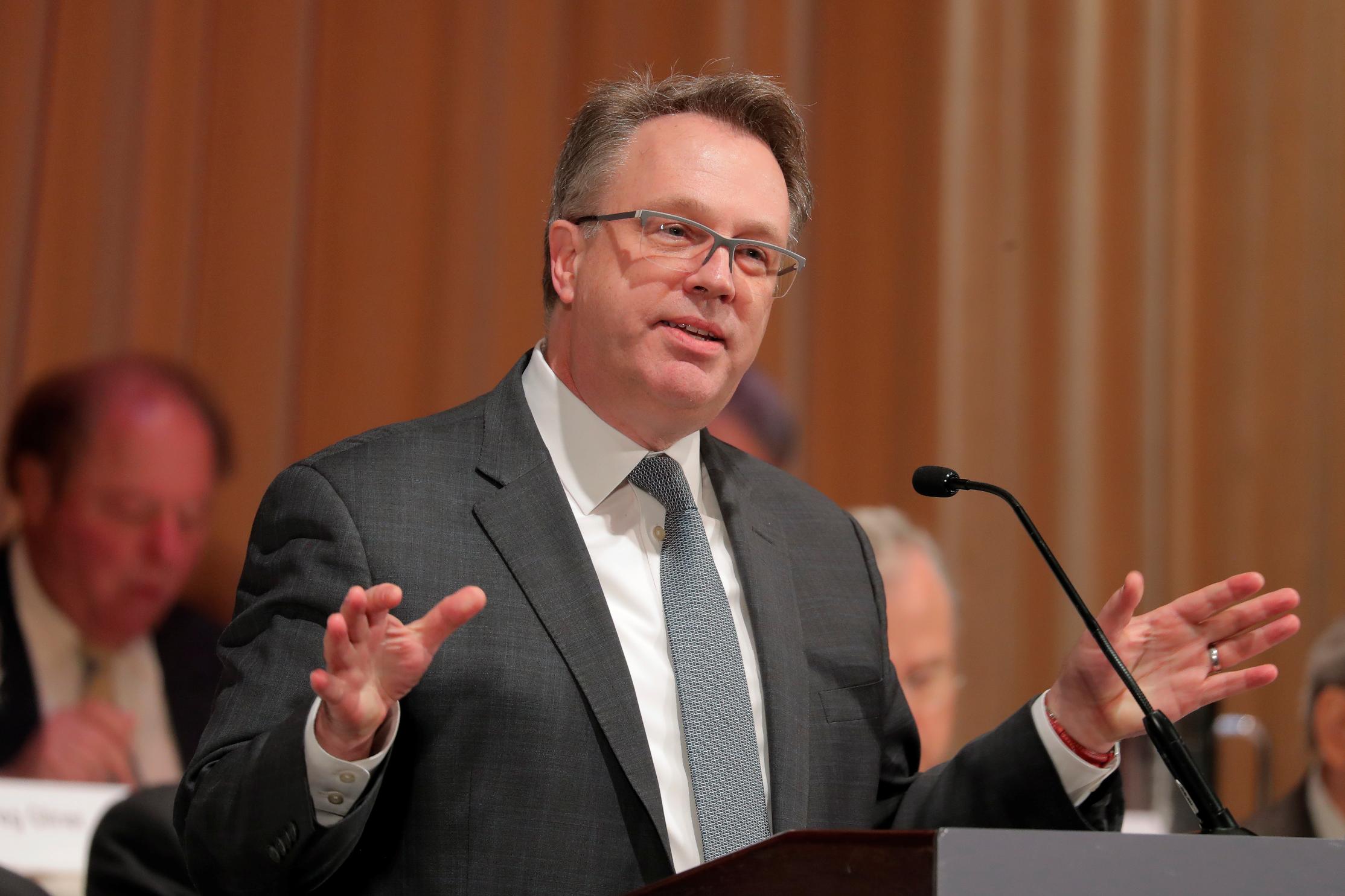
GARDEN CITY, N.Y., Feb 28 (Reuters) - New York Federal Reserve President John Williams said on Wednesday that even as there's still some distance to cover in achieving the U.S. central bank's 2% inflation target, the door is opening to interest rate cuts this year depending on how the data come in. "While the economy has come a long way toward achieving better balance and reaching our 2% inflation goal, we are not there yet," Williams said, adding, "I am committed to fully restoring price stability in the context of a strong economy and labor market." Williams was speaking to a gathering of the Long Island Association in Garden City, New York. He did not offer any firm guidance on what's next for the U.S. central bank's monetary policy stance, although he noted the start of the process of lowering rates could come "later this year." Williams also said the Fed "has the time" to take in data before making the call to lower borrowing costs, and noted "as we navigate the remainder of this journey, I will be focused on the data, the economic outlook, and the risks, in evaluating the appropriate path for monetary policy that best achieves our goals." Fed officials at their policy meeting in December penciled in three rate cuts to the benchmark overnight interest rate, which is currently set in the 5.25%-5.50% range. Recent inflation data has caused financial markets to push back the timing of the first rate cut. Williams told reporters after his speech that the economy looks much like it did in December when officials penciled in the rate cuts. He said "my view is that something like the three-rate-cuts-this-year projection from December is a reasonable kind of starting point" for the Fed to debate, adding "we're in a good position" when it comes to using monetary policy to achieve the central bank's goals. The Fed is set to update key forecasts on the economy and monetary policy at its March 19-20 policy meeting. In his speech, Williams said inflation has "declined significantly" over the past year and a half amid "broad-based" retreats in the components that make up inflation measurements. But he added, "we still have a ways to go on the journey to sustained 2% inflation." Williams said he sees inflation ebbing to between 2% to 2.25% this year and to 2% next year. Overall inflation pressures measured by the personal consumption expenditures price index were up by 2.6% in December from the same month a year earlier. Noting the unexpected strength of recent consumer level inflation data, Williams said there are likely to be "bumps along the way" back to 2%. Williams also said he expects economic growth to slow this year to around 1.5% and for the current 3.7% unemployment rate to rise to around 4%. He said that while risks to the outlook remain, the economy has nevertheless become more balanced. https://www.reuters.com/markets/us/feds-williams-still-ways-go-achieve-2-inflation-goal-2024-02-28/
2024-02-28 18:09
Fourth-quarter GDP growth trimmed to 3.2% rate Consumer spending raised to 3.0% pace from 2.8% rate Inflation increase revised slightly higher WASHINGTON, Feb 28 (Reuters) - U.S. economic growth in the fourth quarter was lowered slightly, but its composition was much stronger than initially thought, which bodes well for the near-term outlook even as activity got off to a weak start because of freezing temperatures. The Commerce Department's slight downward revision to gross domestic product growth on Wednesday reflected a downgrade to inventory investment. There were upgrades to consumer spending, state and local government investment as well as residential and business outlays. The economy has defied dire warnings of a recession after the Federal Reserve aggressively raised interest rates to tame inflation, thanks to a tight labor market that is keeping wages elevated and supporting consumer spending. "Though weather wreaked havoc on some of the data for January, risks are still weighted toward the upside for growth early this year," said Ryan Sweet, chief U.S. economist at Oxford Economics. "A weather-related rebound in activity in February coupled with a recent surge in tax refunds should provide a boost to growth in retail sales." GDP increased at a 3.2% annualized rate last quarter, revised slightly down from the previously reported 3.3% pace, the Commerce Department's Bureau of Economic Analysis said in its second estimate of fourth-quarter GDP growth. Economists polled by Reuters had expected GDP growth would be unrevised. Private inventory investment is now estimated to have increased at a $66.3 billion rate instead of the previously reported $82.7 billion pace. Inventories subtracted 0.3% percentage point from GDP growth instead of adding 0.1 percentage point as initially thought. The economy grew at a 4.9% pace in the July-September quarter. It expanded 2.5% in 2023, an acceleration from 1.9% in 2022, and is growing above what Fed officials regard as the non-inflationary growth rate of 1.8%. Consumer spending, which accounts for more than two-thirds of U.S. economic activity, increased at a 3.0% rate, adding two percentage points to GDP growth. It was previously estimated to have grown at a 2.8% pace. Stronger consumer spending together with the upgrades to investment in homebuilding and business outlays, mostly nonresidential structures like factories, means domestic demand was stronger than initially thought. Final sales to private domestic purchasers, a measure of domestic demand, grew at a 2.9% rate instead of the previously reported 2.6% rate. SMALL UPWARD INFLATION REVISION With demand firmer, inflation was revised slightly up, but the pace of increase was still milder relative to earlier in the year. The personal consumption expenditures (PCE) price index excluding the volatile food and energy components rose at a 2.1% pace. The so-called core PCE price index was initially reported to have increased at a 2.0% rate. Core inflation last quarter was a touch above the Fed's 2% target, and continues to be driven by higher housing costs. Economists largely maintained their forecasts for January PCE inflation, due to be published on Thursday. Inflation is expected to have accelerated following larger-than-expected increases in consumer, producer and import prices in January. The pick-up in inflation, which led financial markets to push back rate-cut expectations to June from May, were attributed to price rises at the beginning of the year. Economists expect core PCE inflation rose 0.4% in January, with the risk of it being rounded up to 0.5%. The core PCE price index climbed 0.2% in December. In the 12 months through January, core inflation was forecast to increase by about 2.9%, matching December's rise. Since March 2022, the U.S. central bank has raised its policy rate by 525 basis points to the current 5.25%-5.50% range. Stocks on Wall Street were trading lower on Wednesday, while the dollar edged higher against a basket of currencies. Prices of U.S. Treasuries ticked up. "The mix of spending in the fourth quarter shifted to more final demand," said Conrad DeQuadros, senior economic advisor at Brean Capital in New York. "This revision may lift projections for first-quarter growth modestly." The Atlanta Fed is currently estimating GDP to rise at a 3.2% rate in the first quarter. But not every economist is dismissing the weakness in the January economic data as a weather-related phenomenon. Some also noted that business spending on equipment, which was revised to show it contracting instead of rising last quarter, appears to have remained subdued last month. Shipments of non-defense capital goods fell by the most in more than three years in January. Consumer confidence has also soured somewhat and the trade deficit appears to have widened in January. The goods trade deficit increased 2.6% to $90.2 last month, the Commerce Department's Census Bureau said in a separate report on Wednesday. Exports rose 0.2% to $170.4 billion, but were outpaced by a 1.1% jump in imports to $260.6 billion. Exports added 0.69 percentage point to GDP growth last quarter. "The U.S. economy continues to lead the world, but for how long is the question," said Christopher Rupkey, chief economist at FWDBONDS in New York. "It would not take much to upset the apple cart and turn the economic outlook sour later this year with geopolitical risks never far away." https://www.reuters.com/world/us/us-fourth-quarter-economic-growth-revised-slightly-lower-2024-02-28/