2024-06-05 20:17
Month of May caps 12 months of record temperatures UN's Guterres warns of 'highway to climate hell' Urges countries to cut CO2 emissions faster Scientists say even warmer years ahead BRUSSELS/GENEVA, June 5 (Reuters) - Each of the past 12 months ranked as the warmest on record in year-on-year comparisons, the EU's climate change monitoring service said on Wednesday, as U.N. Secretary-General António Guterres called for urgent action to avert "climate hell". The average global temperature for the 12-month period to the end of May was 1.63 degrees Celsius (2.9 degrees Fahrenheit) above the pre-industrial average - making it the warmest such period since record-keeping began in 1940, the Copernicus Climate Change Service said. This 12-month average does not mean that the world has yet surpassed the 1.5 C (2.7 F) global warming threshold, which describes a temperature average over decades, beyond which scientists warn of more extreme and irreversible impacts. In a separate report, the U.N.'s World Meteorological Organization (WMO) said there is now an 80% chance that at least one of the next five years will mark the first calendar year with an average temperature that temporarily exceeds 1.5C above pre-industrial levels - up from a 66% chance last year. Speaking about the findings, U.N. Secretary-General António Guterres emphasized how quickly the world was heading in the wrong direction and away from stabilizing its climate system. "In 2015, the chance of such a breach was near zero," Guterres said in a speech marking World Environment Day. With time running out to reverse course, Guterres urged a 30% cut in global fossil fuel production and use by 2030. "We need an exit ramp off the highway to climate hell," he said, adding: "The battle for 1.5 degrees will be won or lost in the 2020s." 'WAY OFF TRACK' Carbon dioxide emissions from burning fossil fuels - the main cause of climate change - hit a record high last year despite global agreements designed to curb their release and a rapid expansion in renewable energy. Coal, oil and gas still provide more than three quarters of the world's energy, with global oil demand remaining strong. The latest climate data show that the world is "way off track" from its goal of limiting warming to 1.5 C - the key target of the world's 2015 Paris Accord, WMO Deputy Secretary-General Ko Barrett said. "We must urgently do more to cut greenhouse gas emissions, or we will pay an increasingly heavy price in terms of trillions of dollars in economic costs, millions of lives affected by more extreme weather, and extensive damage to the environment and biodiversity," Barrett said. Barrett described the cooling effect of La Nina weather conditions, which are expected to take hold later this year, as "a mere blip in the upward curve" in the heat felt across the globe. "We all need to know that we need to reverse this curve and we need to do it urgently," she said. While last year registered as the warmest calendar year on record at 1.45 C (2.61 F) above pre-industrial temperatures, at least one of the next five years is likely to be even warmer than 2023, the WMO data show. Scientists at Copernicus said there were some surprising developments - such as the steep loss of Antarctic sea ice in recent months - but that the overall climate data were in line with projections of how rising greenhouse gas emissions would heat the planet. "We have not seen anything like this in the last several thousand years," said Copernicus Director Carlo Buontempo. Guterres took aim at fossil fuel companies. "The Godfathers of climate chaos – the fossil fuel industry – rake in record profits and feast off trillions in taxpayer-funded subsidies," he said. Drawing a comparison with many governments' restrictions on advertising for harmful substances like tobacco, he said, "I urge every country to ban advertising from fossil fuel companies, and I urge news media and tech companies to stop taking fossil fuel advertising." Sign up here. https://www.reuters.com/sustainability/world-hits-streak-record-temperatures-un-warns-climate-hell-2024-06-05/

2024-06-05 20:00
CAIRO, June 5 (Reuters) - Yemen's Iran-allied Houthis said they had launched attacks on three ships in the Red Sea and the Arabian Sea - though shipping giant Maersk (MAERSKb.CO) New Tab, opens new tab dismissed the militants' report that the targets included one of its vessels. The Houthis, who control the most populous parts of Yemen, have been attacking shipping in the region for months, in what they say is an act of solidarity with Palestinians fighting Israel in Gaza. The movement used missiles and drones against two ships - Roza and Vantage Dream - in the Red Sea, military spokesperson Yahya Saree said in a televised address on Wednesday. He did not say when the attacks took place. Saree his group also used drones against the U.S. vessel Maersk Seletar in the Arabian Sea, again without giving further details. Maersk's Media Relations Manager Kevin Doell said on Thursday no such incident had been reported by Maersk Seletar which was pressing on with its voyage. Sign up here. https://www.reuters.com/world/middle-east/yemens-houthis-target-three-vessels-red-sea-arabian-sea-2024-06-05/

2024-06-05 19:34
SANTIAGO, June 5 (Reuters) - Chile's financial regulator said on Wednesday it is aiming to respond as quickly as possible to a complaint from China's Tianqi Lithium (002466.SZ) New Tab, opens new tab over a planned lithium partnership between miner SQM (SQMA.SN) New Tab, opens new tab and Chilean state miner Codelco. Tianqi, which holds about a fifth of shares in SQM, has argued to the regulator that a shareholders' vote is needed to approve the agreement. The deal would give Codelco a majority stake of SQM's lithium operations in Chile's Atacama salt flat. SQM and Codelco announced the final terms last week but said certain conditions still needed to be met, including a rejection of Tianqi's proposal by Chile's Financial Market Commission (CMF). SQM has maintained that only a board vote is required, citing an earlier CMF determination. Asked about the matter in a Senate hearing, the regulator's President Solange Bernstein said the commission was aiming to work quickly. It received Tianqi's appeal in May and requested a response from SQM by Monday. "We are going to take a while to be able to resolve it, but we're going to do it as quickly as possible," she said. "We have to analyze the details of the agreement, as well as SQM's response." The commission's legal director, Jose Antonio Gaspar, said Tianqi could appeal the CMF decision to a court. Tianqi said in a filing on Sunday with the Shenzhen Stock Exchange it may consider further action to protect its interests. Sign up here. https://www.reuters.com/markets/commodities/chilean-regulator-aims-quick-decision-tianqi-sqm-dispute-2024-06-05/

2024-06-05 18:59
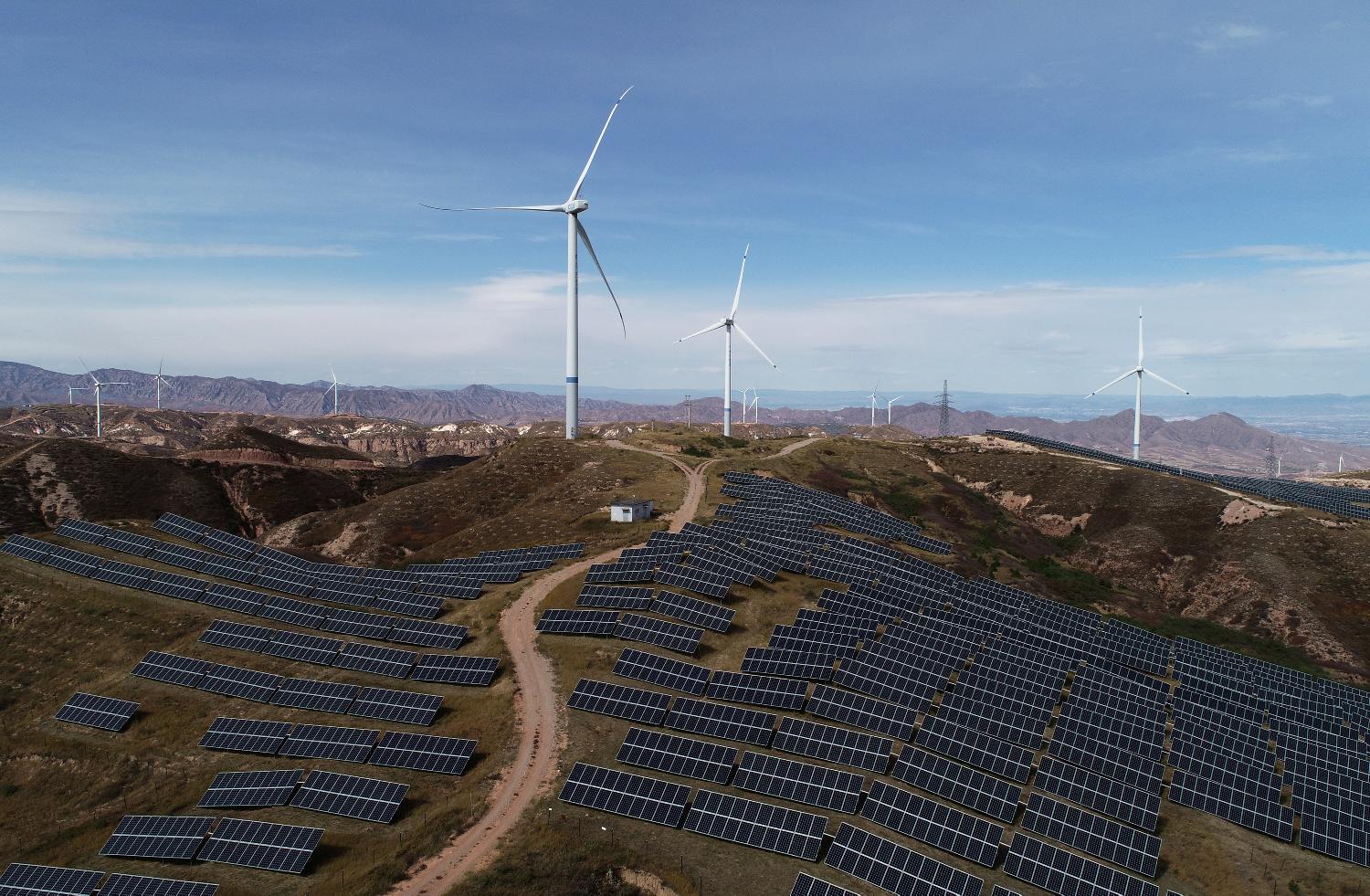
SAO PAULO, June 5 (Reuters) - Chinese electricity company SPIC announced on Wednesday a 780 million reais ($147.41 million) investment in construction of two new wind farms in Northeastern Brazil, while making its debut in the country's solar sector, with two large parks beginning operations. The company is diversifying its portfolio and aiming to become one of Brazil's three largest energy generators, Adriana Waltrick, CEO of SPIC's Brazilian unit, told Reuters. SPIC's new wind farms, to be built in Rio Grande do Norte state, will have a combined installed capacity of 105.4 megawatts (MW) to be sold on the free energy market. Construction work is expected to begin by January 2025 and operations should start the following year. New solar parks were inaugurated this week in Piaui and Ceara states, totaling 738 megawatts-peak (MWp) of power. SPIC holds a 70% stake of the parks, which the Chinese company purchased in 2022 when they were under development by Recurrent Energy. Recurrent, formerly Canadian Solar, remains a shareholder and operates the project. The solar plants received 2 billion reais in investments and all energy produced will be sold on the free energy market. Around 65% of the energy has already been sold under long-term contracts, and the remaining 35% will be negotiated under shorter deals. "These projects demonstrate the appetite we have for Brazil and for renewable energy sources" said CEO Waltrick. SPIC has approximately 3,800 MW of installed capacity with assets in operation in Brazil, considered one of the company's priority markets. The firm is awaiting news from the Brazilian government about energy auctions already planned for this year, and would also be interested in taking part in possible bids for new hydroelectric plants, should the government decide to resume such projects. The Chinese giant's projects in the country also involve studies into the production of green hydrogen associated with installation of offshore wind turbines, a generation technology already mastered by the company outside Brazil. ($1 = 5.2914 reais) Sign up here. https://www.reuters.com/business/energy/chinas-spic-invests-147-million-brazil-wind-farms-launches-solar-parks-2024-06-05/
2024-06-05 18:25
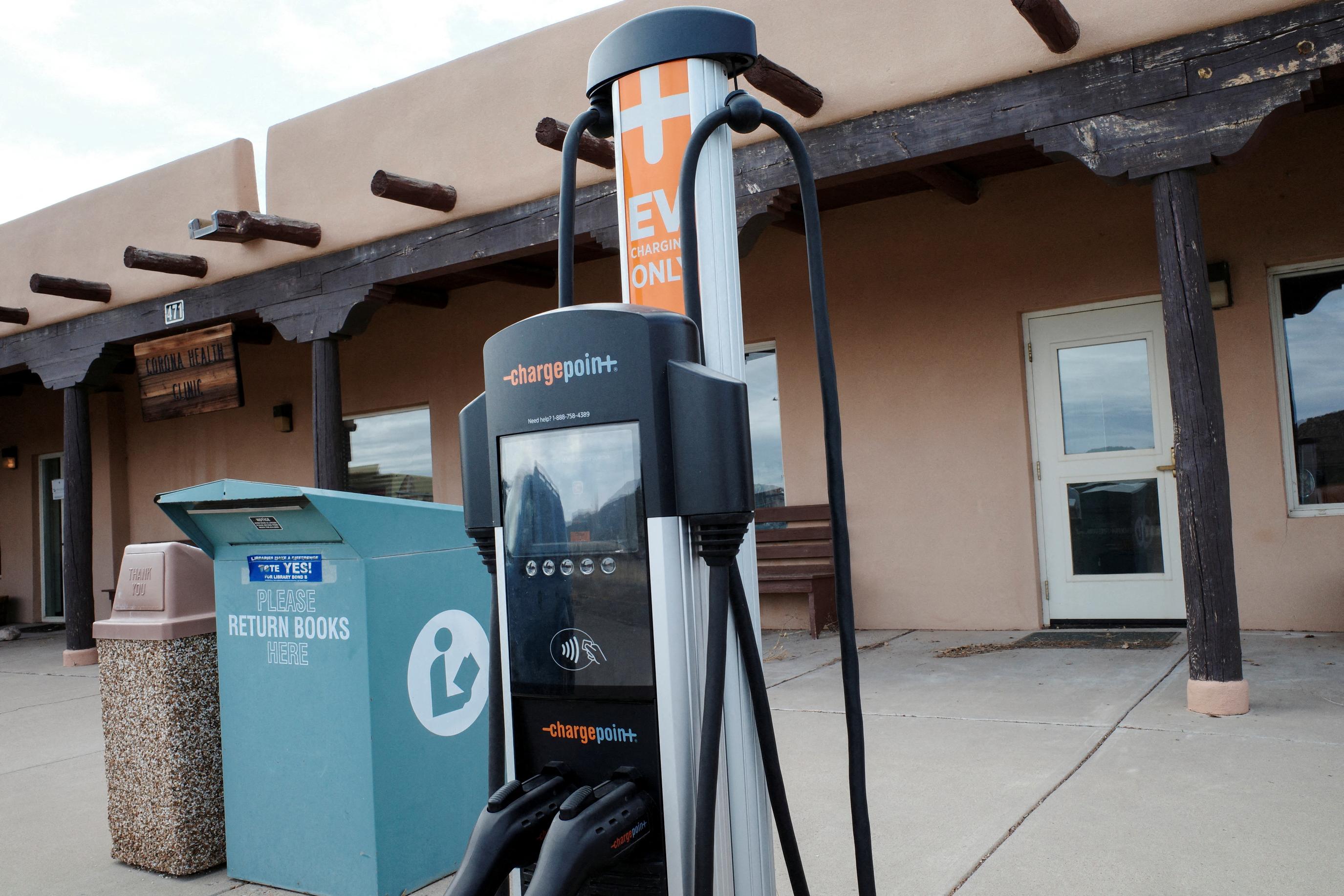
WASHINGTON, June 4 (Reuters) - Just seven electric-vehicle (EV) charging stations have begun operating with funding from a $5-billion U.S. government program created in 2021, marking "pathetic" progress, a Democratic senator said on Wednesday. Automakers and others say drastically expanding EV-charging stations is crucial to the wide deployment of electric vehicles, which are part of the Biden Administration's efforts to reduce greenhouse gas emissions. The seven EV-charging stations deployed to date under a 2021 U.S. program consist of a few dozen total charging ports, said Shailen Bhatt, who heads the Federal Highway Administration (FHWA), at a Senate Environment and Public Works (EPW) committee hearing. "That is pathetic. We're now three years into this ... That is a vast administrative failure," said Senator Jeff Merkley. "Something is terribly wrong and it needs to be fixed." He also criticized the fact that EV-charging stations cannot be deployed at rest stops under existing federal highway rules. Bhatt said he too is frustrated with slow deployment and said the agency is working with states on their plans to deploy EV chargers. "There are a number of problems," Bhatt said, noting states are dealing with multiple programs. Senate EPW committee chair Tom Carper said he was considering holding a hearing on slow EV-charging deployments. "We want to make sure that the federal money that we have allocated is being used for the right purposes," Carper said. Republican lawmakers in February raised concerns with implementation of the EV program and said "little progress has been made." The White House goal is to grow the nationwide network of chargers to 500,000 ports, including high-speed chargers - no more than 50 miles (80 km) apart - on the nation's busiest highways. Energy Secretary Jennifer Granholm told Reuters on Tuesday that 27 states have issued commercial requests to build charging stations and she expected about 1,000 EV-charging stations in public places to be operational by year-end from the federal government program. "These are the hardest ones to do," Granholm said, adding that some areas where charging stations will be deployed do not yet have electricity. As of December, the United States had 183,000 public charging ports and since the start of the Biden administration, the number of publicly available fast-charging ports has increased by 90%, Bhatt said, adding he is confident the United States will hit the 500,000 charging port goal. Sign up here. https://www.reuters.com/world/us/democrat-calls-only-7-ev-charging-stations-deployed-under-us-program-pathetic-2024-06-05/
2024-06-05 17:16
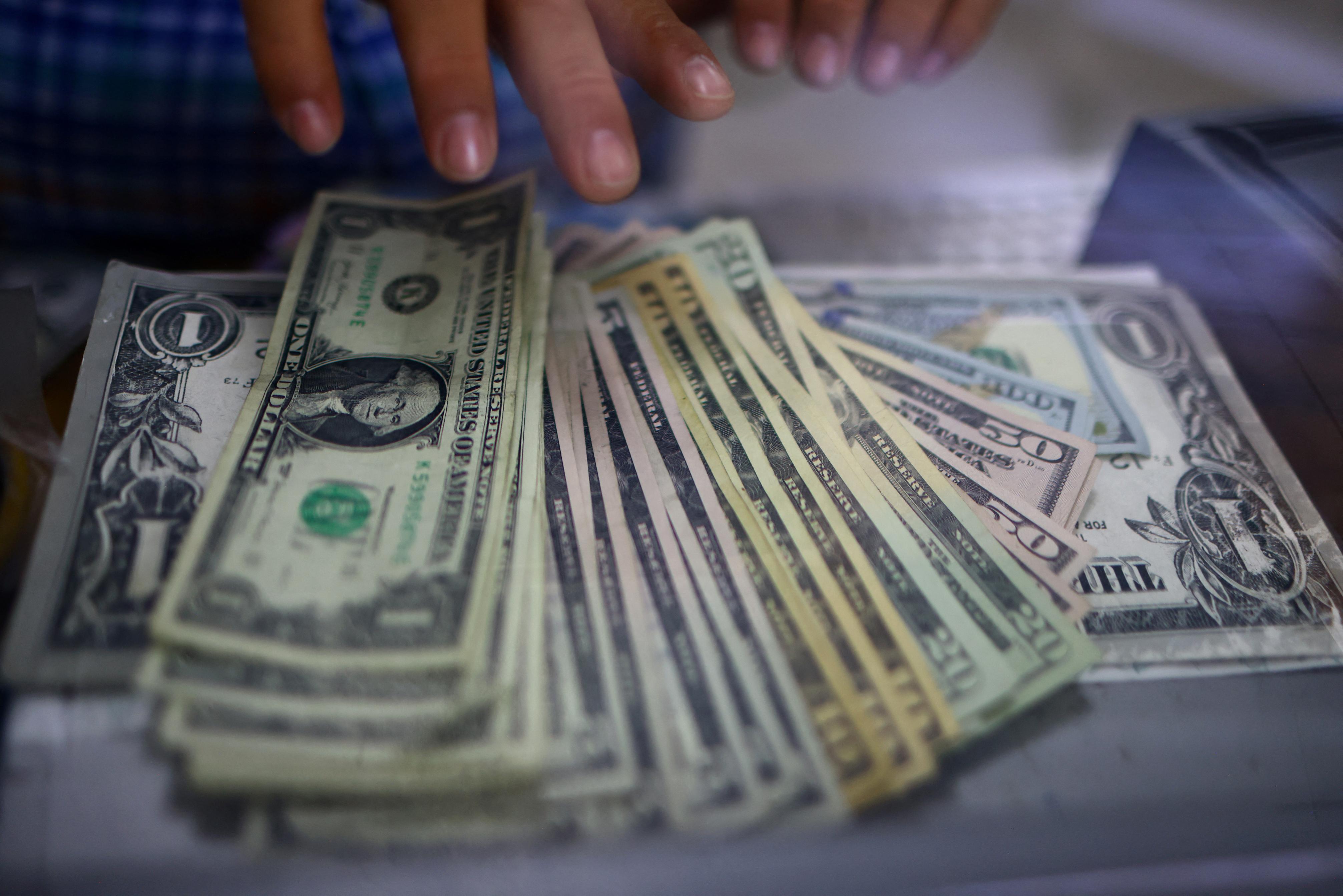
AMSTERDAM, June 5 (Reuters) - Banks which for years have talked about creating 'tokenised' versions of assets like bonds and currencies say a shift to blockchain-based trading is taking longer than expected, with some investors cautious about the idea. By creating tokenised assets - usually blockchain-based tokens to represent holdings of mainstream assets such as currencies or bonds - banks hope to make it more efficient, faster and cheaper to trade, and easier to record who owns want. Consultants and digital asset executives predict that a significant proportion of the world's assets will be tokenised via blockchain - HSBC and Northern Trust said in a note last year they expected 5% to 10% of all assets by 2030. But executives speaking at the Money20/20 fintech conference this week said the shift to digital versions of assets was moving slowly. "It's taken longer than I expected, to be honest, to get to the point where we are in this space," Ryan Rugg, Head of Digital Assets for Citibank's trade and treasury solutions business told the Amsterdam event. "We've experimented with money markets and bonds but nothing that's live and scaling right now, the only application that we have live is a tokenised deposit." Despite this, Rugg said she remained enthusiastic about tokenisation with the aim to create a tokenised deposit that can be sent 24/7, 365 days a year, avoiding cut-offs in different timezones or for banking holidays. Clients are requesting it and the token has been live since last year, Rugg added. While there have been various experimental projects - for example, to create blockchain-based bonds - tokenised trading lacks a liquid secondary market. Having spent seven years attempting to re-build its software platform around blockchain, Australia's stock exchange eventually "paused" the project and announced last year the upgrade would no longer involve the technology. Monica Long, president of U.S. crypto firm Ripple, told Reuters that many U.S. banks have "put digital asset services a bit on hold". Ripple last year acquired crypto custody firm Metaco and Long said it was going well - pointing to a recent partnership with HSBC. One of the main impediments to trading traditional assets via blockchain is that banks are working on their own networks, executives say, making it difficult to trade across platforms. "Fragmentation slows down adoption, as investors don't want to connect to dozens of different networks," said Julien Clausse, head of BNP Paribas' digital asset platform AssetFoundry ahead of the event. "More likely than not, we will continue to operate in a hybrid world for years to come, with some domains more actively tokenised because of the perceived benefits, and some others remaining in a the traditional world," Clausse said. Sign up here. https://www.reuters.com/business/finance/banks-drive-tokenise-assets-moves-slower-than-expected-2024-06-05/