
2024-05-10 11:26
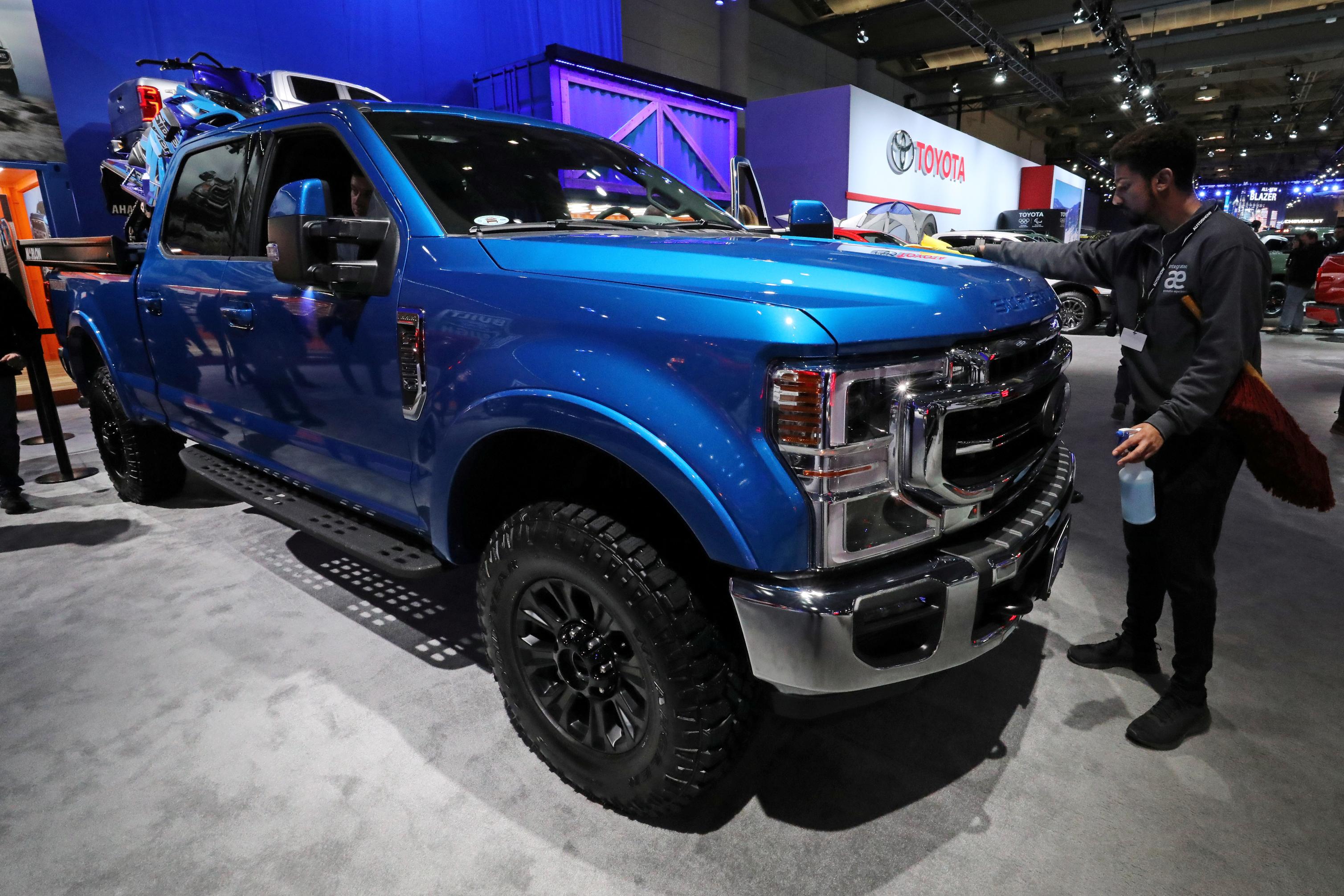
May 10 (Reuters) - The U.S. auto safety regulator said on Friday it was opening a preliminary evaluation into 210,960 Ford (F.N) New Tab, opens new tab vehicles following complaints alleging diesel fuel leaks that may result in a fire. The National Highway Traffic Safety Administration said its Office of Defects Investigation has received 27 complaints, including 12 reports of fires and a total of four injuries, and that it would investigate Ford F-250, 350, 450, and 550 Super Duty vehicles equipped with 6.7L diesel engines of model years 2015-2021. The agency said a fracture in the secondary fuel filter in the vehicles could result in a fire, as the proximity of the filter to high heat sources creates a potential for auto-ignition thermal events and fires. The NHTSA has contacted the filter's maker, Allevard Sogefi USA, and said it learned the secondary fuel filter is tested to operate at reduced levels of pressure during the manufacturing process, compared with the possible maximum operating pressure in the fuel system of the vehicle. Ford said it was working with the NHTSA to support its investigation. Allevard Sogefi USA's parent Sogefi (SGFI.MI) New Tab, opens new tab was not immediately available for a comment. The agency's preliminary evaluation is the first step to determine whether the vehicles pose an unreasonable risk to safety. It could close the investigation without taking any potential action. Separately, the NHTSA said on Thursday it had "significant safety concerns" over Ford's recall of more than 42,000 SUVs over concerns on fuel leaks that could lead to an engine fire. While Ford had proposed an engine control software update and installation of a drain, the NHTSA said the company's plan "does not address the root cause of the issue and does not proactively call for the replacement of defective fuel injectors prior to their failure". Sign up here. https://www.reuters.com/business/autos-transportation/us-auto-regulator-opens-probe-into-over-200000-ford-vehicles-2024-05-10/
2024-05-10 11:21
LONDON, May 10 (Reuters) - The Scottish government on Friday confirmed a case of classical bovine spongiform encephalopathy (BSE), known as mad cow disease, at a farm in the southwest of the country, the first British case of the disease in over two years. The government has imposed precautionary movement restrictions at impacted premises and on animals that have been in contact with the case in Ayrshire, it said in a statement. Further investigations to identify the origin of the disease at the farm are ongoing, the Scottish government statement said, adding there was no risk to human health. "I want to reassure both farmers and the public that the risk associated with this isolated case is minimal. But, if any farmers are concerned, I would urge them to seek veterinary advice," Chief Veterinary Officer Sheila Voas said. BSE was first detected in Britain in the late 1980s, spreading from there to other parts of Europe and ravaging cattle herds until the early 2000s. It has been linked to the brain-wasting Creutzfeldt-Jakob disease in humans. BSE incidence has markedly decreased over recent years and is now estimated to be close to zero cases per year worldwide, according to the World Organisation for Animal Health (WOAH). The previous confirmed classical BSE case in Britain was in 2021 New Tab, opens new tab, and an atypical case of the disease was reported last year. Classical BSE occurs through the consumption of contaminated feed, while atypical BSE refers to naturally and sporadically occurring forms. Sign up here. https://www.reuters.com/world/uk/scotland-reports-case-mad-cow-disease-2024-05-10/

2024-05-10 10:34
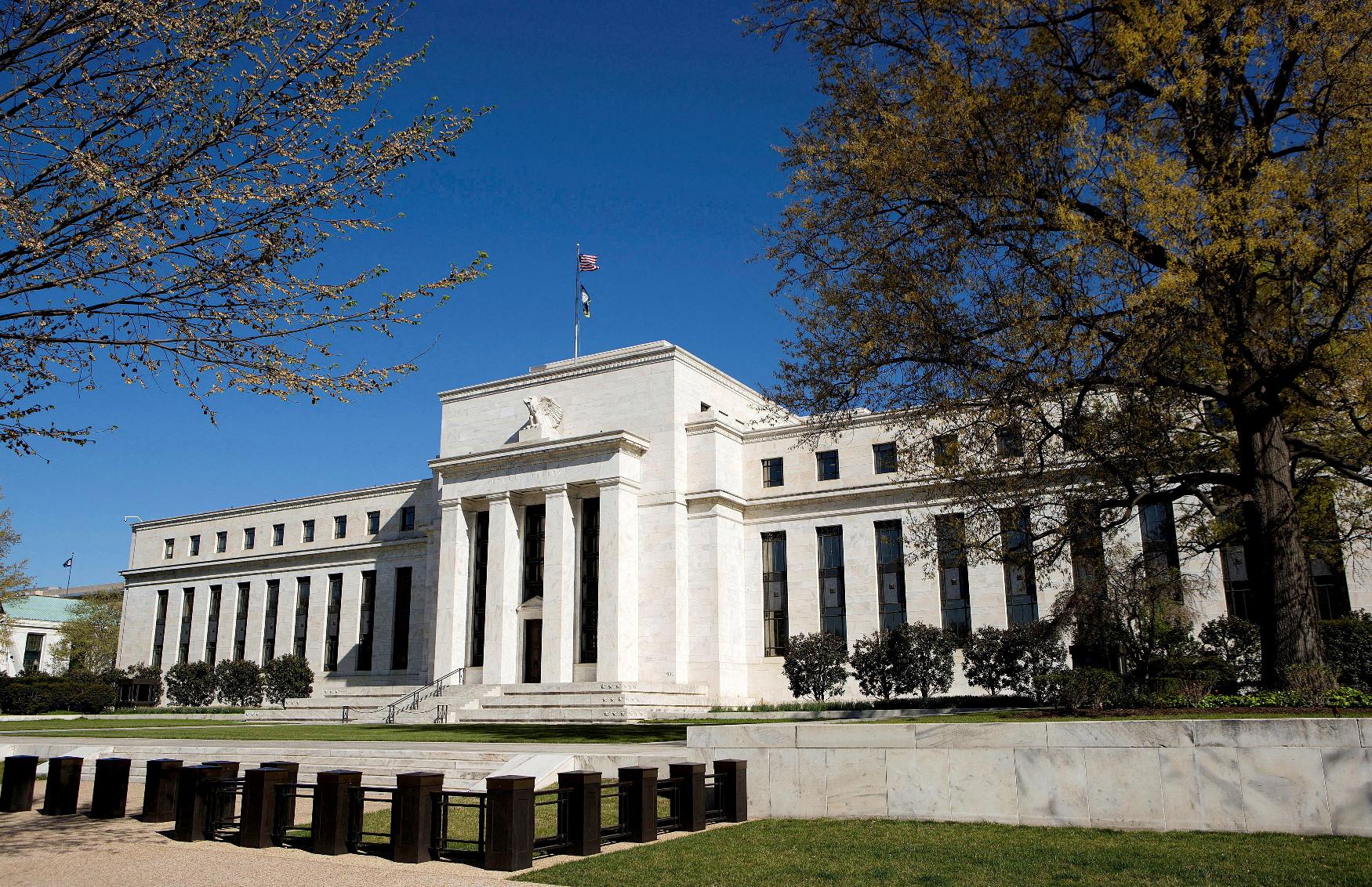
May 10 (Reuters) - (This May 10 story has been corrected to fix U.S. CPI expectations in paragraph 7) Global central banks are starting to break away from the pack as rate cuts roll out across Europe while borrowing costs in the U.S. may stay higher for longer, which is lifting the dollar. A key test of U.S. inflation is at the heart of the data calendar and could be the deciding factor in the near-term direction for markets. Here is your look at what's happening in markets this coming week from Rae Wee in Singapore, Ira Iosebashvili in New York and Naomi Rovnick and Amanda Cooper in London. 1/PAGING GOLDILOCKS Goldilocks is getting a health check, with U.S. inflation data set to show whether consumer prices are finally cooling after a run of unexpected strength. For months, the balance of resilient growth and easing inflation that some investors dub the "Goldilocks scenario" helped buoy markets - until it was upended by a series of data showing the economy was more robust than expected. Some relief came earlier this month, when the Federal Reserve assured markets it was still looking to eventually cut rates and a U.S. employment report showed signs of cooling in the labour market. Inflation data on May 15 could keep the good vibes going if it shows consumer prices increased at a slower pace. But more evidence of stubborn inflation could renew interest rate worries and reignite market volatility. Economists polled by Reuters project CPI to have gained 0.4% in April month-on-month. 2/CLOSE SHAVE Japan may have narrowly avoided a technical recession in the fourth quarter, but the narrative over the longer-term growth outlook hasn't changed much. An ageing population and weak domestic demand continue to plague the Asian nation, coupled with a weakening yen that's struggling to gain ground, even after Tokyo's latest bouts of suspected intervention. Thursday's first-quarter growth figures will reveal whether the Japanese economy began 2024 on a strong footing, especially since the Bank of Japan (BOJ) in March made a landmark exit from negative interest rates - kickstarting a tentative virtuous cycle of rising wages and prices. But the BOJ's preference to keep monetary policy accommodative for now is unlikely to take the pressure off the yen, as interest rates elsewhere remain at multi-decade highs, in turn squeezing households further as import costs rise. 3/WHICH WAY? The forex market feels like a one-way street. Central banks no longer operate like the rate-raising herd of 2022 and 2023, leaving the dollar to batter almost everything else, with the Federal Reserve likely to keep U.S. rates high for some time. Speculators now hold their largest bullish bet on the dollar against any other major currency in five years. Currencies bearing low rates get punished extra hard, leaving the Japanese yen and Swiss franc as the biggest laggards, down around 8% each this year. The net long position in the dollar against other G10 currencies is worth around $33 billion. In January, when markets anticipated at least five U.S. rate cuts in 2024, investors held roughly $7.23 billion in bets against the dollar. As rate outlook expectations have unravelled, so have those bearish positions. Expect more, not less, dollar strength ahead. 4/BAD APPLE The negative sentiment towards China has been turning in recent days, though investors are keeping a close eye on the country's real estate market and what's to become of it. April home price data on May 17 will be the next barometer of health for the beleaguered sector which has been engulfed by a debt crisis for about three years now, leaving property developers on the brink of collapse. The release comes alongside China's retail sales and urban unemployment rate figures due the same day, and on the heels of disappointing May Day spending data. Comments from policymakers at April's Politburo meeting have primed investors for a wave of stimulus measures from Beijing to boost economic recovery, keeping the market mood buoyant for now. Chinese stocks have edged away from their February lows, while the yuan seems to have found a floor. 5/UK LABOUR MARKETS The Bank of England is expected to cut interest rates this year after inflation eased, but remains on alert for pay rises refuelling price pressures ahead of fresh labour market data due on May 14. Traders see a good chance rates will fall in June. But the central bank might need more time and data to be sure that Britain has escaped a wage and price spiral. Annual pay growth is still running hot, while labour supply is stagnating, with more than a fifth of working-age adults not seeking employment and the number of people registered as long-term sick having hit 2.83 million, the highest since records began in 1993. Sign up here. https://www.reuters.com/business/take-five/global-markets-themes-graphic-2024-05-10/
2024-05-10 10:26
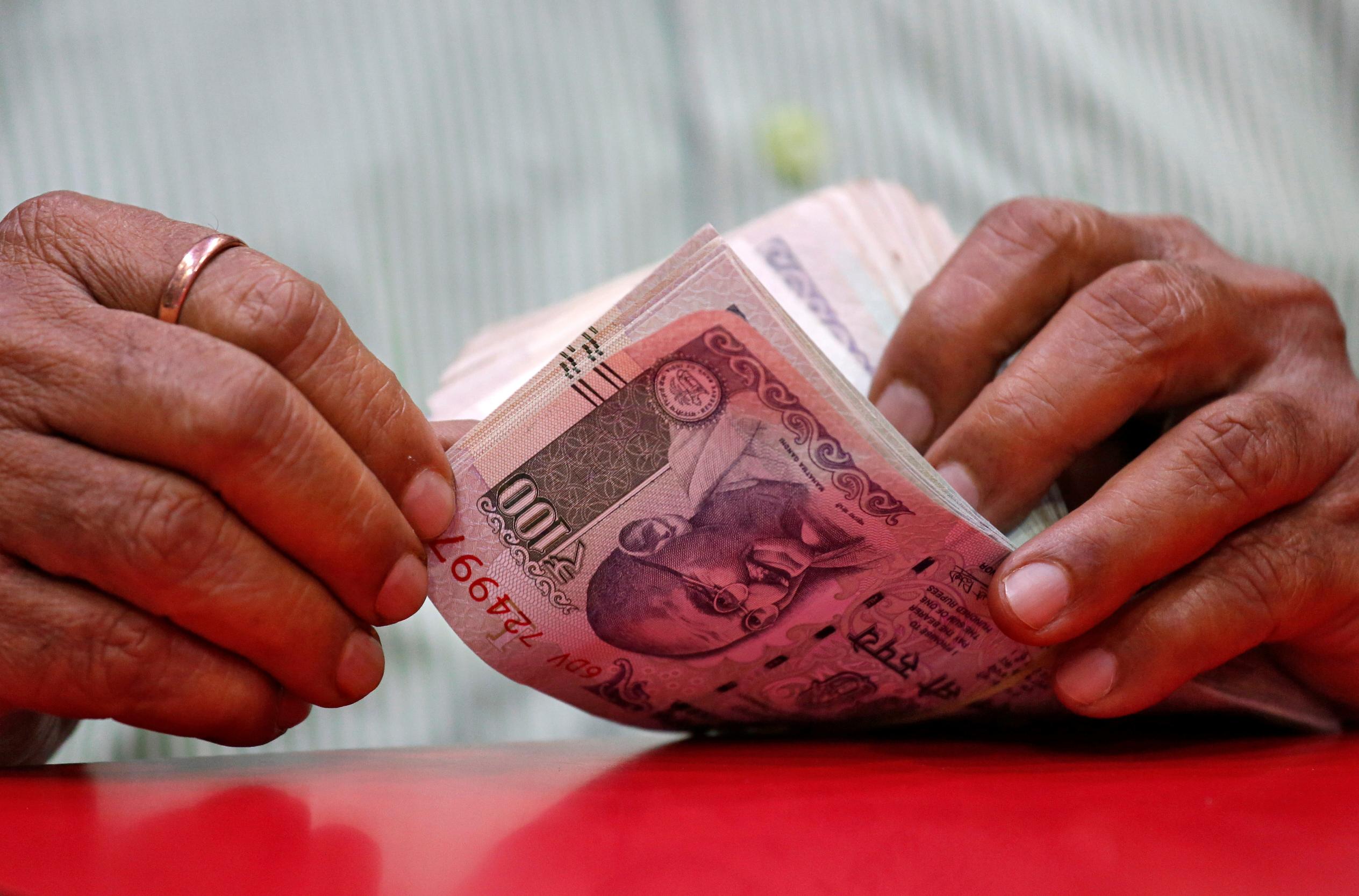
MUMBAI, May 10 (Reuters) - The Indian rupee closed nearly flat on Friday, tracking subdued moves in its Asian peers and as expectations of the central bank's intervention blunted the pressure of dollar demand from local oil companies and foreign banks. The rupee ended at 83.50 against the U.S. dollar, barely changed from its previous close at 83.5025. The local currency declined nearly 0.1% week-on-week. Benchmark Indian equity indices, the BSE Sensex (.BSESN) New Tab, opens new tab and Nifty 50 (.NSEI) New Tab, opens new tab, closed higher but were down 1.6% and 1.8%, respectively, on the week as jitters about the upcoming results of the national elections prompted selling by foreign investors. Overseas investors have pulled out nearly $2 billion from Indian equities in May so far, contributing to pressure on the rupee. But the currency's losses have been capped by market expectations that the Reserve Bank of India will curb sharp declines, traders said. Traders are also "pre-empting the RBI's action and selling above 83.50 (on USD/INR), while buying at 83.40", a foreign exchange trader at a private bank said. The dollar index was steady at 105.2, while Asian currencies were mostly rangebound. The rupee "continues to remain tight in a range of 83.35 to 83.55", Amit Pabari, managing director at FX advisory firm CR Forex, said. An upward move out of the range could see the rupee rise above 83.20, he added. U.S. inflation data due next week will be in focus as investors gauge when the Federal Reserve may begin to ease policy rates. India's inflation data is also due next week. A soft labour market report for April followed by the rise in jobless claims reported on Thursday have raised expectations that the Fed will begin easing rates from September. Sign up here. https://www.reuters.com/markets/currencies/rupee-closes-little-changed-logs-slight-weekly-decline-2024-05-10/
2024-05-10 10:22
LONDON, May 10 (Reuters) - Total aluminium stocks in London Metal Exchange-registered warehouses rose by 88% to 903,850 metric tons on Thursday, their highest level since January 2022, daily LME data showed on Friday. Inventories have been subject to so-called rent share deals, sources said last month, with traders taking Russian-made aluminium from the warehouses and returning it at a later date to profit from rule changes. Total aluminium stocks rose on Thursday as 425,575 tons were deposited in Port Klang in Malaysia, the daily LME data showed. The data also showed reverse net fresh cancellations of 137,050 tons in the same location. The scale of the growth in one day is unusual with one of the traders calling it "insane". The LME did not immediately reply to a Reuters' request for comment. Benchmark three-month aluminium prices dropped slightly after the data before stabilising. The metal was last up 0.2% at $2,567.5 per ton. Sign up here. https://www.reuters.com/markets/commodities/lme-reports-88-jump-aluminium-stocks-lme-registered-warehouses-2024-05-10/

2024-05-10 10:11
Exports jump 38% y/y in April, car association says Domestic sales fall 5.8% y/y in April - CPCA New energy vehicle sales at 43.5% of total for month BEIJING, May 10 (Reuters) - China's car exports surged to a record high in April, data showed on Friday, as domestic sales slipped 5.8% from a year earlier amid intensifying price competition and consumers' caution about spending on big items during a shaky economic recovery. Car exports jumped 38% year-on-year to 417,000 units in April, continuing strong momentum from the previous month which posted a 39% growth in exports, the China Passenger Car Association (CPCA) said. An ongoing anti-subsidy investigation by the EU into Chinese automakers has disrupted and put pressure on vehicle exports to the bloc, but China has been actively exploring South America, Australia and ASEAN markets for exports, said Cui Dongshu, secretary general of the association. He said local automakers would have to make a choice between going overseas and losing out, as competition in the domestic market intensifies. Passenger vehicle sales in the world's biggest auto market fell 5.8% in April from a year earlier to 1.55 million units and slipped 9.6% from March, CPCA data showed. Car sales had risen 5.7% in March on the year, and jumped 53% on the month. "Market sluggishness was worse than expected, while some automakers still strived to keep producing and resulted in rising inventories at dealerships," Cui said. While the share of new energy vehicle sales scaled a new high, paving the way for the world's largest auto market to fast-track its green goal, EV sales are still far slower than those of plug-in hybrids (PHEVs). NEVs accounted for 43.5% of total car sales, a record full-month high after hitting a milestone of more than half in the first half of April. China has set a target of 45% by 2027. EV sales quickened to 12.1% in April from 10.5% in March, while PHEV sales jumped 64.2% against a rise of 75.4% in March. EV sales had contracted 6.3% from March while PHEV sales dropped 4.7%. The PHEV segment, which has grown faster since 2022, drives the success of domestic giant BYD (002594.SZ) New Tab, opens new tab, , making up 57% of the company's car sales in April. China's share of the global PHEV market rose to nearly 70% in the first quarter, Association data showed. Japanese automakers who have pioneered hybrid technologies lagged behind, capturing just 1.9% of the global PHEV market in the first quarter. Mediocre EV sales versus growing bets on an all-electric future underscore slowing demand in China despite a protracted price war that has drawn in more than 40 brands. To woo cautious consumers, China has announced subsidies of up to 10,000 yuan ($1,380) each for auto trade-ins and more automakers, including Tesla (TSLA.O) New Tab, opens new tab and BYD, have started offering best-selling models with no down payments. ($1=7.2241 Chinese yuan renminbi) Sign up here. https://www.reuters.com/business/autos-transportation/chinas-april-car-sales-swing-contraction-despite-nev-milestone-2024-05-10/


