2024-03-28 10:27
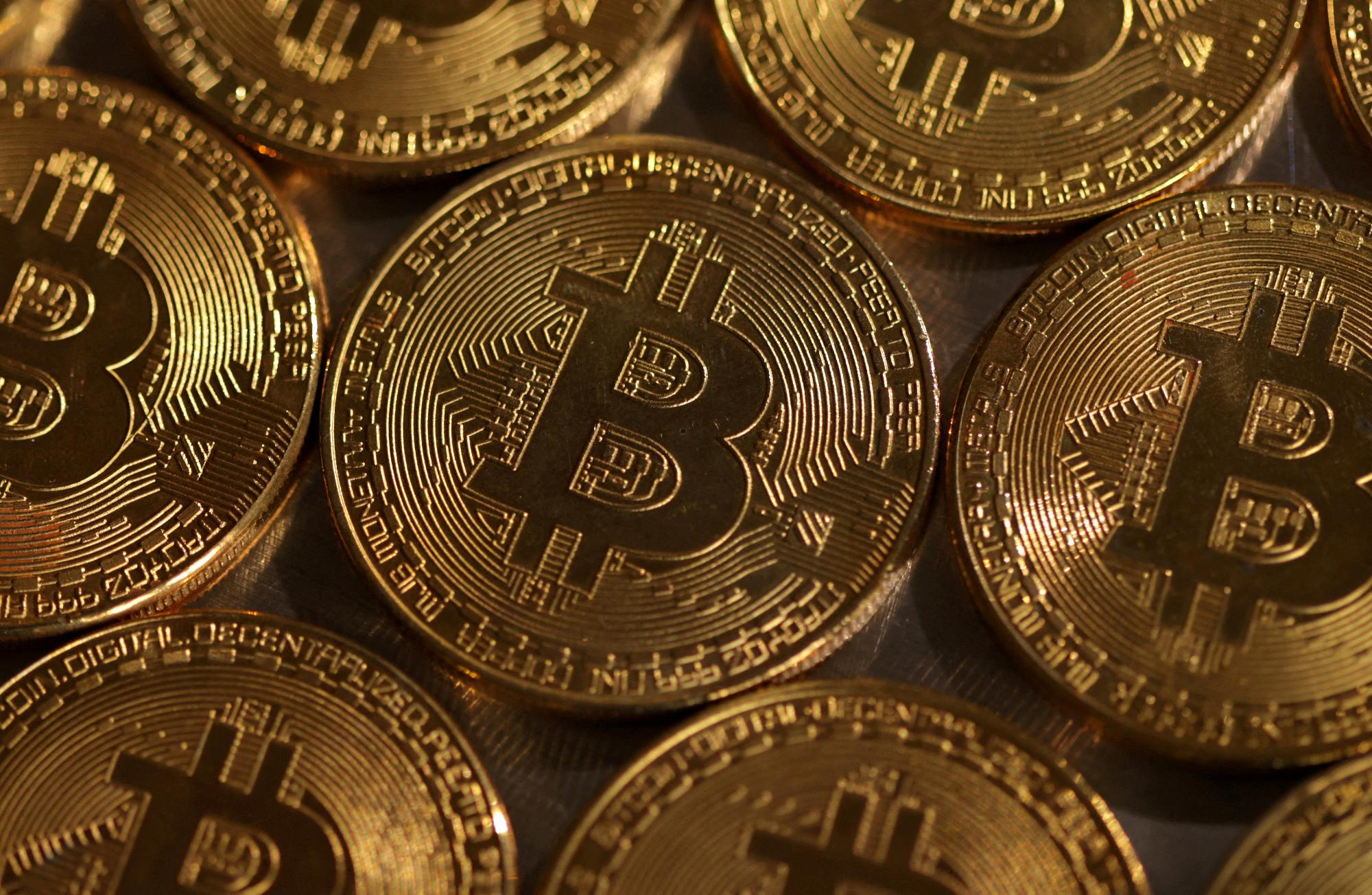
March 28 (Reuters) - Inflows into the nine recently launched exchange-traded funds (ETFs) tied to bitcoin have resumed their upward trajectory this week after the cryptocurrency's price bounced back from its dip last week. "The resumption in bitcoin's strong performance is sparking renewed interest in the ETFs," said Todd Rosenbluth, head of research at VettaFi, an analysis firm. The nine funds that made their debut in January pulled in nearly $1 billion in assets in the first two days of this week, according to data from BitMEX Research. Wednesday's flows data will be available on Thursday morning. But the leadership has shifted from BlackRock's (BLK.N) , opens new tab iShares Bitcoin Trust (IBIT.O) , opens new tab to the Fidelity Wise Origin Bitcoin Fund (FBTC.Z) , opens new tab. The latter attracted $540.9 million in assets Monday and Tuesday, more than double the $197.7 million BlackRock's fund drew in the same period, BitMEX data showed. The one fund that continues to buck this trend is the Grayscale Bitcoin Trust , which existed as a publicly traded trust before it converted into an ETF on the same day the other nine ETFs launched. It has seen steady outflows since then, regardless of bitcoin's price movements. In the first two days of this week, those outflows reached $562.4 million. "At the moment, the numbers are all skewed by Grayscale," said David Mercer, CEO of LMAX Group, an institutional cryptocurrency exchange. However large these flows may be for the ETF market, they're "a rounding error" when compared to the total market capitalization of bitcoin itself, Mercer added. Still, he noted, ETF flows seemed to be dictating bitcoin's price at present. "One thing's for sure: the bitcoin price couldn't rally when you saw outflows in the ETFs," Mercer said. The Technology Roundup newsletter brings the latest news and trends straight to your inbox. Sign up here. https://www.reuters.com/technology/us-cryptocurrency-etf-inflows-pick-up-bitcoin-price-recovers-2024-03-28/
2024-03-28 10:10
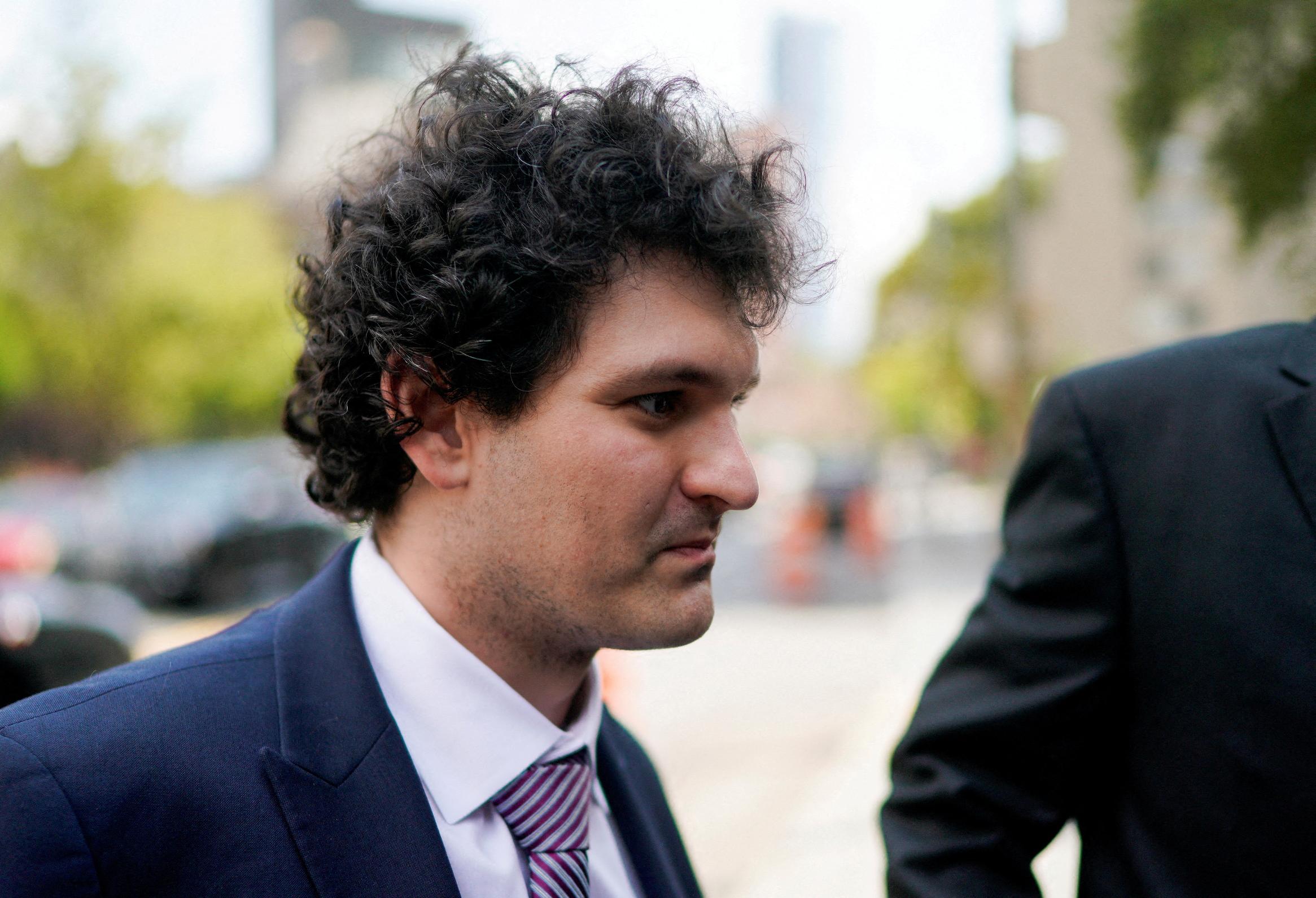
NEW YORK, March 28 (Reuters) - Sam Bankman-Fried was sentenced to 25 years in prison on Thursday over his conviction on fraud charges stemming from the dramatic collapse of the FTX cryptocurrency exchange he founded. Below is a timeline of events leading up to the 32-year-old former billionaire's sentencing: 2017 Bankman-Fried, a Massachusetts Institute of Technology graduate, quits his job as a quantitative trader at Jane Street Capital and launches Alameda Research, a trading firm focused on cryptocurrency. MAY 2019 Bankman-Fried and former Google employee Gary Wang found FTX as a new platform to trade crypto tokens and derivatives. OCTOBER 2021 FTX raises $420 million in venture funding, valuing the company at $25 billion. Bankman-Fried debuts , opens new tab on the Forbes billionaires list, which estimates his net worth at $22.5 billion. The magazine's assessment of his wealth would rise to $26 billion by the end of the year. FEBRUARY 2022 The NFL Super Bowl's broadcast is heavy on cryptocurrency advertisements, signifying the height of the craze for the booming asset class. FTX's "Don't Miss Out" spot features actor Larry David, whose skepticism about the platform is portrayed as akin to an early human doubting the importance of the wheel. JUNE-JULY 2022 Bankman-Fried emerges as the cryptocurrency sector's so-called "white knight" amid a collapse in the prices of Bitcoin and other digital assets. Alameda gives crypto lender Voyager Digital a $200 million credit facility, and FTX gives lender BlockFi a $250 million loan. NOV. 2, 2022 Crypto news website CoinDesk publishes a leaked Alameda Research balance sheet showing that much of its $14.6 billion in assets is held in FTX's own token, called FTT. The token subsequently sheds around $400 million of its market cap, and rival exchange Binance says it will sell its FTT holdings. NOV. 11, 2022 FTX files for U.S. bankruptcy protection after a wave of customer withdrawals, and Bankman-Fried resigns as its chief executive officer. DEC. 12, 2022 Bankman-Fried is arrested in the Bahamas, where he lives and where FTX is based. The U.S. Attorney's office in Manhattan later confirms that a federal grand jury has indicted him for fraud and conspiracy charges. DEC. 21, 2022 Bankman-Fried leaves the Bahamas after agreeing to be extradited to the United States. While he is in the air, prosecutors reveal that Wang and Alameda chief executive Caroline Ellison have pleaded guilty and agreed to cooperate with prosecutors. DEC. 22, 2022 Bankman-Fried makes an initial appearance in Manhattan federal court and is released to home detention at his parents' home in Palo Alto, California, on $250 million bond. JAN. 3-12, 2023 Bankman-Fried pleads not guilty and U.S. District Judge Lewis Kaplan schedules his trial for October. In a post-arrest blog post, Bankman-Fried denies stealing funds and blames FTX's collapse on a broader downturn in crypto markets. AUG. 11, 2023 Kaplan revokes Bankman-Fried's bail after finding probable cause to believe he tampered with witnesses at least twice, including by sharing Ellison's private writings with a New York Times reporter. Bankman-Fried is remanded to Brooklyn's Metropolitan Detention Center pending trial. OCT. 3, 2023 Trial begins in Manhattan federal court. OCT. 28, 2023 Bankman-Fried testifies in his own defense, saying a "lot of people got hurt" when FTX collapsed but insisting he did not defraud anyone or steal billions of dollars from customers. NOV. 2, 2023 Bankman-Fried is convicted of all seven charges he faced. MARCH 28, 2024 Kaplan sentences Bankman-Fried to 25 years in prison. The Technology Roundup newsletter brings the latest news and trends straight to your inbox. Sign up here. https://www.reuters.com/technology/events-leading-up-ftx-founder-sam-bankman-frieds-conviction-2024-03-28/
2024-03-28 10:10
NEW YORK, March 28 (Reuters) - A few years after graduating from college, Sam Bankman-Fried grew worried he was not taking enough risks. So the son of two Stanford Law School professors quit his Wall Street job and in 2017 started a cryptocurrency hedge fund, setting off a sequence of events that culminated on Thursday with him being sentenced to 25 years in prison over what federal prosecutors called one of the biggest financial frauds in U.S. history. Two years after launching a hedge fund, Alameda Research, Bankman-Fried founded FTX in 2019, an exchange that let users buy and sell digital assets such as bitcoin. Cryptocurrency valuations surged, propelling Bankman-Fried to a net worth of $26 billion by October 2021, according to Forbes magazine, before he turned 30 - the 25th richest person in America. He parlayed that wealth into political clout, becoming one of the biggest donors to Democratic candidates and causes ahead of the 2022 U.S. midterm elections - though he also donated to Republicans through straw donors to mask his involvement, U.S. District Judge Lewis Kaplan said on Thursday at his sentencing hearing. Based in an expensive Bahamas resort community, Bankman-Fried became known for his mop of unkempt curly hair and for wearing rumpled shorts, even when entertaining dignitaries including Bill Clinton. In a cryptocurrency sector plagued by hacks and money laundering, Bankman-Fried hired celebrities including NFL quarterback Tom Brady and comedian Larry David to feature in advertisements portraying FTX as safe. He publicly backed efforts to regulate crypto. But prosecutors say his laid-back demeanor and cultivation of a responsible image concealed his years-long embezzlement of customer funds. They contend the theft came to a head in 2022, when crypto prices swooned and he used FTX funds to plug losses at Alameda. A jury found him guilty on seven counts of fraud and conspiracy on Nov. 2, following a monthlong trial in Manhattan federal court. Three former members of his inner circle, who pleaded guilty and agreed to cooperate with prosecutors, testified against him and painted an unflattering portrait of his character, detailing instances in which he snapped angrily at colleagues and suggested his quirky persona was mostly an act. "The goal was power and influence," U.S. District Judge Lewis Kaplan said before sentencing Bankman-Fried. "He did it because he wanted to be a hugely, hugely politically influential person in this country." Bankman-Fried pleaded not guilty and has vowed to appeal his conviction and sentence. Testifying in his own defense at trial, the Massachusetts Institute of Technology graduate acknowledged inadequate risk management, but denied stealing funds. He said he made mistakes, such as not implementing a risk management team, that harmed FTX customers and employees. But he said he never intended to defraud anyone or steal customers' money. Kaplan found he had lied on the stand by saying he did not know Alameda had spent FTX customer deposits. Bankman-Fried, wearing a beige short-sleeve jail T-shirt, acknowledged during 20 minutes of remarks to the judge on Thursday that FTX customers had suffered and he offered an apology to his former FTX colleagues. "Customers have been suffering," Bankman-Fried said, sighing frequently during his remarks. "I didn't at all mean to minimize that. I also think that's something that was missing from what I've said over the course of this process, and I'm sorry for that." SOUGHT TO AVOID 'COMFORTABLE' PATH Bankman-Fried had little crypto experience before founding Alameda, which initially made money by exploiting differences in prices in digital tokens between the United States and Asia. A physics major at MIT, he told an FTX podcast that he did not apply himself in classes and did not know what to do with his life for most of college. But he grew interested during those years in a movement known as effective altruism, which encourages talented young people looking to make a mark on the world to focus on earning money and giving it away to worthy causes. That led him to take a job as a quantitative trader at Jane Street, but he began to doubt whether he was earning all he could. "If I really think that I should be trying to maximize expected values, that probably implies substantially riskier strategies than what seems intuitively right," he said in the June 4, 2020, podcast. "I should be careful not to fall prey to trying to choose a comfortable path." He brought on Gary Wang, an old friend from math camp, and later Caroline Ellison, a fellow effective altruist from Jane Street and Bankman-Fried's ex-girlfriend. Both would join him in the Bahamas, where they shared a $30 million penthouse with other Alameda and FTX executives, including Nishad Singh. Wang, Ellison and Singh each pleaded guilty and testified against Bankman-Fried at trial. They have not yet been sentenced. Bankman-Fried was jailed in mid-August, after U.S. District Judge Lewis Kaplan revoked his bail for likely trying to tamper with witnesses at least twice - including by sharing Ellison's private writings with a New York Times reporter. In a letter to Kaplan, Bankman-Fried's psychiatrist George Lerner wrote that his patient is on the autism spectrum. Bankman-Fried's father, the law professor Joseph Bankman, wrote that his son long struggled with making eye contact and responding to social cues, but that the media did not care while FTX was thriving. "Once the company crashed and his wealth was gone, people became less forgiving, and have interpreted these same characteristics ... as a sign of disrespect, evasion or lying," Bankman wrote. The Technology Roundup newsletter brings the latest news and trends straight to your inbox. Sign up here. https://www.reuters.com/technology/who-is-sam-bankman-fried-onetime-crypto-mogul-facing-decades-prison-2024-03-28/
2024-03-28 10:08
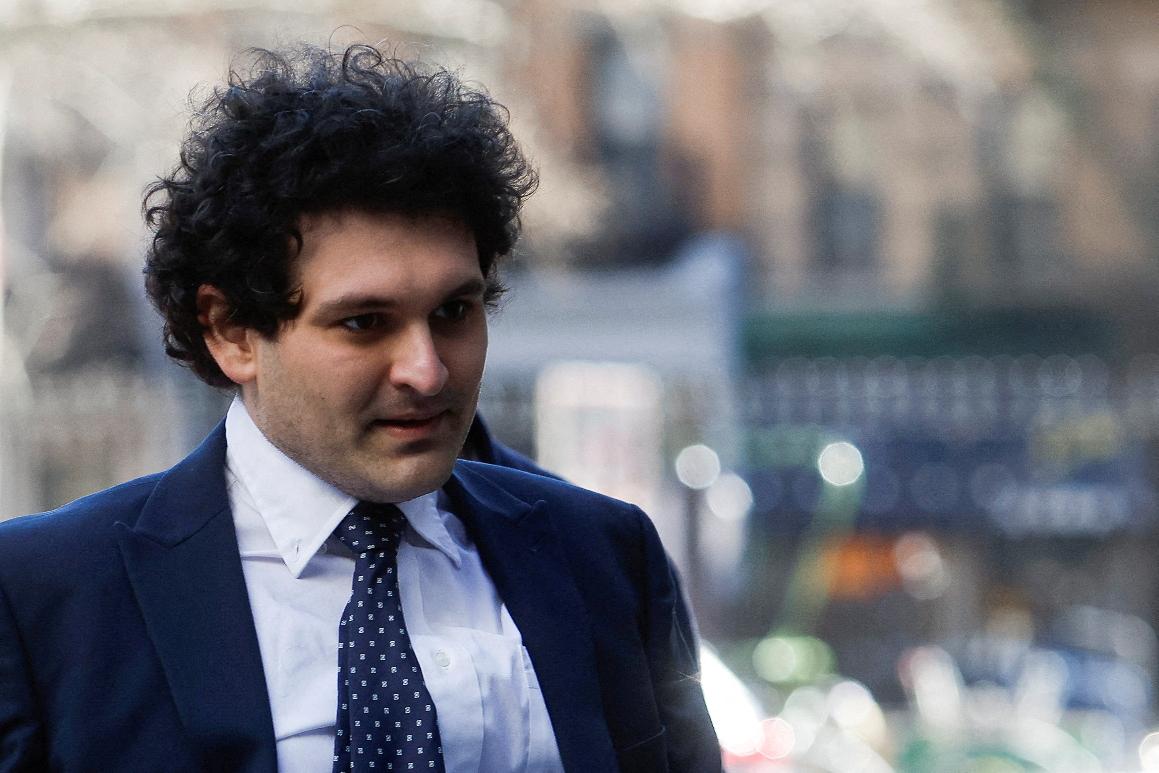
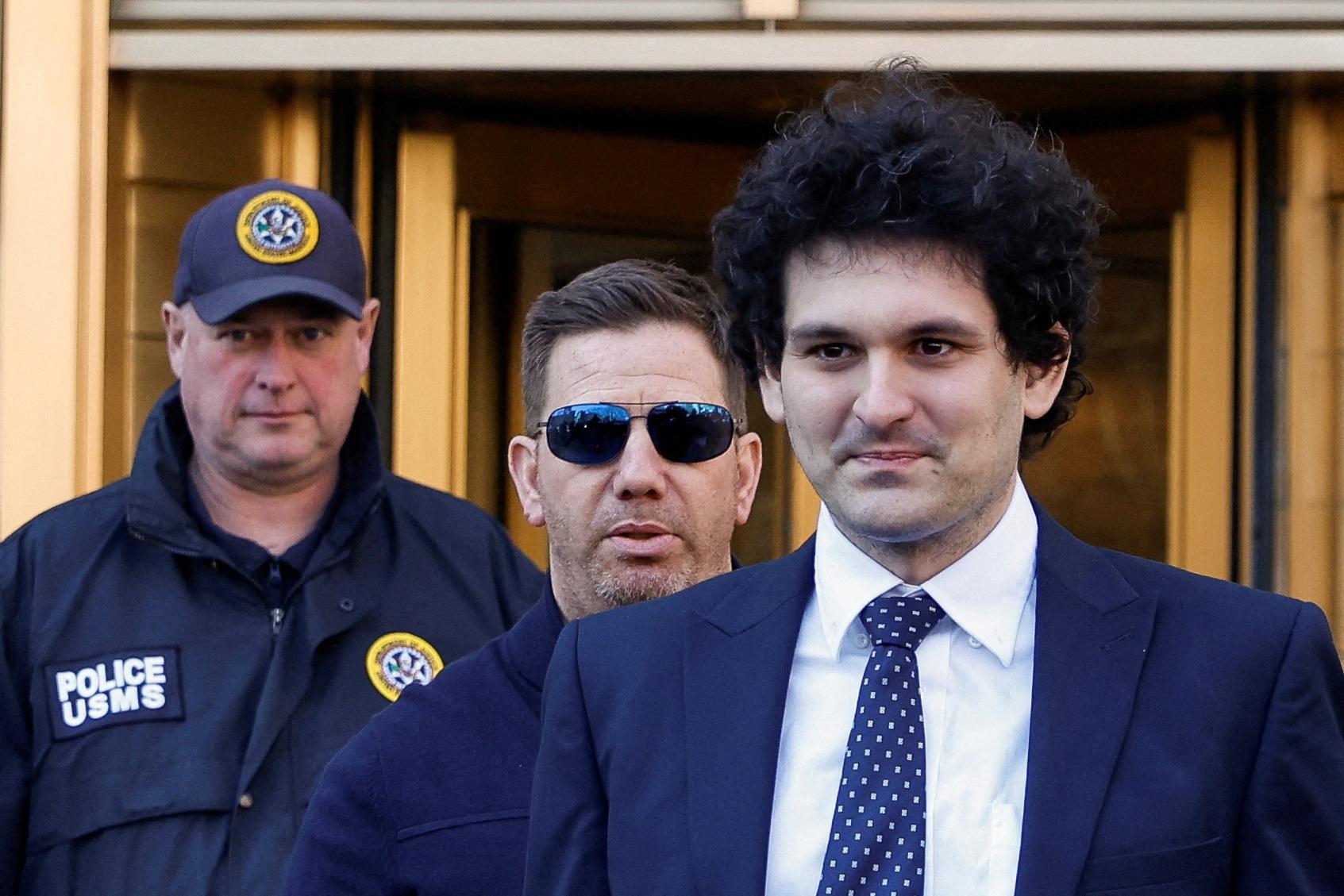
Judge says Bankman-Fried knew his actions were criminal Bankman-Fried acknowledges FTX customers had suffered NEW YORK, March 28 (Reuters) - Sam Bankman-Fried was sentenced to 25 years in prison by a judge on Thursday for stealing $8 billion from customers of the now-bankrupt FTX cryptocurrency exchange he founded, the last step in the former billionaire wunderkind's dramatic downfall. U.S. District Judge Lewis Kaplan handed down the sentence at a Manhattan court hearing after rejecting Bankman-Fried's claim that FTX customers did not actually lose money and finding that he lied during his trial testimony. A jury found Bankman-Fried, 32, guilty on Nov. 2 on seven fraud and conspiracy counts stemming from FTX's 2022 collapse in what prosecutors have called one of the biggest financial frauds in U.S. history. Kaplan said Bankman-Fried has shown no remorse. "He knew it was wrong," Kaplan said. "He knew it was criminal. He regrets that he made a very bad bet about the likelihood of getting caught. But he is not going to admit a thing, as is his right." Bankman-Fried, wearing a beige short-sleeve jail T-shirt, acknowledged during 20 minutes of remarks to the judge that FTX customers had suffered and he offered an apology to his former FTX colleagues - but did not admit criminal wrongdoing. He has vowed to appeal his conviction and sentence. Bankman-Fried stood with his hands clasped before him as Kaplan read the sentence. He then spoke with his defense lawyer Marc Mukasey briefly before being led out of the courtroom by members of the U.S. Marshals Service. The sentence marked the culmination of Bankman-Fried's plunge from an ultra-wealthy entrepreneur and major political donor to the biggest trophy to date in a crackdown by U.S. authorities on malfeasance in cryptocurrency markets. "There are serious consequences for defrauding customers and investors," U.S. Attorney General Merrick Garland said in a statement. "Anyone who believes they can hide their financial crimes behind wealth and power, or behind a shiny new thing they claim no one else is smart enough to understand, should think twice." Kaplan found that FTX customers lost $8 billion, FTX's equity investors lost $1.7 billion, and that lenders to the Alameda Research hedge fund Bankman-Fried founded lost $1.3 billion. He imposed an $11 billion forfeiture order and authorized the government to repay victims with seized assets. Federal prosecutors had sought a sentence of 40 to 50 years. Mukasey had argued for a sentence of less than 5-1/4 years. 'I'M SORRY FOR THAT' Addressing the judge, Bankman-Fried said, "Customers have been suffering ... I didn't at all mean to minimize that. I also think that's something that was missing from what I've said over the course of this process, and I'm sorry for that." Referring to his FTX colleagues, Bankman-Fried added, "They put a lot of themselves into it, and I threw that all away. It haunts me every day." Three former close associates testified as prosecution witnesses that Bankman-Fried had directed them to use FTX customer funds to plug losses at Alameda Research. All three have pleaded guilty to fraud. Kaplan said Bankman-Fried lied when testified that he did not know Alameda Research had spent customer deposits taken from FTX. Mukasey sought to distance Bankman-Fried from notorious fraudsters like Bernie Madoff, saying he was "not a ruthless financial serial killer" but rather an "awkward math nerd" who tried to get customers their money back after FTX's collapse. "Sam Bankman-Fried doesn't make decisions with malice in his heart," Mukasey added. "He makes decisions with math in his head." Bankman-Fried's eyes turned red as he appeared to hold back tears while Mukasey spoke. His parents, Stanford University law professors Joseph Bankman and Barbara Fried, attended the sentencing. Bankman held a green umbrella as they exited the courthouse into a rainy New York afternoon, their arms around each other. "We are heartbroken and will continue to fight for our son," they said in a statement. 'POWER AND INFLUENCE' A Massachusetts Institute of Technology graduate, Bankman-Fried rode a boom in the values of bitcoin and other digital assets to a net worth of $26 billion, according to Forbes magazine, before he turned 30. Bankman-Fried became known for his mop of unkempt curly hair and commitment to a movement called effective altruism, which encourages talented young people to focus on earning money and giving it away to worthy causes. He was one of the biggest contributors to Democratic candidates and causes before the 2022 U.S. midterm elections. Kaplan pointed to trial evidence showing Bankman-Fried also donated to Republicans through "straw" donors to hide his involvement. The judge called Bankman-Fried's efforts to present himself as a "good guy" an act, adding, "The goal was power and influence." Bankman-Fried has been detained at the Metropolitan Detention Center in Brooklyn since August 2023, when Kaplan revoked his bail after finding he likely tampered with witnesses at least twice. Kaplan said he would recommend Bankman-Fried be sent to a prison close to San Francisco. The Technology Roundup newsletter brings the latest news and trends straight to your inbox. Sign up here. https://www.reuters.com/technology/sam-bankman-fried-be-sentenced-multi-billion-dollar-ftx-fraud-2024-03-28/
2024-03-28 10:04
A look at the day ahead in U.S. and global markets from Mike Dolan With Wall St set for its final trading day of a bumper first quarter, the Federal Reserve seems in "no rush" to lower interest rates just yet - buoying the dollar as other central banks chomp at the bit. Fed Governor Christopher Waller set the tone for the Easter break on Wednesday indicating the central bank was being patient rather than hesitant in lowering borrowing costs this year. Although the comments marginally shaved expectations for a rate cut as soon as June - and nudged two-year Treasury yields back up - it was also clear Waller was merely talking about timing. "It's just a question of when you start," he said. Fed chair Jerome Powell is likely to echo that on Friday, when he takes part in a panel discussion in San Francisco after the release of the February's Fed-favored PCE inflation gauge. Stock markets will be shut for the Good Friday holiday at the point. But with U.S. GDP revisions for the fourth quarter expected to confirm a 3%-plus real growth rate later on Thursday and Atlanta Fed estimates still showing the expansion cruising above 2% through Q1, the S&P 500 (.SPX) , opens new tab clocked another record closing high on Wednesday and futures held that ahead of the bell on Thursday. Lifted by both the stubborn Fed views and strength of both the U.S. economy and stock market, the dollar pushed higher. The greenback's index (.DXY) , opens new tab pushed to near six-week highs early on Thursday, with the dollar advancing against the euro , sterling , Swiss franc , Swedish crown , Chinese yuan and Australian dollar . Japan's yen - held in by further warnings about intervention from Japanese officials - was one of the few that held the line. Monetary easing hopes around the world are building regardless of Fed pushback. The Swiss National Bank already cut last week, Sweden's Riksbank indicated rate cuts may be coming in the second quarter and European Central Bank officials continue to lean dovish. With data showing euro zone bank lending stagnated again last month and German retail sales fell unexpectedly, ECB council member Fabio Panetta was the latest to flag a turn in the rate cycle. "The risks to price stability have diminished and the conditions are materialising to launch monetary easing," he said. Although Bank of England hawk Jonathan Haskel was more in Christopher Waller's camp of holding back on rate cuts for now, UK economic numbers on Thursday confirmed Britain's economy recorded a recession late last year. China's government too looks set to lean heavily on monetary policy to revive its economy. Not only have People's Bank of China officials indicated more easing in the pipeline, but the South China Morning Post reported on Thursday that President Xi Jinping , opens new tab had urged the PBOC into buying government bonds there too. And with Japan's yen testing 34-year lows this week, there's concern about a wave of competitive currency depreciation across Asia's major exporting economies as global trade tensions build. U.S. Treasury Secretary Janet Yellen said on Wednesday she intended to warn China about the negative effects of Beijing's subsidies for its clean energy industries, including solar panels and electric vehicles, during a visit to the country. More broadly, stock markets around the world were steady to high - with Japan's Nikkei (.N225) , opens new tab the underperformer unusually, due mostly to quarter-end effects. In company news, Britain's biggest water utility Thames Water said shareholders had refused to stump up the 500 million pounds ($630 million) of equity promised, heightening concerns about its survival, after it failed to agree future bills and conditions with the regulator. Back on Wall St, Reddit's (RDDT.N) , opens new tab stellar market debut has drawn significant bearish bets against the social media forum in its first few days of trading and its stock was down 5% premarket after falling almost 12% on Wednesday. Key diary items that may provide direction to U.S. markets later on Thursday: * U.S. Q4 GDP revision, weekly jobless claims, Kansas City Fed's March business survey, March Chicago purchasing managers survey, February pending home sales, final reading of University of Michigan's March sentiment index * U.S. corporate earnings: Walgreens Boots Alliance * U.S. Treasury sells 4-week bills ($1 = 0.7944 pounds) Get a look at the day ahead in U.S. and global markets with the Morning Bid U.S. newsletter. Sign up here. https://www.reuters.com/markets/us/global-markets-view-usa-2024-03-28/
2024-03-28 09:59
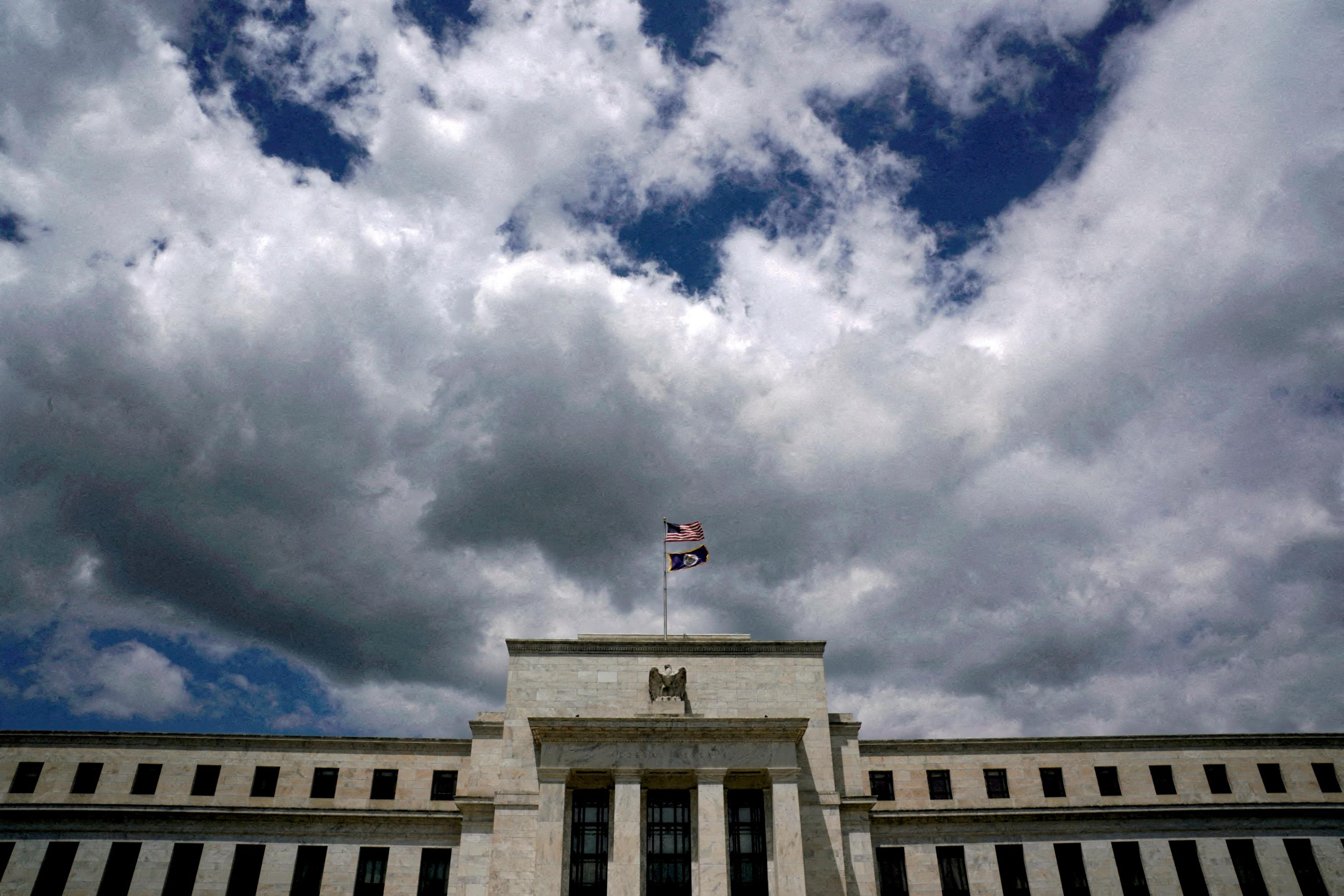
March 28 (Reuters) - The Fed is close to delivering a rare soft landing for the U.S. economy but it faces yet another fraught challenge: reducing cash in the financial system without disrupting markets. With the Fed having already removed some $1.4 trillion as it shrinks its balance sheet to end pandemic-era support, the focus is increasingly turning to when it should stop. The worry is if cash in the banking system, called reserves, breach a certain minimum level, markets would freeze up. But no one knows what the right level is. Last week, Fed Chair Jerome Powell said policymakers were nearing a decision to slow the pace of quantitative tightening (QT) to bring reserves "into a nice, easy landing." Powell said they are watching "a bunch of different indicators" in money markets to "to tell us when we're getting close." The Fed's focus is comforting Wall Street, market participants said, even though the task before it is hard. It's difficult because the lines are blurry: the Fed is trying to go from "abundant" to "ample" reserves without making them scarce. And market signals to guide it are noisy and hard to discern. Among the indicators the Fed is likely watching: bank reserves, some key interest rates in money markets and cash parked in the Fed's overnight reverse repurchase agreement facility, they said. Mark Cabana, Bank of America's head of U.S. rates strategy, said it will be "quite a feat" for the Fed to engineer a soft landing, where the Fed leaves the right reserve levels in the banking system. But he added that he thought they had a "decent shot" now because they were taking a more accommodative stance. "I would have told you last year, like in November-December, the Fed was very much at risk of missing it,” Cabana said. He expects the Fed to announce tapering as early as May, reducing the cap on the amount of Treasuries it aims to offload every month by half to $30 billion. John Velis, Americas macro strategist at BNY Mellon, is of the same view on the size and timing of the taper. It is important for the Fed to get the drawdown right, as a lack of reserves can cause sudden spikes in rates, disrupting Treasury markets and making it hard for firms to fund themselves. That could get tested in the coming weeks when along with QT, events such as the April 15 tax day would reduce cash in the financial system while increasing demand for it. So far, however, market functioning has held up. In 2019, a spike in short-term funding rates forced the Fed to put reserves back into the system, something that Powell said the Fed does not want to test again, even though it has since set up a backstop to support money markets. ABUNDANT RESERVES Estimates of the minimum amount of bank reserves needed range from about $2.5 trillion to $3.3 trillion. Such reserves currently total about $3.5 trillion. While they appear abundant, banks' need for cash has increased. Cabana noted that reserves had increased to $3.5 trillion from $3.3 trillion when QT started in the summer of 2022. He ascribed that to lenders adding reserves in the wake of deposit outflows after the bank failures in March 2023 and to unrealized losses in their securities portfolios. In addition, distribution of reserves could vary by bank, making it harder to arrive at what's sufficient - a point that Powell acknowledged last week. "Aggregate reserves appear abundant, but it seems the Fed has an inkling that they are not well distributed across the system," BNY’s Velis said. An indicator of excess cash is the Fed's reverse repo facility, where investors lend the central bank cash. That has been reducing, but the pace has slowed in recent weeks. Views diverge on when that might completely drain and what it says about liquidity in the system. Velis expects it could go down to zero by the summer, while Cabana sees it not draining fully until the middle of next year. UBS strategists said it could rise in the second quarter at the expense of reserves. MONEY MARKET INDICATORS Among the indicators the Fed has said it is watching are two money market rates - the Fed funds rate at which banks lend to one another, and the benchmark Secured Overnight Financing Rate (SOFR) – in relation to the interest on reserve balances (IORB) that the Fed pays to banks. Cabana expects the central bank would want the Fed funds to be about 10 basis points higher than where it is now, leaving it 2-3 basis points above the IORB. On SOFR, he expects the rate would need to go up 10-15 basis points higher, leaving it 0-5 basis points above what the Fed pays banks. That's because total system cash is likely closer to ample levels when investors have to pay slightly above Fed administered rates to acquire it, Cabana said. The rate would likely gradually rise as reserves fall, but in the interim supply-demand imbalances could cause brief rate spikes as it did in 2019 - signs for the central bank to watch. "The Fed will be looking at both the rate and the volatility that is associated with that to determine when they actually need to stop QT,” Cabana said. Get a look at the day ahead in U.S. and global markets with the Morning Bid U.S. newsletter. Sign up here. https://www.reuters.com/markets/us/market-fed-piloting-another-tricky-soft-landing-2024-03-28/