2023-11-20 16:56
LONDON, Nov 20 (Reuters) - Crypto firm Tether said on Monday that it had frozen $225 million worth of its cryptocurrency which it said had been linked to a human trafficking group in Southeast Asia. The U.S. Secret Service asked Tether to freeze the tokens during a "months-long investigative effort" by Tether and the crypto exchange OKX, Tether said in a blog post, without giving details about the scope or timescale of the investigation. The Secret Service did not immediately respond to a Reuters request for comment. Tether and OKX collaborated with the U.S. Department of Justice (DOJ) on the investigation, Tether said without elaborating. A spokesperson for the DOJ did not immediately respond to requests for comment. The crypto tokens were "linked to an international human trafficking syndicate in Southeast Asia responsible for a global “pig butchering” romance scam," Tether said. The term "pig butchering" typically refers to instances when a scammer builds trust with their victims over social media, messaging and dating apps, then pressures them to invest in bogus crypto or online trading schemes. Tether did not give further details about the group or how they used the cryptocurrency. Tether said it was its largest ever freeze of its token. Hundreds of thousands of people are being trafficked by criminal gangs and forced to work in scam centres and other illegal online operations in Southeast Asia, the United Nations said in a report in August. Tether is a so-called stablecoin, pegged to the U.S. dollar. There are $87.9 billion tether tokens in circulation, making it the third biggest cryptocurrency after bitcoin and ether, according to CoinGecko data. https://www.reuters.com/technology/crypto-firm-tether-says-it-has-frozen-225-mln-linked-human-trafficking-2023-11-20/

2023-11-20 16:07
NEW YORK, Nov 20 (Reuters) - Demand for new credit in the U.S. over the last year has declined and will likely stay soft in the future, according to a survey released on Monday by the New York Federal Reserve. There was a "notable" decline in credit over the last year, with application rates at 41.2%, compared to 44.8% in 2022 and the pre-pandemic 2019 level of 45.8%, the regional Fed bank's quarterly Survey of Consumer Expectations Credit Access survey showed. But even as the overall application rate for new credit declined among those surveyed, interest in applying for more credit card debt rose. The survey said that reading had hit 29% as of October and was 26% for 2023, compared to a 27.2% credit card application rate in 2019. Over the next year, the proportion of people in the survey who plan to apply for more credit ebbed to 25.1% in October and 25.9% for the year as a whole. Last year, the proportion of those who planned to apply for new credit stood at 26.7%. The report noted that expected decline in applications for credit extended to new credit cards, auto loans, mortgages and home refinancing. Respondents also see "significantly higher" prospects of future credit applications being turned down. Earlier this month, a New York Fed report on total household debt levels during the third quarter found a 4.7% rise in overall credit card debt to $1.08 trillion, which it attributed to the strong economy and robust consumer spending. Credit costs have increased markedly for borrowers on the back of aggressive Federal Reserve interest rate hikes aimed at slowing the economy to bring high inflation back to the U.S. central bank's 2% target. Those rate increases have hit the housing sector particularly hard and brought activity there down to low levels. The economy, however, has continued to perform robustly and the prospect that activity will remain positive despite the Fed's monetary policy tightening has risen. https://www.reuters.com/markets/us/us-demand-new-credit-down-2023-new-york-fed-survey-shows-2023-11-20/
2023-11-20 14:52
Nov 20 (Reuters) - The U.S. health regulator will not meet its Dec. 16 deadline to decide on the expanded use of Bristol Myers Squibb (BMY.N) and partner 2seventy bio's (TSVT.O) blood cancer therapy in earlier lines of treatment as it plans to seek the advice of experts, the companies said on Monday. The U.S. Food and Drug Administration (FDA) has not yet confirmed when the advisory panel would meet, they added. Shares of Bristol Myers Squibb fell more than 2% and those of 2seventy bio slid nearly 20% in early morning trade. The FDA in 2021 had approved the cell therapy Abecma as a treatment for adult patients with multiple myeloma after four or more prior therapies did not show improvement in patients. The therapy was originally co-developed by bluebird bio (BLUE.O) but following its spin-off in 2021 became part of 2seventy's portfolio. The latest marketing application for the cell therapy was based on data from a late-stage study that showed significant reduction in the risk of disease progression or death in patients who had received two to four prior treatments. The FDA usually follows the recommendations of its advisers but is not obligated to do so. Abecma faces competition from Johnson & Johnson (JNJ.N) and partner Legend Biotech's (LEGN.O) Carvykti, which was approved for the same indication last year. The therapies belong to a class of treatments called chimeric antigen receptor T-cell therapies, or better known as CAR-T therapies, which work by harvesting a patient's own disease-fighting T-cells, genetically engineering them to seek out and attack the cancer. Bristol Myers and 2seventy bio, however, have faced manufacturing constraints, and a month-long planned maintenance shutdown of one of Abecma's manufacturing facility in June had also negatively impacted sales. In the third quarter, 2seventy bio's Abecma sales declined 8% to $69 million. https://www.reuters.com/business/healthcare-pharmaceuticals/us-fda-delays-decision-bristol-myers-2seventy-bio-cancer-therapy-2023-11-20/
2023-11-20 12:30
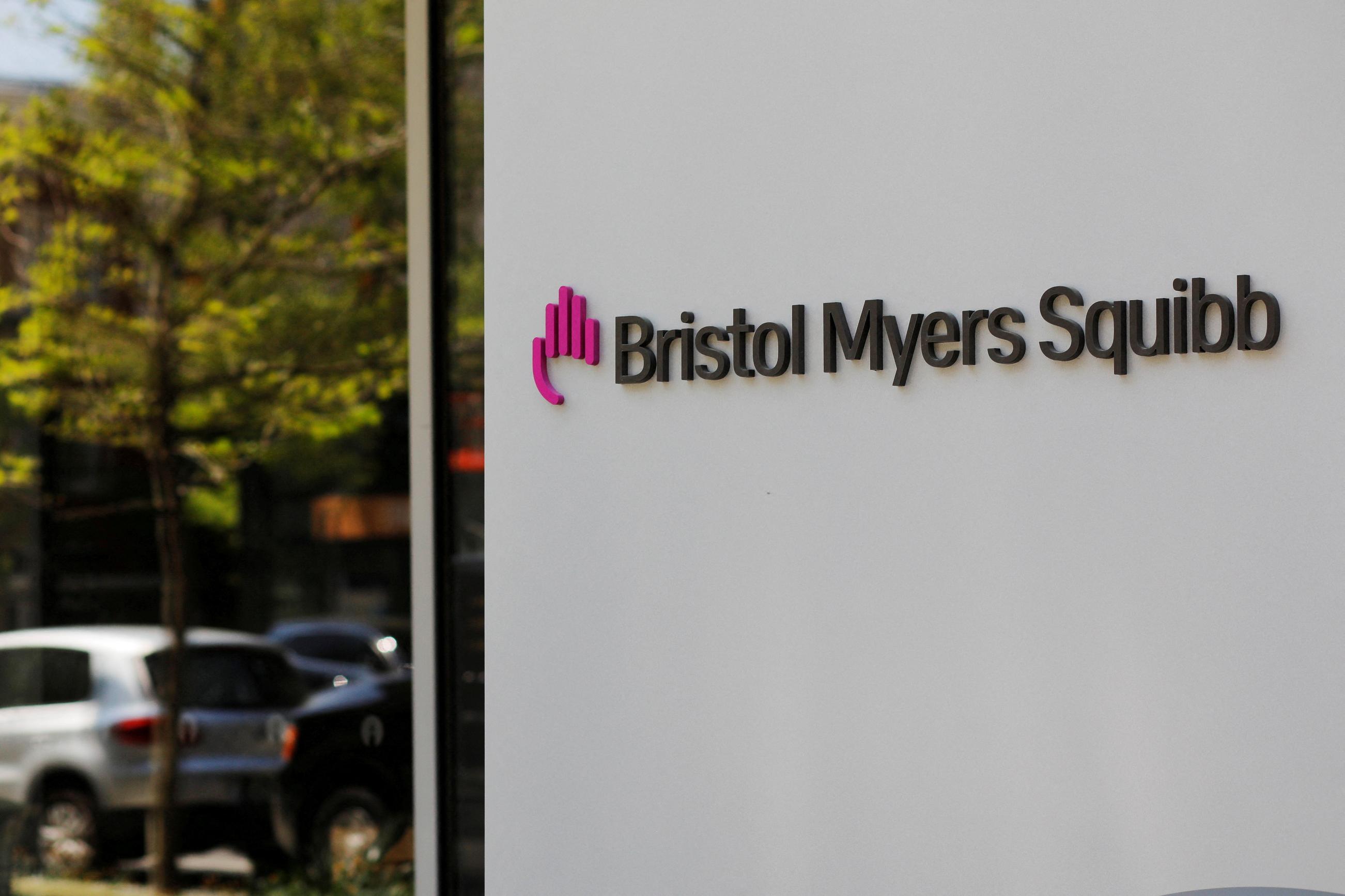
NAPERVILLE, Illinois, Nov 19 (Reuters) - Speculators ramped up their enthusiasm for Chicago soybeans and soymeal last week as crop concerns for Brazil and a tight U.S. meal market have been raiding the headlines. In the week ended Nov. 14, money managers extended their net long in CBOT soybean futures and options to an 11-week high of 87,913 contracts from 68,598 a week earlier, predominantly on new gross longs. Funds added more than 80,000 contracts to their net long in the three weeks ended Nov. 14, their biggest three-week soy buying spree since June. CBOT January soybean futures rose almost 6% during that period, including 2% in the latest week. Money managers through Nov. 14 expanded their net long in CBOT soybean meal futures and options to 131,404 contracts from 111,987 a week earlier, also on new longs. That is their most bullish meal view since March and is easily their most bullish for the time of year. Funds added nearly 100,000 soymeal futures and options contracts to their net long in the five weeks ended Nov. 14, the most for such a period since March 2020. January meal futures surged 21% during those five weeks and nearly 4% in the most recent week, reaching their highest ever levels for the date. Open interest in CBOT soybean meal futures and options reached a record 646,145 contracts as of Nov. 14, up 6% on the week, up 26% in the last five weeks, and 47% higher than the same week a year ago when funds’ meal net long was also seasonally strong. The pre-2023 record open interest in meal futures and options was 594,016 contracts set in mid-2018 after drought significantly cut down top meal exporter Argentina’s soybean crop. Argentina’s soy crop losses were considerably worse in 2023, causing a shortage in exportable global soymeal supplies, driving up meal prices and rerouting export demand to the United States. Hot and dry weather in central Brazil has also supported the soy complex lately, but expected rains over the weekend into this week punctured the rally late last week. On Wednesday, January meal hit contract highs and most-active soybeans reached their highest levels since late August, but beans slid 3.6% over the last three sessions and meal lost 4.2%. January CBOT soybean oil gained nearly 6% in the week ended Nov. 14, though money managers cut their net short by less than 4,000 contracts to 6,597 futures and options contracts. Soyoil dropped more than 1% in the last three sessions. GRAIN BEARS Most-active CBOT corn futures added 2% in the week ended Nov. 14, though they hit three-year lows during the week, reflecting the weight of a record U.S. corn crop on the market. Money managers cut their net short in CBOT corn futures and options by about 5,100 contracts to 163,486 through Nov. 14, their most bearish stance for the date since 2017. March CBOT wheat futures rose fractionally during the week, and funds trimmed nearly 3,000 contracts from their huge net short, resulting in 89,271 futures and options contracts. Money managers have held a net short in CBOT wheat since June 2022. Money managers have sold Kansas City wheat futures and options in 15 of the last 18 weeks, and as of Nov. 14, their net short reached 37,449 contracts, their most bearish for the date. That is also among funds’ biggest ever K.C. net shorts, as the only larger ones occurred over 17 non-consecutive weeks in 2019. Money managers through Nov. 14 cut their net short in Minneapolis wheat futures and options to 27,726 contracts from the previous week’s record net short of 30,998 contracts. Similar to K.C. wheat, funds have been very heavy sellers of spring wheat futures since late July. CBOT corn lost 2.4% in the last three sessions despite unexpectedly large weekly U.S. export sales, and March wheat fell 3.7%, hitting a seven-week low on Friday. Most-active K.C. wheat on Friday hit its lowest levels since July 2021. Karen Braun is a market analyst for Reuters. Views expressed above are her own. https://www.reuters.com/markets/us/funds-pack-more-cbot-beans-meal-brazil-weather-us-demand-2023-11-20/
2023-11-20 11:54
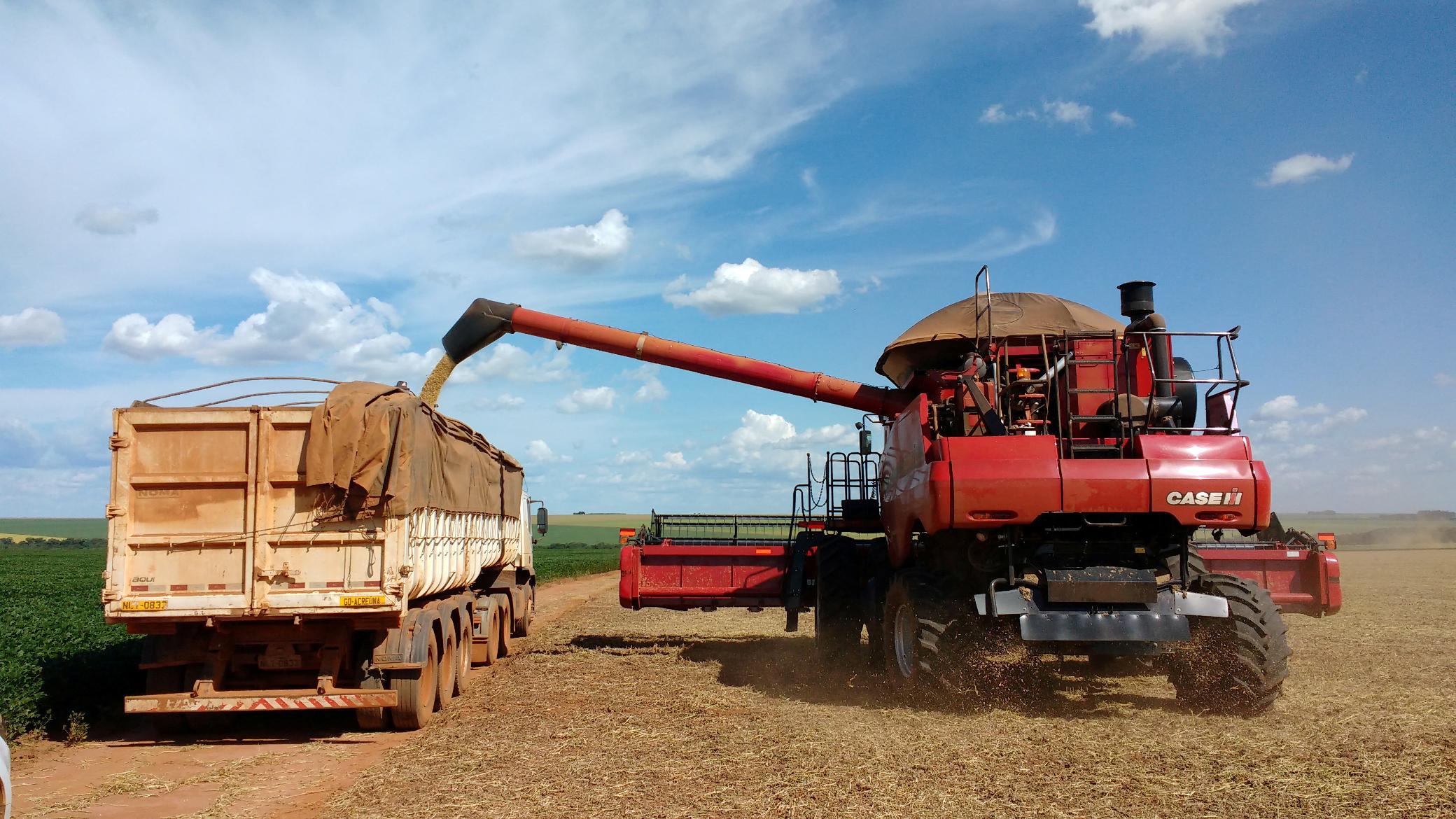
OTTAWA, Nov 20 (Reuters) - Canada's government will present legislation this month to start paying subsidies for carbon capture and net-zero energy projects, a source with direct knowledge of the matter told Reuters, part of a plan to worth around $20 billion over five years. A long delay in state support for carbon capture utilization and storage (CCUS) projects and for equipment used to produce low-carbon energy prompted industry lobbies to warn in September that some C$50 billion ($36 billion) worth of investments were at risk if the government did not act soon to provide some certainty for the sector. Finance Minister Chrystia Freeland will announce the investment tax credit (ITC) funding when she presents the so-called Fall Economic Statement (FES) to parliament on Tuesday afternoon, the source added. It will be included in the FES legislation to be sent to parliament later this month, the source said. Previous budget documents estimated all five of the ITC programs together would funnel an estimated C$27 billion ($19.7 billion) during their first five years in operation. The government will concurrently introduce to parliament the labor provisions that will be tied to most of the ITCs. They require investors pay workers the prevailing union wage and provide apprenticeship opportunities in order to collect the maximum subsidy. Canada is lagging the U.S. on the incentives seen as necessary to spur investment in new, low-carbon technologies. Washington has been offering massive incentives to clean tech companies under the U.S. Inflation Reduction Act (IRA) for well over a year. President Joe Biden has lauded the $430 billion IRA passed in August, 2022, as an economic powerhouse. Bank of America estimates it has already spurred $132 billion of investment across more than 270 new clean energy projects. CCUS are seen as vital to cutting emissions from Alberta's oil sands without slashing production. Canada is the world's fourth-largest oil producer. The transition to a low-carbon economy is a cornerstone of Prime Minister Justin Trudeau's economic policy and ITCs are key to help the government meet its goal of net-zero emissions by 2050. There is "a global race for capital and investments in these sorts of projects," the source said. "The government is trying to provide certainty to investors. The finance ministry does not comment on fiscal documents before their publication, a spokesperson said. The CCUS were first announced in the spring of 2021, and the clean tech ITCs were announced a year later - both before the IRA was launched - but Canada is only now launching the legislation needed to get the money flowing. Freeland will also provide a timeline for the other promised ITCs, with public consultations for two of the three remaining programs starting this year and legislation for all of them put forward by the end of next year, said the source who was not authorized to speak on the record. Funding for ITCs for machinery and other tools needed to build green technologies, and for producing hydrogen, is likely to be presented in the spring of 2024, with clean electricity ITCs coming in the fall, the source said. The FES will offer additional spending to boost construction amid a housing supply crunch, the source said. The fiscal statement will also put forward additional reforms to the Competition Act, the source said, in a bid to address affordability issues. The changes will be more broad than those announced earlier this year, and will address things like predatory pricing, the source said. ($1 = 1.3718 Canadian dollars) https://www.reuters.com/sustainability/climate-energy/canada-plans-20-bln-subsidies-carbon-capture-clean-tech-source-2023-11-20/
2023-11-20 11:53
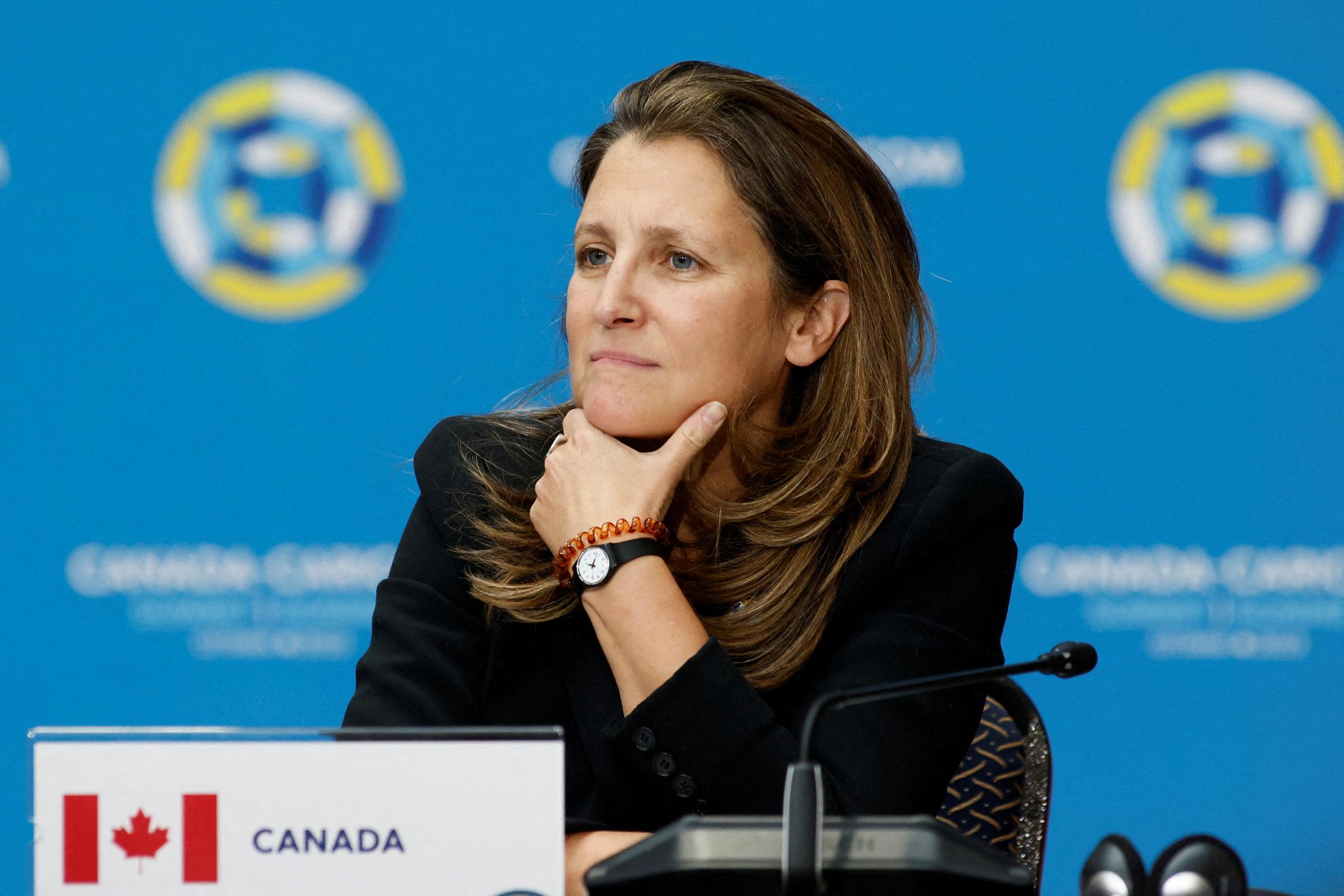
BELGRADE, Nov 20 (Reuters) - Hundreds of farmers blocked roads throughout Serbia's northern breadbasket region of Vojvodina on Monday, demanding more subsidies and an end to excise duties on fuel. The blockades that brought parts of Vojvodina to a standstill, come at a time when the ruling Serbian Progressive Party and its partners are locked in a heated campaign with the opposition ahead of a Dec. 17 snap parliamentary vote. Farmers, supported by opposition parties and movements in Vojvodina, want the outgoing government of Ana Brnabic to increase state subsidies to 35,000 dinars ($326) per hectare, from around 9000 currently. Jovan Jovanov, a farmer, said protesters blocked a highway and a road junction near the regional capital of Novi Sad on Monday. "This morning we blocked the ... highway ... we will allow vehicles through every two and a half hours," Jovanov told reporters. Farmers are also demanding state-subsidised loans in 2024, incentives for cattle and dairy production, sales of diesel fuel without an excise tax, and regulation of the commodities market, among other things. Agriculture minister Jelena Tanaskovic last week said total agricultural subsidies in the 2024 budget amounted to 100 billion dinars, requesting that farmers propose how to distribute the funds. Further talks between the government and farmers have been announced for later in the day. In 2022, agriculture accounted for more than 6.7% of Serbia's economy and over 21% of exports. ($1 = 107.2200 Serbian dinars) https://www.reuters.com/world/europe/serbias-farmers-block-roads-demand-higher-subsidies-cheaper-fuel-2023-11-20/