2023-11-10 11:52
LONDON, Nov 10 (Reuters) - Global investors continued to pour money into cash funds in the week to Wednesday, as higher yields on short-dated debt put cash funds course for record inflows this year, according to Bank of America and data provider EPFR. BofA's weekly 'Flow Show' report showed cash funds attracted $77.7 billion of inflows in the week to Nov. 8, putting them on track to see around $1.4 trillion of inflows in 2023. Bond funds attracted inflows of $11.2 billion, BofA said, the largest weekly inflow in four months, after the Federal Reserve held interest rates steady and had signalled the tightening cycle could be over. Equity funds saw inflows of $8.8 billion although Japanese stocks saw their largest outflow in seven months after the Bank of Japan tweaked its yield curve control policy, sparking selling of Japanese banks. Meanwhile, BofA said its Bull & Bear indicator of investor sentiment rose to 1.7 from 1.4, driven by strong inflows to high yield bond funds. The indicator is still giving a contrarian 'Buy' signal, BofA said, after last week falling to its lowest level since November 2022. https://www.reuters.com/markets/us/global-markets-flows-bofa-update-1-2023-11-10/
2023-11-10 11:13
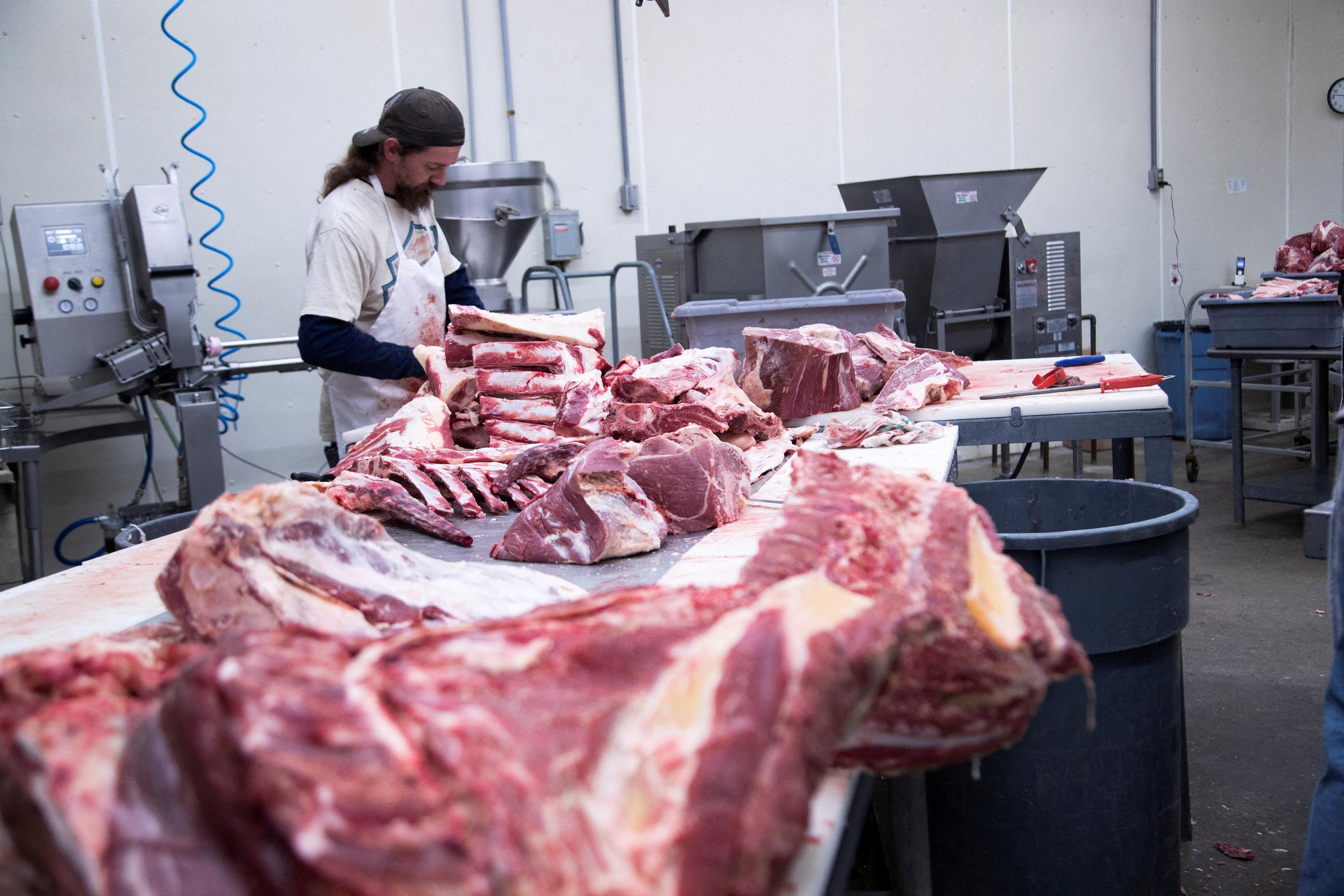
CHICAGO, Nov 10 (Reuters) - The United States is importing record amounts of beef this year and exporting less after ranchers slashed the nation's cattle herd to its lowest level in decades, tightening margins for meat companies like Tyson Foods (TSN.N). The decline in cattle numbers, after years of drought fried pasture lands used for grazing, led to soaring U.S. beef prices. Higher prices incentivize companies to import cheaper beef and discourage U.S. beef purchases by buyers like China, Japan and Egypt. Analysts expect lower demand for U.S. beef and higher costs for cattle to translate into negative quarterly margins for Tyson's beef business, its largest unit, for the first time this year. The company, one of four processors that slaughter about 85% of U.S. grain-fattened cattle, reports fourth-quarter earnings on Monday. The U.S. Department of Agriculture (USDA) expects the U.S. to drop to the ranking of world's fourth-largest beef and veal exporter this year, down from second in 2022. U.S. beef exports are projected to sink 14% this year from 2022 to 3 billion pounds (about 1.4 million metric tons), the lowest since COVID-19 roiled meat processing and international trading in 2020, government data show. In 2024, when USDA expects U.S. production to decline further due to tight cattle supplies, exports are forecast to hit an eight-year low of 2.8 billion pounds. U.S. beef exporters such as Tyson, Cargill (CARG.UL) and JBS (JBSS3.SA) face a "double whammy" from higher prices and strength in the U.S. dollar, which makes American products less attractive to other countries, said Pete Bonds, a Texas-based cattle producer. "The future of this industry is not here in the United States," Bonds said. "It's offshore." For Tyson, the loss of U.S. export business compounds margin pressure from higher cattle prices, Goldman Sachs analysts said. U.S. beef exports typically command higher margins than domestic shipments, they said. Goldman Sachs predicts margins will swing to negative 1.1% for Tyson's beef business from positive 8% a year ago. Adjusted margins were 0.2% in Tyson's second quarter this year and 1.6% in the third quarter. Tyson CEO Donnie King in August warned low cattle inventories were leading to difficult export market conditions. The U.S. beef cow herd in January was the smallest since 1962. Tyson has been reducing staff as its beef, chicken and pork units have struggled, with high prices prompting some Americans to eat less beef. The company said on Thursday it will close two plants in Florida and South Carolina where hundreds of workers cut and package meat. Meatpackers can use imports to help manage through low margins and high-priced U.S. cattle, analysts said. They often import lean beef from countries such as Australia and New Zealand to blend with fattier U.S. supplies to make hamburgers. The USDA on Thursday raised its forecasts for beef imports in 2023 and 2024 in a monthly report. The U.S. embassy in Paraguay said the United States next month will reopen its doors to Paraguayan beef after a quarter of a century. Total U.S. imports from January through September were up about 6% from a year earlier, with Australian shipments climbing by 49%, according to government data. The Livestock Marketing Information Center, which analyzes the livestock industry, projects U.S. beef imports will reach a record 3.7 billion pounds in 2023, topping the previous high of 3.4 billion pounds in 2015, director Katelyn McCullock said. In 2024, imports are forecast to rise to 4.2 billion pounds, another new record, she said. "Beef prices are already at record high in retail," McCullock said. "With domestic supplies facing significant declines this year, this product coming in is helping alleviate what that potential increase could be." Imports of live cattle from Mexico have also rebounded from a decline last year, with some placed into U.S. feedlots and later sent to slaughter, analysts said. U.S. ranchers have not started to rebuild the domestic herd, producers and analysts said, with more than half the nation's cattle in areas that are still abnormally dry. The number of heifers, or young female cows, in U.S. feedlots as of Oct. 1 was up 1.3% from a year earlier, signaling that producers are fattening them for slaughter instead of keeping them on farms to reproduce. The rebuilding process will likely be slow, keeping a lid on exports, producers and analysts said. "Cattle numbers are tight and getting tighter," said Derrell Peel, agricultural economist for Oklahoma State University. https://www.reuters.com/markets/commodities/us-reduces-beef-exports-cattle-herd-shrinks-squeezing-tyson-foods-2023-11-10/
2023-11-10 11:09
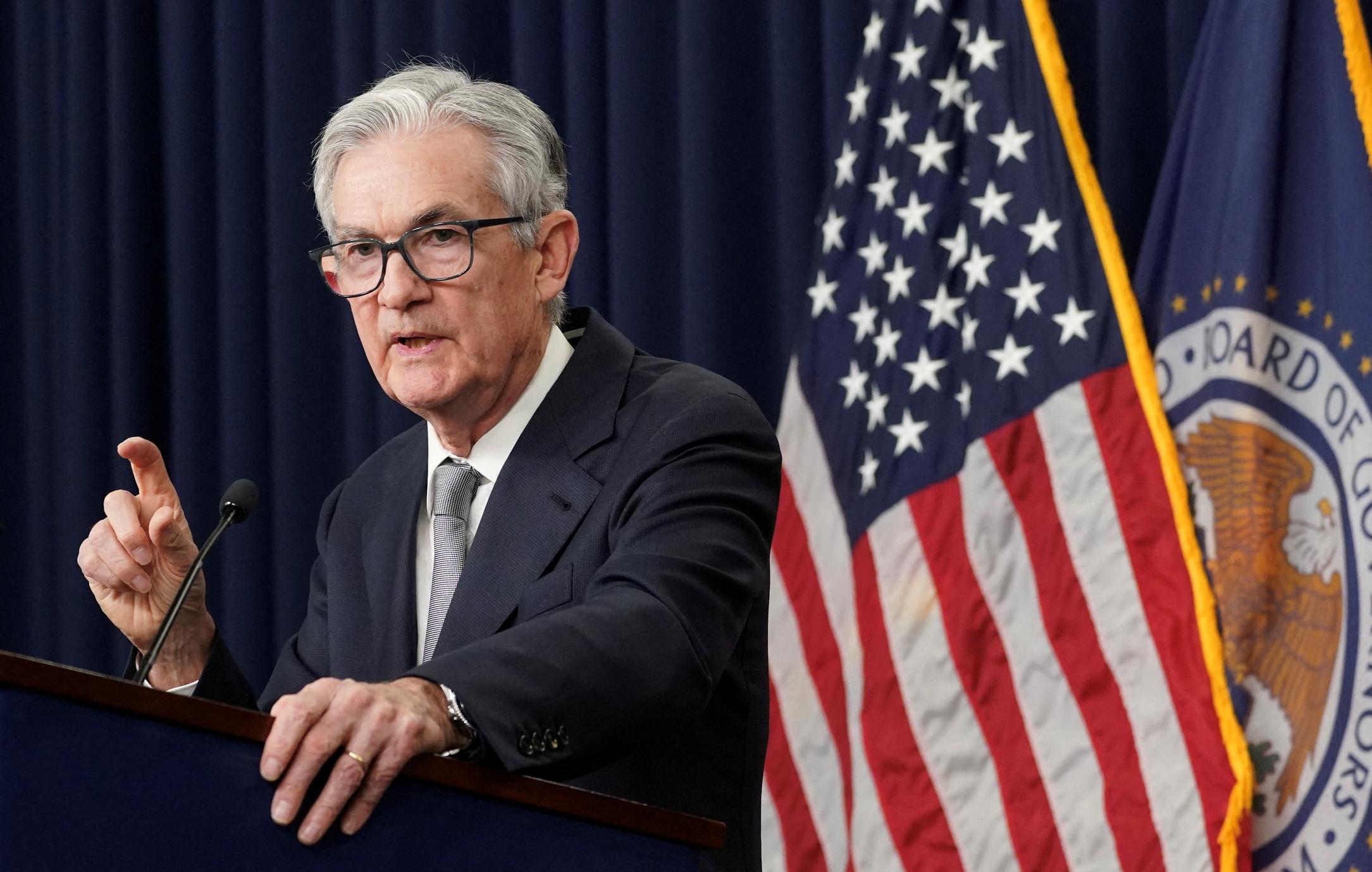
A look at the day ahead in U.S. and global markets from Mike Dolan A slightly exaggerated market reaction to Fed chair Jerome Powell's pushback against early U.S. interest rate cuts was enough to spoil the weekend and keep the S&P500 (.SPX) from extending an eighth straight daily gain. Powell's set-piece on Thursday clearly leaned more hawkish than investors had hoped - refusing to rule out another rate hike and saying the central bank was not yet confident its policy stance was restrictive enough to get inflation back to the 2% target. "If it becomes appropriate to tighten policy further, we will not hesitate to do so," Powell cautioned a market still betting both that rate hikes are done and that three cuts are coming next year, starting as soon as June. Curiously, there was little change in that basic market pricing after Powell spoke - with end-2024 futures still pointing at a rate of 4.50-4.75% versus the current 5.25-5.50%. But the Treasury market did suffer a bigger jolt - as they were also undermined by poor demand at the latest long bond auction. Two-year Treasury yields jumped more than 10 basis points on the day to more than 5%, with 10- and 30-year yields both jumping 12bps to 4.65% and 4.77% respectively. The 30-year auction stopped at a high yield of 4.769%, higher than the market expected at the bid deadline, suggesting investors demanded a premium to take the bond. The rate miss of more than 5bps was the largest since August 2011 and the bid-to-cover ratio slipped. More ominously, indirect bidders - including foreign central banks - only took 60.1%, their lowest share in two years. The reason for such a poor auction, which happened before Powell spoke, was less clear. The prospect of truncated bond trading on Friday due to early observance of Veterans' Day may have had something to do with it. But others pointed to a ransomware attack on the U.S. arm of The Industrial and Commercial Bank of China, which reportedly disrupted trades in the Treasury market on Thursday. There were also some background concerns about wider system liquidity. Fed efforts to drain liquidity from the financial system have pushed the amount of money parked daily at its 'reverse repo' facility below the $1 trillion mark for the first time since late summer 2021. Whatever the main cause, fresh bond market jitters were enough to knock the S&P500 out of its winning streak and close almost 1% lower. That rippled through world markets overnight - although Wall St futures were steadier first thing Friday. Attention now turns squarely to next week's release of the October U.S. consumer price inflation report to see if Powell and Co can been swayed. The dollar (.DX) held its yield-bolstered gains on Friday, with dollar/yen creeping back further toward last-year's peak just under 152. Even though the latest British GDP number was slightly better than forecast, it showed zero economic growth in the third quarter - a stark contrast to what was happening in the United States. Sterling slipped. China's stocks also fell in the slipstream of the global markets retreat and the yuan eased back against a firmer dollar too. Embattled Country Garden (2007.HK) is aiming to pull together a tentative plan to restructure offshore debt by the end of this year, according to Reuters' sources. U.S. Treasury Secretary Janet Yellen, meantime, began two days of meetings with Chinese Vice Premier He Lifeng on Thursday in a bid to limit the economic fallout from tensions between Washington and Beijing and keep the lines of communication open. Key developments that should provide more direction to U.S. markets later on Friday: * Some U.S. government offices observe early Veterans Day holiday, but stock exchanges open * University of Michigan November U.S. consumer survey * Dallas Federal Reserve President Lorie Logan, Atlanta Fed President Raphael Bostic speak; European Central Bank President Christine Lagarde and Bundesbank boss Joachim Nagel both speak * EU Economic and Financial Affairs Council budget meeting https://www.reuters.com/markets/us/global-markets-view-usa-pix-2023-11-10/
2023-11-10 11:04
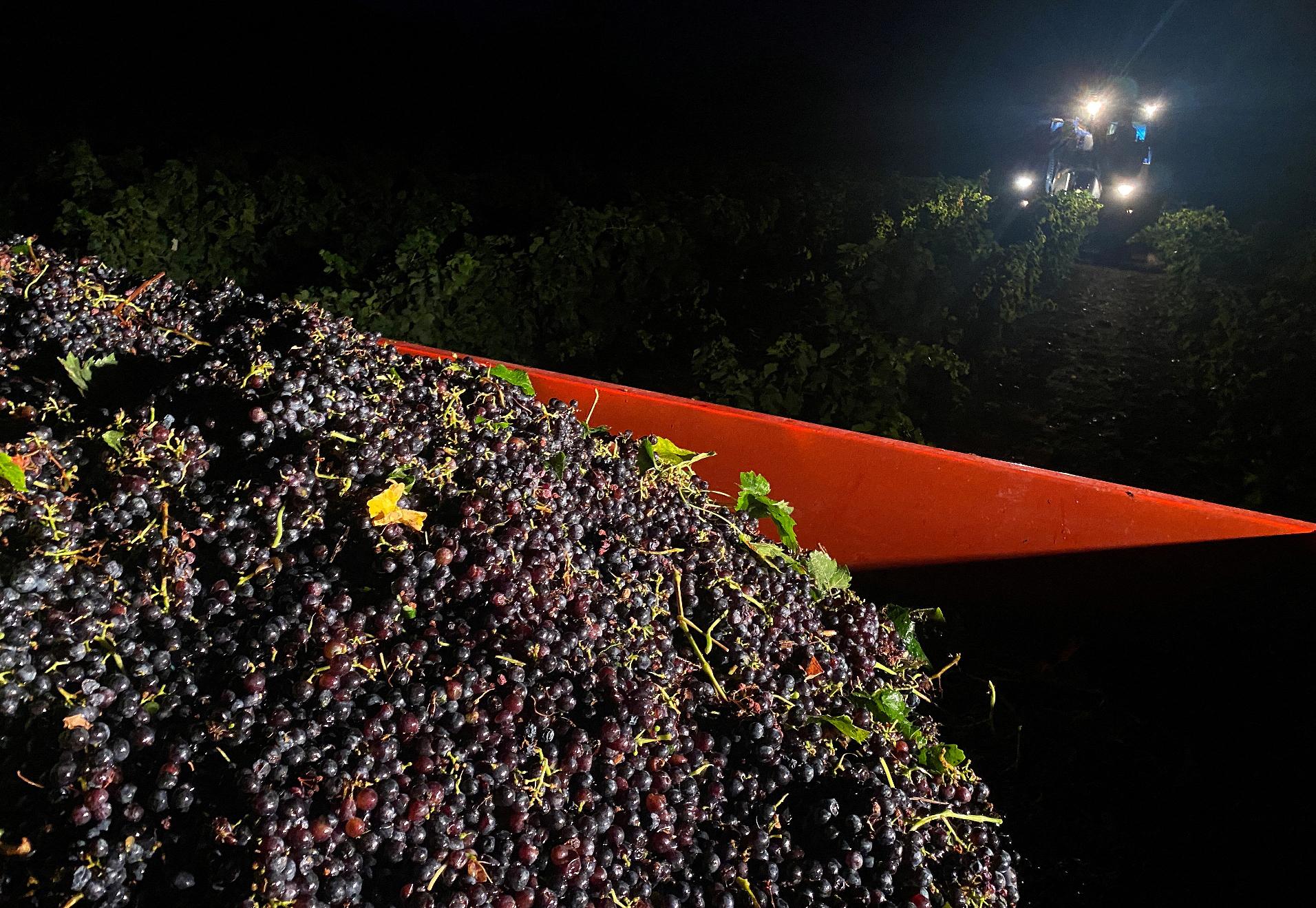
PARIS, Nov 10 (Reuters) - France's farm ministry on Friday raised its estimate for this year's wine production, confirming that it will regain the top spot among world producers although some major producing regions including Bordeaux have been hit by disease. As grape-picking comes to an end in France, the ministry estimated this year's vintage at 47.2 million hectolitres, up from 46 million pegged last month and now 2% above last year's volume. A hectolitre equals 100 litres or 133 standard wine bottles. Wine production increased in many regions including Champagne where the weight of the clusters reached a record level, but it declined in Bordeaux, Languedoc-Roussillon, the South-West and South-East, the ministry said. In Burgundy, production equalled the record reached in 2018, notably for white wine, while output was expected at a good level in Beaujolais despite some hail storms, it said. In contrast in Bordeaux, although white wines volumes are correct, those for reds were affected by mildew attacks in some areas. Overall, Bordeaux wine production will be 15% lower than the 2018-2022 average level, the ministry said. France, which had fallen behind Italy as the largest world wine producer, is set to reclaim its leadership this year after extreme weather and fungal diseases severely hit Italian vineyards. World wine output is expected to fall to its lowest level in 60 years in 2023, also hurt by poor harvests in Spain and Latin American countries, the International Organisation of Vine and Wine (OIV) said on Tuesday. https://www.reuters.com/markets/europe/france-raises-wine-output-estimate-regains-top-producer-spot-2023-11-10/
2023-11-10 10:51
BENGALURU, Nov 10 (Reuters) - India's Hindalco Industries (HALC.NS), one of the country's largest aluminium and copper producers, reported a smaller-than-expected quarterly profit on Friday, hurt by lacklustre aluminium prices and demand. The Aditya Birla Group-owned company, which operates in 10 countries, said its consolidated net profit fell to 21.96 billion rupees ($263.33 million) in the three-month period ended Sept. 30, from 22.05 billion rupees a year earlier. Analysts, on average, expected a profit of 24.86 billion rupees. Average aluminium and zinc prices slumped in the second quarter, with the London Metal Exchange's aluminium rates dropping 5.1% and alumina sliding 4.1% quarter-on-quarter, analysts said. Factory activity in September expanded in India - the world's second-biggest aluminium producer - at the slowest pace in five months, a private survey showed. However, the company expects aluminium demand to pick up at a strong pace in the ongoing quarter that ends in December, Managing Director Satish Pai said in a post-results briefing. Meanwhile, the company is also concerned about rising imports from China, Pai said, adding that it was attempting to get an anti-dumping duty imposed on aluminium foil. Novelis, Hindalco's U.S. unit and home to the company's biggest operations, recorded an 11.4% plunge in revenue, pulling down total sales nearly 4% to 541.69 billion rupees. Hindalco said in a statement that revenue from its copper business, the company's second-largest segment, rose around 30% to 124.41 billion rupees due to higher metal shipments. Shares of Hindalco, which houses global brands such as Eternia Windows, Maxloader and Everlast Roofings, traded flat after the results. The stock gained 17% during the quarter, outpacing a 2.3% rise in the benchmark Nifty 50 Index (.NSEI). Separately, the Indian government has approached Hindalco for gallium extraction, Pai said, adding the company has shown interest in some of the critical minerals that officials had earlier announced. ($1 = 83.3929 Indian rupees) https://www.reuters.com/world/india/indian-aluminium-producer-hindalco-misses-q2-profit-view-lower-prices-demand-2023-11-10/

2023-11-10 10:46
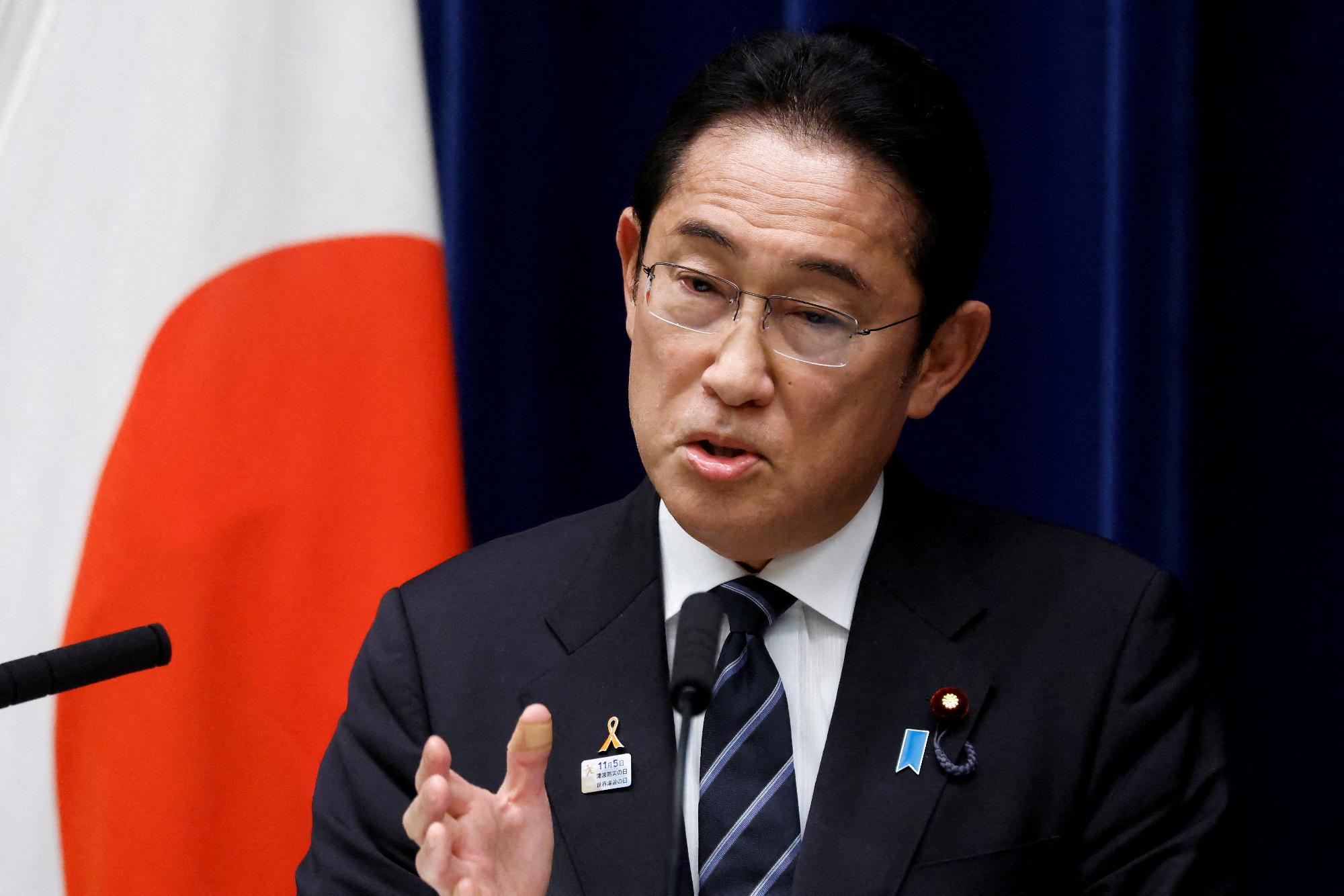
TOKYO, Nov 10 (Reuters) - Japan and South Korea will establish a joint supply network for carbon-neutral fuels such as hydrogen and ammonia, the Nikkei business daily reported on Friday. Japanese Prime Minister Fumio Kishida and South Korean President Yoon Suk Yeol will announce the framework on Nov. 17 in the United States, where they are expected to join the Asia-Pacific Economic Cooperation (APEC) meeting, the paper said. Japan and South Korea, both highly dependent on energy imports, plan to work together to negotiate prices and volumes, Nikkei said, and state-backed financial institutions would help companies to raise funds for hydrogen and ammonia projects outside Japan and South Korea. No comment was immediately available from Japan's trade ministry. Japan's Kishida visited the Middle East in July to promote cooperation in green and renewable energy, including hydrogen and ammonia supplies, which Japan wants to play a greater role in its energy mix to cut fossil fuel use. https://www.reuters.com/world/asia-pacific/japan-south-korea-set-up-joint-hydrogen-ammonia-supply-network-nikkei-2023-11-10/