2023-11-14 06:13
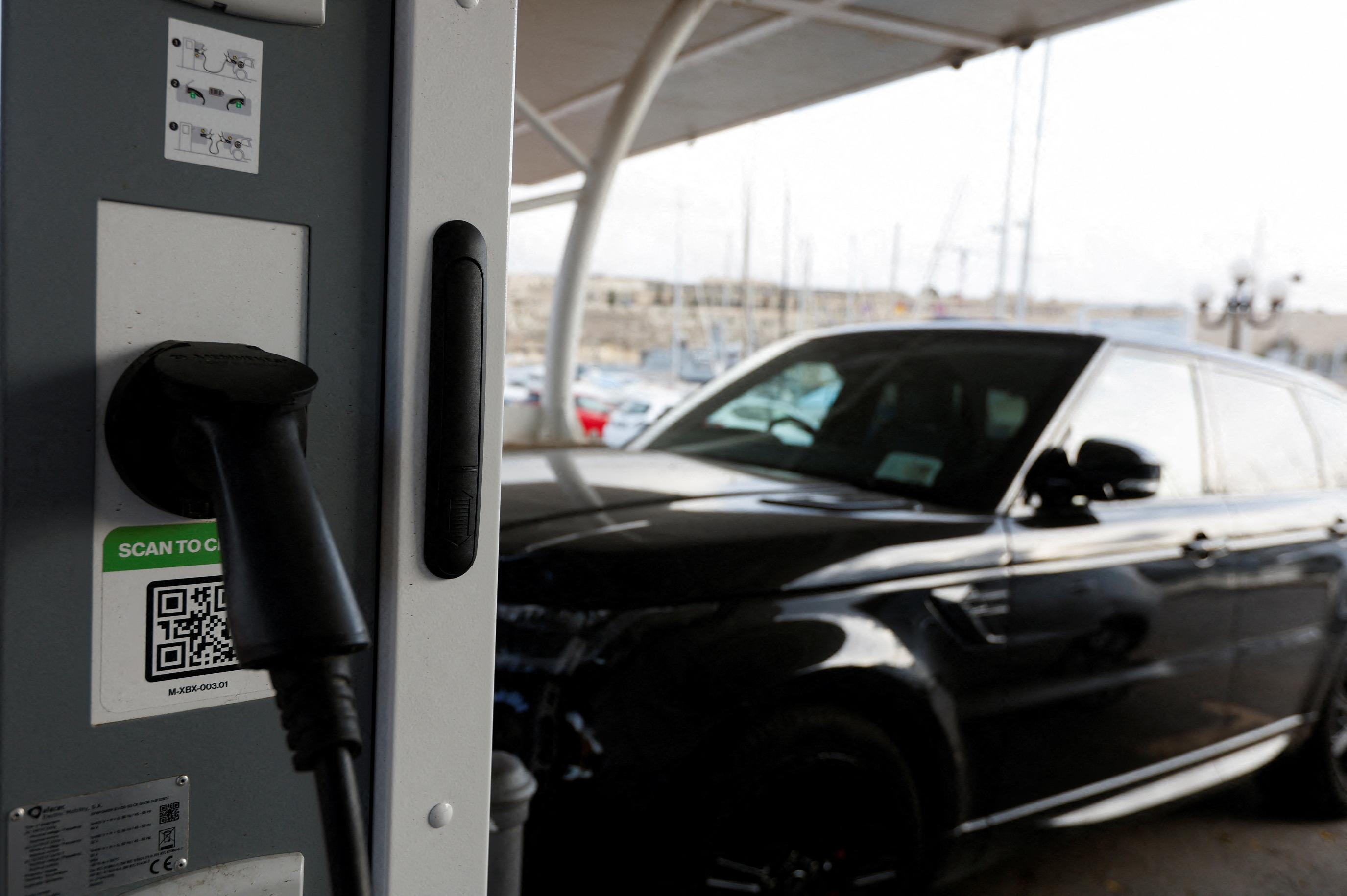
LONDON, Nov 14 (Reuters) - A growing number of automakers and suppliers are working on electric vehicle (EV) motors that either do not contain rare earths or dramatically reduce the use of materials that are dominated by China. Here is a list of some of the products automakers and suppliers are working on or have completed as part of this process: TESLA (TSLA.O) Tesla initially used induction motors without rare earth permanent magnets, but switched to a permanent magnet motor for the mass-market Model 3 in 2017. The world's largest EV maker said earlier this year that it has cut heavy rare earths by 25% per vehicle and aims to go rare-earth free in its next-generation EV models. BMW (BMWG.DE) BMW uses no rare earth permanent magnets today and has developed a magnet-free externally excited synchronous machine (EESM), which generates a magnetic field using electric current, that will be included in all of its next-generation EVs. GENERAL MOTORS (GM.N) The No. 1 U.S. automaker says it is "exploring options to limit or potentially eliminate rare earth materials in EV motors." The company has also just invested in Niron Magnetics, a startup developing permanent magnets without rare earths, alongside rival automaker Stellantis (STLAM.MI). Volvo Cars (VOLCARb.ST) is also an investor in Niron. BORGWARNER (BWA.N) The U.S. supplier already has an EV motor in production that has reduced heavy rare earth content. The company also has an EV motor in development that is rare earth free. JAGUAR LAND ROVER (JLR) The luxury unit of Tata Motors (TAMO.NS) is exploring using two motors on its next-generation EVs, one with rare earths and one without, to reduce its rare earth content per vehicle. ZF (ZFF.UL) German supplier ZF has developed an EESM EV motor that could be in production in two years. The company is in talks to supply European, U.S. and Chinese automakers. VITESCO (VTSCn.DE) German supplier Vitesco previously produced an EESM EV motor for Renault (RENA.PA) and has developed a new version that should be on the market in 2026. The company is also working on rare earth free permanent magnets. RENAULT Renault used a Vitesco EESM EV motor in its Zoe and Kangoo models from 2011 to 2019 and is working on a rare-earth free EV motor with Valeo (VLOF.PA) that should go into production in 2027. A Renault spokesperson said "things continue to progress well" in the joint project. NISSAN (7201.T) Nissan has developed an EESM EV motor for its Ariya crossover and is pursuing a dual strategy of EESM motors and gradually cutting rare earths out of permanent magnet motors. MERCEDES-BENZ (MBGn.DE) Mercedes has reduced the heavy rare earth content in its next-generation MMA EV platform to "close to 0%." The German premium automaker says it aims to remove heavy rare earth content entirely. TOYOTA (7203.T) Toyota is working on a permanent magnet with a 50% reduction in neodymium, a heavy rare earth. BENTLEY The luxury British unit of Volkswagen (VOWG_p.DE) has been researching a motor with rare-earth free magnets and the automaker said it remains "very much committed" to the project. MARELLI Auto parts maker Marelli, owned by U.S. fund KKR (KKR.N), says it is "exploring the use of alternative materials for electric motors to meet (automakers') requirements for magnet-free motors," including "evaluating" EESM motors. EuroGroup Laminations (EGLA.MI) Electric motor component maker EuroGroup Laminations is working on both rare earth free permanent magnet motors and motors with limited rare earth content for automaker customers. https://www.reuters.com/business/autos-transportation/automakers-suppliers-pushing-cut-rare-earths-evs-2023-11-14/
2023-11-14 06:09
Auto industry expanding efforts to cut rare earth EV use Rare earth alternatives now commercially viable Automakers have options ready, watching for China moves Rare earth magnets will still dominate via Chinese EV makers LONDON/BERLIN, Nov 14 (Reuters) - The auto industry's drive to make electric vehicle motors with little to no rare earth content has hit high gear, with European, U.S. and Japanese automakers and suppliers racing for alternatives in an area dominated by China. Automakers have mostly relied on motors with rare earth-based permanent magnets, which have been the most efficient at providing the torque to power EVs. But different types of motors without permanent magnets that were previously too big and too inefficient, or those with greatly-reduced rare earth content have become commercially viable, prompting the rush for alternatives. Market leader Tesla (TSLA.O) garnered headlines earlier this year saying it would cut rare earths from its next-generation EVs. But automakers from General Motors (GM.N) to Jaguar Land Rover (JLR) and major suppliers like BorgWarner (BWA.N) are researching, or have developed, motors with low- to zero-rare earth content such as magnet-free externally excited synchronous machines (EESMs), which generate a magnetic field using electric current. Others like Nissan (7201.T) are going further than previously reported, with a dual strategy to develop both newer EESM motors and also to develop permanent magnet motors where the rare earth content will be gradually eliminated altogether. China dominates the mining and processing of a group of 17 metals known as rare earths, though companies elsewhere are trying to loosen China's grip. Recent Chinese restrictions on exports of gallium and graphite - which is critical for EV production - highlighted the risk of over-reliance on China. German supplier ZF (ZFF.UL) has developed an EESM motor that Chief Technology Officer Otmar Scharrer said matches the size and performance of permanent magnet motors. "This is an important contribution to making us a little more independent of China," he said. ZF is in talks with U.S., European and Chinese automakers to supply the motor and could be in production model EVs within two years, Scharrer said. Aside from over-reliance on China, refining rare earths, such as neodymium and dysprosium, involves solvents and toxic waste that conflict with sustainability goals. "If you get it right, you've got a much more sustainable product," Ben Chiswick, director of engineering business development at Detroit-based Drive System Design, which is developing rare earth-free motors with three automakers. Some automakers, like BMW (BMWG.DE) say they are already there after years of research. "It was not a home run... but it works very well without rare earths" said Uwe Deuke, the engineer in charge of developing BMW's EESM motor for its next-generation EVs. 'WAITING IN THE WINGS' The average EV permanent magnet motor uses around 600 grams (1.32 lb) of heavy rare earth neodymium. Prices have fluctuated greatly for neodymium - at around $125/kg now, it is down from a peak of around $223 last year, but well above $65 in 2020. Vitesco (VTSCn.DE) designed an EESM motor for Renault (RENA.PA) and has a new version coming in 2026. Gerd Roesel, innovation head at the German supplier's electrification division, said rare earth-free alternatives avoid those wild price swings. Others like U.S. startup Niron Magnetics are developing permanent magnets without rare earths. Tesla's announcement on dropping rare earths "opened up buyers' eyes to the fact that you don't really need rare earths to make EV magnets," Niron CEO Jonathan Rowntree said. Niron's latest funding round included investments from GM and Stellantis (STLAM.MI). Nissan uses an EESM motor in its Ariya crossover. Shunji Oki, expert leader at the automaker's powertrain and EV engineering division, said Nissan is developing both better EESM motors and permanent magnets where rare earths will be phased out. James Edmondson, an analyst at consultancy IDTechEx, said automakers rushed to find alternatives as rare earth prices rose, but now prices have fallen they are watching China closely and waiting to see if governments take action that would curb the use of Chinese rare earths, as the U.S. Inflation Reduction Act did. "This is why they (automakers) have other technologies waiting in the wings," he said. IDTechEx forecasts that as of now rare-earth permanent magnet motors will lose some global market share over the next decade but still make up more than 70% as Chinese EV makers face no pressure to curtail their use - though their share will be much closer to 50% in Europe, Edmondson said. And where western automakers are sticking with rare-earth permanent magnets, they are working to dramatically reduce their content, he added. Mercedes-Benz's (MBGn.DE) next-generation EV platform, for instance, has almost no heavy rare earth content. The challenge also goes beyond motors. In some EVs, around a third of the rare earths used are in the sound system's speakers. UK firm Warwick Acoustics has developed rare earth-free speakers that are 90% lighter and more energy efficient than conventional ones. It has signed up its first luxury automaker customer and is talking to others, CEO Mike Grant said. "We're fighting off people right now," he said. https://www.reuters.com/business/autos-transportation/automakers-drive-avoid-chinas-ev-rare-earth-dominance-gathers-speed-2023-11-14/
2023-11-14 05:49
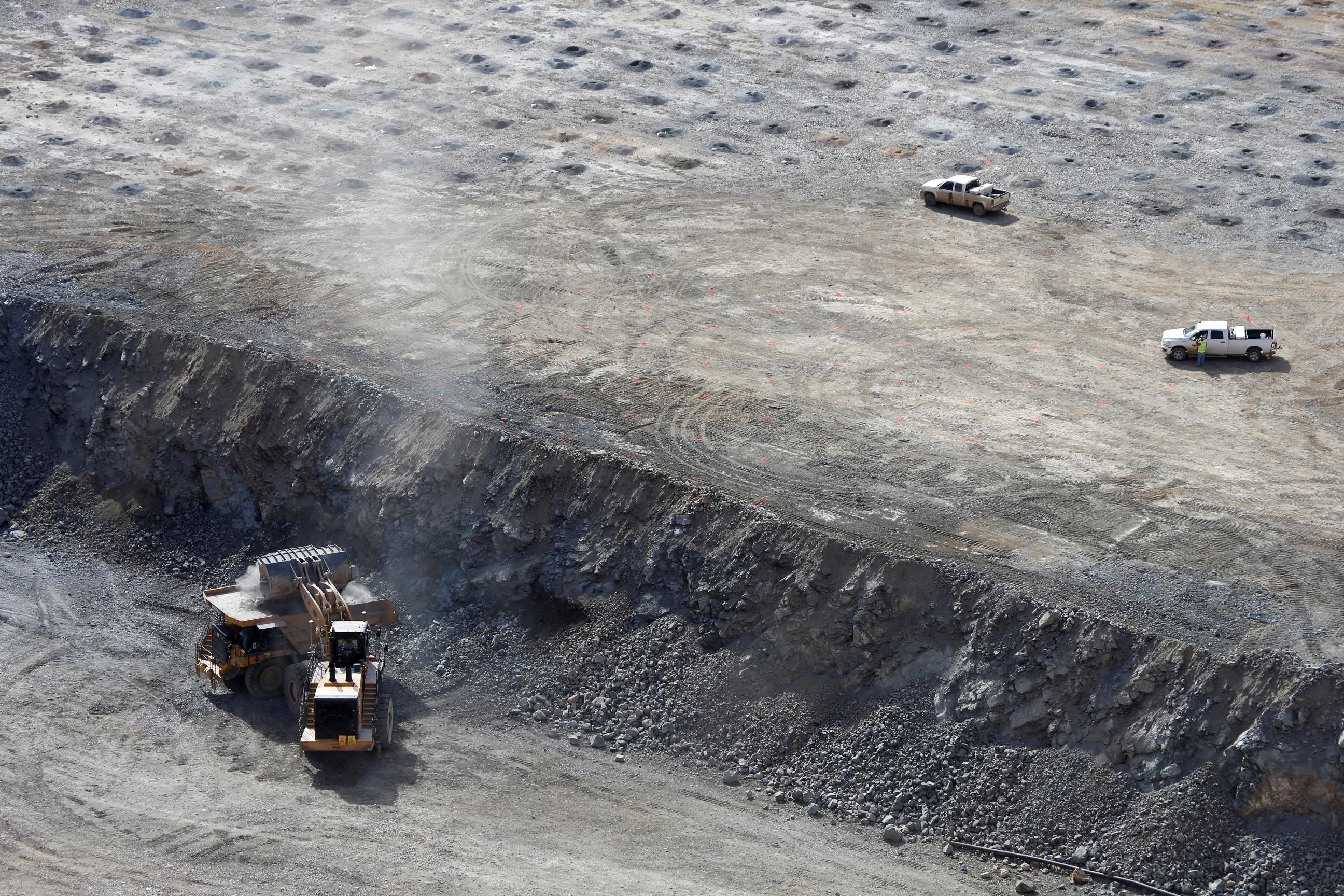
SINGAPORE, Nov 14 (Reuters) - China's greenhouse emissions could start going into "structural decline" as early as next year as power generation from fossil fuels starts to fall, analysis from the Helsinki-based Centre for Research on Energy and Clean Air (CREA) showed. The world's biggest producer of climate-warming greenhouse gases has pledged to bring its emissions to a peak "before 2030", but its construction of new coal-fired power plants has raised concerns that carbon dioxide (CO2) would peak at a much higher level than previously estimated. The country's stance on fossil fuels is expected to be a key issue at COP28 climate talks in Dubai this month, with top envoy Xie Zhenhua telling diplomats in September that a phase-out was "unrealistic". However, CREA's lead analyst, Lauri Myllyvirta, said emissions could start to go into "structural decline" as early as 2024, despite an estimated rebound of 4.7% year on year in the third quarter of 2023. Factors such as record levels of new renewable installations, a rebound in hydropower generation and a moderate economic recovery that has not relied on infrastructural investment "all but guarantee" a decline in China's CO2 emissions next year, he said. "If coal interests fail to stall the expansion of China's wind and solar capacity, then low-carbon energy growth would be sufficient to cover rising electricity demand beyond 2024," he wrote in an analysis published by Carbon Brief on Monday. "This would push fossil fuel use - and emissions - into an extended period of structural decline." https://www.reuters.com/sustainability/climate-energy/china-emissions-could-go-into-structural-decline-next-year-research-2023-11-14/

2023-11-14 05:48
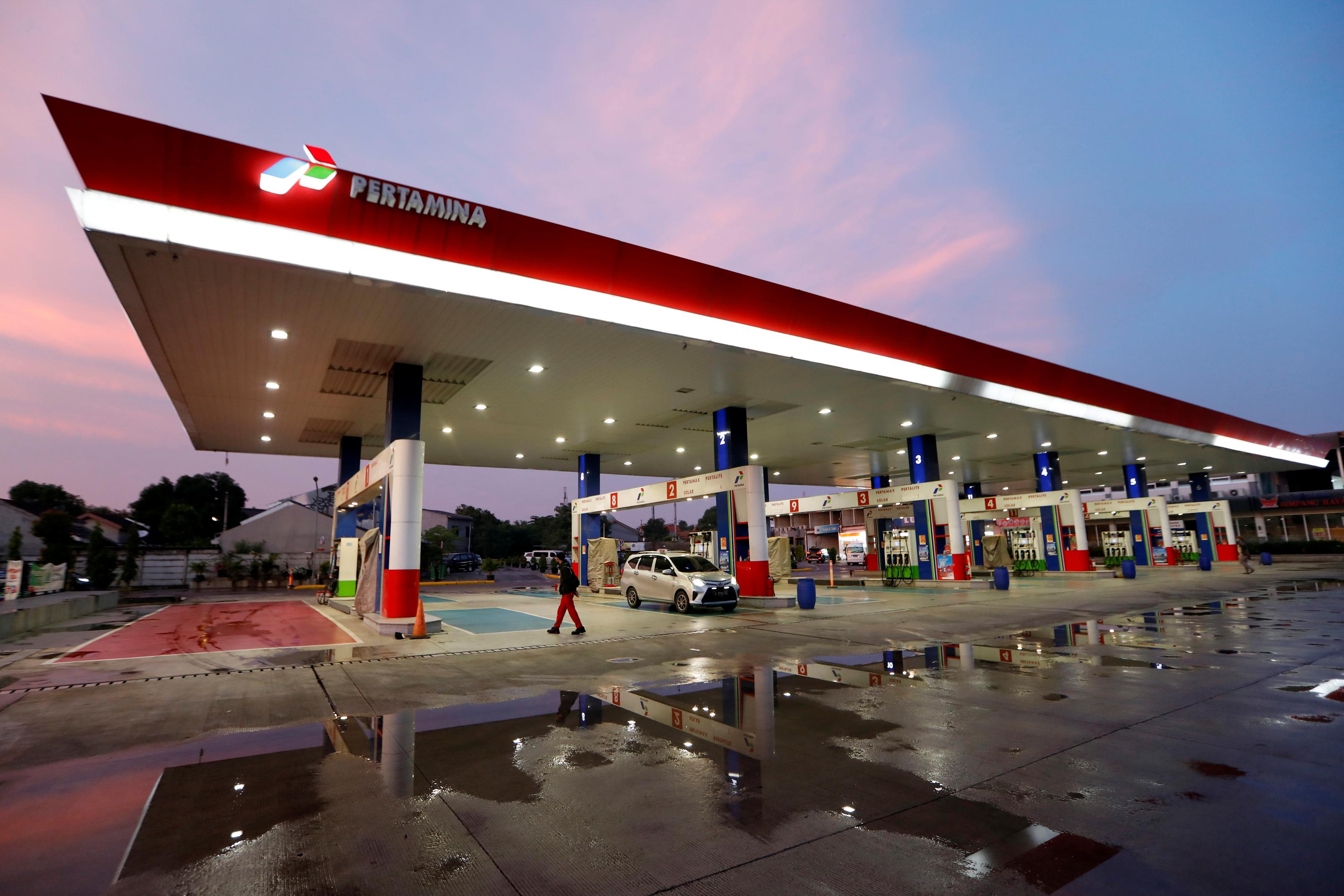
JAKARTA, Nov 14 (Reuters) - Indonesian state oil company Pertamina signed agreements with U.S. oil company Chevron (CVX.N) to share data aimed at developing a carbon capture facility in East Kalimantan, Pertamina said in a statement on Tuesday. Pertamina, through three of its upstream units, agreed to share information with Chevron on areas where they could potentially develop carbon capture storage (CCS) or carbon capture utilisation and storage (CCUS), according to the statement. Such information may include geological, geophysical data, maps and commercial information, among others. Pertamina is reviewing numerous potential partnerships on CCS and CCUS, including with Exxon Mobil. "The use of fossil energy in Indonesia is still dominant, meaning we still produce large emissions. Therefore, it is important to be serious about CCS and CCUS technology," Pertamina Chief Executive Nicke Widyawati said. Chevron did not immediately respond to a request for comment. The agreements were signed on the sidelines of a trip to the U.S. by Indonesia's President Joko Widodo. Indonesia wants to utilise its depleted hydrocarbon reservoirs as storage facilities for green house gases and is finalising a regulation that would open up CCS and CCUS storage schemes in the country to industries outside the oil and gas sector and allow carbon from abroad to be stored in the country. Indonesia is expected to require only half of its storage capacity of 8 gigatonnes of carbon in the depleted reservoirs, while an additional 400 gigatonnes of storage capacity is available if it utilises its saline aquifers. https://www.reuters.com/markets/carbon/indonesias-pertamina-chevron-agree-share-data-develop-carbon-storage-facility-2023-11-14/
2023-11-14 05:47
JAKARTA, Nov 14 (Reuters) - Indonesia's state oil company Pertamina said on Tuesday it had amended an agreement on a carbon capture storage project with Exxon Mobil (XOM.N) to move ahead with their evaluation for development in the Java sea. Pertamina said the carbon capture and storage facility it plans with Exxon has a storage potential for 3 gigatons of carbon with an investment estimated at over $2 billion. https://www.reuters.com/markets/carbon/indonesias-pertamina-exxon-moves-ahead-with-2-bln-carbon-capture-evaluation-2023-11-14/
2023-11-14 05:42
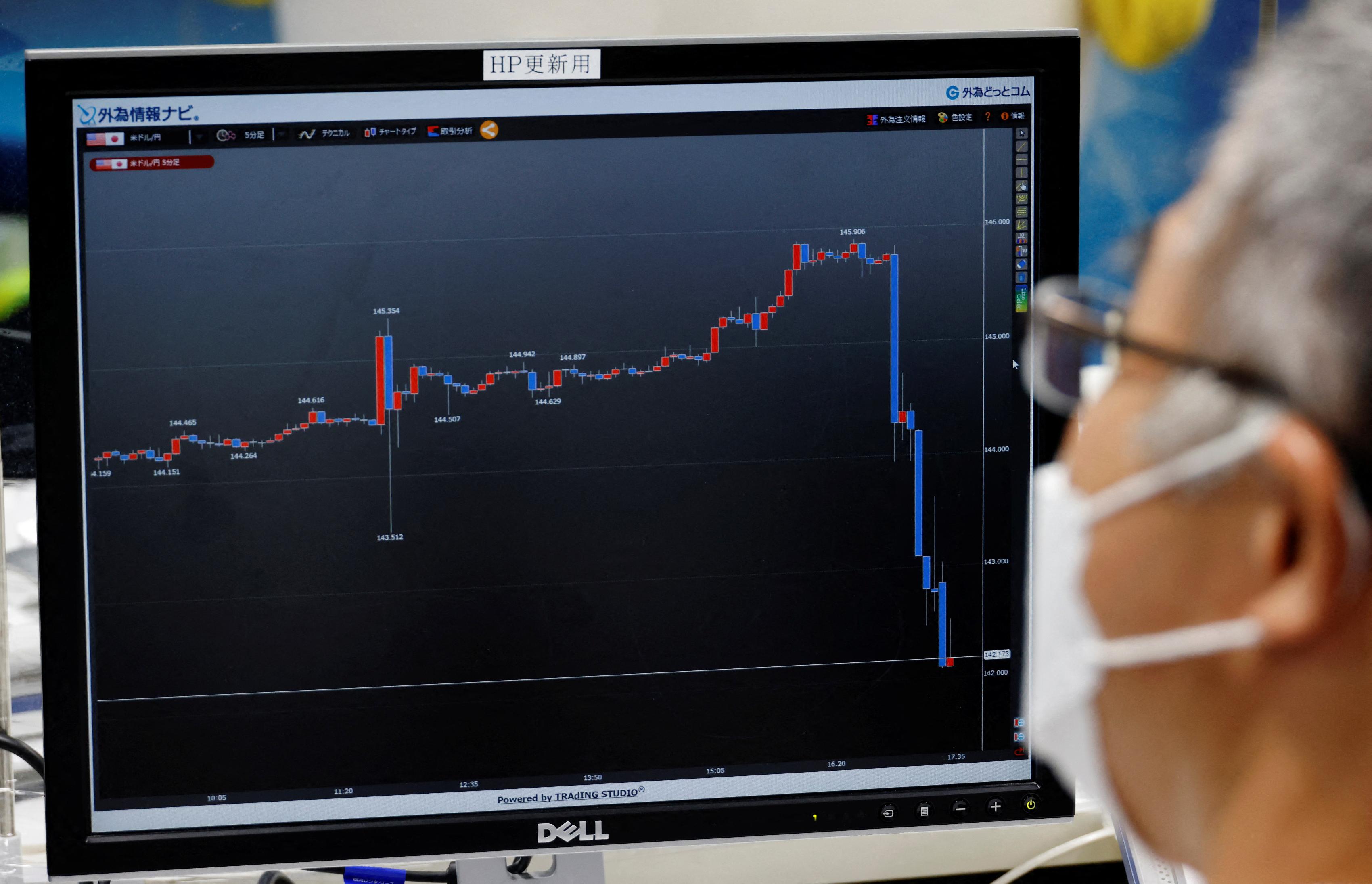
A look at the day ahead in European and global markets from Ankur Banerjee With investors' focus squarely on U.S. inflation data, due later on Tuesday, markets have had a muted Asian session, although traders remain transfixed by the battered yen's relentless march towards a three-decade low. European bourses too look set for a quiet open, futures markets show, but data on euro zone Q3 flash GDP and UK average weekly earnings for October will likely influence the market, while investors digest a cabinet reshuffle in Britain that included David Cameron's return as foreign minister. Economists polled by Reuters expect headline U.S. consumer price inflation to slow to 3.3% in October from 3.7% in September, with the core inflation rate that strips out volatile components seen unchanged from September at 4.1%. Federal Reserve policymakers have kept the option of further rate hikes on the table, with Fed Chair Jerome Powell saying last week they were still not sure rates are high enough to tame inflation. Strong data could put even more pressure on the fragile yen, which touched a one-year low of 151.92 per dollar on Monday and was last at 151.65, while holding within a very tight range in Asian hours. If the battered currency breaks through last year's trough of 151.94, it would mark a 33-year low. The yen's latest stumble brought fresh verbal warnings from Tokyo. Japanese Finance Minister Shunichi Suzuki said on Tuesday that the government would take all possible steps necessary to respond to currency moves, repeating his usual mantra that excessive swings were undesirable. In the corporate world, investors will keep an eye on Europe's most valuable company, Novo Nordisk (NOVOb.CO). Shares of the Danish drugmaker rose on Monday after data showed that the heart-protective benefits of its popular obesity drug Wegovy are not solely due to weight loss. With a mixed picture of U.S. consumer demand emerging over the past quarter, earnings results from Walmart (WMT.N) and Target (TGT.N) on Wednesday and Thursday respectively will shed light on U.S. retailers' prospects as they head into Black Friday. A Reuters analysis showed that excess stocks might hamstring the retail sector during the holiday season for a second straight year, squeezing profit margins while shoppers can look forward to deep discounts. Key developments that could influence markets on Tuesday: Economic events: UK average weekly earnings for September, Euro Zone Q3 flash GDP, Euro Zone employment flash Q3 https://www.reuters.com/markets/global-markets-view-europe-2023-11-14/