2023-11-08 23:18
Nov 8 (Reuters) - The Sierra Club environmental group on Wednesday urged the U.S. energy regulator to reject a request by liquefied natural gas developer Tellurian Inc (TELL.A) for a three-year extension to complete construction of its $25 billion LNG export facility. Tellurian received Federal Energy Regulatory Agency (FERC) approval in 2019 but did not start construction on its Driftwood LNG plant for three years. The company is asking FERC, part of the Department of Energy, to extend its license into 2029 to complete the Louisiana plant that could export up to 27.6 million metric tons per year. In a filing with FERC, the Sierra Club contended that Tellurian failed to start construction early enough to meet the 2026 deadline. It alleged that canceled delivery contracts and "financial and governance woes" were behind the delays, not the COVID-19 pandemic. Tellurian revealed in an August securities filing that trader Gunvor Singapore Pte Ltd terminated its contract to take cargoes. The Sierra Club cited planet-heating emissions and possible environmental contamination from the plant. It said any uptick in U.S. LNG exports to Europe could be short-term and Driftwood may "be idle or operate below capacity" over its 20-year lifespan. A spokesperson for Tellurian declined to comment. If built, the plant would be one of the largest U.S. LNG export terminals. Global demand for LNG is expected to grow by more than 50% by 2035 from 2022 levels, according to Michael Stoppard, global gas strategy lead at data provider S&P Global Commodity Insights. Last week, Tellurian said it remains on target to produce the first LNG at Driftwood in 2027, as it looks for customers to buy LNG from the plant. The U.S. is the world's largest exporter of the superchilled gas and so far this year three projects have received financial go-aheads. https://www.reuters.com/business/energy/environmental-group-urges-us-not-extend-license-tellurian-inc-lng-plant-2023-11-08/
2023-11-08 22:52
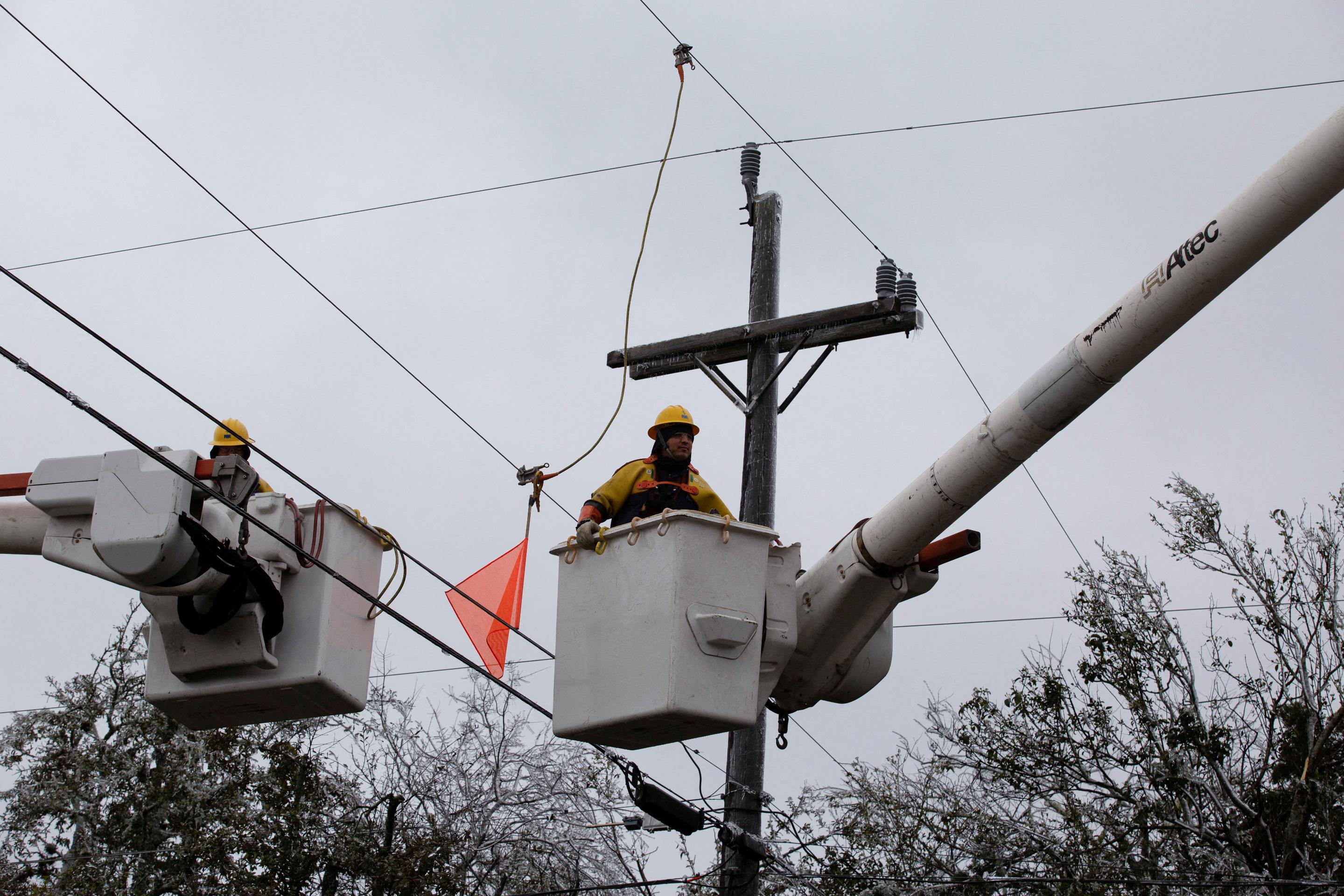
Nov 8 (Reuters) - More than half of the U.S. and parts of Canada, home to around 180 million people, could fall short of electricity during extreme cold again this winter due to lacking natural gas infrastructure, the North American Electric Reliability Corp (NERC) said on Wednesday. In its 2023-24 winter outlook, the regulatory authority warned that prolonged, wide-area cold snaps threaten the reliability of bulk power generation and availability of fuel supplies for natural gas-fired generation. "Recent extreme cold weather events have shown that energy delivery disruptions can have devastating consequences for electric and gas consumers in impacted areas," NERC said. It put the U.S. Midwest, Northeast, Mid-Atlantic, and South, along with some Canadian provinces, at the highest risk for electricity supply shortages this winter. Grid operators like Midcontinent ISO, PJM Interconnection, SERC Reliability Corp and Texas' ERCOT are vulnerable to generators going offline under extreme cold conditions, NERC said, adding that cold weather could also choke off gas pipelines in New England that has limited gas infrastructure. "There is not enough natural gas pipeline and infrastructure to serve all the gas generation in certain big areas like PJM, MISO, New York, and New England," John Moura, NERC's director for reliability assessment and performance analysis, said during a media briefing. NERC also found that load forecasting in winter is growing in complexity, and underestimating demand is a risk to reliability in extreme cold temperatures. NERC, along with the Federal Energy Regulatory Commission, on Tuesday urged lawmakers to fill a regulatory blind spot to maintain a reliable supply of gas during extreme cold that was highlighted by an inquiry into power outages during Winter Storm Elliott in December 2022. During Elliott, both electric and gas systems in much of the eastern half of the U.S. experienced significant stress, resulting in unplanned generation losses, with around 90,500 megawatts out at the same time, the inquiry found. Flows of gas into pipelines were reduced during Elliott, while demand for the fuel for heating and power generation increased, dramatically lowering line pressures. That gas system only narrowly avoided significant outages. In New York City, Consolidated Edison (ED.N) declared an emergency because it faced a system collapse that would have taken "many months" to restore service in the middle of the winter. https://www.reuters.com/world/us/north-america-faces-power-reliability-challenges-again-this-winter-nerc-2023-11-08/
2023-11-08 22:50
WASHINGTON, Nov 8 (Reuters) - The Biden administration is working closely with partner countries over sanctions on a Russian liquefied natural gas project in the Arctic as a January deadline looms on a wind down of transactions with the plant, a State Department spokesperson said on Wednesday. The U.S. imposed sanctions last week on the Arctic LNG-2 project in Russia as part of wide-ranging measures to punish Moscow for the war in Ukraine. The Office of Foreign Assets Control, part of the Treasury Department, also issued a general license that authorizes the wind down of transactions involving Arctic LNG-2, through Jan. 31, 2024. Novatek (NVTK.MM), Russia's largest LNG producer, has a 60% stake, and plans to start production by the end of this year. Arctic LNG-2 would be Russia's third large-scale LNG project and is designed to help Russia achieve a goal of gaining 20% of the global LNG market by 2035, up from around 8% currently. The sanctions are aimed at avoiding a boost to LNG prices, the State Department spokesperson said. "We do not have a strategic interest in reducing the global supply of energy, which would raise energy prices around the world and pad Putin's profits," said the State Department spokesperson, referring to Russian President Vladimir Putin. The U.S. was the world's largest LNG exporter in the first six months of this year, according to the Energy Information Administration. "Through all of our sanctions designations we maintain close coordination with our partners on sanctions issues, and we will continue to do so," the spokesperson added. In 2021 the Treasury Department issued a sanctions review that said when possible the U.S. would coordinate with allies and engage with industry and other stakeholders while crafting sanctions. The sanctions and wind down have drawn the attention of France's TotalEnergies (TTEF.PA) and Japan Arctic LNG - a consortium of Mitsui & Co (8031.T) and JOGMEC. They each hold a 10% stake in the project and are wary about the impact of the measures. It was unclear whether the French and Japanese companies need additional licenses or waivers from the U.S. government to stay with the project. Japan's Industry Minister Yasutoshi Nishimura said on Tuesday that some impact to his country's LNG businesses would be unavoidable. Japan will work with G7 countries to ensure a stable energy supply to Japan, he said. TotalEnergies said last week it was assessing the impact of the sanctions on the project, in which it has a total interest of 21.5% via its holding in Novatek. https://www.reuters.com/business/energy/us-working-with-allies-over-sanctions-russian-arctic-lng-project-state-dept-2023-11-08/

2023-11-08 22:30
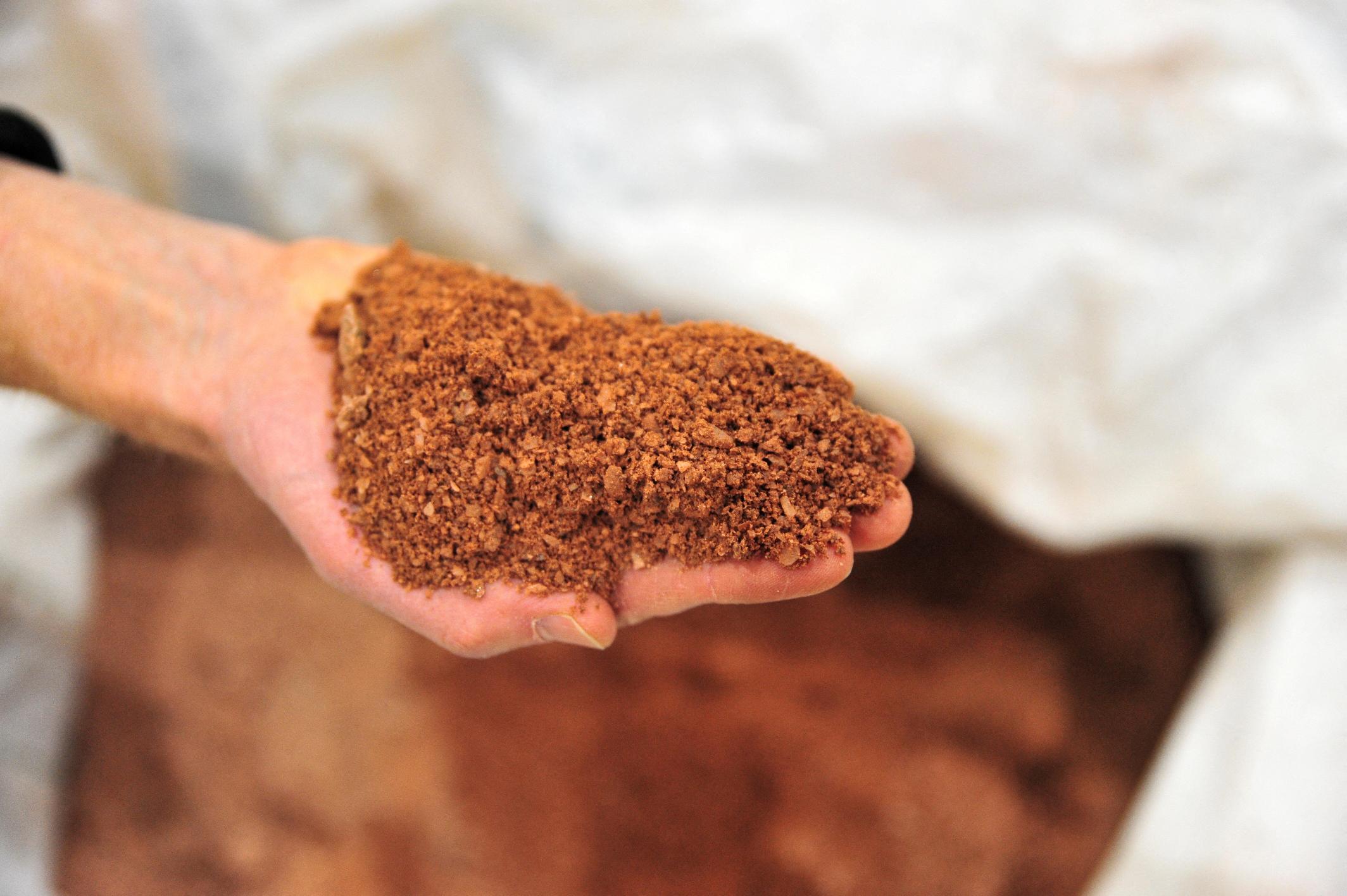
TORONTO, Nov 8 (Reuters) - A handful of Canadian, German and Australian critical mineral explorers plan to command premium prices for key metals used in electric vehicles, promising quality and consistency in exchange for shifting reliance away from China, the dominant producer and price-setter. China controls 95% of the production and supply of rare earth metals, integral to manufacturing magnets for electric vehicles (EVs) and wind farms, and this monopoly has allowed China to dictate prices and stir turmoil among end users through export controls. Now, mining companies such as TSX-listed Aclara Resources (ARA.TO) and Australia's Ionic Rare Earths (IXR.AX) are discussing plans that may loosen China's grip on the critical minerals market, moving towards market-determined prices, company officials told Reuters. Canadian miner Neo Performance Materials (NEO.TO) and Germany's Vacuumschmelze are also discussing similar plans, people familiar with the matter said. The two companies did not offer comment when reached by Reuters. "The controls on strategic minerals (by China) continues to escalate, it comes as no surprise if rare earths are next," said Ramon Barua, CEO of Aclara Resources, which is developing a heavy rare earth project in Chile. Aclara is looking to mine heavy rare earth metal, such as dysprosium, and is in talks with original equipment manufacturers (OEMs) for a premium pricing as part of a long-term offtake deal. The previously unreported plans come as the miners seek to benefit from the Group of Seven (G7) countries' move to incentivize miners and automakers to produce and procure critical metals domestically or from friendly nations. In exchange, these miners expect end users to pay a premium. They argue that geopolitical tensions between the West and China risk the reliable supply of rare earth minerals. If China persists with export restrictions, as it has with commodities like as germanium and graphite, supply could be further compromised. Rare earths, a group of 17 elements used in various products including EVs, wind turbines, and consumer electronics due to their magnetic and electronic properties, garnered renewed attention after Beijing last month announced export permit requirements for some graphite products from December to protect national security, citing national security concerns. For instance, the current price of neodymium, used to make the most powerful magnet in the world, varies between $73 to $520 per kg and companies say ex-China prices could be 30% more than the current quoted price. Aclara's Barua said that Western supply of rare earth elements will not develop if it depends on Chinese prices. "The West will be able to supply environmentally responsible and traceable rare earths, but the cost structure is different to the Chinese and hence it comes at a premium," he said, adding that the additional cost to OEMs by sourcing rare earths from Western companies would be negligible. IRA LEVERAGE The miners believe manufacturers will absorb extra costs due to new environmental, social and governance-related legislation and tax incentives like the U.S. Inflation Reduction Act and argue that a premium price is warranted for reliable and sustainably sourced rare earths that are key to the transition to cleaner energy. For any OEM, the quandary of differential pricing is about being able to judge a quantifiable value that paying higher price brings. "What we as OEMs want is a global level playing field, and that means having a transparent, sustainable and reliable pricing," Badrinath Veluri, chief specialist at Grundfos, an OEM based out of Denmark that manufactures water pumps that use rare earth magnets. Veluri added that if any supplier is claiming that they bring value by charging higher prices, he wants to see the specific merits of that claim. "The price of any metal (rare earth or otherwise) that is coming from China or from western countries has the same pricing, so why should rare earth pricing be different?" Veluri asked. The discussion on pricing has come up often in the Rare Earth Industry Association, said Veluri, who is also the president of the global organization with partners representing the whole rare earth value chain. U.S.-based MP Materials (MP.N) and Australia's Lynas (LYC.AX), the world's two biggest rare earths companies outside of China, were not immediately available for comment. Developing rare earth mining projects can take decades, and investor risk aversion has derailed the viability of some projects outside of China. While Vietnam, Malaysia, and Myanmar offer alternatives to China, their final production remains distant. Companies have suggested pricing alternatives such as selling rare earth concentrates at their cost of production plus capital cost, ensuring mines remain profitable. Another option is to cap prices at those offered by Chinese rare earth makers, protecting OEMs from drastic price fluctuations. The other option is taking into account the price offered by Chinese rare earth makers and putting a ceiling to it, so even if there is a 100% jump in rare earth prices, OEMs do not end up paying for those fluctuation. These mechanisms could boost the cost of an EV, which uses rare earth magnets in its motor, by at least 30% to 50%, said an rare earth industry official who was not authorized to talk to the media. "Everything ultimately is about trade off," said Tim Harrison, managing director of Ionic Rare Earths. "If you want a product tied to sustainability metrics, minimizing carbon footprints etc, then obviously that is being delivered with cost and that needs to be reflected in the price that supply chain is prepared to pay," Harrison added. "The OEMs probably won't pay a higher price for stuff that they buy in high volumes, such as lithium," said Flavio Volpe, president of Automotive Parts Manufacturers Association, the lobby group that represents Canada's OEM producers of parts and equipment. "But for things like cobalt, copper, or rare earth metals there is a good strategic play to find with a mining partner." Volpe added. https://www.reuters.com/markets/commodities/western-miners-seek-premium-pricing-rare-earth-metals-break-china-grip-2023-11-08/
2023-11-08 22:26
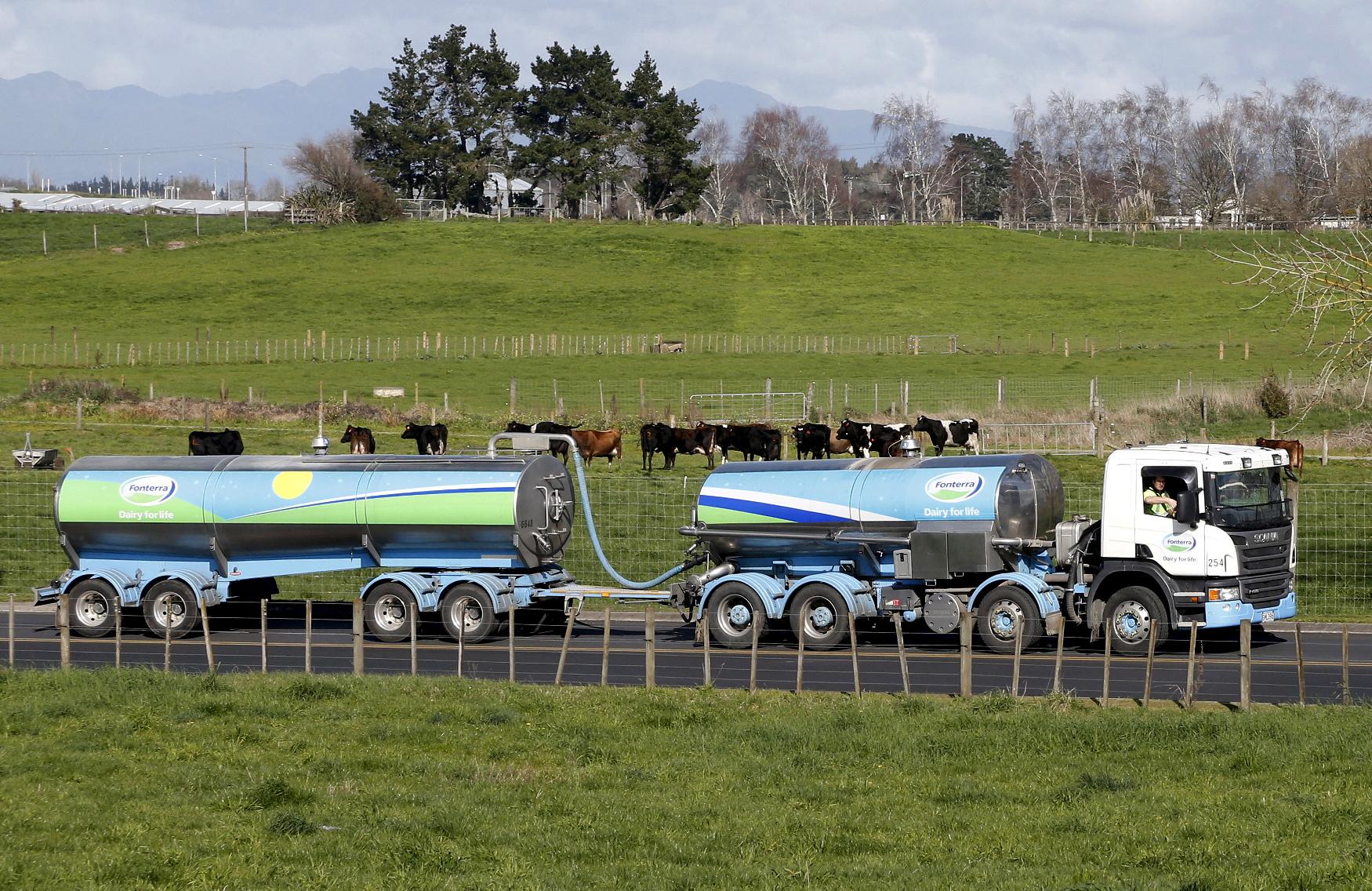
WELLINGTON, Nov 9 (Reuters) - New Zealand’s Fonterra Co-Operative Group (FCG.NZ) want its nearly 8,500 farms to reduce emissions by 30% by 2030, the world’s largest dairy exporter said on Thursday. New Zealand, home to 5 million people, has about 10 million cattle and 26 million sheep and nearly half its total greenhouse gas emissions come from agriculture, mainly methane. Fonterra said that through improving farm practices, novel technologies and offsetting emissions by planting it expected to reduce emissions by about 22%. A further 8% reduction from a 2018 baseline is expected to come from not having to take into account, by 2030, emissions created by land being converted into dairy farms early this century, the company said. “There’s no one solution to reducing on-farm emissions. It will require a combination of sharing best farming practices and technology to reduce emissions – it’s both our biggest opportunity and our biggest challenge,” Fonterra chairman Peter McBride said in a statement. The target was expected to impact each farm differently, he said. Fonterra director of sustainability Charlotte Rutherford said in a media briefing said there would be no penalties for farmers who did not reduce emissions or premiums for those that do. The government has also introduced a plan to tax farm methane emissions from the end of 2025 as it tries to reduce the impact on global warming. New Zealand is one of the first countries to announce it will price agricultural emissions, but the government faced criticism from parts of the farming community, which is concerned about the cost. With the Labour party now out of power, the introduction of the tax is expected to be pushed back by the new government. Rutherford said the decision to introduce the target was being driven by a number of factors including demand for Fonterra to reduce their emissions by markets and their customers, and expectations that banks would increasingly see it as important. Jennifer Chappell, chief executive at Nestle New Zealand, which is a major buyer of Fonterra products, said the plan sends a positive signal to New Zealand’s dairy industry and supports Nestle’s ambition to reduce greenhouse gas emissions. https://www.reuters.com/sustainability/climate-energy/new-zealand-fonterra-targets-30-cut-on-farm-emissions-by-2030-2023-11-08/
2023-11-08 21:18
Canadian dollar weakens 0.2% against the greenback Trades in a range of 1.3756 to 1.3814 Price of U.S. oil settles 2.6% lower Canadian bond yields trade mixed across flatter curve TORONTO, Nov 8 (Reuters) - The Canadian dollar weakened against its U.S. counterpart on Wednesday as oil prices tumbled and despite minutes from the Bank of Canada's latest meeting showing that some policymakers saw the need for more interest rate hikes. The loonie was trading 0.2% lower at 1.38 to the greenback, or 72.46 U.S. cents, after moving in a range of 1.3756 to 1.3814. It was the third straight day of declines for the currency after it notched last week its biggest weekly gain since March. Some of the currency's move in recent days has been part of a normal correction while the recent slide in the price of oil has also been a factor, said Darren Richardson, chief operating officer at Richardson International Currency Exchange Inc. Oil, one of Canada's major exports, settled 2.6% lower at $75.33 a barrel on concerns over waning demand in the U.S. and China. Since the start of the week, oil has fallen more than 6%. "When we see the losses it (oil) had this week, that's having an impact on the Canadian dollar," Richardson said. The loonie is set to strengthen less than previously expected over the coming year once a slowdown in the domestic economy opens the door to Bank of Canada interest rate cuts, a Reuters poll found. Some members of the BoC's policy-setting governing council saw the likely need for further interest-rate hikes when they left borrowing costs on hold on Oct. 25, minutes showed. Canadian government bond yields were mixed across a flatter curve, tracking moves in U.S. Treasuries. The 10-year touched its lowest level since Sept. 14 at 3.695% before recovering to 3.715%, down 4.4 basis points on the day. https://www.reuters.com/markets/currencies/canadian-dollar-weakens-third-day-oil-slides-2023-11-08/