2023-11-09 11:08
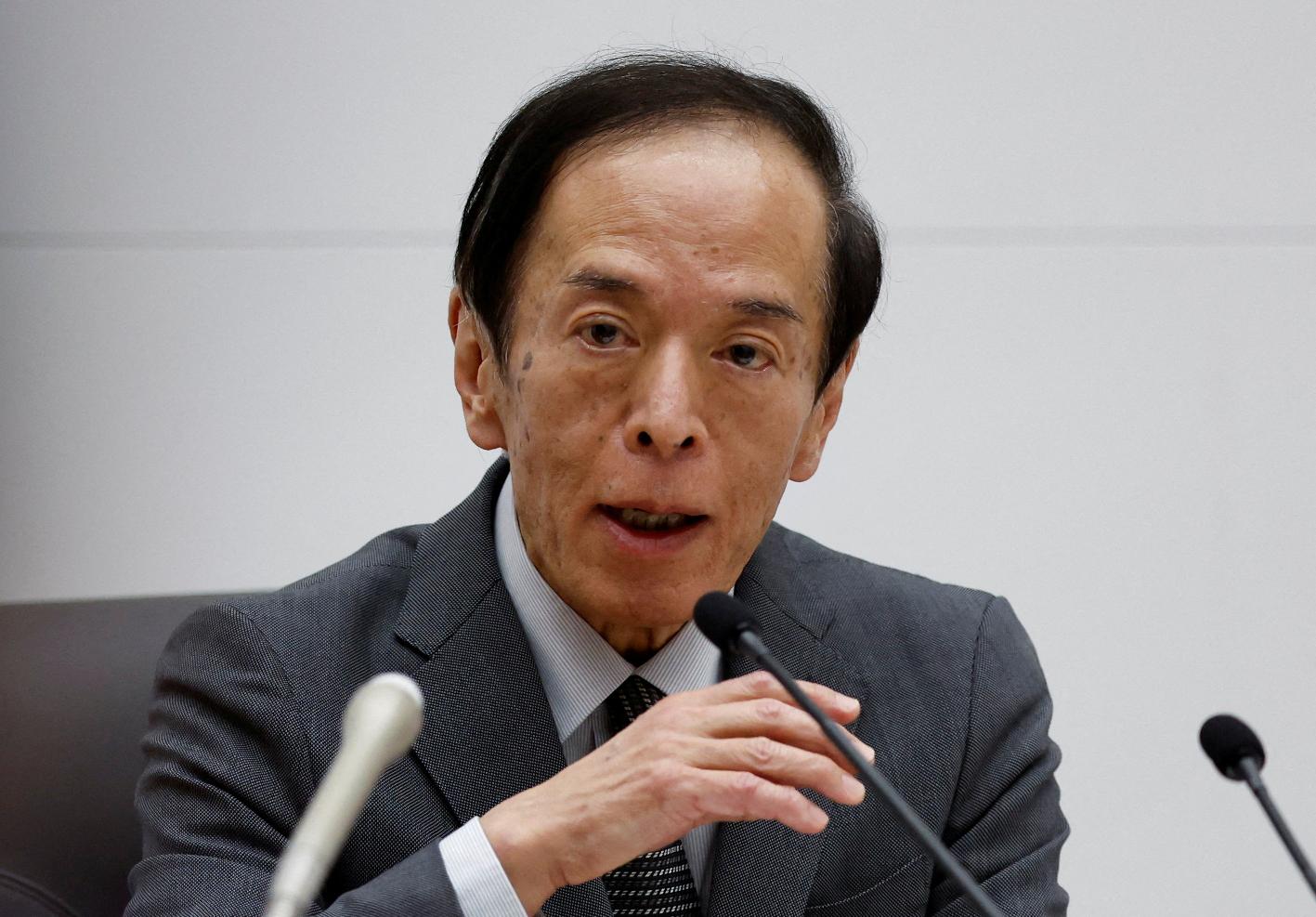
NEW DELHI, Nov 9 (Reuters) - Indian scientists plan to seed clouds for the first time to trigger heavy rain in some areas of New Delhi, hoping this will be enough to tackle the smog gripping the world's most polluted capital for a week, the project's head said on Thursday. Air quality dips in Delhi ahead of winter every year, when cold air traps pollutants from a variety of sources including vehicles, industries, construction dust, and agricultural waste burning. Scientists expect some cloud cover over the city around Nov. 20 and are hoping this will be large enough - and with high enough moisture content - to trigger heavy rain via seeding with salts, said Manindra Agrawal, a scientist at the Indian Institute of Technology at Kanpur, who is leading the trial. The project, estimated to cost 10 million rupees ($120,000) for 100 square kilometres (38.6 square miles), would involve spraying into clouds a mix of salts that include silver iodine, Agrawal said. "We don't expect that big a cloud that will cover entire Delhi, but a few hundred kilometres would be good," he told Reuters. The local government of the city of 20 million people, spread over roughly 1,500 square kilometres (579 square miles), has already shut all schools, stopped construction activities, and said it will impose restrictions on vehicle use to control pollution. The air quality index in the city was 506 early on Thursday, which is categorised as "hazardous" by Swiss group IQAir. Delhi needs heavy and widespread rain to wash away the pollutants, and light rain could worsen the situation, said Gufran Beig, the founder director of the federal government's air-quality monitoring agency SAFAR. Beig added that current airflow is carrying smoke from crop residue burning in the states of Punjab and Haryana to Delhi, which also has its own pollution sources and where there is currently almost no wind. "So unless a huge pressure is established by intense rain, this chain of transport from Punjab to Delhi will not be broken, and once it is broken it is difficult for the chain to form again for some time," he told Reuters. About 38% of the pollution in the capital has been caused by stubble burning in Punjab and Haryana, where over 22,000 stubble burning events were recorded between Sept.15 and Nov. 7, according to a government statement. Stubble burning is a practice followed by farmers wherein crop stubble left behind after rice is harvested is burnt to quickly clear fields before planting wheat crops. The federal government has directed authorities in both states to "take effective actions" to check further stubble burning, the statement added. The Delhi government is seeking to get approval for the project from the Supreme Court, which is hearing petitions related to pollution. Several countries have used cloud seeding to produce rain, improve air quality and water crops in time of drought, including Mexico, the United States, China, Indonesia and Malaysia. However, in 2021, a plan to seed clouds over the mountains of New Mexico to increase snowfall was pulled after allegations it could poison people and the environment. ($1 = 83.2800 Indian rupees) https://www.reuters.com/world/india/indian-scientists-hope-cloud-seeding-can-clean-delhis-toxic-air-2023-11-09/
2023-11-09 11:04
A look at the day ahead in U.S. and global markets from Mike Dolan With the more substantive of Federal Reserve Chair Jerome Powell's two appearances this week still to come, markets have stalled as the week's surprising plunge in oil prices and bond yields levelled off. A fresh fall in China's consumer prices stoked deflationary fears there again and the global economic demand picture is starting to drag on commodity prices everywhere and is helping to defuse October's blistering spike in long-term borrowing rates. The supply picture for U.S. crude, which is now down more than 20% from late September's peaks, has also weighed on energy prices. Crude inventories increased by 11.9 million barrels over the week to Nov. 3, sources said, citing American Petroleum Institute figures. If confirmed, this would represent the biggest weekly build since February. With the energy price drop improving the inflation picture, it has helped drag 10-year Treasury yields back down to their lowest since Sept. 26 - hovering just above 4.5% early on Thursday despite a mixed reception for new 10-year notes auctioned yesterday. Some $24 billion of 30-year bonds are up for grabs later in the day. With senior Fed officials on Wednesday side-stepping guidance on the central bank's next policy steps, attention focuses squarely on Powell's latest speech. Critical in the speech will how Powell characterises the recent rollercoaster in bond yields and whether he protests in some way against market bets that the Fed will cut rates as soon as June. It has left markets in a holding pattern first thing, with the S&P500 (.SPX) eking out an eighth straight gain to just under the 4,400 level on Wednesday and futures marginally up ahead of the open. The VIX (.VIX) recorded its lowest close since mid-September too and remains under 14.5 before today's bell. Overseas markets were firmer too, helped by some positive earnings readouts in Europe and a warning from Chinese authorities about speculative activity in domestic stocks there. In corporate news, the focus was on the entertainment industry. Hollywood actors reached a tentative agreement with major studios on Wednesday to resolve the second of two strikes that rocked the sector as writers and performers demanded higher pay in the streaming TV era. Shares in Walt Disney (DIS.N) were up almost 4% overnight after it exceeded Wall Street's earnings expectations, with higher attendance at its Shanghai and Hong Kong theme parks offsetting a decline in advertising revenue at television network ABC. But Warner Bros Discovery (WBD.O) plunged 19% on Wednesday after the media and entertainment conglomerate said the Hollywood strikes and a weak advertising market hurt its 2024 outlook. Key developments that should provide more direction to U.S. markets later on Thursday: * Federal Reserve Chair Jerome Powell speaks in Washington; Richmond Fed President Thomas Barkin, Atlanta Fed chief Raphael Bostic, St. Louis Interim Fed boss Kathleen O'Neill Paese all speak; European Central Bank President Christine Lagarde speaks in Brussels * U.S. Treasury Secretary Janet Yellen opens two days of meetings with Chinese Vice Premier He Lifeng * U.S. weekly jobless claims * U.S. corporate earnings: News Corp, Wynn Resorts, Tapestry, Westrock, Illumina, Hologic, Mettler-Toledo, TransDigm, Becton Dickinson, * U.S. Treasury auctions $24 billion of 30-year bonds https://www.reuters.com/markets/us/global-markets-view-usa-2023-11-09/

2023-11-09 10:56
LONDON, Nov 9 (Reuters) - Bank of England Chief Economist Huw Pill said on Thursday that it was essential interest rates stay at their current level in order to tame inflation, in a shift in tone from earlier in the week when he discussed possible cuts next year. Last week, the BoE kept its main interest rate at 5.25% and said rates would need to stay there for an extended period, but Pill said on Monday that market pricing pointing towards a first rate cut in August 2024 "doesn't seem totally unreasonable". British consumer price inflation was the highest among large advanced economies in September at 6.7% and, although the BoE expects a big drop in October data next week, it forecasts it will take another two years for it to return to its 2% target. "We do seem to have persistence there," Pill said in a presentation to the Institute of Chartered Accountants in England and Wales (ICAEW). "That's what, for me, makes it crucial that the restrictive stance of monetary policy, as reflected in Bank Rate being at 5.25%, that that restrictive response also has to be persistent, in order to squeeze the inflationary situation out of the system," he added. Despite a slowdown in growth over the past three months, some domestic inflation pressures such as rapid private-sector wage growth had not yet eased, raising concerns about the medium-term outlook for inflation, Pill said. Pill said he did not think a further rate rise was necessary, but noted the BoE's forecasts for inflation returning to target were based on market pricing in the run-up to last week's decision that interest rates would remain high. These forecasts assumed an average interest rate of 5.1% in the final quarter of 2023 - indicating a possible quarter-point cut then - and rates at 4.5% in late 2025. After Pill's remarks on Monday, interest rate sensitive two-year gilt yields fell sharply to a five-month low and rate futures priced in a greater than 50% chance of a rate cut by June 2024, and rates falling to 4.75% by the end of next year. BoE Governor Andrew Bailey reiterated on Wednesday that it was too soon to take about rate cuts. Two-year gilt yields rose as Pill spoke on Thursday and rate futures scaled back pricing for a June rate cut, although they still price in at least two quarter-point cuts for next year. Pill also said it was wrong to view central bank comments on the outlook for monetary policy as expressing firm commitments, rather than plausible scenarios. "There's no promise here and we are responsive to events. Events in the Middle East are a clear focus at the moment for reasons that I think are obvious," he said. https://www.reuters.com/world/uk/boes-pill-uk-monetary-policy-must-stay-tight-lower-inflation-2023-11-09/

2023-11-09 10:40
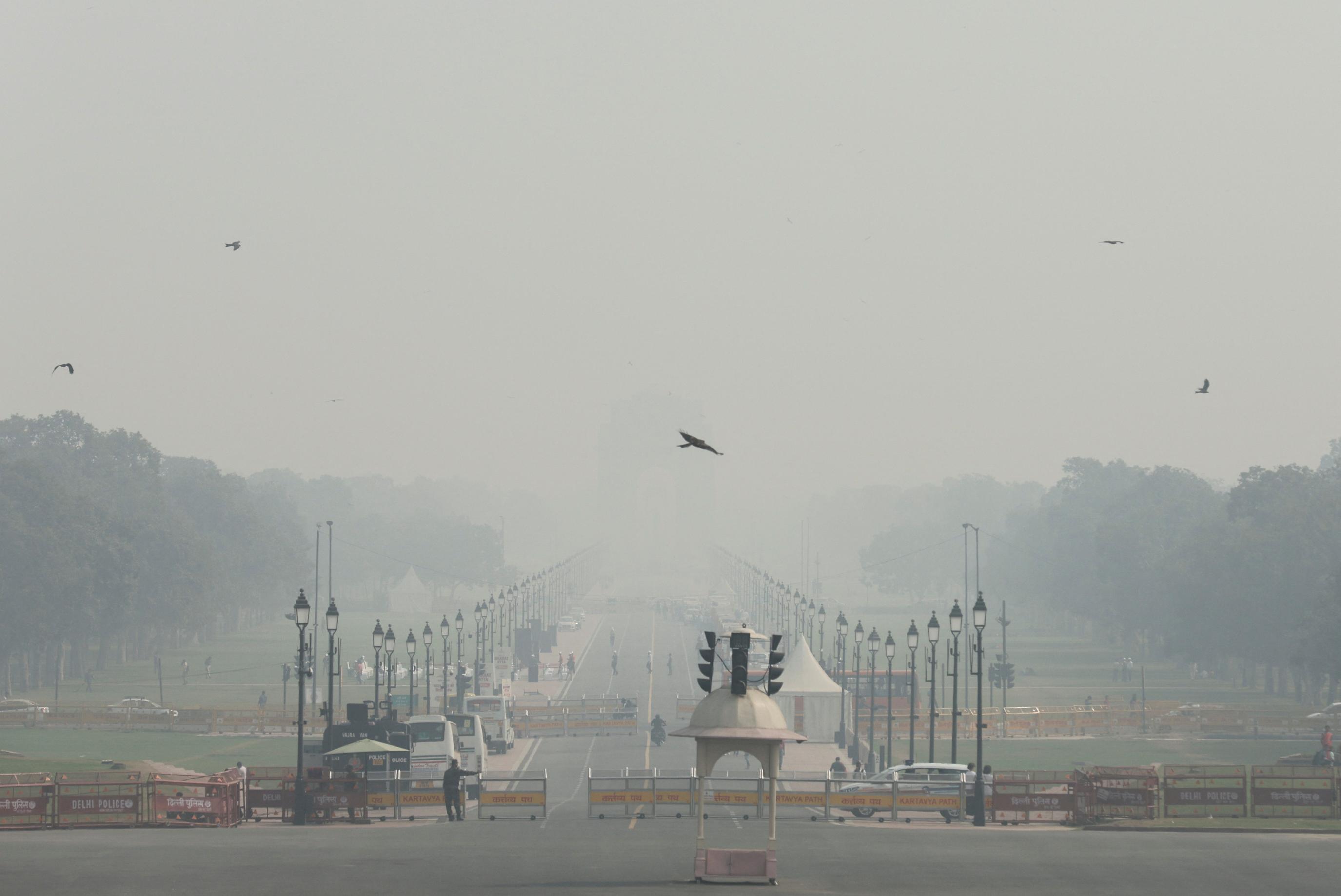
MUMBAI, Nov 9 (Reuters) - The Indian rupee traded in a narrow band and closed little-changed on Thursday as likely intervention from the Reserve Bank of India limited losses in the currency. The rupee ended at 83.28 against the U.S. dollar, compared with its close at 83.2725 in the previous session. It remained in a tight range between 83.26 and 83.29 during the day's session. The RBI likely sold U.S. dollars near 83.28 levels to prevent further losses in the local unit, three traders said. The Indian currency has failed to benefit from a fall in U.S. yields and crude oil prices as local dollar demand stayed strong. On the flip side, routine interventions from the RBI have kept a lid on depreciation. "It's only a matter of time till you see a sizeable move," a foreign exchange trader at a private bank said, referring to the rupee's quiet run over the last few weeks. The rupee has been range-bound between 83 and 83.2950 since the last week of September. Asian currencies weakened slightly, while the dollar index was little changed at 105.6. Brent crude oil futures last quoted higher at $80.35 but have declined about 8% in November so far. The sentiment has turned a bit positive for the rupee but it is unlikely to benefit sharply in the near term, said Arnob Biswas, head of foreign exchange research at SMC Global Securities. Meanwhile, rupee forward premiums fell across tenors. The one-year implied yield fell to 1.54%, its lowest since early-July, and near forwards were at the lowest in more than a decade. Concerns regarding inadequate dollar liquidity have negatively impacted both near and far forward premiums. Investors now await remarks from U.S. Federal Reserve Chair Jerome Powell due to speak later on Thursday. The U.S. will also report initial jobless claims data later in the day which will offer cues on how the country's labour market is faring. https://www.reuters.com/markets/currencies/rupee-ends-little-changed-cenbank-helps-limit-losses-2023-11-09/
2023-11-09 10:10
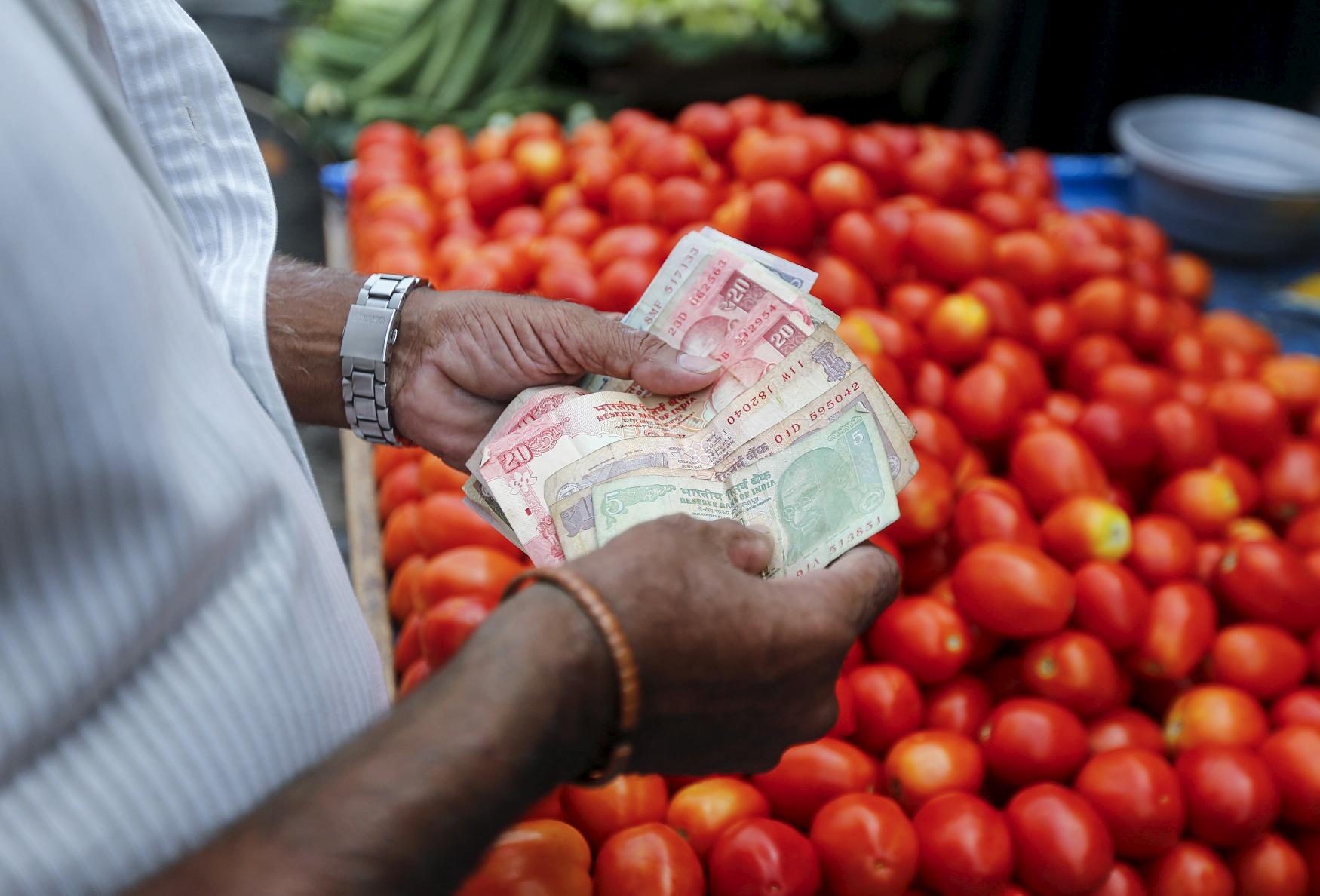
This content was produced in Russia where the law restricts coverage of Russian military operations in Ukraine MOSCOW, Nov 9 (Reuters) - Russia's depleted labour force is causing acute labour shortages and threatening economic growth, Central Bank Governor Elvira Nabiullina said on Thursday, as Moscow pumps fiscal and physical resources into the military. Russia's military production focus as it prosecutes what it calls a "special military operation" in Ukraine is pulling funds away from other sectors of the economy, while worker shortages and record low unemployment add to inflationary pressure through higher wages that has seen interest rates surge to 15%. "We now find ourselves in a situation where the economy has practically fully used the available resources, this applies both to workers and production capacities," Nabiullina told lawmakers in the State Duma. "Unemployment is 3% and in some regions it is even lower. This means there are practically no workers left in the economy, the situation with personnel is really very acute," Nabiullina said. "For further growth of the Russian economy, increased labour productivity is needed." Nabiullina also pushed back against lawmakers' requests for preferential lending for some industries, as large state companies struggle under the burden of soaring rates. "If we loosen our grip, we won't achieve anything," Nabiullina said. "Inflation will still have to be reduced but from a higher level." Inflation pressure peaked in the third quarter of this year, Nabiullina said, but annual inflation will only start decreasing next spring. The central bank's forecasts suggest that reaching the 4% target by end-2024 will be a tough ask. Nabiullina said another rate hike may be required before the bank can start reducing borrowing costs again. The next rate meeting is on Dec. 15. The rouble's weakening this year - it tumbled past 100 to the dollar in August and September - reflected an overheating of domestic demand, stronger demand for imports and limited foreign exchange supply, Nabiullina said. The currency also came under pressure from Russia's budget deficit and from geopolitical turmoil stemming from a short-lived mutiny by mercenary leader Yevgeny Prigozhin in June. Prigozhin was killed in a plane crash in August. Recovering exports and a presidential decree ordering the mandatory conversion of most FX revenues for some exporters has smoothed out volatility, said Nabiullina. The decree and higher rates have also sparked a rouble recovery to 92 to the dollar. https://www.reuters.com/markets/europe/russias-depleted-workforce-threatening-economic-growth-says-central-bank-2023-11-09/
2023-11-09 10:02
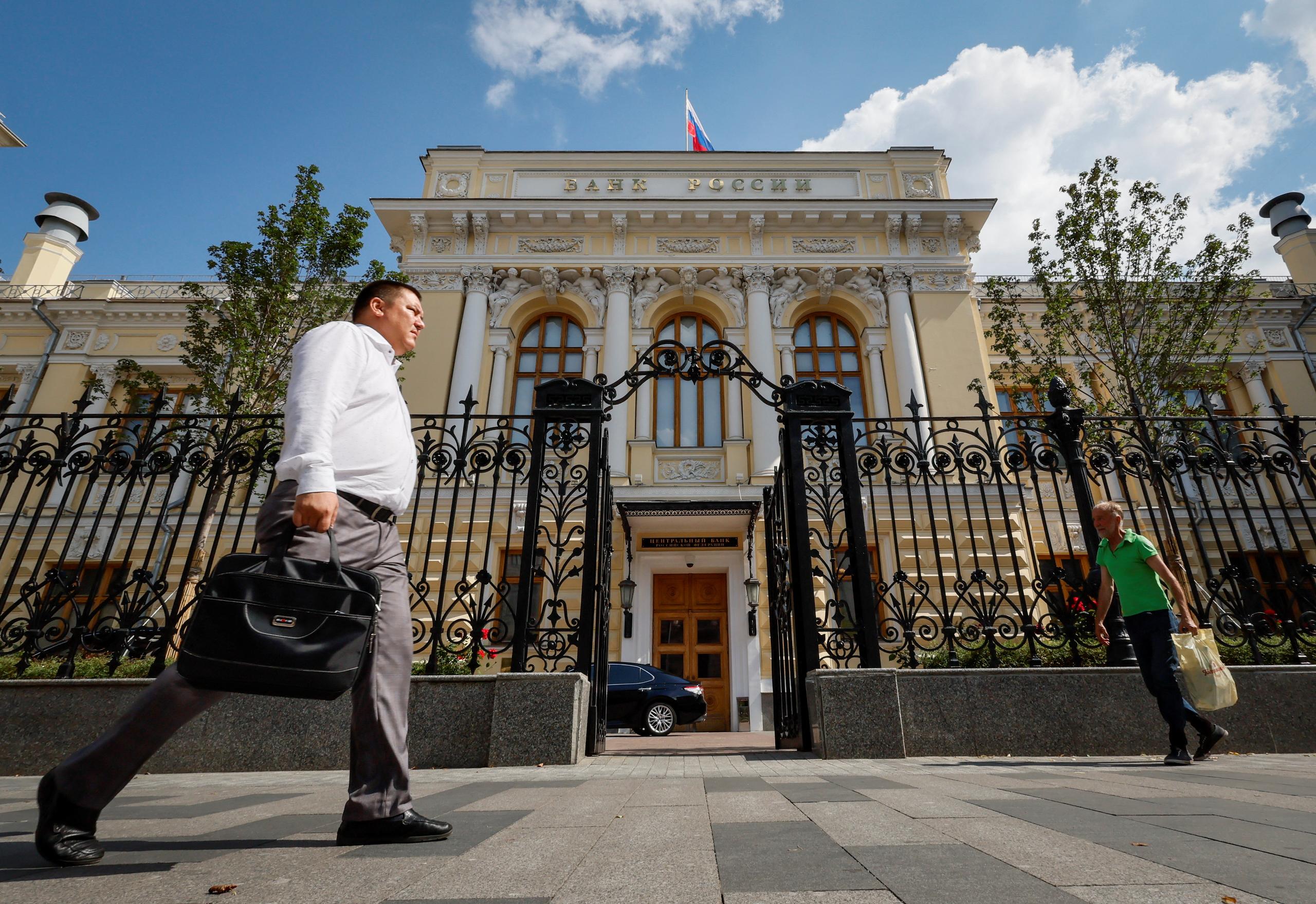
Japan making progress toward hitting price goal - Ueda Still some distance to cover before removing guidance No decision yet on what order BOJ will end YCC, minus rate Wages need to grow 'a bit more than 2%' to hit price goal TOKYO, Nov 9 (Reuters) - Bank of Japan Governor Kazuo Ueda said on Thursday the central bank will proceed carefully in exiting ultra-loose monetary policy to avoid causing huge volatility in the bond market. Ueda said Japan was making progress towards sustainably achieving the central bank's 2% inflation, with a cycle of rising wages and domestic demand-driven inflation emerging and slowly gaining momentum. But there was "still some distance to cover" before the BOJ can scrap a pledge to maintain its yield curve control (YCC) and negative interest rate policy, Ueda said. "It's quite uncertain how long this distance will be," he said in an online conference hosted by the Financial Times. "We haven't determined in what order we would terminate each of the measures we are employing at the moment." Under YCC, the BOJ sets a 0% target for the 10-year government bond yield. It also guides short-term interest rates at -0.1% as part of efforts to hit the inflation target in a sustainable fashion. A series of steps that the BOJ took to phase out YCC, and last week's sharp upgrade in inflation forecasts, have heightened market expectations that Ueda will soon dismantle the massive stimulus programme of his predecessor Haruhiko Kuroda. Ueda, however, stressed the need to tread carefully as mismanaging the process of an exit could cause huge volatility in the bond market. "We hope to be able to exit from this approach without creating such volatility," Ueda said. In normalising short-term interest rates, the BOJ will also need to be careful about the impact on financial institutions, borrowers, and aggregate demand, Ueda said. "It is going to be a serious challenge for us," he added. On prices, Ueda said Japan's underlying inflation, which strips out temporary factors, were still "a bit below 2%." There was uncertainty on whether inflation will keep rising as the BOJ expects, he said, adding wages would need to grow "a bit higher" than 2% for inflation to sustainably hit the BOJ's target. Ueda also pointed to various risks that could hamper the path towards achieving the target, such as whether the U.S. economy could achieve a soft landing and the fate of China's economy. When asked about the impact of exchange-rate moves on monetary policy, Ueda said the BOJ will analyse carefully how currency rates would affect inflation and output, and "respond" as needed. Earlier on Thursday, Ueda told parliament that companies were becoming more active than before in raising prices and wages, signalling his conviction the country was making progress towards sustainably hitting the 2% inflation target. Whether wage hikes will broaden and firms begin to lift prices will be key to judging whether the BOJ's inflation target can be met in a sustainable fashion, Ueda told parliament. https://www.reuters.com/markets/asia/bojs-ueda-sees-firms-more-actively-raising-prices-wages-2023-11-09/