2023-11-09 15:21
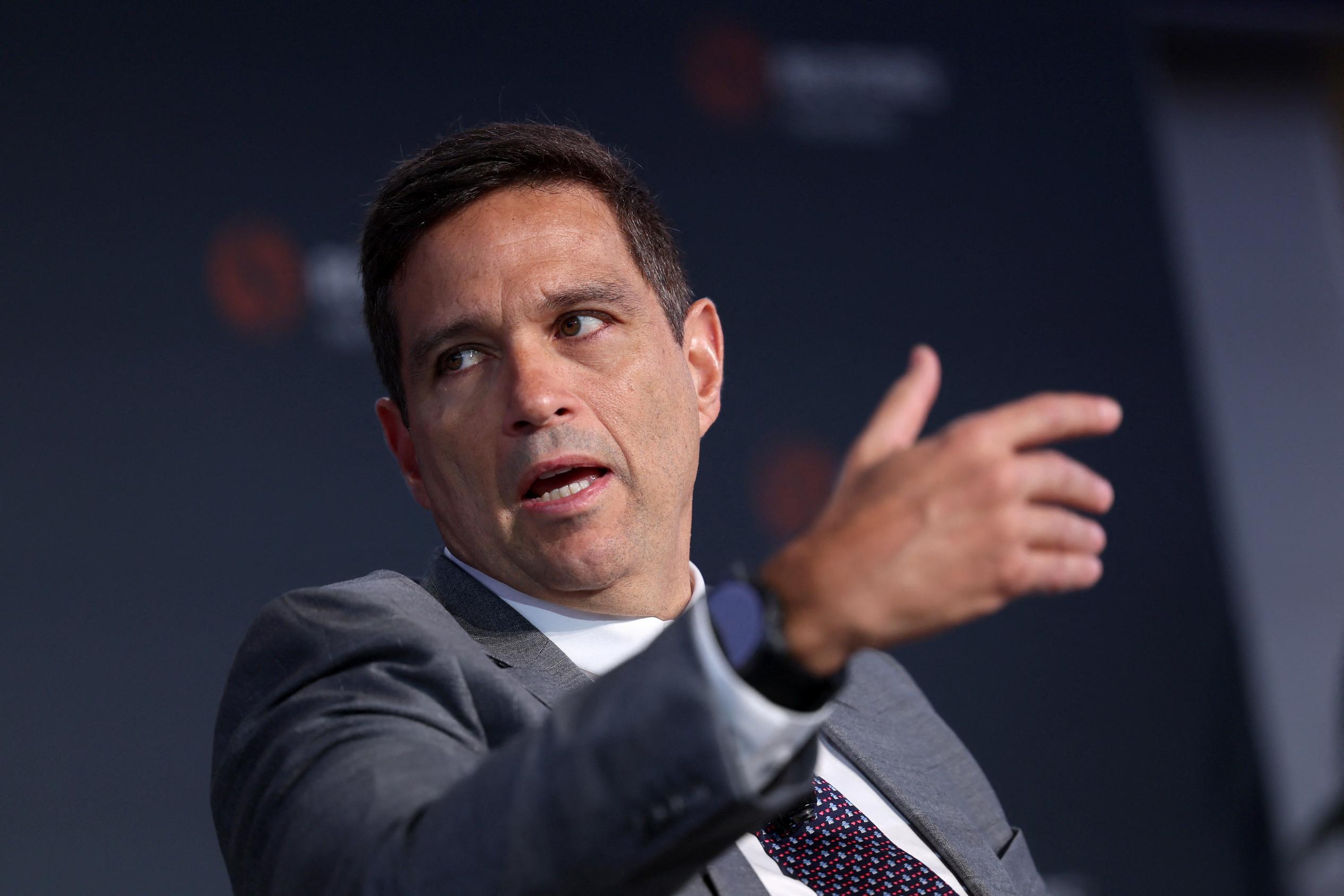
NEW YORK, Nov 9 (Reuters) - Brazil's central bank chief Roberto Campos Neto on Thursday said any change to the country's fiscal target would raise concerns, following comments by President Luiz Inacio Lula da Silva casting doubt on the government's vow to erase a budget deficit. Campos Neto told the Reuters NEXT conference in New York that "there is a lot of uncertainty on whether Brazil is going to be able to actually have a sustainable fiscal path," adding that it pushes up risk premiums and affects monetary policy. "The only reason why the central bank worries about that is not because of the fiscal (target) itself, is because that it impacts variables that are important for our decision-making process," he said, mentioning potential effects on the foreign exchange and interest rate futures markets. In late October, Lula said his government did not need to erase its primary budget deficit next year, as previously proposed to Congress under new fiscal rules – comments that jarred financial markets and shifted interest rate forecasts. Since then, Finance Minister Fernando Haddad has broadly reaffirmed Brazil's commitment to "fiscal balance," but lawmakers involved in next year's budget bill are hinting heavily that they aim to loosen the zero-deficit target. In Thursday's interview, Campos Neto highlighted that Brazil has approved important reforms since the COVID pandemic, including an overhaul on consumption taxes, which passed the Senate on Wednesday, but acknowledged the uncertainty on fiscal policy. "And that influences a lot of the variables that are important for us when you make decisions in monetary policy," he reinforced. https://www.reuters.com/markets/reuters-next-brazil-central-bank-chief-says-any-change-fiscal-target-raises-2023-11-09/
2023-11-09 13:14
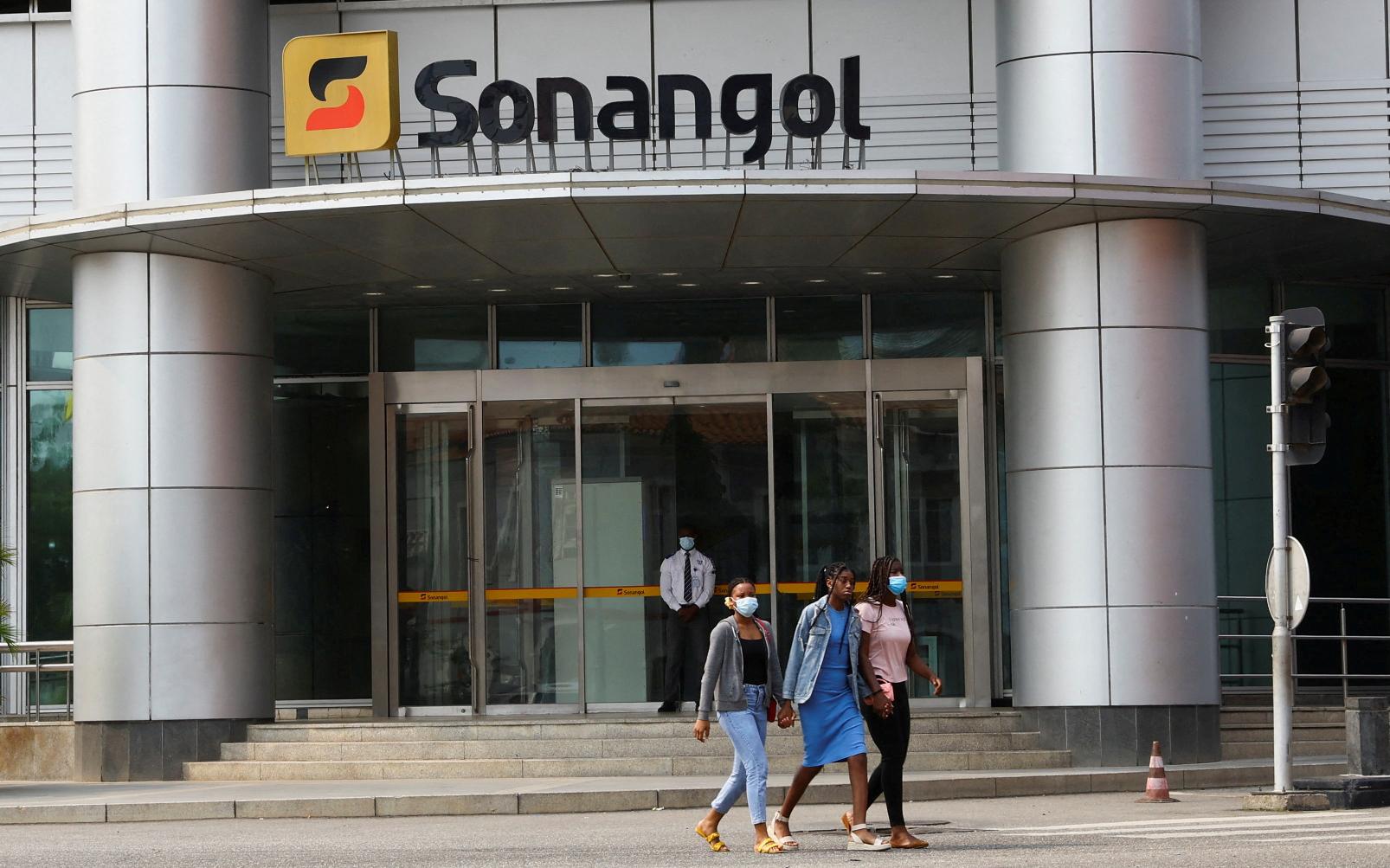
Angola fuel subsidy removal to help Sonangol finances - finmin Considering dual listing for state oil company Says central bank "avoiding intervention" in currency trading LUANDA, Nov 9 (Reuters) - Angola will push ahead with removing all fuel subsidies by the end of 2025, which should enable state oil company Sonangol to pay taxes and dividends again, the country's finance minister Vera Daves de Sousa said. Squeezed by surging debt costs and high pump prices, governments across Africa are trying to scrap the costly benefits, but the moves are proving unpopular and have sparked discontent in countries including Senegal and Nigeria. In October, Daves de Sousa told Reuters that the full removal of fuel subsidies might be slowed down beyond the end-2025 deadline, after their partial removal sparked deadly protests. "We are taking out the fuel subsidies... End of 2025, we expect to see this process stabilise and closed as much as possible," she said in a virtual interview from the capital Luanda, ahead of the Reuters NEXT conference in New York on Thursday. "We will be able to see Sonangol normally paying taxes, (improving) profits and paying dividends to the state." Sonangol imports refined petroleum products to the southern African OPEC member which it sells locally at a lower price with the government meant to reimburse the difference. It last paid a dividend in 2019, the same year the government launched an ambitious privatisation programme. The company needs to continue cutting costs as well, so that "starting in 2026 (we are) seeing a different Sonangol", Daves de Sousa added. PRIVATISATION PLANS Daves de Sousa also said the government was considering a dual listing in 2025 or 2026 in Angola and on a yet-to-be decided international bourse for the long-delayed partial privatisation of Sonangol. The plans are part of President Joao Lourenco's reform efforts to modernise the economy and attract private investment. Daves de Sousa told Reuters NEXT that other privatisation processes were ongoing. She said 23 state-owned companies were undergoing privatisation while 43 more, including lender Banco de Fomento Angola and mobile network Unitel, were waiting to start the process. Insurer ENSA will be listed locally in 2024, Daves de Sousa said, without elaborating. Its chairman said in 2021 a majority stake would be sold that year. On a Bloomberg report that the central bank was restricting foreign currency trading to stop the kwanza from weakening, Daves de Sousa said the bank was "avoiding intervention as a way of also protecting our international reserves". The kwanza has traded in a narrow range around 830 to the dollar since June, after it fell by more than a third against the U.S. dollar as a resumption of external debt payments and falling oil production, which has also crimped growth, put pressure on the currency. To view the live broadcast of the World Stage go to the Reuters NEXT news page: https://www.reuters.com/world/reuters-next/ ($1 = 833.5000 kwanzas) https://www.reuters.com/business/energy/reuters-next-angola-scrap-fuel-subsidy-by-end-2025-says-finance-minister-2023-11-09/
2023-11-09 13:12
BENGALURU, Nov 9 (Reuters) - The U.S. Federal Reserve will hold its federal funds rate steady through most of the first half of next year, according to the latest Reuters poll of economists who appear settled on the risk of the first reduction coming later than they expect. As widely predicted, the central bank left the fed funds rate in a 5.25%-5.50% range for a second consecutive meeting last week and kept the door open to another hike, although apparently with less conviction than before. "In our base case, the Fed is done hiking, inflation will remain above target and rates will remain elevated across the curve," said Andrew Hollenhorst, chief U.S. economist at Citi. "The plan now is to be 'careful' - a word used multiple times in the press conference - in further rate increases." But since then, financial conditions have loosened, with 10-year Treasury note yields falling around 40 basis points and Wall Street shares up for eight straight sessions. All but 13 of 100 economists polled Nov. 3-9 said the Federal Open Market Committee was done raising rates in the most aggressive tightening cycle in four decades that took them up 525 basis points from near zero. That compares with 26 of 111 in an October survey. While 86% of economists forecast no rate cut through the first quarter of next year, a 58% majority said rates would fall by mid-year. That was similar to 55% in last month's survey, which had slipped from more than 70% in a September poll. Respondents mostly stuck to their views around the risks on the timing of the first rate cut for the third month in a row, with more than 70%, 31 of 42, saying the bigger risk was for the first reduction to come later than they expect. All inflation measures polled by Reuters - the consumer price index (CPI), core CPI, personal consumption expenditures (PCE) and core PCE - were predicted to remain above the Fed's 2% PCE target until at least 2025. Fed officials have consistently said interest rates need to remain higher for longer to bring price pressures down. One thing that might justify an earlier rate cut is a severe economic downturn. But that is looking unlikely any time soon after the world's largest economy posted a near 5% annualized growth rate last quarter. Still, gross domestic product (GDP) growth was expected to slow to an annualized pace of 1.1% this quarter and average just 1.1% in 2024. The unemployment rate, which rose slightly to 3.9% last month and has barely increased throughout the Fed's historic policy tightening campaign, was expected to rise modestly to 4.4% by the end of next year. RBC economist Claire Fan said that even though "softer conditions are showing up more significantly" in payrolls data, there was "still momentum left in hiring activity". "But clearer signs of moderating wage growth and low inflation readings mean the Fed should not need to hike again in the current cycle, while waiting for softening economic conditions to emerge elsewhere," she wrote. (For other stories from the Reuters global economic poll:) https://www.reuters.com/markets/us/fed-done-raising-rates-risk-is-expected-q2-cut-be-delayed-2023-11-09/
2023-11-09 12:56
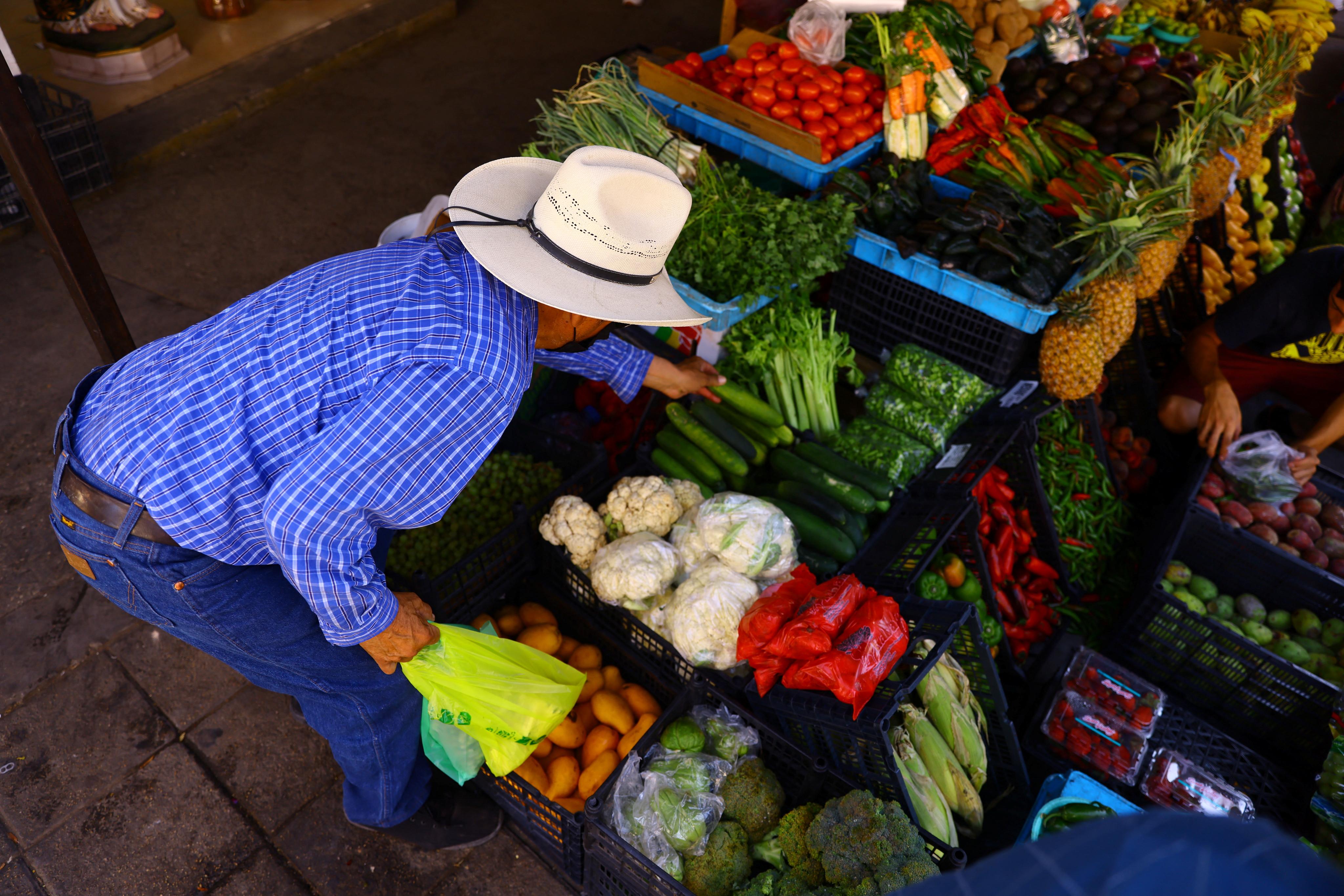
Nov 9 (Reuters) - Mexico's inflation eased for the ninth consecutive month in October, data from national statistics agency INEGI showed on Thursday, remaining at its lowest since early 2021 ahead of a key central bank interest rate decision. In Latin America's second-largest economy, 12-month headline inflation hit 4.26% last month, down from 4.45% in September and the lowest since February 2021, although still above the central bank's target of 3%, plus or minus one percentage point. That makes it unlikely for Banxico, as the Bank of Mexico is known, to deliver any interest rate cut at its meeting later in the day, as the monetary authority has been citing a still complicated and uncertain inflationary outlook. Consumer prices rose 0.38% in October, according to non-seasonally adjusted figures, mainly driven by core inflation including higher food, beverage and service costs. "The fresh rise in services inflation will alarm officials at Banxico," Capital Economics deputy chief emerging markets economist Jason Tuvey said in a note to clients. "We doubt this will prompt a restart to the tightening cycle - interest rates are likely to be left unchanged later today - but there is a growing risk of rate cuts starting later and being even more protracted than we currently anticipate." Banxico has kept its benchmark interest rate at 11.25% since March following a nearly two-year rate-rise cycle during which it added 725 basis points of hikes to combat increasing consumer prices, which reached a two-decade high last year. The annual headline inflation reading came in slightly below economist forecasts in a Reuters poll, which stood at 4.28%. The closely monitored core index, which strips out some volatile food and energy prices, rose 0.39% during the month, while annual core inflation came in at 5.5%, in line with market expectations. "This report strengthens our view that headline inflation will remain under control over the coming months," said Pantheon Macroeconomics chief Latin America economist Andres Abadia, but "admittedly services inflation is still a bit sticky. "Today's core service numbers suggest that policymakers will likely delay the start of the easing cycle to mid-first quarter, once the disinflation story is broad-based," he added. https://www.reuters.com/markets/mexico-inflation-continues-ease-october-2023-11-09/
2023-11-09 11:47
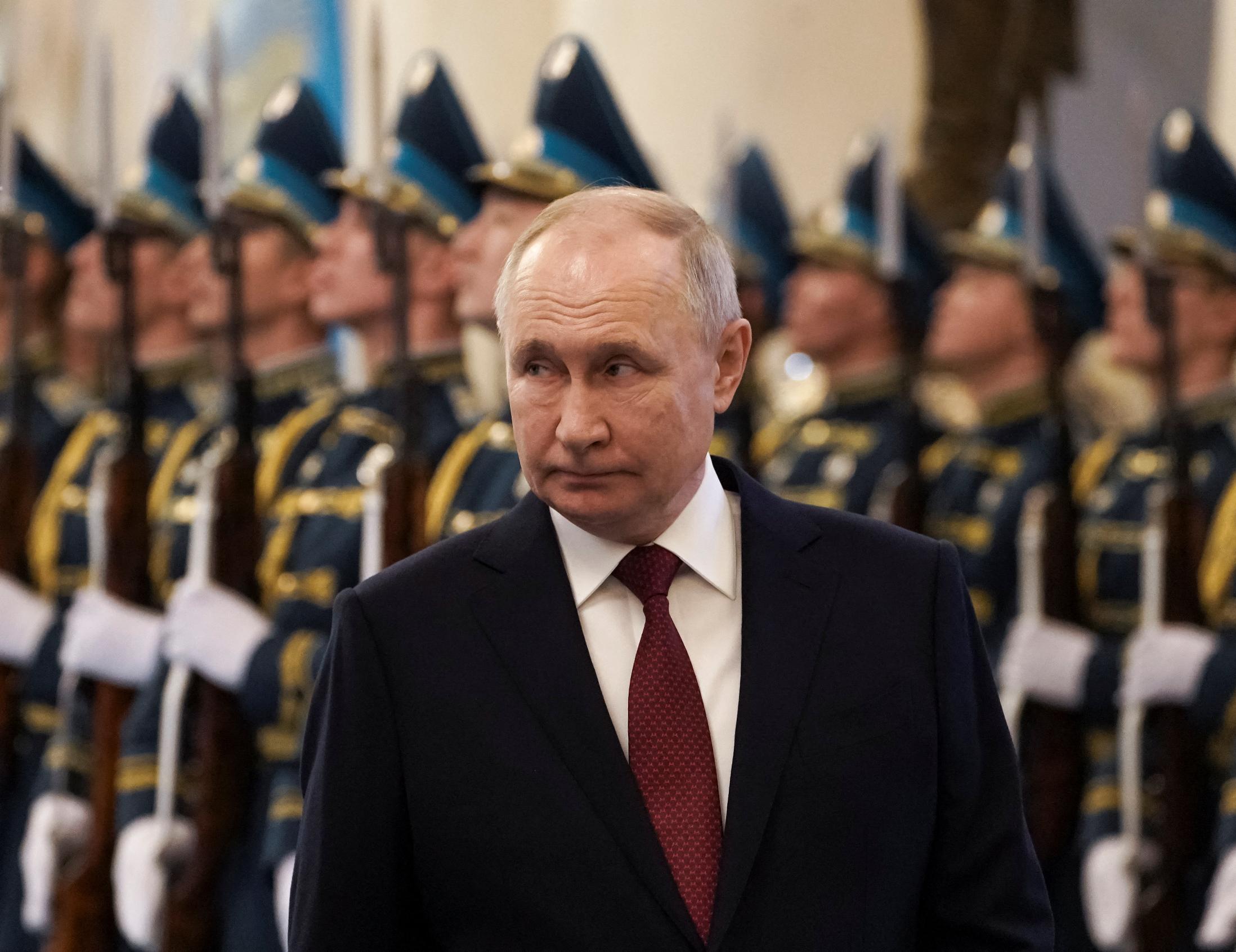
Commodities, energy top Putin's agenda on Kazakh trip Putin seeking new commodity transport routes to the east Kazakhstan wants to be logistics hub for Russian commodities ASTANA, Nov 9 (Reuters) - Russian President Vladimir Putin called for the development of wheat and fertiliser cargo transport routes in Asia during a visit to Kazakhstan on Thursday, as Moscow seeks to forge new export routes due to Western sanctions. Chairing a conference on agricultural cooperation with Kazakh President Kassym-Jomart Tokayev, Putin said Russia would have about 60 million metric tons of wheat available for exports from this year's strong crop. "We are confident, certainly, that we will retain the No.1 spot globally in terms of exports of this important commodity, wheat," Putin said. He called for further development of shipping routes to large Asian markets such as China and India. Western sanctions on Russian banks and companies have made it more difficult for Russian exporters to ship grains and arrange payments, although the sanctions do not specifically target such commodities. Moscow has also reportedly asked exporters to adopt a minimum wheat export price in order to protect farmers' income, though the functioning of the semi-official scheme is unclear. Kazakhstan, in turn, is seeking to become a logistics hub for Russian commodities bound for China and Iran, officials say. The country already operates a railroad link between Russia and China and has a railroad connection with Iran along the Caspian. Thursday's visit was Putin's third known trip abroad since the Hague-based International Criminal Court (ICC) issued an arrest warrant in March for the Russian leader on war crime charges, something the Kremlin strongly rejects. Kazakhstan, like China and Kyrgyzstan, the two other countries Putin has visited recently, is not a signatory to the ICC. The ICC, which accused Putin of illegally deporting children from Ukraine, obliges the court's 123 member states to arrest Putin and transfer him to The Hague for trial if he sets foot on their territory. NEUTRALITY Kazakhstan's Tokayev, a career diplomat, has carefully maintained neutrality in the Russia-West stand-off, and welcomed Putin just a week after hosting French President Emmanuel Macron. A United States delegation led by a senior State Department official visited Astana this week. Kazakhstan has already taken advantage of the abundance of Russian natural gas which Europe has largely stopped buying. Together with Uzbekistan, it has started buying it for domestic needs while preparing to ramp up its own gas exports to China. Some officials say it could adopt a similar strategy of "sanctions" arbitrage with wheat and other Russian exports. After Thursday's talks, Putin and Tokayev said the volume of Russian gas supplies, currently agreed at 3 billion cubic metres a year each to Kazakhstan and Uzbekistan, could increase. They also discussed Russian oil shipments to China, the potential construction of new pipelines, projects to build power plants in Kazakhstan, security cooperation and other issues, the two leaders said. https://www.reuters.com/markets/commodities/russias-putin-talks-wheat-fertiliser-logistics-kazakhstan-2023-11-09/
2023-11-09 11:45
LONDON, Nov 9 (Reuters) - The pound edged up against the euro on Thursday after Bank of England (BoE) policymakers, including Chief Economist Huw Pill, reiterated policy will need to remain restrictive for some time. "We need a persistent level of restriction over the next extended period," Pill said. Earlier this week, Pill had said market pricing pointing towards a first interest rate cut in August 2024 "doesn't seem totally unreasonable". But on Wednesday, BoE Governor Andrew Bailey reiterated that monetary policy would need to remain restrictive for an extended period. "It's really too early to be talking about cutting rates," Bailey said. Against the euro , sterling was up 0.05% to 87.12 pence, but still some way from the three-week high of 86.50 hit on Monday. The pound was last down 0.2% against a strengthening dollar at $1.2259, and off a near two-month high of $1.2428 touched on Monday. "Yesterday witnessed BoE Governor Bailey pour a degree of policy cold water on the previous assessment from Chief Economist Pill regarding market pricing for a BoE cut as early as August," said Jeremy Stretch, head of G10 FX strategy at CIBC. Sterling will likely weaken towards the levels seen in October against the euro and move back towards $1.2220 against the dollar as UK GDP data on Friday could show consumers remain reticent to spend amid a moderating labour market, Stretch added. "We remain mindful of the risks of consumer fragility," he said. Markets are currently pricing in about 10 basis points of BoE policy easing as early as May, and more rate cuts over the summer, according to LSEG data. Last week, the BoE held its benchmark rate at 5.25% and said it was not thinking about cutting it as it continued to bear down on inflation which stood at 6.7% in September, lower than a peak of 11.1% in October 2022 but still more than three times its 2% target. A survey showed on Thursday that Britain saw some of the most widespread falls in house prices since 2009 last month, but the declines were at a slightly slower pace than in the previous two months and surveyors are less downbeat about the year ahead. https://www.reuters.com/markets/currencies/sterling-edges-up-vs-euro-boe-says-policy-needs-stay-restrictive-2023-11-09/