2023-11-03 11:54
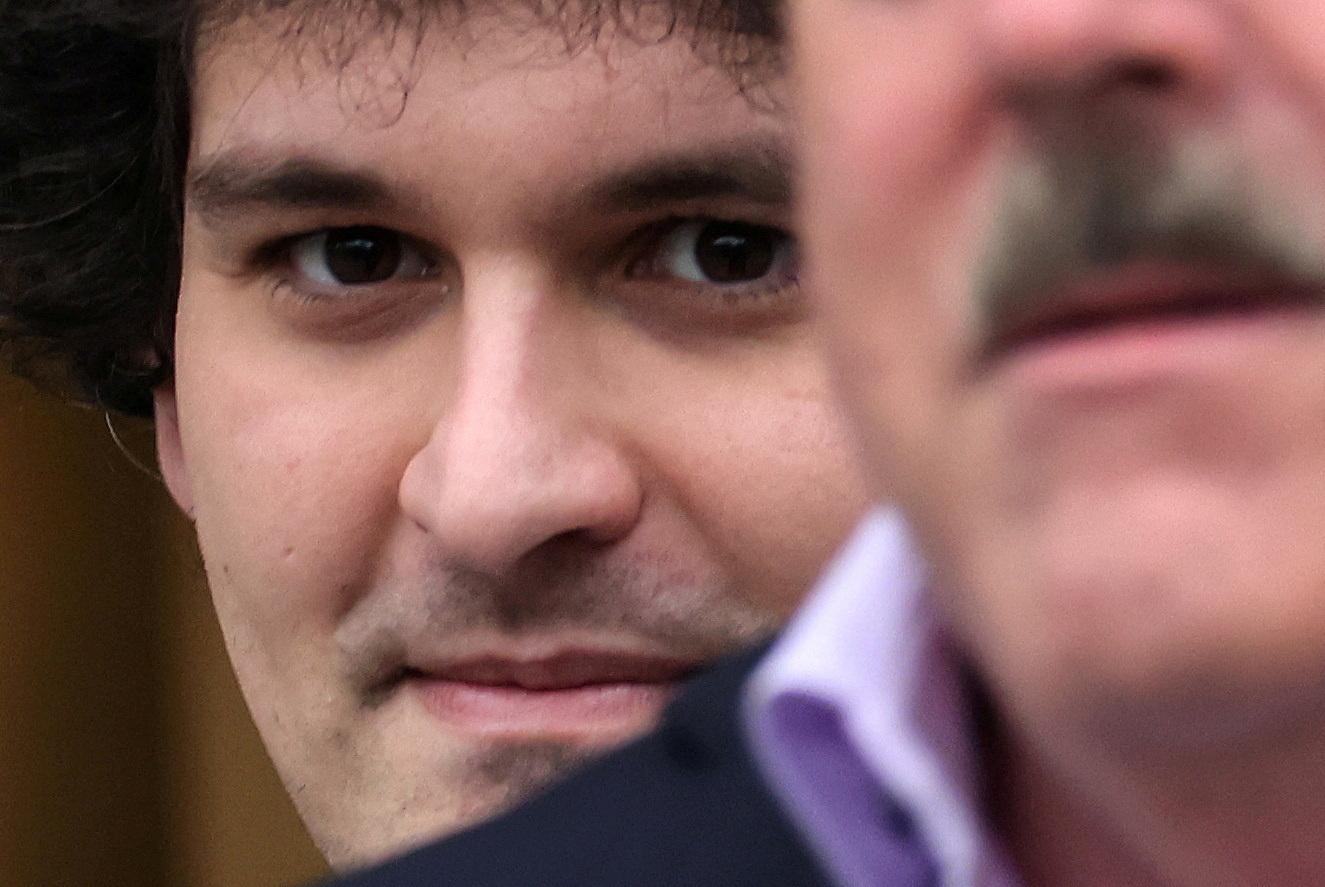
Nov 2 (Reuters) - Sam Bankman-Fried's fraud conviction on Thursday marks the culmination of a yearlong legal saga stemming from the dramatic collapse of the FTX cryptocurrency exchange he founded. Below is a timeline of key events leading to the verdict: 2017 Bankman-Fried, a Massachusetts Institute of Technology graduate, quits his job as a quantitative trader at Jane Street Capital and launches Alameda Research, a trading firm focused on cryptocurrency. MAY 2019 Bankman-Fried and former Google employee Gary Wang found FTX as a new platform to trade crypto tokens and derivatives. OCTOBER 2021 FTX raises $420 million in venture funding, valuing the company at $25 billion. Bankman-Fried debuts on the Forbes billionaires list, which estimates his net worth at $22.5 billion. The magazine's assessment of his wealth would rise to $26 billion by the end of the year. FEBRUARY 2022 The NFL Super Bowl's broadcast is heavy on cryptocurrency advertisements, signifying the height of the craze for the booming asset class. FTX's "Don't Miss Out" spot features actor Larry David, whose skepticism about the platform is portrayed as akin to an early human doubting the importance of the wheel. JUNE-JULY 2022 Bankman-Fried emerges as the cryptocurrency sector's so-called "white knight" amid a collapse in the prices of Bitcoin and other digital assets. Alameda gives crypto lender Voyager Digital a $200 million credit facility, and FTX gives lender BlockFi a $250 million loan. NOV. 2, 2022 Crypto news website CoinDesk publishes a leaked Alameda Research balance sheet showing that much of its $14.6 billion in assets is held in FTX's own token, called FTT. The token subsequently sheds around $400 million of its market cap, and rival exchange Binance says it will sell its FTT holdings. NOV. 8, 2022 After FTX sees $6 billion in customer withdrawals in three days, Binance boss Changpeng Zhao says the company has signed a nonbinding agreement to buy FTX's non-U.S. unit. Binance scraps the deal the next day. NOV. 11, 2022 FTX files for U.S. bankruptcy protection, and Bankman-Fried resigns as its chief executive officer. NOV. 16, 2022 David and other FTX celebrity promoters, including NFL quarterback Tom Brady, are sued over claims they engaged in deceptive practices. The celebrities have said the suit should be dismissed, arguing they did not cause FTX investors' losses. DEC. 12, 2022 Bankman-Fried is arrested in the Bahamas, where he lives and where FTX is based. The U.S. Attorney's office in Manhattan later confirms that a federal grand jury has indicted him for fraud and conspiracy charges. DEC. 21, 2022 Bankman-Fried leaves the Bahamas after agreeing to be extradited to the United States. While he is in the air, prosecutors reveal that Wang and Alameda chief executive Caroline Ellison have pleaded guilty and agreed to cooperate with prosecutors. DEC. 22, 2022 Bankman-Fried makes an initial appearance in Manhattan federal court and is released to home detention at his parents' home in Palo Alto, California, on $250 million bond. JAN. 3-12, 2023 Bankman-Fried pleads not guilty and U.S. District Judge Lewis Kaplan schedules his trial for October. In a post-arrest blog post, Bankman-Fried denies stealing funds and blames FTX's collapse on a broader downturn in crypto markets. FEB. 28, 2023 Nishad Singh, the former director of engineering at FTX, adds to the pressure on Bankman-Fried by becoming the third former member of his inner circle to plead guilty to fraud charges and agreeing to cooperate with prosecutors. AUG. 11, 2023 Kaplan revokes Bankman-Fried's bail after finding probable cause to believe he tampered with witnesses at least twice, including by sharing Ellison's private writings with a New York Times reporter. Bankman-Fried is remanded to Brooklyn's Metropolitan Detention Center pending trial. OCT. 3, 2023 Trial begins in Manhattan federal court. OCT. 28, 2023 Bankman-Fried testifies in his own defense, saying a "lot of people got hurt" when FTX collapsed but insisting he did not defraud anyone or steal billions of dollars from customers. NOV. 2, 2023 Bankman-Fried is convicted of all seven charges he faced. https://www.reuters.com/legal/events-leading-up-ftx-founder-sam-bankman-frieds-conviction-2023-11-02/
2023-11-03 11:52
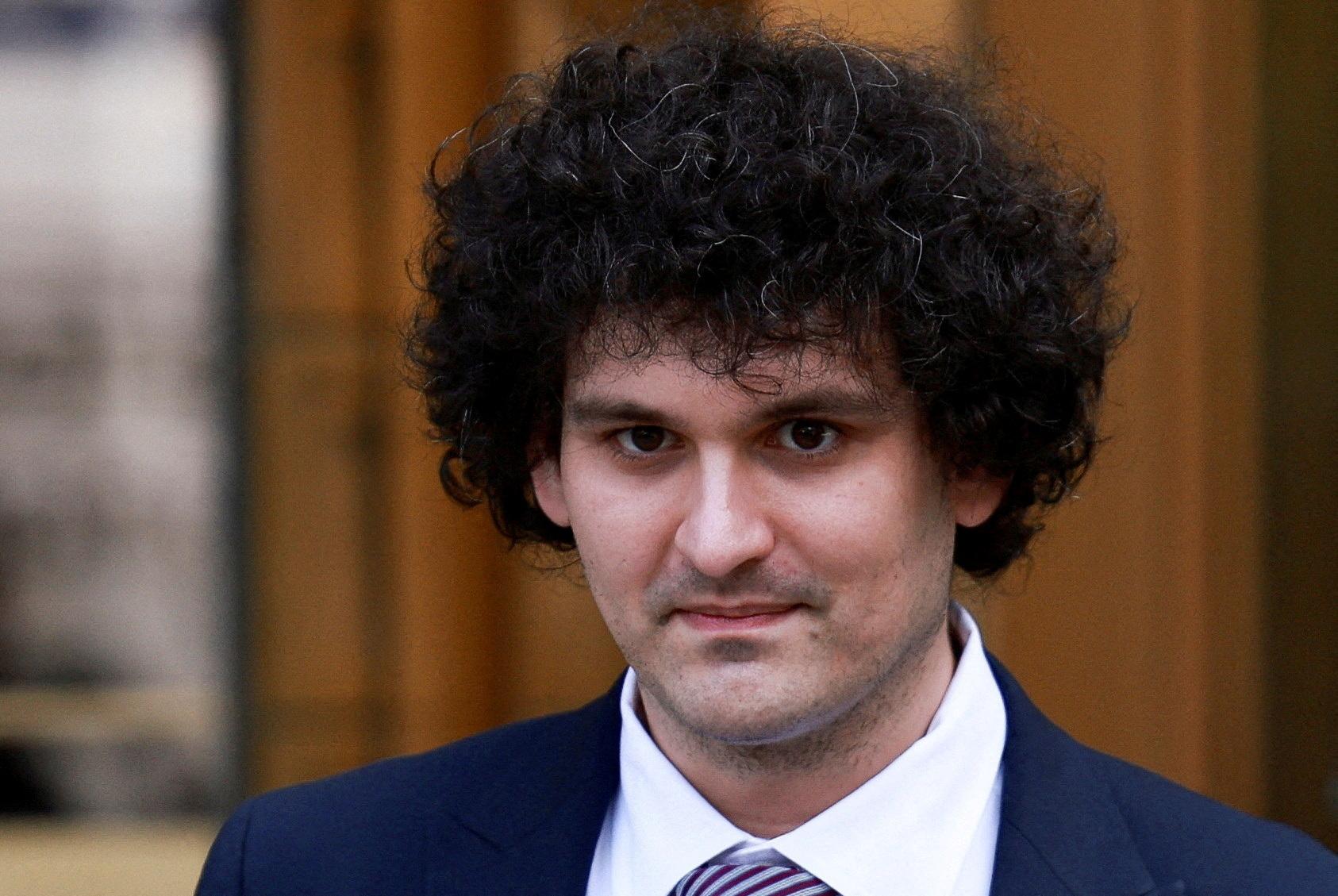
NEW YORK, Nov 2 (Reuters) - Sam Bankman-Fried was convicted on Thursday on fraud and conspiracy charges related to the collapse of FTX, the bankrupt cryptocurrency exchange he founded and led. The 31-year-old former billionaire has pleaded not guilty. Below is an explanation of the seven charges he faced, all of which he was convicted of. STEALING CUSTOMER FUNDS Prosecutors say Bankman-Fried embezzled customer money to plug losses at Alameda Research, a crypto hedge fund he owned, as well as to make investments, buy real estate in the Bahamas, and donate to U.S. political campaigns. He faced one count of wire fraud, two counts of conspiracy to commit fraud, and one count of money laundering conspiracy over the theft of the funds. LYING TO INVESTORS AND LENDERS Prosecutors accused Bankman-Fried of hiding the fact Alameda had borrowed large sums of money from FTX from the exchange's auditors and used the resulting inaccurate financial statements they produced to reassure investors about his company's risk management. Bankman-Fried was also accused of directing former Alameda chief executive officer Caroline Ellison to mislead the fund's creditors about the money it had borrowed from FTX, in order to convince them not to recall their loans. Ellison pleaded guilty and testified for the prosecution at trial. Bankman-Fried faced one wire fraud count and two conspiracy counts over the alleged misrepresentations to investors and lenders. WHAT WAS BANKMAN-FRIED'S DEFENSE? Testifying in his own defense, Bankman-Fried acknowledged making mistakes that hurt FTX customers and employees - such as not implementing a risk management team - but said he never intended to defraud anyone or steal funds. His lawyers argued Alameda was allowed to borrow funds from FTX users, and that Bankman-Fried did not know how large the trading firm's debts to the exchange were until the very end. WHAT ABOUT THE OTHER CHARGES? Bankman-Fried once faced as many as 13 charges, but five counts that were brought after he was extradited from the Bahamas - including bank fraud and foreign bribery conspiracy charges - were split off into a separate trial scheduled for March 2024. https://www.reuters.com/legal/what-charges-does-sam-bankman-fried-face-over-ftxs-collapse-2023-10-03/
2023-11-03 11:51
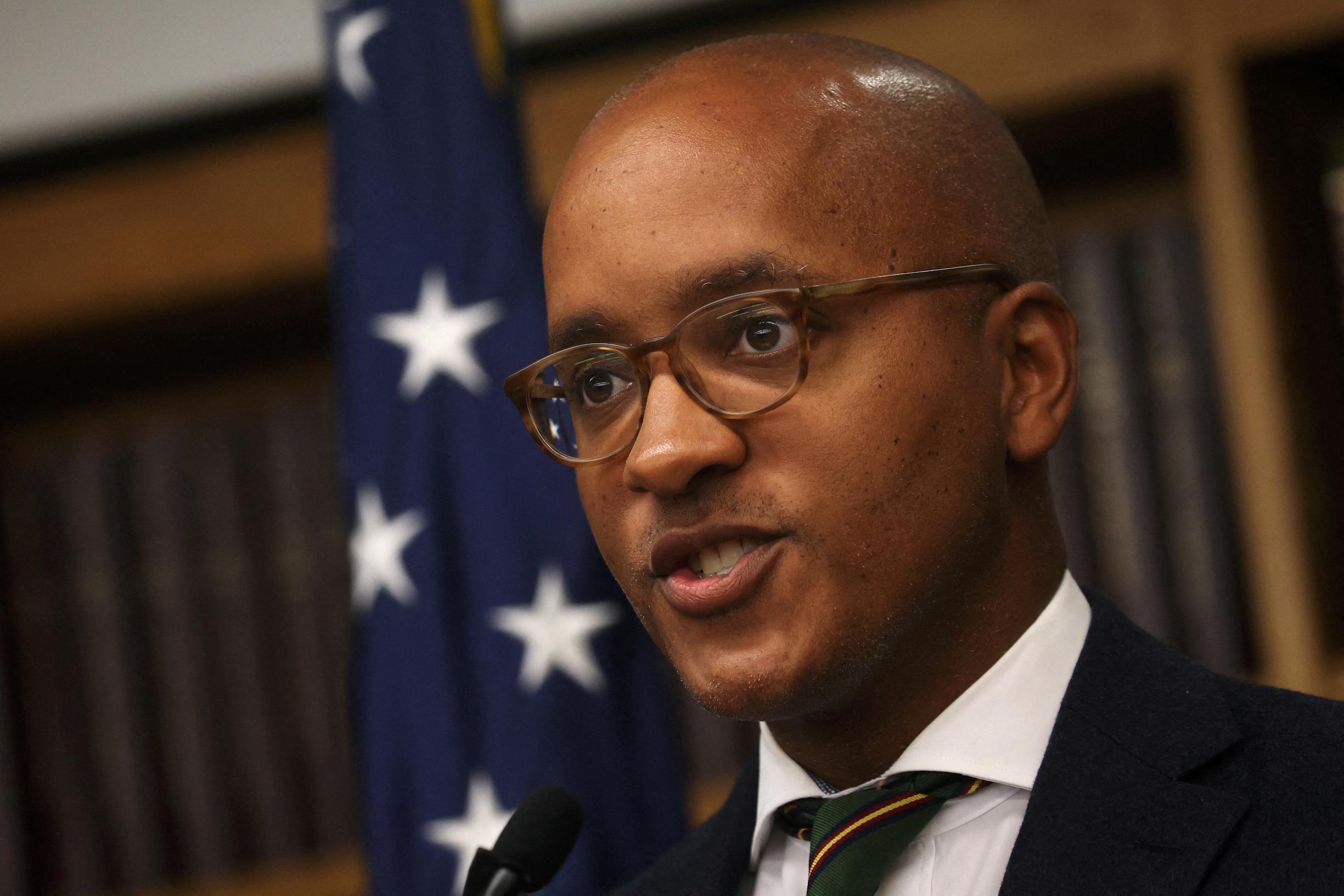
NEW YORK, Nov 2 (Reuters) - Sam Bankman-Fried's conviction on fraud charges on Thursday marks a significant victory for a broader crackdown on white collar crime led by Manhattan's top federal prosecutor, Damian Williams. Upon taking office in late 2021 as the U.S. Attorney for the District of New York, Williams said "rooting out corruption in our financial markets" would be one of his top priorities - a familiar role for an office known as the main enforcer on Wall Street. Williams said in a statement that Bankman-Fried's conviction delivered on that promise, and sends a warning to any fraudster who thinks they are untouchable to "think again, and cut it out." "And if they don't, I promise we’ll have enough handcuffs for all of them," he said. The Yale Law School graduate has brought several indictments against former executives in the rough-and-tumble cryptocurrency space, including Alex Mashinsky who founded the now-bankrupt cryptocurrency lender Celsius Network. But Bankman-Fried's is the first of Williams' blockbuster white collar cases to go to trial and by far his most high-profile case since he became Manhattan U.S. Attorney. Bankman-Fried, who ran the FTX cryptocurrency exchange until its November 2022 collapse, was convicted by a jury on Thursday on all seven counts he faced. Williams won a victory at trial this year against a former product manager at non-fungible token (NFT) marketplace OpenSea for insider trading, after earlier securing an insider trading guilty plea from a former Coinbase Global (COIN.O) employee. Prosecutors had described the cases as the first insider trading cases brought involving digital assets. "This office has brought a number of significant cases in this space," Williams said in July in announcing charges against Mashinsky. "The Southern District of New York has historically been at the forefront of enforcement in any new area." Mashinsky has pleaded not guilty. WILLIAMS KNOWN TO TAKE 'CALCULATED RISKS' Williams, SDNY's first Black U.S. Attorney, once clerked for former Supreme Court Justice John Paul Stevens, as well as current Attorney General Merrick Garland when Garland was an appellate judge. He led SDNY's securities and commodities task force before being nominated to the district's top post by President Joe Biden. In the two years since assuming the office's top job, Williams has brought multiple major fraud and public corruption cases beyond the crypto space. For example, in May 2022 the office secured a guilty plea from Allianz's U.S. asset management unit. Allianz agreed to pay more than $6 billion as part of a fraud settlement. In September, his office charged New Jersey Senator Bob Menendez with bribery. Williams made the announcement, showing reporters photos of gold bars and stacks of cash found at the senator's home. Menendez pleaded not guilty. Williams' charges against Bankman-Fried came just one month after FTX's collapse, which former prosecutors say is very fast for a complex white-collar case. Bankman-Fried's lawyers have accused prosecutors of rushing to bring the case. Williams' office ultimately split off several of the counts it brought after his extradition from the Bahamas for a separate trial, after a court in the Caribbean nation said Bankman-Fried could object to the charges. Joshua Naftalis, who worked alongside Williams on fraud cases at SDNY, said the speed with which the charges were filed sent a "quick, emphatic message" to crypto markets. "He's not afraid to take a calculated risk if it's for the good of the case," said Naftalis, now a partner at law firm Pallas. WILLIAMS HAS STRUGGLED WITH SELF-DOUBT Bankman-Fried's conviction comes after some setbacks and amid ongoing challenges for Williams' office. Last December, a judge dismissed the main criminal counts in a corruption case against former New York Lieutenant Governor Brian Benjamin for failing to allege a specific "quid pro quo." Williams in April called an indictment targeting fentanyl trafficking "the most significant of my tenure," citing the urgent public health crisis spurred by the synthetic opioid. But the crisis has continued. In September, Williams announced charges against four people allegedly distributing fentanyl out of a Bronx daycare center, after a one-year-old boy died due to possible exposure. In a graduation speech at Columbia Law School in May, Williams described still being occasionally beset by self-doubt, which he said arose from struggling in school as a child in Georgia. But he said his doubt "now sits side by side with my confidence" and helps him check himself and stay humble. "Yes, you may doubt yourself from time to time - that's OK. Other people may doubt you more - that's OK too, let them," Williams said. "As a wise man once said, haters gonna hate." https://www.reuters.com/legal/bankman-fried-trial-poses-biggest-test-date-cryptos-top-cop-2023-09-29/
2023-11-03 11:39
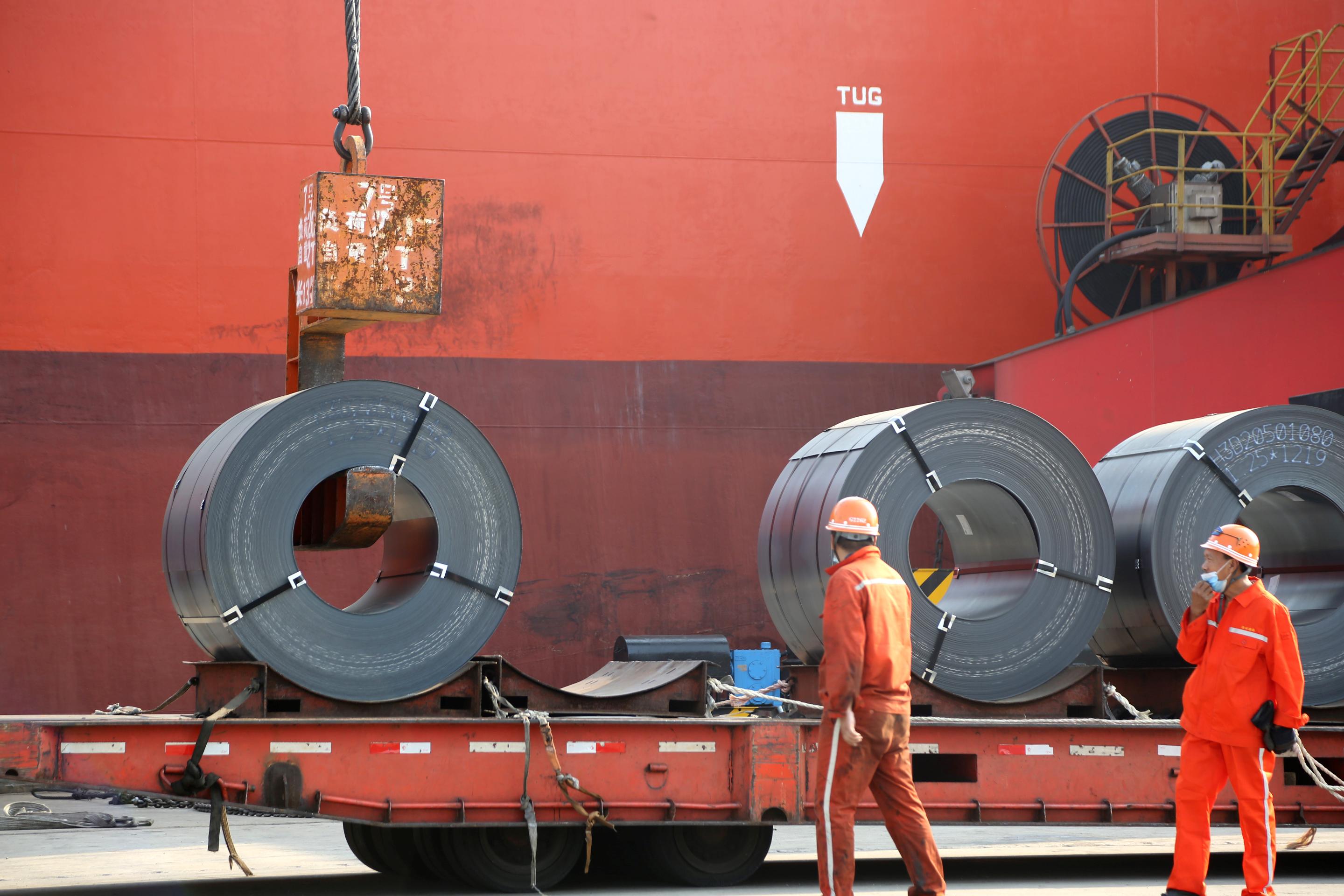
BEIJING, Nov 3 (Reuters) - The Carbon Border Adjustment Mechanism (CBAM) proposed by the European Union creates a new trade barrier for Chinese exports, China's state-backed steel association said on Friday, calling for more talks with the bloc to address climate issues. The EU approved in April the world's first plan to impose a levy on high-carbon goods imports from 2026, targeting imports of steel, cement, aluminium, fertilisers, electricity, and hydrogen. The levy would pose a big threat to steel producers in China, the world's top exporter of steel, as long as their production remains more carbon-intensive than in the EU. The new regime entered a trial stage in October, requiring importers of goods into the EU only to report carbon emissions embedded in those products. A fee will be required from 2026 when it is fully in force. The carbon border levy aims to put EU industries and foreign competitors on a level footing, to prevent EU producers relocating to regions with less stringent environmental rules. However, it will also raise costs of steel products shipped to the EU, weakening China's price competitiveness. "The EU's unilateral establishment of CBAM is in essence a new trade barrier created under the auspice of low carbon," the China Iron and Steel Association (CISA) said. CISA's comments came in response to a query from Reuters sent in September, ahead of the start of the initial phase of the CBAM. CBAM does not take into account varying stages of development in different countries and goes against the principle of "common but differentiated responsibilities", the association said. "Once other countries take reciprocal and similar trade protection measures to safeguard their interests, it will result in higher trading costs and mounting risks of trade friction," CISA said. "We hope the EU could carefully consider cost and operational challenges posed to its downstream steel consumers due to the change in import structure and engage in more communication with all relevant parties to address climate challenges together," it added. The scheme will likely increase China's export costs of steel products by between 4% and 6%, Jiang Wei, the association's vice chairman, told reporters at a quarterly briefing in late October. Consultancy Wood Mackenzie said in September that CBAM is likely to significantly raise the costs of steel imports from India and China. India is weighing local tax options to avoid the EU carbon levy after unveiling in May its plan to file a complaint to the World Trade Organization over the EU's carbon tax on imports. https://www.reuters.com/markets/commodities/china-steel-association-says-eu-carbon-tax-new-trade-barrier-calls-more-talks-2023-11-03/
2023-11-03 11:30
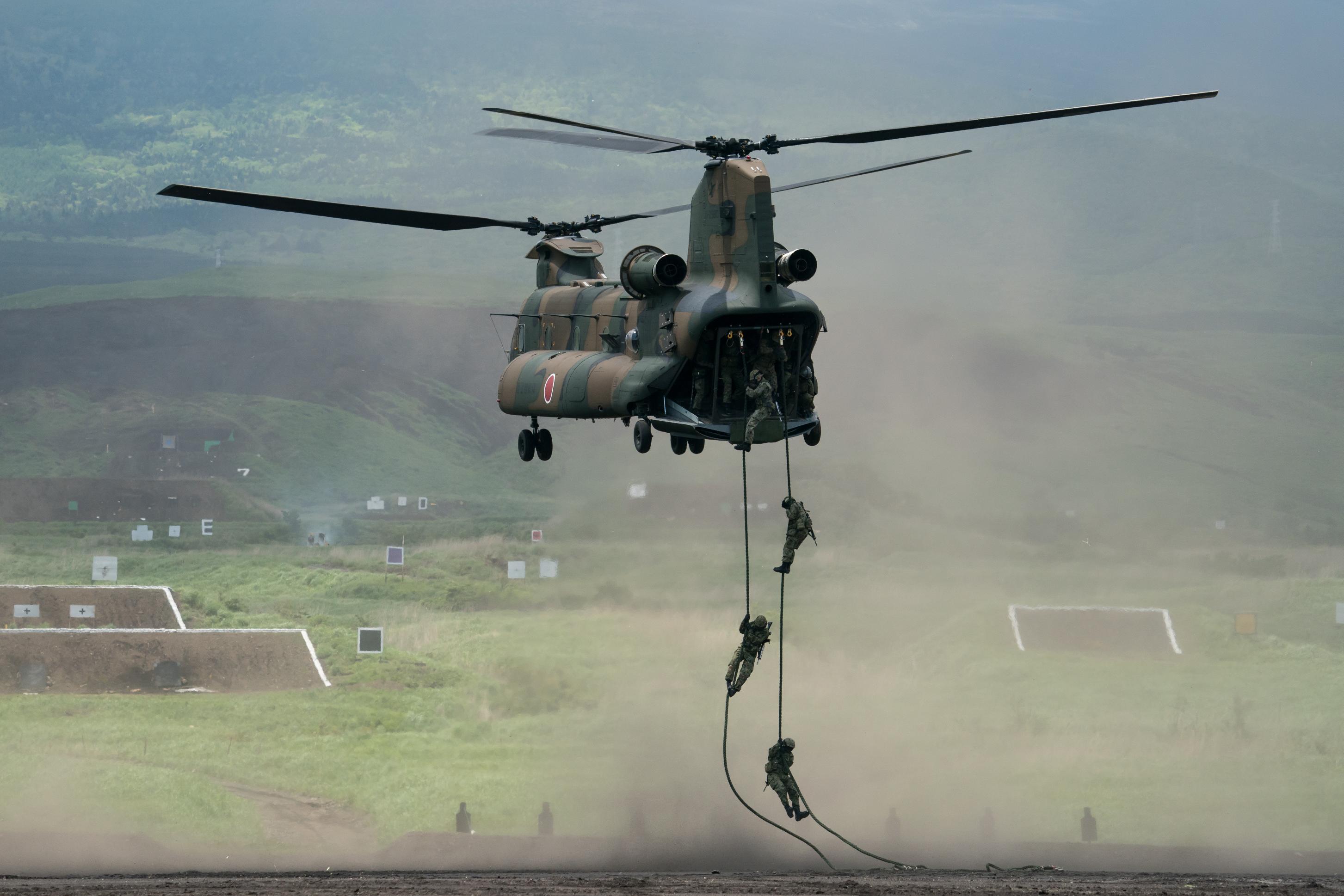
TOKYO, Nov 3 (Reuters) - A collapse in the yen is forcing Japan to scale back a historic five-year, 43.5-trillion-yen defence build-up aimed at helping to deter a Chinese invasion of Taiwan, according to eight people familiar with the matter. Since the plan was unveiled in December, the yen has lost 10% of its value against the dollar, forcing Tokyo to reduce its ambitious defence procurement plan, which was then-calculated to cost $320 billion, the sources said. Reuters interviewed three government officials with direct knowledge of defence procurement and five industry sources, who said Japan will begin cutting back on aircraft purchases in 2024, the second year of the build-up, due to the weak yen. Details of how Japan is paring back military procurement due to currency fluctuations have not been previously reported. The eight people, who attended numerous meetings on the purchases, spoke on condition of anonymity because they were not authorised to talk to media. Tokyo assumed an exchange rate of 108 yen to the dollar - a rate last traded at in summer 2021 - when it began formulating purchase plans in December, the eight people said. By early November, the currency dipped to 151 to the dollar. The Bank of Japan on Tuesday took a small step toward ending the decade-long monetary stimulus, which has driven yen depreciation, by tweaking bond yield controls. Unlike large companies that do business overseas, Japan's defence ministry does not hedge against currency rate fluctuations, one of the government officials said, meaning it has few means to mitigate the rising cost in yen of Tomahawk cruise missiles and F-35 stealth fighters. Any sign that Prime Minister Fumio Kishida will get less bang than anticipated from his military spending binge could stir unease in Washington about its key ally's ability to help contain Beijing, said Christopher Johnstone, Japan chair at the Center for Strategic and International Studies think tank. "For now, the impact is modest. But there is no question that a long-term depreciation of the yen would sap the impact of Japan's build-up, and force cuts and delays to key acquisitions," said Johnstone, a former National Security Council director for East Asia in the Biden administration. Japan's Ministry of Defence said it does not discuss details of procurement planning when contacted for comment. The U.S. Embassy in Tokyo said it was unable to comment. The Pentagon did not immediately return a request for comment. BUILD-UP Kishida described Japan's biggest defence build-up since World War Two as a "turning point in history." The spending is meant gird the nation for possible conflict around its far-flung islands stretching along the edge of the East China Sea toward Taiwan, according to defence white papers. Tokyo also shares responsibility for protecting U.S. bases on its soil that Washington could use to launch counter strikes against Chinese forces attacking the self-governing democratic island. In December, Kishida pledged to double annual defence outlays to 2% of gross domestic product. A move to transform the war-renouncing nation into potentially the world's third-biggest military spender was seen by analysts and lawmakers as improbable until two years ago. That changed when Russian forces rolled into Ukraine in February 2022, in an invasion that Tokyo worries will embolden Beijing to strike Taiwan. China stoked Japanese fears again that August by firing missiles into waters close to its territory in response to then-U.S. house speaker Nancy Pelosi's visit to Taiwan. That came after months of intensifying Chinese activity in East Asia, including joint sorties with Russian forces. China, which has not ruled out using military force to bring Taiwan under its control, has expressed concern about Japan's military spending plans, accusing it of displaying a "Cold War mentality." CHINOOKS AND SEAPLANES With the cuts in its spending power, Japan decided to prioritize spending on advanced U.S.-made frontline weapons such as missiles that could halt advancing Chinese forces, the eight people said. That means less money on support aircraft and other secondary kit, much of it made by Japanese companies, they said. In December, defence ministry officials discussed an order for 34 twin-rotor Chinook transport helicopters at roughly 15 billion yen per aircraft, two of the sources said. In the defence budget request for the year starting April 2024, which was published in August, that order was halved to 17 because the cost of the aircraft had jumped by around 5 billion yen each since December. About half that increase was due to the weak yen, said one of the government sources, who was directly involved in those discussions. The aircraft are assembled by Kawasaki Heavy Industries (7012.T) under license from Boeing Co (BA.N). A Kawasaki spokesperson confirmed that the unit cost increase had resulted in a reduction in the Chinook order. Japan also scrapped a plan to buy two ShinMaywa Industries (7224.T) US-2 seaplanes used for search and rescue missions after the price per aircraft almost doubled to 30 billion yen compared with three years ago, said two other people familiar with the spending plans. "The price has risen considerably, and that is because the weaker yen and inflation have significantly pushed up costs," a company spokesperson said. She declined to comment on whether the defence ministry had dropped an order for the seaplane. INDUSTRY BACKLASH For Kishida, who must grapple with rival ruling-party factions that are sparring over whether to borrow money or hike taxes to pay for his defence build-up, pruning equipment purchases may be politically less fraught than asking lawmakers for top-ups, analysts said. "Whether Kishida decides to increase the budget or do nothing will depend on his support rate in Japan," said Yoji Koda, a retired Maritime Self Defense Force admiral, who commanded the Japanese fleet. He expects the Japanese leader to opt for procurement cuts or delays because it's easier than convincing taxpayers to fork out more money. But, by sidestepping that challenge, Kishida is also inviting a backlash from Japanese companies that worry they will bear the brunt of cuts to ensure Tokyo can afford Raytheon (RTX.N) Tomahawks and the F-35 jets it has ordered from Lockheed Martin (LMT.N). In a sign of growing discontent, the Japan Business Federation, the country's most influential corporate lobby, joined several defence industry associations in October to press the defence ministry for extra military procurement funds in a supplementary budget now before parliament, one of the sources said. A ministry spokesperson confirmed the companies delivered a letter on Oct 25 to Defence Minister Minoru Kihara urging the government to proceed with the defence procurement as planned. The business lobby declined to comment. Defence firms will struggle to get more money because the government will want to hold off on adding to the 43 trillion-yen plan to see if the currency situation changes, said Kevin Maher at NMV Consulting in Washington, who headed the U.S. State Department's Office of Japan Affairs. "If they think it will impact capabilities then it is possible, but I think at the earliest that would be in the next to last year of the five-year plan," he said. ($1 = 150.4000 yen) https://www.reuters.com/markets/currencies/weak-yen-forces-japan-shrink-historic-military-spending-plan-2023-11-03/
2023-11-03 11:21
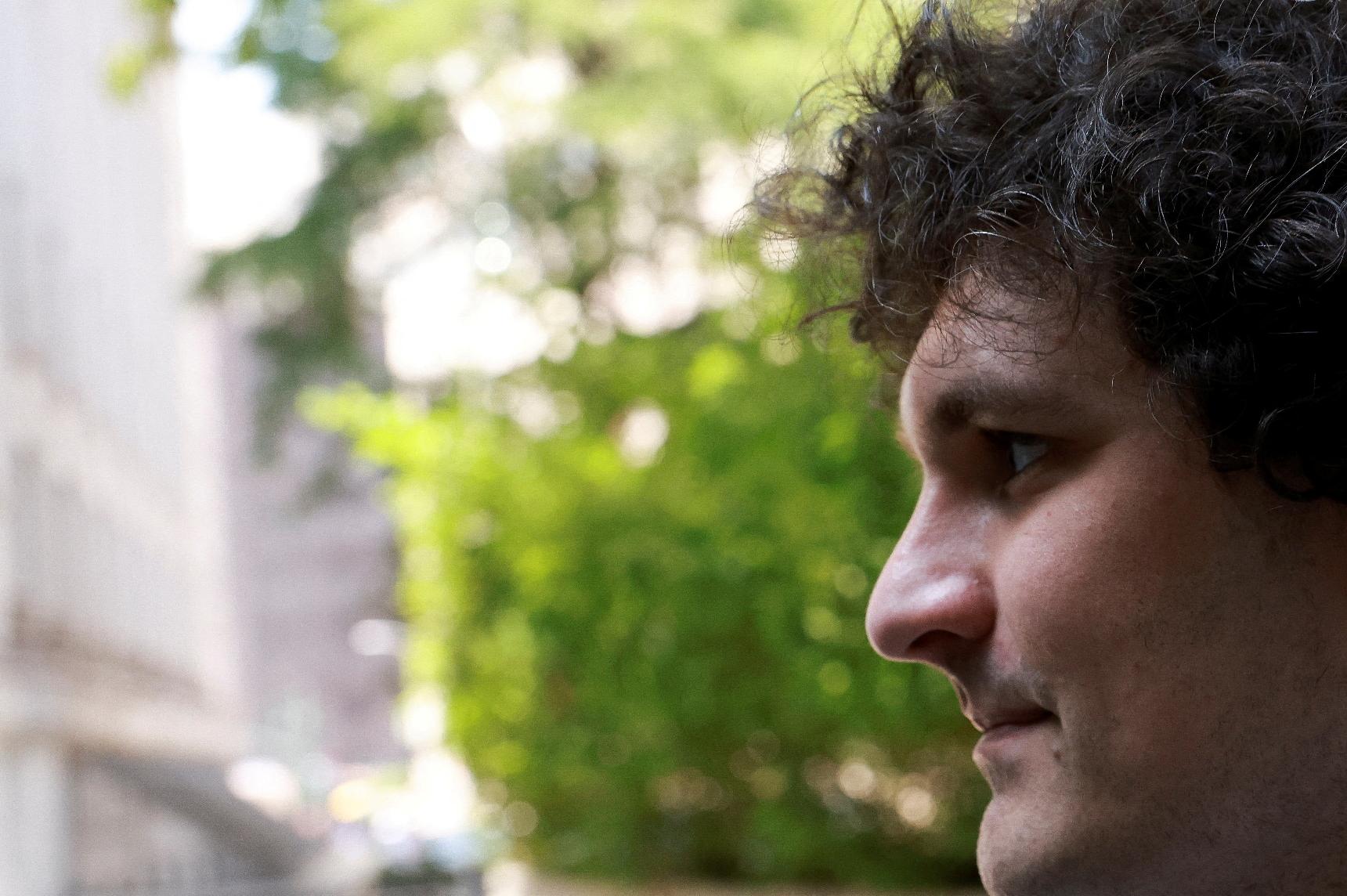
NEW YORK, Nov 2 (Reuters) - A few years after graduating from college, Sam Bankman-Fried grew worried he was not taking enough risks. So the son of two Stanford Law School professors quit his Wall Street job and in 2017 started a cryptocurrency hedge fund, setting off a sequence of events that culminated on Thursday in his criminal conviction over what federal prosecutors have called one of the biggest financial frauds in U.S. history. Two years after launching a hedge fund, Alameda Research, Bankman-Fried founded FTX, an exchange that let users buy and sell digital assets such as bitcoin. Cryptocurrency valuations surged over the following two years, propelling Bankman-Fried to a net worth of $26 billion, according to Forbes magazine, before he turned 30. He parlayed his wealth into political clout, becoming one of the biggest donors to Democratic candidates and causes ahead of the 2022 U.S. midterm elections. Based in the Bahamas, Bankman-Fried became known for his mop of unkempt curly hair and for wearing rumpled shorts, even when entertaining dignitaries like Bill Clinton. In a cryptocurrency sector plagued by hacks and money laundering, Bankman-Fried hired celebrities including NFL quarterback Tom Brady and comedian Larry David to feature in advertisements portraying FTX as safe. He publicly backed efforts to regulate crypto. But prosecutors say his laid-back demeanor combined with his cultivation of a responsible image concealed his years-long embezzlement of customer funds. They contend the theft came to a head in 2022, when crypto prices swooned and he used FTX funds to plug losses at Alameda. His trial began on Oct. 4 in Manhattan federal court. Three former members of his inner circle, who have pleaded guilty and agreed to cooperate with prosecutors, testified against him and painted an unflattering portrait of his character, detailing instances in which he snapped angrily at colleagues and suggested his quirky persona was mostly an act. "He said he thought his hair had been very valuable," said Caroline Ellison, Alameda's former chief executive and Bankman-Fried's on-and-off girlfriend. She said that ever since he started his career on Wall Street, "he had gotten higher bonuses because of his hair and that it was an important part of FTX's narrative and image." Ellison and the other two cooperating witnesses, former FTX executives Gary Wang and Nishad Singh, have not yet been sentenced. Prosecutors may urge U.S. District Judge Lewis Kaplan to take their cooperation into account in determining their punishment. Testifying in his own defense, Bankman-Fried, a Massachusetts Institute of Technology graduate, said he wore shorts and T-shirts because they were "comfortable" and that he did not often get haircuts because he was "busy and lazy." Bankman-Fried has pleaded not guilty to seven counts of fraud and conspiracy. He has acknowledged inadequate risk management, but denied stealing funds. Bankman-Fried, now 31, testified that he made mistakes, such as not implementing a risk management team, that harmed FTX customers and employees. But he said he never intended to defraud anyone or steal customer money. "We thought that we might be able to build the best product on the market," Bankman-Fried said during his six hours of testimony in Manhattan federal court. "It turned out basically the opposite of that." BANKMAN-FRIED SOUGHT TO AVOID 'COMFORTABLE' PATH Bankman-Fried had little crypto experience before founding Alameda, which initially made money by exploiting differences in prices in digital tokens between the United States and Asia. A physics major at MIT, he told an FTX podcast that he did not apply himself in classes and did not know what to do with his life for most of college. But he grew interested during those years in a movement known as effective altruism, which encourages talented young people looking to make a mark on the world to focus on earning money and giving it away to worthy causes. That led him to take a job as a quantitative trader at Jane Street, but he began to doubt whether he was earning all he could. "If I really think that I should be trying to maximize expected values, that probably implies substantially riskier strategies than what seems intuitively right," he said in the June 4, 2020, podcast. "I should be careful not to fall prey to trying to choose a comfortable path." He brought on Gary Wang, an old friend from math camp, and later Ellison, a fellow effective altruist from Jane Street. Both would join him in the Bahamas, where they shared a $30 million penthouse with other Alameda and FTX executives, including Nishad Singh. Bankman-Fried was jailed in mid-August, after U.S. District Judge Lewis Kaplan revoked his bail for likely trying to tamper with witnesses at least twice - including by sharing Ellison's private writings with a New York Times reporter. "There will probably never be anything I can do to make my lifetime impact net positive," Bankman-Fried said in his own private writings following his arrest, which he shared with a social media influencer who gave them to the Times. "And the truth is that I did what I thought was right." https://www.reuters.com/technology/who-is-sam-bankman-fried-onetime-crypto-mogul-convicted-fraud-2023-11-03/