2023-11-03 04:09
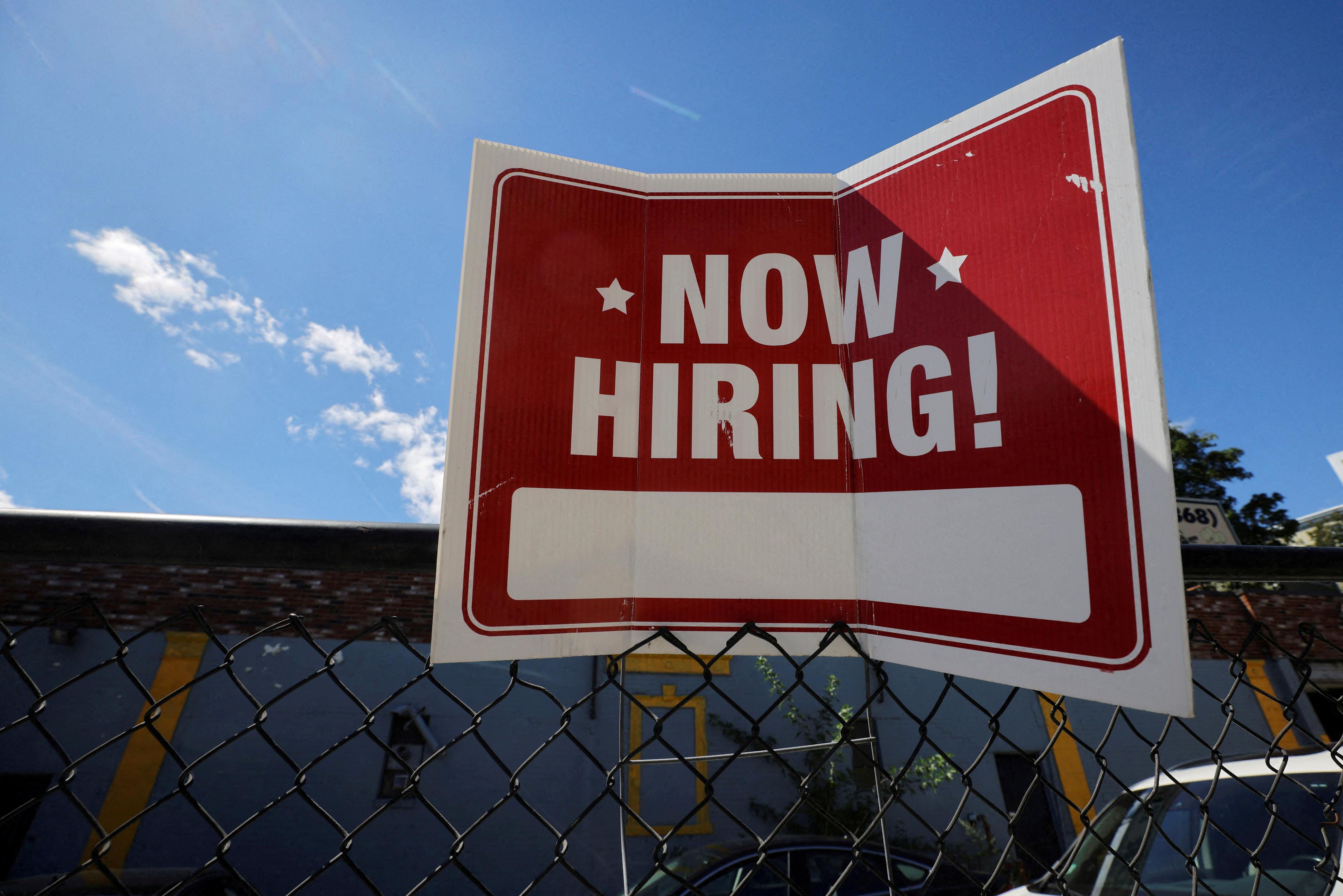
Nonfarm payrolls forecast increasing 180,000 in October UAW strikes seen weighing on manufacturing payrolls Unemployment rate expected to remain unchanged at 3.8% Average hourly seen rising 0.3%; up 4.0% year-on-year WASHINGTON, Nov 3 (Reuters) - U.S. job growth likely slowed in October partly due to strikes by the United Auto Workers (UAW) union against Detroit's "Big Three" car makers, which depressed manufacturing payrolls. The anticipated moderation in employment growth last month would also be pay back after September's enormous gains, the largest in eight months. The Labor Department's closely watched employment report on Friday is expected to show labor market conditions steadily easing, with annual wage growth the smallest in nearly 2-1/2 years and significant growth in the supply of workers. The report could bolster the view that the Federal Reserve need not raise interest rates further. The U.S. central bank held rates unchanged on Wednesday but left the door open to a further increase, a nod to the economy's resilience. "The hiring figures will ultimately be somewhat depressed by strike activity, though the labor market is still likely to remain quite tight," said Sam Bullard, a senior economist at Wells Fargo in Charlotte, North Carolina. The Labor Department's Bureau of Labor Statistics (BLS) is likely to report that nonfarm payrolls increased by 180,000 jobs last month after surging 336,000 in September, according to a Reuters survey of economists. Manufacturing payrolls are forecast falling 10,000 after advancing 17,000 in September. Last week, the BLS reported at least 30,000 UAW members were on strike during the period it surveyed businesses for October's employment report. The strikes have since ended, which could provide a lift to November's payrolls. Government employment, a big driver of payroll gains in September as state and local governments recruited for the new school year, likely moderated last month. Technical factors, related to the model used to strip out seasonal fluctuations from data, could affect the payrolls count. "There is a large downward seasonal adjustment to payrolls in October, around 900,000," said Veronica Clark, an economist at Citigroup in New York. "This would imply weakness in seasonally adjusted figures if the usual increase in employment, which typically occurs ahead of the holiday season, is not as large as normal. Anecdotes from various companies have suggested holiday season hiring should still be robust this year." RESILIENT ECONOMY The labor market was the major force pushing third-quarter U.S. gross domestic product growth to nearly 5%. The unemployment rate is seen steady at 3.8%. But the jobless rate could still tick higher with more people entering the labor force due partly to confidence in availability of work and worries of an economic slowdown next year. The expanding labor pool and fewer people changing jobs mean easing wage pressures. Average hourly earnings were forecast to climb 0.3%, matching September's rise. That would lower the annual increase in wages to 4.0%, the smallest gain since June 2021, from 4.2% in September. Wages gains would still be above the 3.5% that economists say is consistent with the Fed's 2% target. Though wages have not been the main driver of inflation, some economists worry recent hefty contracts, including the ones scored by the UAW, airline pilots and the union representing UPS workers, could complicate the Fed's fight against inflation. They said the recent surge in worker productivity would not be enough to offset higher compensation as the economy was now predominantly services. "Historically, we've been getting productivity gains out of manufacturing, but manufacturing is becoming a smaller and smaller share of the total pie," said Sung Won Sohn, Finance and Economics professor at Loyola Marymount University in Los Angeles. "We will see wage inflation becoming more of a problem, I wouldn't say wage price spiral, but certainly that is one of the reasons why we're not going to see a significant slowdown in the inflation rate from where we are." Others disagreed, saying the hefty contracts would only become an issue for wage inflation if the Fed raised rates too high and choked off demand. They viewed the UAW contract as getting wages in the auto sector more aligned with the surge productivity during the COVID-19 pandemic. "If they have a multi-year agreement, which says that they want wages to rise by 6% or 7%, then you need to generate the productivity gains to support it," said Brian Bethune, an Economics professor at Boston College. "If the Fed slows down the economy too much, that's not going to happen, and we will end up in trap of slow demand, low productivity and high unit labor costs." https://www.reuters.com/markets/us/us-job-growth-probably-slowed-october-due-uaw-strike-2023-11-03/
2023-11-03 04:00
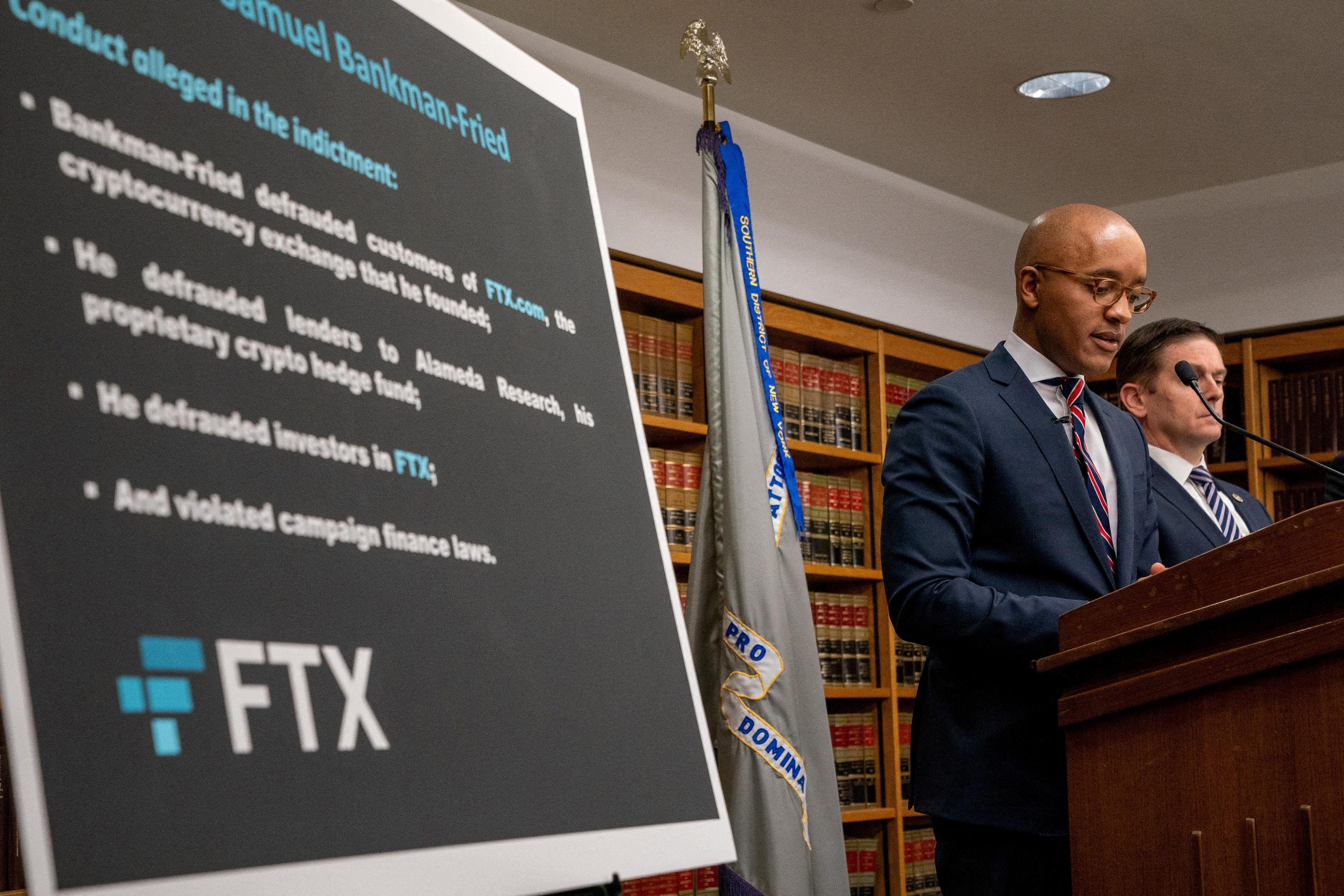
Nov 3 (Reuters) - The cryptocurrency market is starting to bounce back a year after the collapse of crypto exchange FTX and other big players in 2022 crushed prices, tarnished the industry and prompted a regulatory crackdown. A jury in New York on Thursday found Sam Bankman-Fried (SBF), the former CEO of FTX, guilty of defrauding FTX's customers prior to its abrupt collapse in November 2022. He had pleaded not guilty and said that while he mismanaged the company, he did not commit fraud. FTX was one in a series of industry meltdowns that sent bitcoin crashing to its lowest price since 2020. While the sector remains far from the investment fever pitch it hit in late 2021, bitcoin and other major tokens have enjoyed a rally in recent weeks as the expected end of central bank rate-hiking cycles draws cash back into high-risk assets. The crypto industry has also become focused on the prospect of new spot bitcoin exchange-traded funds (ETFs), which would throw open the market to more investors. Though none have been approved, several firms have filed for such a product. “I think crypto markets have moved on," said Ben Laidler, global markets strategist at eToro. "The SBF trial is (a) a bit of a sideshow, and (b) probably just a reminder of a year that most in crypto want to forget." Here are three charts that show how the crypto landscape has changed since the collapse of FTX. BITCOIN REVIVAL Bitcoin, by far the biggest cryptocurrency and the chief barometer for crypto market sentiment, has more than doubled in price this year, making 2023 its best year since 2020 in terms of percentage gains. The cryptocurrency was riding high in 2021, hitting a record $69,000 in November that year. But as central banks began to hike rates in early 2022, riskier assets like cryptocurrencies began to feel the pain as investors sought better returns elsewhere. Bitcoin lost more than 65% of its value last year, pummeled by the collapse of stablecoin terraUSD, which led Singapore hedge fund Three Arrows Capital to file for bankruptcy and caused wider havoc in the crypto market. It fell under $16,000 in November 2021. Analysts say growing excitement that the U.S. regulator will soon approve spot bitcoin ETFs, along with the expected end of rate hikes, has fueled bitcoin's revival. Several major financial firms, including BlackRock, have filed applications with the U.S. Securities and Exchange Commission to launch a bitcoin ETF which, if approved, could draw billions of dollars of institutional money into the cryptocurrency, some say. While there's no guarantee that the applications will soon be approved, the possibility seems enough to keep traders bullish. This week, meanwhile, both the U.S. Federal Reserve and the Bank of England kept rates on hold, marking a possible plateau for rate hikes. MARKET CAP UPTICK After peaking at $3 trillion in November 2021, the value of the overall crypto market plummeted through 2022, hitting a two-year low of $796 billion as FTX imploded. It has since clawed back some ground, hovering above $1 trillion most of this year. As of Thursday, the value of the global crypto market stood higher, thanks to the October rise in the price of bitcoin, at $1.35 trillion. STABILIZING BITCOIN? Known for its volatility, bitcoin gained some stability in the wake of the collapse of FTX. Relative calm in crypto markets is not necessarily a boon, market players said, noting that many investors are attracted to crypto because its volatility offers chances to make quick profits. Since mid-October, however, bitcoin's price swings have expanded again. "All summer long, trade volume was low, volatility even lower and markets seemed stuck in a rut," analysts at crypto data firm Kaiko wrote, noting that unfounded speculation that a spot bitcoin ETF may be approved had reversed the situation. "While there is still no confirmation of a spot-based ETF, markets seem not to care," they said. VC FUNDING DRIES UP Venture capital (VC) investors poured money into nascent crypto firms in 2021, but the flows began to slow in 2022 and 2023. U.S. VC crypto investments in the third quarter of 2022 were just $704 million, down from an eye-watering $6.12 billion in the first quarter of 2022, according to data firm PitchBook. "This slowdown wasn't primarily due to the failure of FTX but was already underway with the collapse of the (terraUSD) ecosystem earlier in the year," Robert Le, senior crypto analyst at Pitchbook, told Reuters last month. "Venture investors are now proceeding with caution," he added. https://www.reuters.com/technology/crypto-market-still-bears-scars-ftxs-collapse-2023-10-03/
2023-11-03 02:50
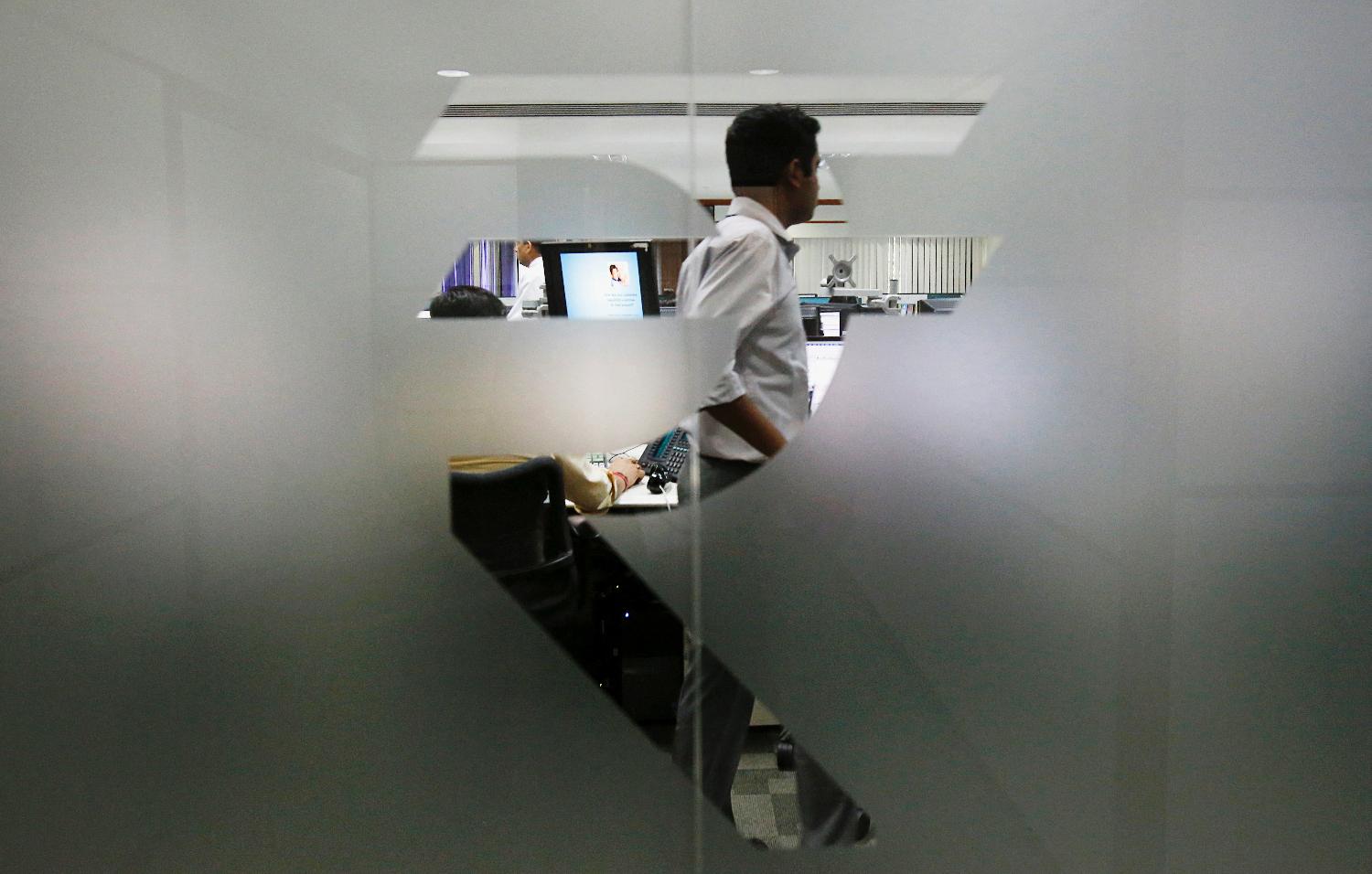
MUMBAI, Nov 3 (Reuters) - The Indian rupee is expected to draw support on Friday from the U.S. dollar's decline on upbeat risk appetite and a further slide in Treasury yields. Non-deliverable forwards indicate the rupee will open flat-to-slightly higher against the dollar from 83.2425 in the previous session. The dollar index was "looking soft" and has being "well offered" in London/New York over the past three session, a spot trader at a private bank said. That is a positive for the rupee but with oil companies and state banks lapping up dollars, the local currency has stayed within the "original" range, he said. The rupee has been trading in a 83.0225-83.2950 range over the last six weeks. The U.S. 10-year Treasury yield receded in the New York session and was at 4.66% in Asia. The dollar index posted a low of 105.80 in New York, before recovering to near 106.12. U.S. equities rallied with the S&P 500 index having its best day since April. Markets continued their "sugar high" from this week’s Federal Reserve meeting, when Chair Jerome Powell hinted that the Fed may be done hiking, MUFG Bank said in a note. The number of Americans filing fresh claims for unemployment benefits increased moderately last week, indicating slight softening of the labour market, data on Thursday showed. Asian currencies added to Thursday's advance with the Korean won and Indonesian rupiah leading the way. Focus now shifts to the U.S. services and jobs data due later on Friday. The services data will come after the weaker-than-expected manufacturing print while non-farm payrolls are expected to moderate to 180,000 from 336,000 in the prior month, according to a Reuters poll. KEY INDICATORS: ** One-month non-deliverable rupee forward at 83.28; onshore one-month forward premium at 6 paisa ** Dollar index down at 106.12 ** Brent crude futures up 0.1% at $86.9 per barrel ** Ten-year U.S. note yield at 4.66% ** As per NSDL data, foreign investors sold a net $215 mln worth of Indian shares on Nov. 1 ** NSDL data shows foreign investors bought a net $10.7 mln worth of Indian bonds on Nov. 1 https://www.reuters.com/markets/currencies/india-rupee-be-supported-by-further-pullback-us-yields-dollar-2023-11-03/
2023-11-02 22:59
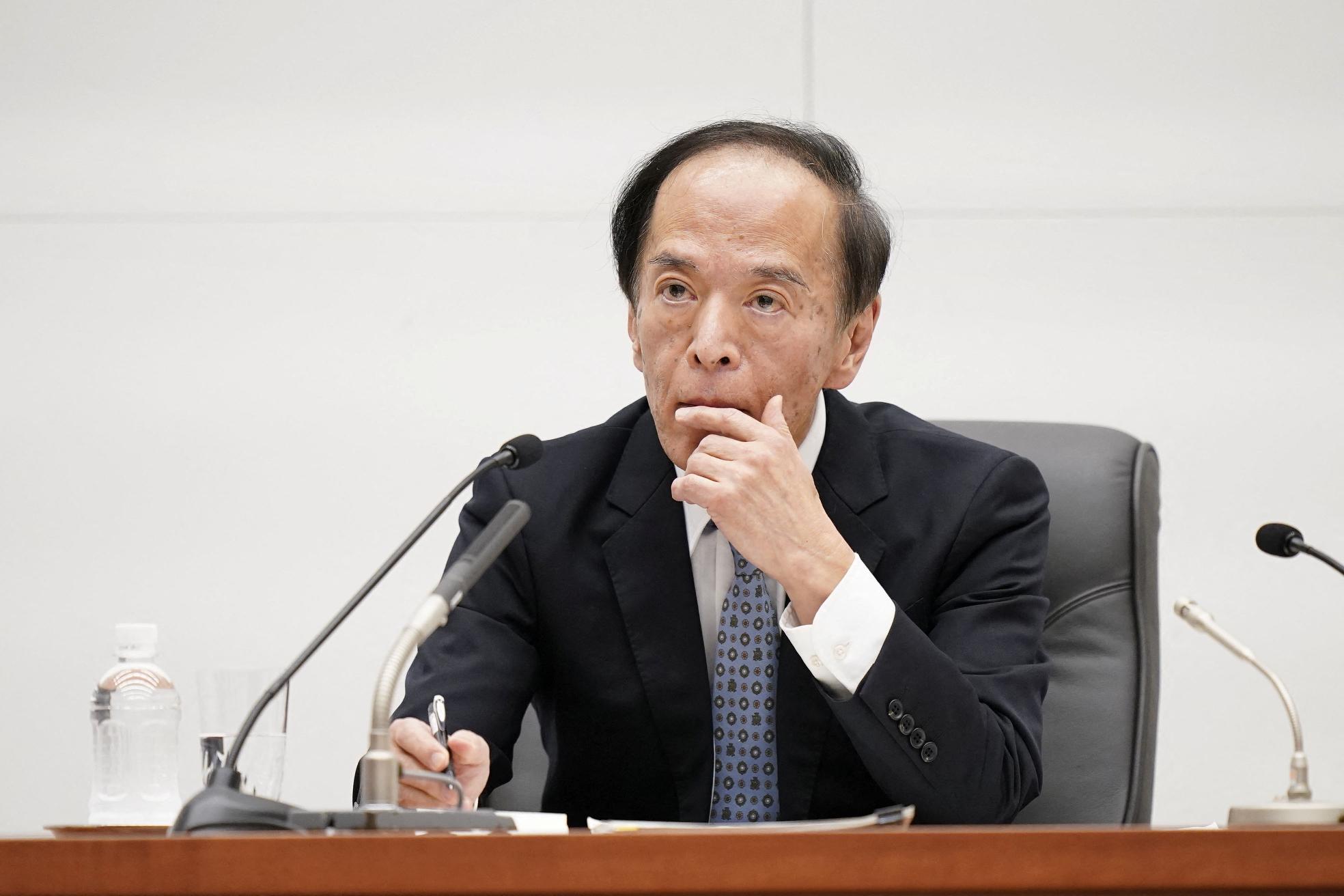
BOJ to retain dovish rhetoric, even as it moves toward exit Many in BOJ see likely timing of an exit around spring next year Having taken teeth out of YCC, BOJ focus is ending minus rates Yen, inflation overshoot may disrupt Ueda's plan to go slow TOKYO, Nov 2 (Reuters) - Bank of Japan Governor Kazuo Ueda will continue to dismantle the central bank's ultra-easy monetary policy settings and look to exit the decade-long accommodative regime sometime next year, an inherently risky plan that would require skilful execution. Ultimately, however, the BOJ chief's exit strategy will require a bit of good fortune too, especially given global uncertainties including the Middle East conflict and worries about whether the U.S. economy could achieve a soft landing as well as China's growth trajectory. Ueda's intentions are based on interviews with six sources familiar with the BOJ's thinking, including government officials with direct interaction with the bank. Ueda will stick to a pattern he established six months in his tenure, which is to move gradually toward an exit while maintaining the dovish rhetoric of his predecessor, the sources say. Since taking the helm in April, the central bank chief has mostly echoed his predecessor's pledge to keep monetary policy ultra-loose until sustained achievement of the BOJ's 2% price target comes into sight. With inflation exceeding 2% for over a year, however, Ueda has steadily been phasing out the Kuroda-era stimulus starting with a removal in April of a commitment to keep rates at low levels. Yet, Ueda will be mindful of the narrow exit path as even small hints could trigger a spike in bond yields and upend the BOJ's plan for a soft-landing. "The BOJ's main message now is to maintain ultra-loose policy, even it seems to conflict with what it's actually doing," one source said on condition of anonymity as he was not authorised to speak publicly. "Given uncertainty over the economic outlook, the BOJ probably wants to wait at least until spring next year in normalising policy," said another source. "If so, it makes sense to keep the BOJ's guidance dovish." YEN RISKS The pressure point could be the weak yen, a side-effect of ultra-low rates that has pushed up import prices and households' cost of living. If the yen continues to fall, that could heighten political pressure on the BOJ to exit sooner than it wants, some analysts say. But knowing well the challenge of an exit based on his experience as former BOJ policymaker, Ueda will tread carefully even at the cost of causing yen falls, the sources say. "The key is they want to leave policy easy, even if there is a cost, to leave 30 plus years of deflation behind," said Robert Samson, joint head of global multi asset at Nikko Asset Management. "In their minds, I imagine avoiding a 'decisive end' would be preferable. Gradualism, if possible, is their preference." But Ueda hasn't turned a blind eye to market forces. As bond yields crept up, the BOJ raised to 1% from 0.5% in July a cap set for the 10-year yield in a carefully planned tweak to yield curve control (YCC) - a policy that sets a target for the maturity around 0%. In another step toward dismantling yield control, the BOJ relaxed its grip on long-term rates again on Tuesday by watering down 1% as a reference rather a rigid ceiling. Having taken teeth out of YCC, the BOJ's next focus is to end its negative interest rate policy and push short-term rates to zero, from the current -0.1%, the sources say. Exiting negative rates would be more significant than ending yield control as it means hiking a policy rate central banks have direct control over, and mark a shift to a more neutral policy stance. 'LOT OF HURDLES' Many BOJ policymakers see the likely timing of such a move around spring next year, when there is clarity on whether annual wage negotiations may lead to strong pay hikes, the sources say. A pivot by the BOJ, which remains a dovish outlier amid global central banks that aggressively hiked rates, could jolt markets by causing a huge repatriation of Japanese funds. Even small signs from the BOJ of an exit could also unleash a bond sell-off that would inflict major losses on investors, and boost the cost of funding Japan's huge public debt. "There's a lot of hurdles to clear before an exit, which means you don't want to get markets too excited about the chance of an early lift-off," a third source said. With the cost of a spike in market rates seen as too high, the most likely scenario of an exit would be for the BOJ to end YCC and negative rates - but retain a loose pledge to intervene in the market if bond yields rise abruptly, the sources say. Fresh BOJ estimates, which project inflation to stay well above 2% this year and next, also cast doubt on Ueda's argument that sustained achievement of his price goal was yet in sight. The risk of sharp yen falls and an inflation overshoot may leave the BOJ with less time than it wants to exit. "The BOJ may not afford to wait that long because the situation surrounding inflation could change sharply," said Hiromi Yamaoka, a former central bank official who worked under Ueda when he was board member. "The BOJ doesn't have much time left, a point governor Ueda is probably mindful of." https://www.reuters.com/markets/asia/boj-plans-exit-easy-policy-next-year-needs-some-good-fortune-2023-11-02/
2023-11-02 22:39
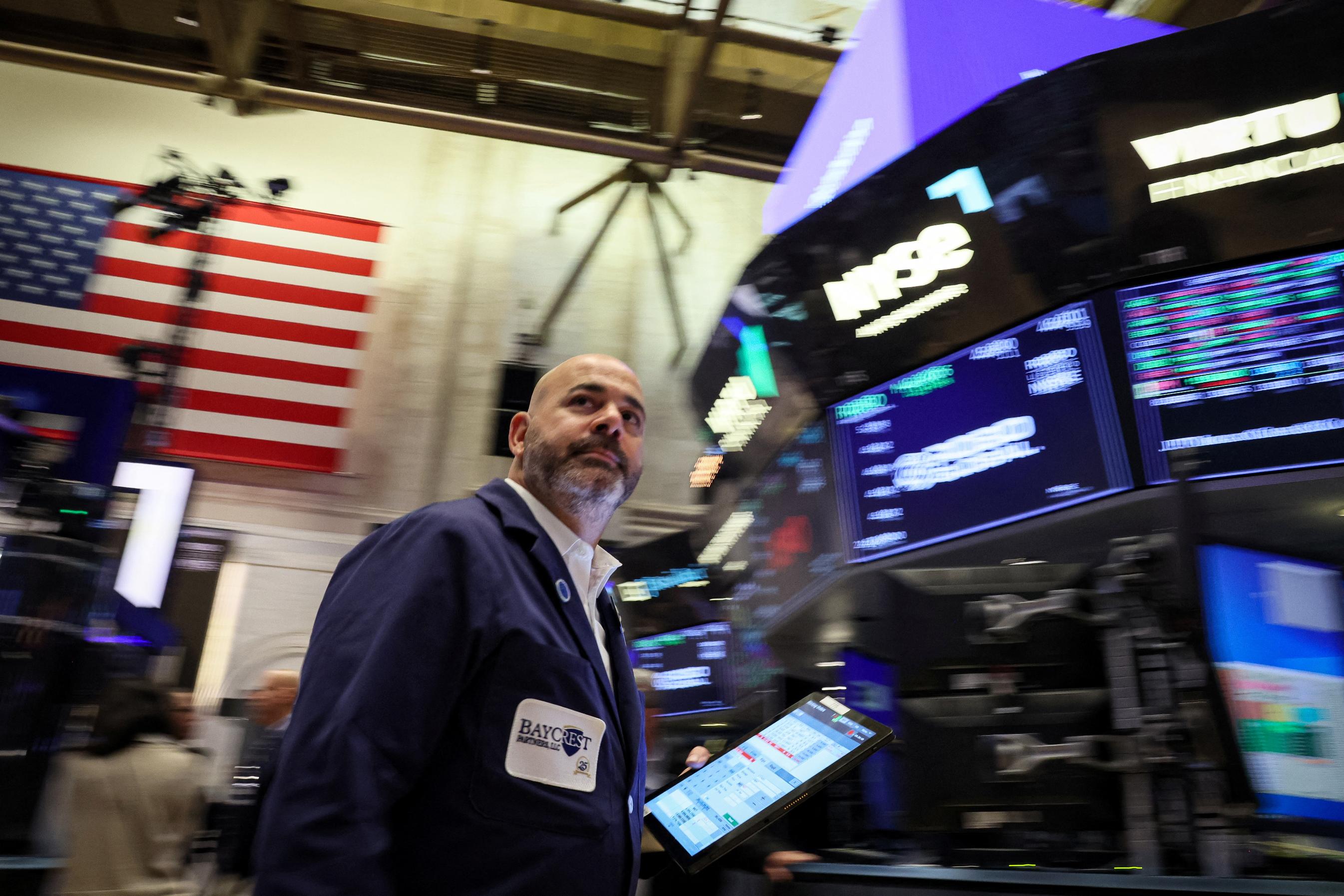
Qualcomm gains as Q1 forecast tops estimates Starbucks rises on upbeat quarterly results PayPal up on profit forecast raise Weekly jobless claims stronger than expected Indexes up: Dow 1.7%, S&P 1.89%, Nasdaq 1.78% Nov 2 (Reuters) - Wall Street's three main stock indexes rallied nearly 2% on Thursday on hopes that the U.S. Federal Reserve has reached the end of its interest rate hiking campaign and a batch of upbeat quarterly financial updates added to the bullish mood. The Fed held interest rates steady on Wednesday as expected, and while Chair Jerome Powell left the door open to further tightening he also acknowledged the impact of a recent surge in bond yields on the economy. The comments, viewed as hints that the central bank is done with its rate hikes, sent longer-dated U.S. Treasury yields tumbling, which supported stocks. "Powell's comments in the presser yesterday were what everyone wanted to hear," said Justin Burgin, vice president of equity research at Ameriprise Financial in Troy, Michigan. Burgin also pointed to better-than-expectated earnings reports. While the current-quarter guidance has been weaker than previously expected, Burgin said analysts are still forecasting growth. "The fact the wheels didn't come of the bus for the fourth quarter is pretty good," he said. According to the latest LSEG data, Wall Street is forecasting fourth-quarter earnings growth of 7.2%, down from 11% on Oct. 1, before the reporting season began. And for the third quarter, 80.9% of companies reporting so far have beat analysts' expectations while 14.9% have missed expectations. The Dow Jones Industrial Average (.DJI) rose 564.5 points, or 1.7%, to 33,839.08, the S&P 500 (.SPX) gained 79.92 points, or 1.89%, at 4,317.78 and the Nasdaq Composite (.IXIC) added 232.72 points, or 1.78%, at 13,294.19. The S&P 500, in its fourth straight session of gains, boasted its biggest one-day percentage gain since April. Also the benchmark index closed above its 200-day moving average for the first time since Oct. 24. The small cap Russell 2000 index (.RUT) finished up 2.7% for its biggest one-day percentage gain since June 6. The Nasdaq in its fifth consecutive day of gains, registered its biggest one-day percentage increase since July 28. After stocks tumbled in October, "the set-up was well primed for a bit of a relief rally," said Emily Leveille, portfolio manager at Thornburg Investment Management in Santa Fe, New Mexico. All 11 major S&P 500 sectors rose, led by energy (.SPNY) and rate-sensitive real estate (.SPLRCR) with gains of more than 3% each. The communications services sector (.SPLRCL) rose least, adding 0.9%, followed by consumer staples (.SPLRCS) which gained 1.3%. Among individual stocks, Starbucks (SBUX.O) rallied 9.5% after the coffeehouse company's fourth-quarter results beat estimates. Also Qualcomm(QCOM.O) shares climbed 5.8% after the chip designer forecast first-quarter sales and profit above estimates. PayPal (PYPL.O) shares jumped 6.6% as the payments giant raised its full-year adjusted profit forecast. Apple (AAPL.O) shares closed up 2% ahead of its quarterly report, which is due later on Thursday. Other big stock movers included Moderna (MRNA.O), which sold off after lowering its 2023 COVID-19 vaccine sales forecast. Data released earlier in the day showed the number of Americans filing new claims for unemployment benefits increased moderately last week. This week's key economic data release will be the October non-farm payrolls report due on Friday. Advancing issues outnumbered decliners on the NYSE by a 7.30-to-1 ratio; on Nasdaq, a 3.16-to-1 ratio favored advancers. The S&P 500 posted 10 new 52-week highs and nine new lows; the Nasdaq Composite recorded 40 new highs and 140 new lows. On U.S. exchanges, 11.96 billion shares changed hands compared with the 10.78 billion average for the last 20 sessions. https://www.reuters.com/markets/us/futures-climb-bets-end-feds-rate-hikes-2023-11-02/
2023-11-02 22:31
Nov 2 (Reuters) - Utility firm Consolidated Edison (ED.N) on Thursday beat third-quarter profit estimates on higher earnings from its electricity segment. The company, which provides electricity in much of the New York City, had applied for a higher rate case earlier this year. A rate case is the formal process used to determine what customers need to pay for the electricity, natural gas, private water and steam services provided by regulated utilities. Much of the United States also witnessed record temperatures during the reported quarter, which boosted cooling demand as residents searched for respite from the heat. Operating revenue from the company's electric segment for the quarter ended Sept. 30 climbed to $3.47 billion, from $3.33 billion a year ago. The company reported an adjusted profit of $1.62 per share, compared with analysts' estimates of $1.60 per share, according to LSEG data. The company raised its 2023 profit forecast to a range of $5.00 to $5.10 per share, from its previous outlook of $4.85 to $5.00 per share. Higher electricity earnings helped the New York-based firm to offset rising interest expenses which have raised costs for maintenance and new projects. The company's operating revenue from its gas supplying unit fell to $353 million from $453 million last year. https://www.reuters.com/markets/commodities/consolidated-edison-beats-q3-profit-estimates-electricity-revenue-climbs-2023-11-02/