2023-11-03 06:44
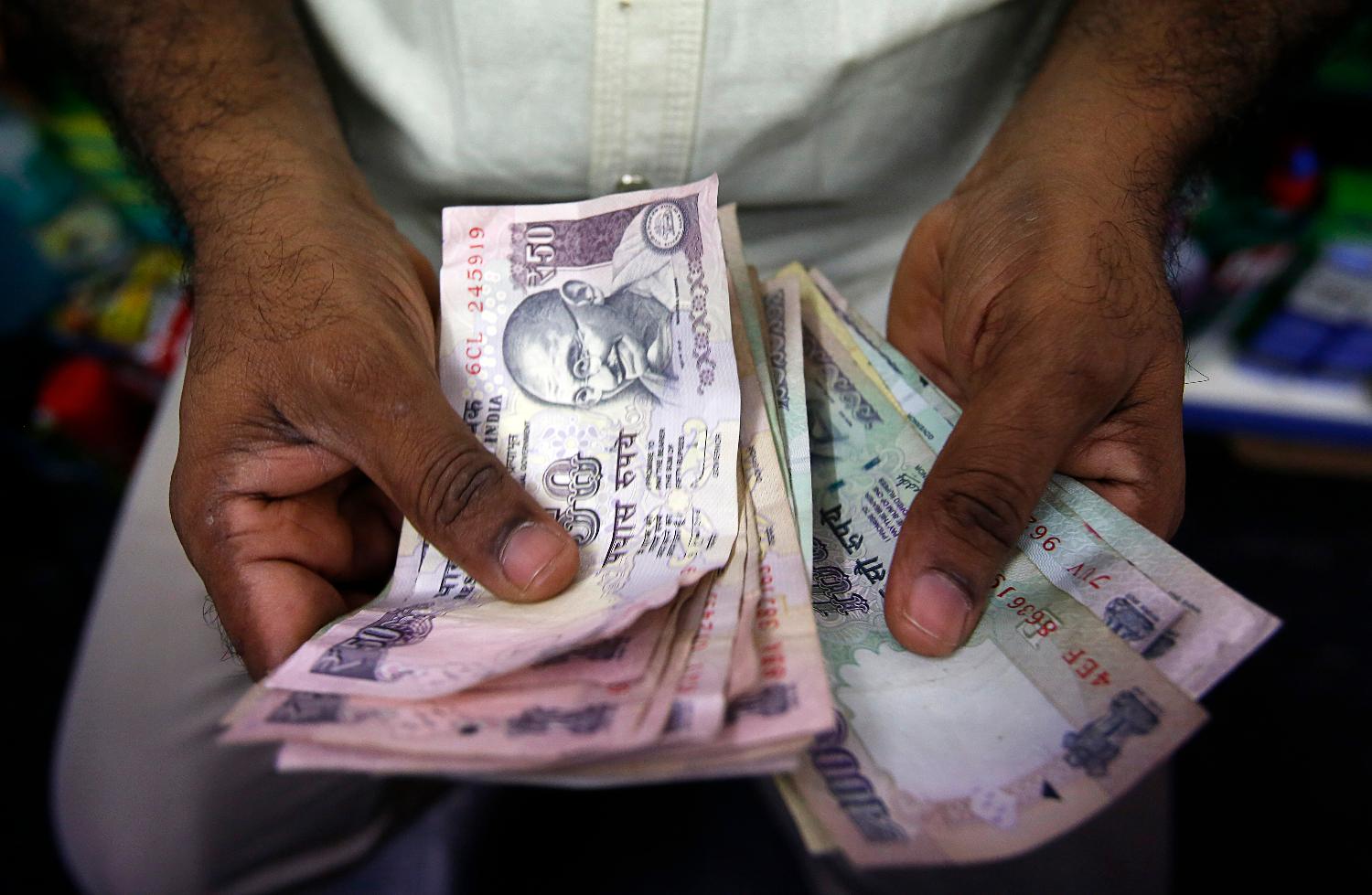
BEIJING, Nov 3 (Reuters) - Temperatures in northern China are set to plunge as much as 20 degrees Celsius after the second-warmest October in decades, but warmer-than-usual conditions could soon be back under the influence of El Nino. A stream of cold air entering China on Saturday from the northwest will join one that arrived on Thursday to push temperatures sharply lower, the China Meteorological Administration (CMA) said. In the sparsely populated deserts and grasslands of the northern Inner Mongolia region, temperatures could plummet on Friday and again from Saturday while blizzards could hit the Xinjiang region in the northwest. From next week, most of the northeast is expected to see maximum temperatures dive to the single-digits or below freezing as cold air moves east and south, in an abrupt reversal of a recent "big warming", the CMA said. While freezing temperatures are not uncommon for the time of year, the sudden change is unusual. A few days ago, uncharacteristically warm weather saw parts of northern China post record high temperatures exceeding 30C. Weather has become more extreme in China in recent years, destroying urban infrastructure as well as farmland, causing hefty economic losses and raising fears about the pace and impact of global warming. This summer, typhoons dumped historic rainfall in inland regions unaccustomed to tropical storms. Typhoon Doksuri caused the worst flooding since 1963 in the Hai river basin that encompasses Beijing, Tianjin and Hebei province. Authorities are due to issue 1 trillion yuan ($137 billion) of sovereign bonds to help rebuild areas hit by the floods and improve infrastructure to cope with disasters. Earlier in the year, northern China basked in unseasonal heat, with temperatures reaching summer-levels, shortly after a very cold January, when the northernmost city of Mohe saw the temperature dip to a record minus 53C. Winter this year, however, could be warmer due to a moderate El Nino, Jia Xiaolong, deputy director of China's National Climate Centre, told a press conference on Friday. El Nino is a natural climate pattern associated with warming of the ocean surface temperatures in the central and eastern Pacific. The phenomenon occurs every two to seven years, lasting nine to 12 months. "The sea surface temperature in the east-central equatorial Pacific will continue to exceed 0.5C in November, and the El Nino event will persist in the 2023/2024 winter, with a peak intensity of 1.5-2C," Jia said. But statistics showed that winter temperatures could fluctuate greatly during El Nino, Jia warned. ($1 = 7.3127 Chinese yuan renminbi) (This story has been refiled to drop reference to Fahrenheit scale in paragraph 1) https://www.reuters.com/world/china/china-set-abrupt-switch-warm-freezing-weather-year-extremes-2023-11-03/
2023-11-03 06:26
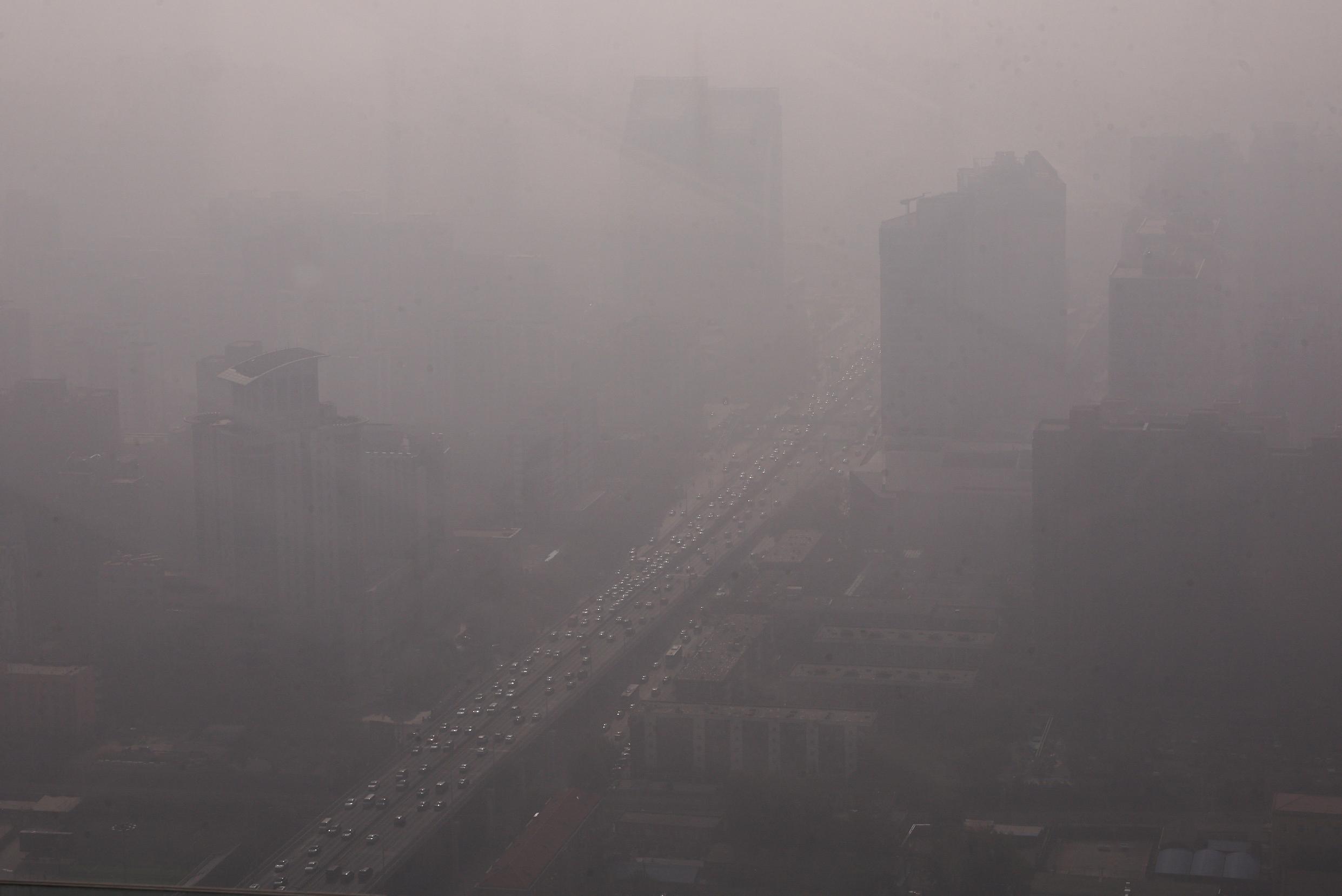
Australian Prime Minister Albanese begins visit to China on Saturday First visit by an Australian prime minister since 2016 China put 218% tax on Australian wine in 2021 as ties worsened Both sides have agreed to review tariffs, including for wine Australian wine could return to the China market early next year if punitive tariffs removed News that punitive tariffs on Australian wine introduced by China in 2021 would be reviewed as part of a push to improve the relationship between the two countries was cheered by many, including Campbell Thompson. The Beijing-based Australian CEO of wine importer and distributor The Wine Republic has spent more than a decade making his living from bringing wine, much of it from Australia, into the China market. "We are looking forward to the tariffs being removed. I think for Australia there is definitely an opportunity," he said. Late last month, as ties between Beijing and Canberra improved, the two sides announced they had reached a consensus to settle a World Trade Organisation dispute about wine and that anti-dumping tariffs, which weren't set to expire until 2026, would be reviewed. Australian Prime Minister Anthony Albanese kicks off a visit to China on Saturday, the first visit by a sitting Australian leader since 2016 as the trading partners continue to work on stabilising ties. The introduction of a 218% tax on most Australian wine introduced by China early in 2021 prompted that trade, previously valued as high as $1.2 billion annually, to collapse. Penfold's maker, Treasury Wine Estates, said in 2022 it had lost 97% of its China business due to the introduction of the tariffs, it's shares rose more than 5% on news they could soon be removed. Prior to Australia's call for an investigation into the origins of COVID-19 in 2020, Australian wines imported into China were subject to zero tariffs following the signing of a free trade agreement in 2015, giving them a 14% tariff advantage over many other wine producing nations. Thompson is already in touch with the 10-plus Australian wineries he worked with before 2021, along with some newer players, in expectation that tariffs will soon be removed. Though he says this is good news, perhaps paving the way for the return of Australian wine to the Chinese market by early next year, he is not necessarily expecting business to bounce back immediately. "I don't think that's realistic any time soon. However, for a lot of good quality Australian wine producers ... customers still know the wines and I think will re-engage with those wines fairly readily," he said. Layla Wang, co-owner of Trio Wine Bar in Beijing agreed that Chinese market perceptions of Australian wine haven't changed in the years since it was last available, with no clear winner in the battle to take over Australian wine's market share. The bar's small cellar is lined floor to ceiling with bottles of wine from all over the world, and Wang said the market has become more crowded as people seek out new and different wine experiences, leading to the increased popularity of homegrown Chinese wines, biodynamic and natural options. "I think even if people have been away from Australian wine for a while, every time we talk about this category of wine, we all think it's a very good quality wine," Wang said, sat at her bar. "For us, we're definitely delighted as it signifies offering more choices to our customers. For consumers who haven't had Australian wines for years, many will be eager to try them again." https://www.reuters.com/markets/asia/chinas-wine-market-ready-welcome-likely-return-aussie-wine-ties-improve-2023-11-03/
2023-11-03 06:21
U.S. non-farm payrolls report due at 1230 GMT Gold down nearly 1% for the week Platinum set for 4th straight weekly rise Nov 3 (Reuters) - Gold was headed for its first weekly loss in nearly a month on Friday as the safe-haven rally cooled, while traders largely kept to the sidelines ahead of the U.S. non-farm payrolls data due later in the day. Spot gold ticked up 0.1% to $1,987.79 per ounce by 1154 GMT, trading in a tight $6 range. U.S. gold futures also rose 0.1% to $1,995.40. Gold is down nearly 1% for the week so far, moving away from the key $2,000 mark hit last month on escalating tensions in the Middle East. "Gold prices have slipped back due to a reduction in the geopolitical risk premium as the markets get used to the idea of a long slog between Israel and Hamas," said Michael Hewson, chief market analyst at CMC Markets. "Money is coming out of gold and the U.S. dollar and moving back into risky assets." Stocks were headed for their biggest weekly rise in a year, while bonds rallied and the dollar was on the back foot as investors cheered a pause in U.S. interest rate hikes. Traders are now pricing in an 80% chance that the Federal Reserve will leave rates unchanged in December, according to the CME FedWatch tool. Investors' focus now shifts to U.S. non-farm payrolls data, due at 1230 GMT, which is expected to show that employers added 180,000 jobs last month. The jobs report needs to deliver some surprisingly weak figures to weigh further on Treasury yields and push gold prices above the $2,000-per-ounce mark, City Index senior analyst Matt Simpson said. Elsewhere, spot silver was down 0.6% at $22.64 per ounce and was on track for its second straight weekly loss. Platinum rose 0.7% to $926.48, heading for its fourth consecutive weekly rise. Palladium climbed 2% to $1,121.80. https://www.reuters.com/markets/commodities/gold-listless-traders-seek-direction-us-jobs-data-2023-11-03/

2023-11-03 06:08
RIYADH/LONDON, Nov 3 (Reuters) - A growing number of private equity funds are opening offices in the Gulf, hoping to deepen their ties with cash-rich sovereign wealth funds and families in the region as funding for buyouts has dried up elsewhere. While the Gulf had previously been a place where buyout groups would go to raise money to invest in other markets, increasingly they are looking to build teams on the ground, invest in local businesses and help develop the region's asset managers, private equity funds and advisers said. Global fundraising for alternative investments, which include private equity, dropped 21% to $972 billion in the year to Nov. 1 from the same period a year earlier, according to research firm Prequin. Rising interest rates have pushed up the return investors can make in rival assets classes such as bonds. As their money becomes more vital, Gulf funds are encouraging private equity firms to invest locally in plans for a post-oil future. These include diversifying into other energy sources like hydrogen, building state companies into regional champions, attracting foreign investment, and creating jobs. "Building a partnership based on reciprocity is nowadays necessary to succeed in the Gulf," said Francois Aissa-Touazi, co-global head of investor relations at private equity fund Ardian. Ardian opened an office in Abu Dhabi in January and currently has a team of 12. "The objective is to reach 25 people by end of next year. We will soon have a hydrogen investment team based in our office," Aissa-Touazi said. On the sidelines of last week's Future Investment Initiative (FII) - dubbed Davos in the Desert - the deputy governor of Saudi Arabia's sovereign wealth fund emphasised the need for foreign investors to be based in Saudi Arabia if they want to raise money from the country's wealthy funds and families. "(It will soon be a) prerequisite to have your people here in order to manage PIF money," said Yazeed A. al-Humied of the Public Investment Fund (PIF). "We are saying this is an incentive. In the near future, we want to see the people here, on the ground. The market is here." Private equity funds are getting the message. Canadian asset manager Brookfield (BAM.TO) recently opened an office in Riyadh and plans to open another in Abu Dhabi, a person with knowledge of the matter said. Brookfield declined to comment. European buyout groups Tikehau Capital and Ardian opened offices in Abu Dhabi this year, while CVC opened an office in Dubai last year. PARTNERSHIPS Bruce Flatt, chief executive of Brookfield, was among the investors who thronged to Riyadh last week for the FII. "We have $150 billion of businesses. We have just under $10 billion in this region. We're building out every one of those businesses in Saudi Arabia," Flatt said from the stage. "We will be much, much bigger in the future," he added, without giving details. In a separate development, Saudi Arabia will set a January 2024 deadline for foreign firms that want to secure government contracts to establish their regional headquarters to Riyadh, finance minister Mohammed Al Jadaan told Reuters last week. "You will see private equity open offices in the region because they want to be close to limited partners for fundraising but also to partner with them on doing new deals," said Anthony Diamandakis, chief of Citi's alternatives business. Moreover, Saudi Arabia's privatisation efforts - from soccer clubs to flour mills - are unlocking prime assets previously inaccessible to foreign investors. "Gulf governments and their associated sovereign wealth funds are wanting investors to come and invest alongside them into assets that serve both a strategic purpose for the region and also deliver a financial return," said Rishi Kapoor, co-CEO of Bahrain-based alternative asset manager Investcorp. The bulk of the deals done so far have been in infrastructure, from oil and gas pipelines to real estate, but buyout firms are also looking at how to participate in the energy transition, such as hydrogen and carbon capture, as governments strive to meet net zero emission targets. Another area of development is asset management, with funds helping local institutions to develop their skills. In turn private equity funds can use these pools of capital to fund large private debt or equity transactions, according to Tikehau Capital's Deputy CEO, Frédéric Giovansili. "There is an alignment of interest, where they want to accelerate their asset management capabilities and we want to find a complementary pool of capital," he said. https://www.reuters.com/business/finance/private-equity-rushes-gulf-fundraising-dries-up-2023-11-03/

2023-11-03 06:07
US jobs rise 150,000 in October, less than expected US rate futures see no Fed rate hike in December Dollar index on pace for largest one-day fall since July Dollar falls to two-week low vs yen Sterling hits six-week peak vs dollar NEW YORK, Nov 3 (Reuters) - The dollar fell to a six-week low on Friday after data showed the world's largest economy created fewer jobs than expected last month, reinforcing expectations the Federal Reserve is likely to hold interest rates steady again at its December meeting. The dollar index, a gauge of the greenback's value against six major currencies, dropped 1.1% to 105.03, after earlier sinking to 104.93 , its lowest since Sept. 20. The index was on track for its largest one-day fall since July. For the week, the greenback was down 1.4%, on pace for its worst weekly performance since July as well. Data showed nonfarm payrolls increased by 150,000 jobs last month. The numbers for September were revised lower to show 297,000 jobs created instead of 336,000 as previously reported. "From my view, the Fed rate hike cycle is over and this reaffirms the view that the Fed should not hike rates again," said Ronald Temple, chief market strategist at Lazard in New York. "If you look at the new jobs, 150,000 versus 180,000 expected - that is still a strong jobs-creation number, but more in line with what the U.S. economy needs relative to population growth and the stable unemployment rates. That is a Goldilocks number," he said, suggesting it was ideal for the economy. Against the yen, the dollar fell to a two-week low of 149.18, and was last down 0.8% at 149.315 yen , capping a whirlwind week, in which the Japanese currency touched a one-year low against the dollar and 15-year trough against the euro. On the week, the dollar was down 0.2% versus the yen, its biggest weekly loss since late July. The drop in the yen earlier in the week came after the Bank of Japan tweaked its yield curve control policy on Tuesday, but not by as much as markets had expected. Kazuo Ueda, the central bank's governor, will continue to dismantle its ultra-loose monetary policy and look to exit the decade-long accommodative regime next year, Reuters reported on Thursday, according to six sources familiar with the central bank's thinking. Another piece of economic data released on Friday also depicted a slowing economy. The U.S. services sector slowed for a second straight month in October, according to the Institute for Supply Management (ISM). Its non-manufacturing PMI dropped to a five-month low of 51.8 from 53.6 in September. The Services PMI has been declining since August, when it rose to the highest level in six months. In other currencies, the euro was last up 1.1% at $1.0735, and thanks to gains earlier in the week was headed for a weekly gain of 1.6%, the largest in four months. Sterling rose 1.5% versus the dollar to $1.2381, after earlier hitting a six-week high of $1.2389. The British pound posted its best daily performance since January. It is also set for a weekly gain of 2.4%, the biggest since November 2022. The dollar's fall mirrors a decline in U.S. Treasury yields. The benchmark U.S. 10-year yield slid to a five-week low of 4.484% , and headed for a more than 30 basis-point retreat, its most since March 2020. This week's fall was sparked by a combination of the U.S. Treasury Department announcing smaller-than-expected increases in longer-dated Treasury supply, and Fed Chair Jerome Powell seemingly less hawkish than markets expected at his press conference after the Fed's Wednesday meeting. He did, however, leave the door open to a further increase in borrowing costs in a nod to the economy's resilience. Post-jobs and services sector data, markets are now pricing in a less than 5% chance of a rate increase in December, compared with nearly 20% late on Thursday, according to the CME's FedWatch tool. ======================================================== Currency bid prices at 3:00PM (1900 GMT) https://www.reuters.com/markets/currencies/dollar-eases-traders-bet-fed-done-with-rate-hikes-2023-11-03/
2023-11-03 06:06
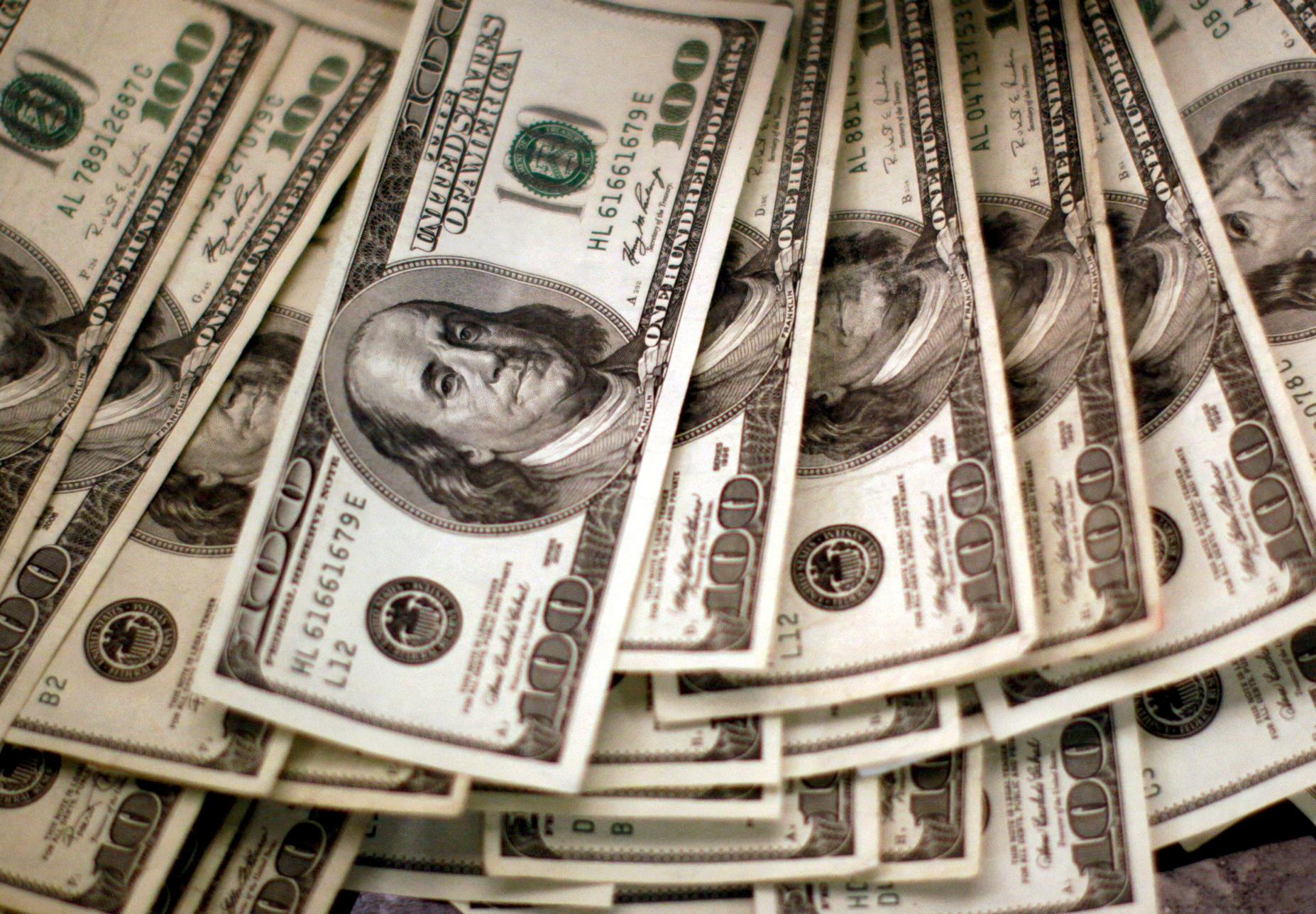
MUMBAI, Nov 3 (Reuters) - An improvement in risk sentiment, due to the decline in U.S. Treasury yields, failed to budge the Indian rupee on Friday, even as its Asian peers rallied. The rupee was at 83.2475 against the U.S. dollar as of 10:25 a.m. IST, little changed from its close at 83.2425 in the previous session. The rupee has been weighed down by persistent U.S. dollar demand from importers, a foreign exchange trader at a private bank said. "Positive global cues take 5 minutes to reverse, so, it (the rupee) is just in a wait-and-watch mode." The 10-year U.S. Treasury yield was lower at 4.65% during Asian trading hours, and the dollar index also retreated to 106.08. Asian currencies climbed, with the Korean won's over 1.5% jump leading gains. "Importers have been hedging aggressively for the next two quarters," said Arnob Biswas, head of foreign exchange research at SMC Global Securities. Despite shifting global cues and strong local dollar demand, the rupee remained in a narrow range throughout October, notching its quietest month since 2004. The lull in volatility was aided by the Reserve Bank of India's routine interventions to defend the rupee, traders said. Nonetheless, the local unit fell to a record low of 83.2950 in the final minutes of trade on Wednesday. A lack of market appetite for directional bets has also contributed to the rupee's tranquil run. "Exporters are not receiving at low premiums, while importers not going long aggressively until 83.30 is taken out," a foreign exchange salesperson at a private bank said. Rupee forward premiums have receded over the last month, with the 1-year implied yield currently at 1.61%, down by more than 20 basis points since early October. Investors now await U.S. labour market data, due later in the day. https://www.reuters.com/markets/currencies/rally-asian-peers-fails-lift-rupee-amid-importers-dollar-demand-2023-11-03/