2023-10-31 10:03
FRANKFURT, Oct 31 (Reuters) - Euro zone inflation dropped to its lowest level in over two years in October, as energy prices fell and the high interest rates set by the European Central Bank dampened demand, a preliminary reading showed on Tuesday. The data seems likely to cement the market's view that the ECB is done with raising rates as part of its fight against high inflation, which had been supported by more expensive fuel, supply disruptions and a recovery in demand following the COVID-19 pandemic. Prices grew by 2.9% year on year in October, the slowest pace since July 2021, from 4.3% a month earlier, according to Eurostat's flash estimate. Inflation started falling sharply last month as the massive increase in energy prices recorded a year earlier impacted the annual comparison. A measure of inflation that excludes energy, food, alcohol and tobacco also declined - to 4.2%, the lowest level since July 2022, from 4.5%. That measure is viewed by the ECB as a more accurate reflection of the underlying trend. All components in the inflation basket recorded smaller increases than a month earlier, although the slowdown was minimal in services, at 4.6% from 4.7%, probably as a result of rising wages. While inflation is still relatively far from the ECB's 2% target, Tuesday's readings were likely to strengthen the central bank's belief that it will slowly fall to its goal by 2025. https://www.reuters.com/markets/europe/euro-zone-inflation-drops-lowest-over-two-years-2023-10-31/

2023-10-31 10:01
A look at the day ahead in U.S. and global markets from Mike Dolan A more modest yearend schedule of Treasury debt sales than many feared helped bonds rally overnight while the Bank of Japan closed out a scary October for world markets on Tuesday with another modest tightening tweak. A hectic Halloween of policy meetings, big macro reports and another slew of company earnings is seeing most world markets shave off the sharpest edges of a rough month, just as the Federal Reserve kicks off its latest two-day gathering. But relief in Treasuries, the villain of the piece for several weeks, is probably the most significant marker for the remainder of the year. On Monday, the U.S. Treasury said it expects to borrow $776 billion in the fourth quarter of the year, less than $852 billion it has previously indicated and below Wall St forecasts. Officials said the reduced tally was down to an increased revenue estimate and that was mainly because tax payments from California and other states that had been previously deferred due to natural disasters were now flowing to Treasury coffers. Given that the announcement in July of third-quarter borrowing of more than trillion dollars was largely responsible for the bond market selloff since, the more benign forecast for the final three months dragged 10-year benchmark yields back further from bruising 16-year peaks above 5%. With hopes the resurfaced risk premium for holding long-term debt may ease as a result, 10-year yields were as low as 4.82% on Tuesday - some 20 basis points off recent highs. Even though the Bank of Japan further loosened its grip on long-term interest rates on Tuesday by re-defining 1.0% as a loose "upper bound" rather than a rigid cap, markets took some solace it wasn't more draconian. Even though 10-year Japanese government yields jumped as much as 7bps to 0.96%, the yen weakened again sharply past 150 per dollar and the Nikkei 225 index of leading stocks rose (.N225). And there were further soothing noises for world bonds, even if not for global growth, from surprisingly weak Chinese business surveys for October. Chinese stocks (.CSI300) underperformed and closed lower yet again. Adding to the mix on Monday was a retreat in crude oil prices to their lowest since the October 7 attacks on Israel, as Israel's land invasion into Gaza advanced slowly and pressure to up stuttering humanitarian aid to the besieged citizens there increased. Crude prices steadied around $83 per barrel on Tuesday, with market speculation about a rise in U.S. shale oil output circulating following recent major acquisitions by Big Oil firms. In Europe, falling energy stocks (.SXEP) bucked a more positive wider market due to a 4.2% fall in BP (BP.L) after third-quarter earnings missed analysts' forecasts. Overall, the picture pointed to another positive day for Wall Street stocks, with futures marginally positive ahead of the open as the Fed meeting gets underway. The S&P500 (.SPX) rebounded after an awful month on Monday to clock its best day's gain since August - but it remains on course to record its third straight month of losses since 2020. The U.S. central bank is expected to leave policy rates unchanged again on Wednesday as it assess the final-quarter trajectory of inflation and the economy after a bumper Q3. With the October jobs report due Friday, the latest consumer confidence reading for this month tops the economic diary on Tuesday in the meantime. The likes of pharma giant Pfizer and construction bellwether Caterpillar are on a heavy earnings slate. In other positive news, General Motors (GM.N) and the United Auto Workers struck a tentative deal late on Monday, ending the union's unprecedented six-week campaign of coordinated strikes that won record pay increases for workers at the Detroit Three automakers. Key developments that should provide more direction to U.S. markets later on Tuesday: * U.S. Oct consumer confidence, Oct Chicago business survey, Oct Dallas Fed service sector survey, Q3 employment costs, Aug house prices * Federal Reserve starts 2-day policy meeting * U.S. corporate earnings: Pfizer, Caterpillar, AMD, Amcor, Amgen, Marathon, MSCI, Caesars, Global Payments, Sysco, Eaton, Franklin Resources, Allegion, Assurant, AMETEK, Equity Residential, GE Healthcare, First Solar, Incyte, Paycom, Match, Bio-Techne, WEC Energy, Hubbell, Echolab, Zebra, ONEOK, Xylem * U.S. Treasury auctions 12-month bills https://www.reuters.com/markets/global-markets-view-usa-2023-10-31/
2023-10-31 07:02
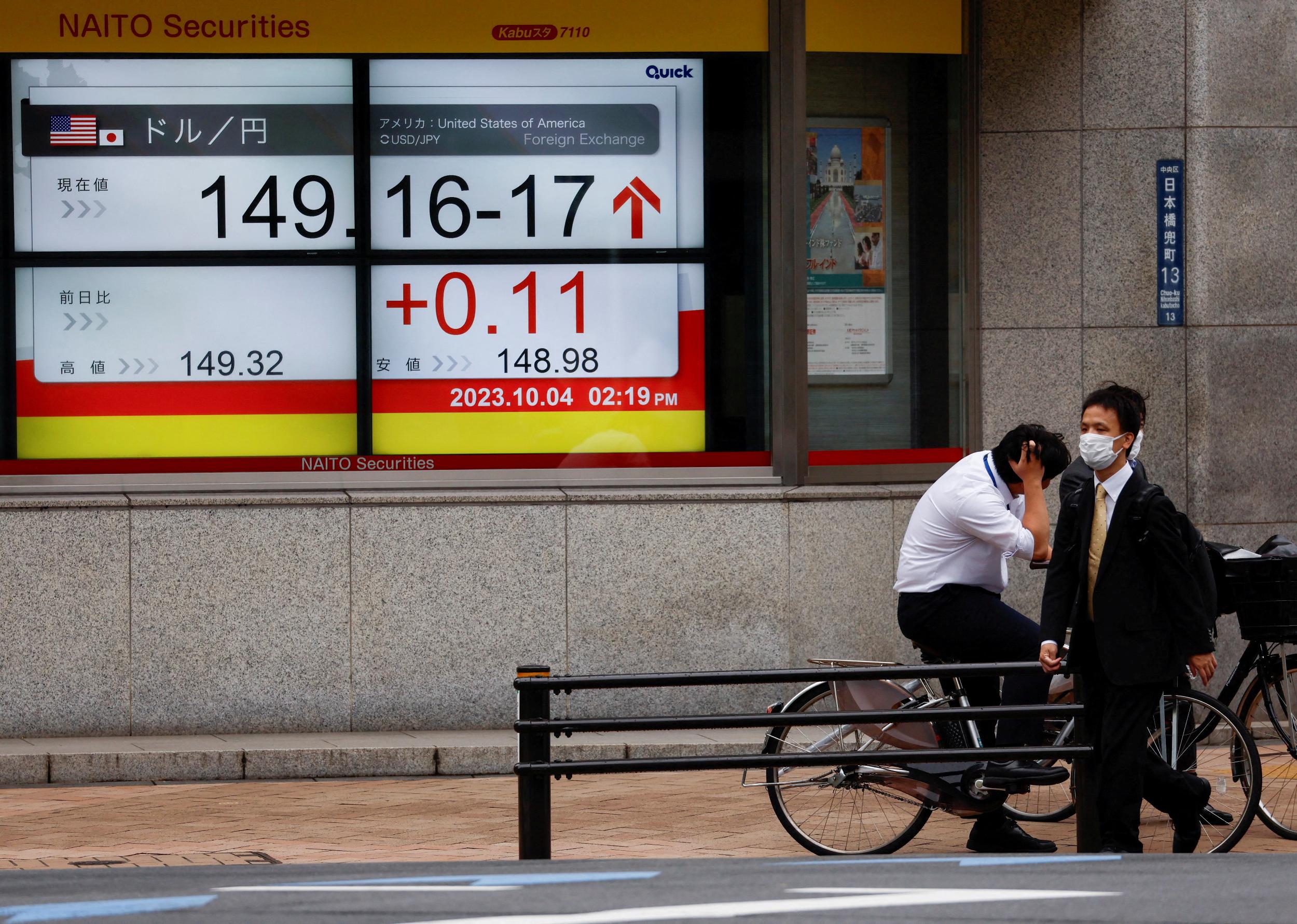
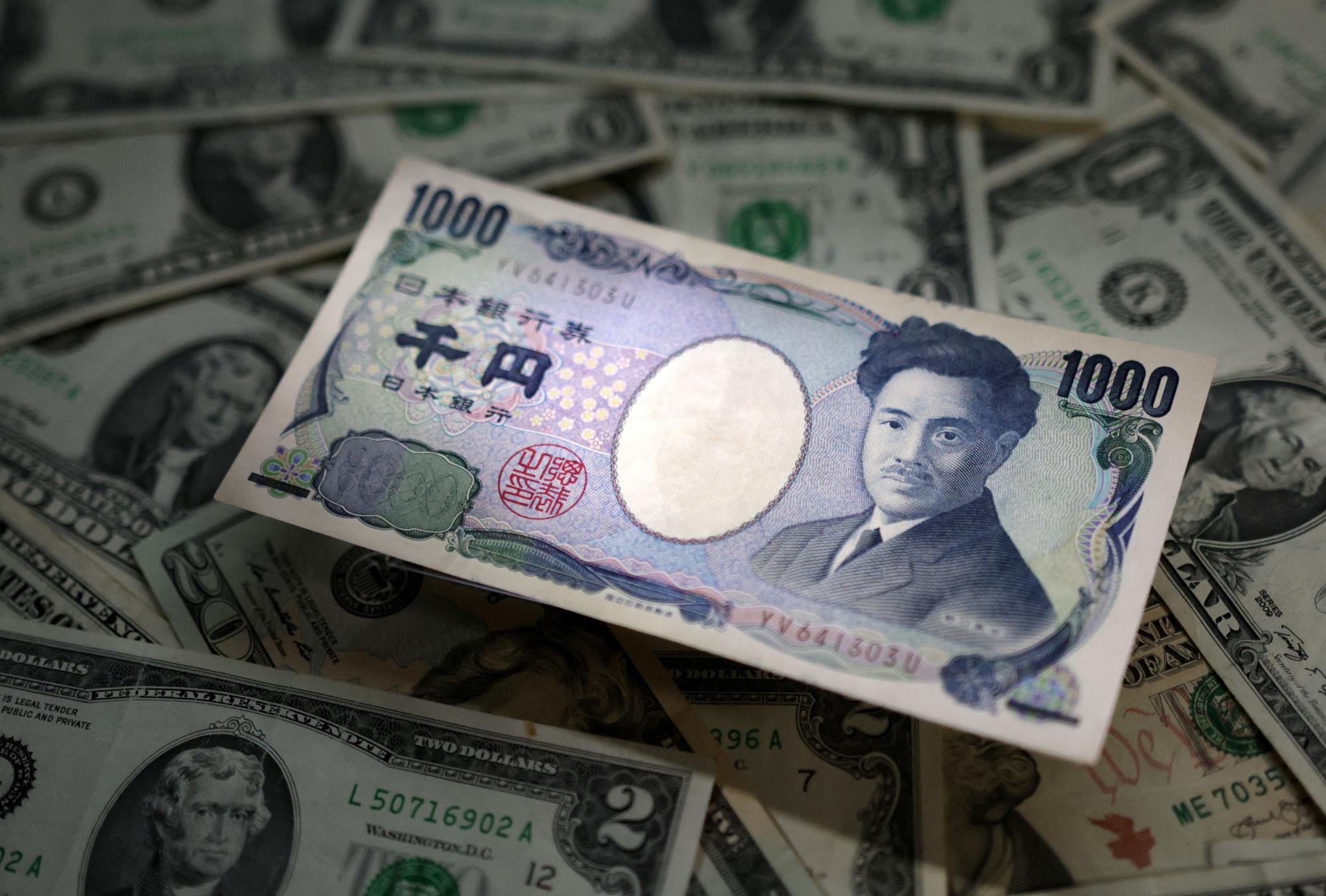
Dollar surges to fresh one-year high vs yen after BOJ decision Euro soars to 15-year peak vs yen U.S. labor costs rise in Q3 U.S. home prices increase in August Fed seen holding rates steady after two-day meeting NEW YORK, Oct 31 (Reuters) - The yen plummeted across the board on Tuesday, dropping to a 15-year low against the euro and a new one-year trough versus the dollar, after a minor step adopted by the Bank of Japan (BOJ) toward ending years of monetary stimulus failed to appease some investors who had expected a bigger move. At the conclusion of its two-day policy meeting, the BOJ further loosened its grip on long-term interest rates by tweaking its bond yield control policy again, taking another step toward reversing its controversial monetary stimulus of the past decade. The BOJ said it would keep the 10-year government bond yield around 0% set under its yield curve control (YCC), but redefined 1.0% as a loose "upper bound" rather than a rigid cap. It also removed a pledge to defend the level with offers to buy unlimited amounts of bonds. The euro jumped against the Japanese currency to a 15-year high of 160.84 yen, and was last up 1.3% at 160.20 yen . It was on pace for its biggest daily gain since late July. The yen slid to 151.715 against the dollar, a fresh one-year low as traders focused on the BOJ's dovish pledge to "patiently" maintain accommodative policy and forecast inflation would drop back below 2% in 2025. The dollar was last up 1.7% at 151.56 yen , on track for its best one-day increase since late April. The Japanese yen had risen to a two-week high on Monday on a Nikkei report that the BOJ would tweak its yield curve control policy, prompting market participants to believe the BOJ would do more. "The market was anticipating a more hawkish decision from the BOJ than what they got," said Erik Nelson, macro strategist at Wells Fargo Securities in London. "The forward guidance was unchanged and the BOJ's inflation forecast still has core inflation below 2% at the end of its forecast horizon. So, yes, they did tweak policy, but it was not accompanied by a hawkish change in forward guidance on the policy rate." BOJ Governor Kazuo Ueda, in a press briefing after the policy decision, signaled that the Japanese central bank was in no rush to end yield curve control or negative interest rates, even though Japan was making some progress toward sustainably achieving 2% inflation. The Japanese unit also fell against sterling , the Swiss franc , and the Australian dollar . The BOJ decision "does imply greater scope for Japanese yields to react to broader market forces going forward but markets are viewing this as too little, too late for the yen," wrote Shaun Osborne, chief market strategist at Scotiabank in Toronto. He added, however, that an unwinding of positioning put in place ahead of the BOJ decision could be partly responsible for the yen's weakness as well. HIGHER RATES FOR LONGER In the United States, Tuesday's U.S. data continued to depict a resilient economy, in the latest indication that the Federal Reserve could keep interest rates elevated for some time. U.S. labor costs increased solidly in the third quarter amid strong wage growth, data showed. The Employment Cost Index (ECI), the broadest measure of labor costs, rose 1.1% last quarter after increasing 1.0% in the April-June period. Another piece of data showed that the U.S. annual home price growth accelerated for a third straight month in August. Home prices rose 5.6% on year over year basis, up from a 4.6% increase in the prior month. Also on Tuesday, the Fed started a two-day policy meeting and is expected to leave interest rates unchanged but maintain its hawkish stance at the conclusion of the meeting. Analyts said the surge in U.S. Treasury yields and the stock market sell-off have already tightened financial conditions, giving the Fed the flexibility to stand pat. The dollar index was last up 0.5% at 106.68. The index looked set to end the month broadly unchanged, but it remained supported by risks of another rate hike from the Fed, noting a solid and stable economy. In other currencies, sterling was down 0.2% at $1.2146 ahead of a rate decision by the Bank of England later in the week where expectations are also for the central bank to hold rates unchanged. ======================================================== Currency bid prices at 3:01PM (1901 GMT) https://www.reuters.com/markets/currencies/yen-rises-speculation-boj-policy-tweak-dollar-ebbs-2023-10-31/
2023-10-31 06:55
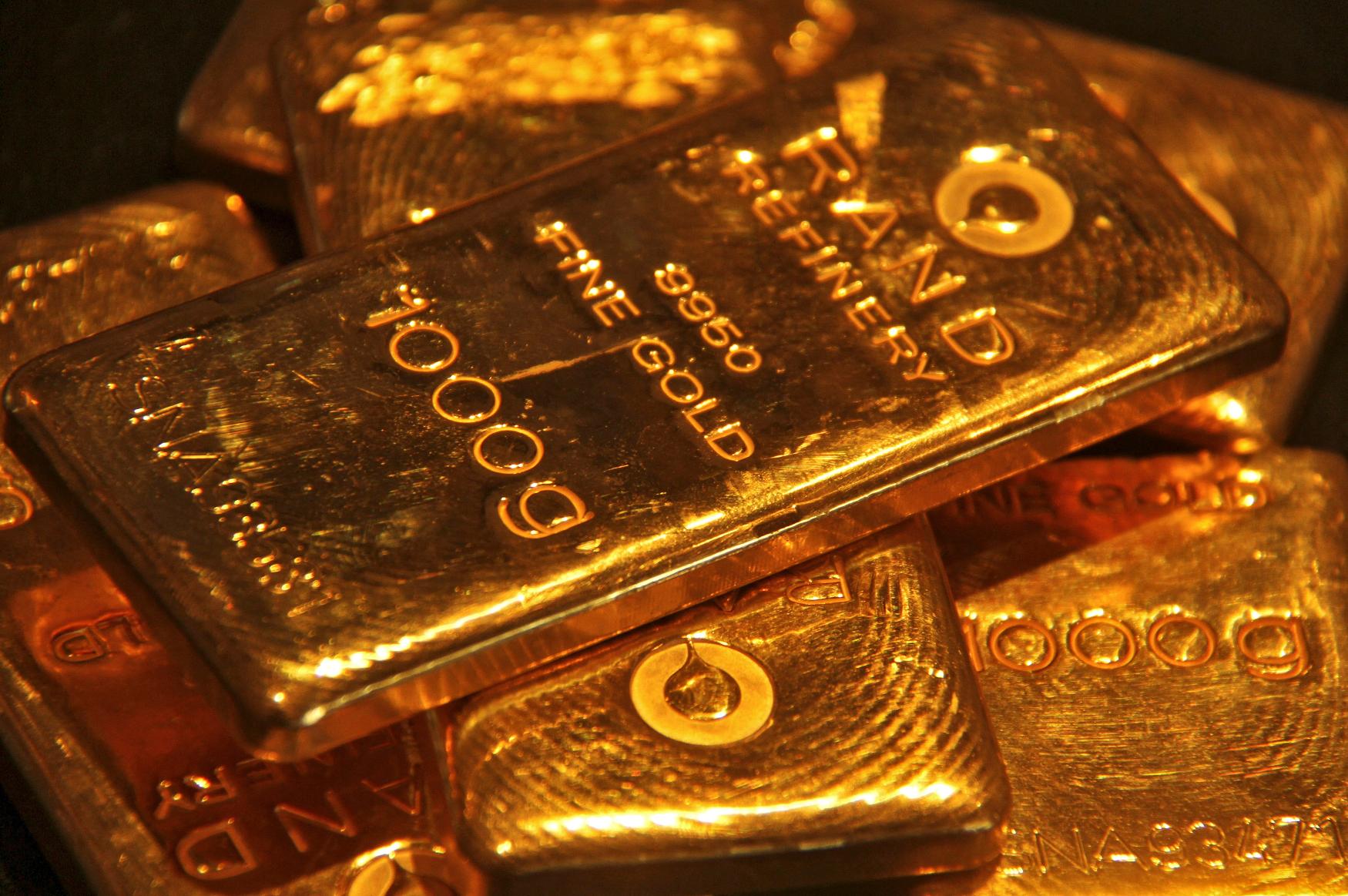
MUMBAI, Oct 31 (Reuters) - Gold prices near record highs could dampen demand in India during the peak festival season and lead to the lowest purchase volumes in three years, the World Gold Council (WGC) said on Tuesday. India is the world's second-largest gold consumer, and a drop in purchases could limit a rally in global prices . Falling demand for gold imports could also help narrow India's trade deficit and support the rupee . Higher prices in the December quarter, which traditionally sees the highest sales of the year, could cut back purchases, said Somasundaram PR, regional chief executive officer of WGC's Indian operations. Gold demand in India usually strengthens towards the end of the year, which coincides with the traditional wedding season and major festivals including Diwali and Dusherra, when bullion buying is considered auspicious. Local gold prices jumped this week to 61,396 rupees per 10 grams, near the all-time high of 61,845 rupees hit earlier this year. Last year, prices in the December quarter were nearly 20% lower than this year. In the December quarter, demand is expected to be lower than last year's 276.3 metric tons, Somasundaram said. "Currently, price is a significant influencer. If there is a substantial drop in price closer to Diwali, the entire situation could change," he said. Diwali will be celebrated in mid-November. Indian gold consumption in the July-September quarter rose 10% to 210.2 metric tons, as both jewellery and investment demand improved due to a correction in local prices, he said. From January to September, gold demand fell by 3.3% to 481.2 metric tons due to sluggish demand in the first half. In 2023, demand could fall to around 700 metric tons, the lowest in three years, down from 774.1 metric tons a year ago, he said. Higher gold prices have been prompting some people to sell their old jewellery and coins, leading to a jump in scrap supplies by 37% from a year ago to 91.6 tons in the first nine months, the WGC data showed. The trend would continue in the December quarter if prices remain around the current level, Somasundaram said. https://www.reuters.com/markets/commodities/indian-gold-demand-loses-lustre-peak-festive-season-prices-rally-2023-10-31/
2023-10-31 06:50
Expiring December Brent futures rise by $1 a barrel Chinese PMI data misses forecast and falls below 50 Investors continue to assess risk of Middle East escalation Euro zone inflation hit two-year low in October London, Oct 31 (Reuters) - Oil prices edged up on Tuesday helped by a drop in euro zone inflation but were pinned below $90 a barrel on weak Chinese economic data and as the conflict in the Middle East remained contained. December Brent crude futures , were 85 cents, or 0.97%, higher at $88.30 a barrel by 1136 GMT ahead of their expiry later on Tuesday. The more heavily traded January contract climbed 59 cents, or 0.68%,to $86.94. U.S. West Texas Intermediate crude rose 61 cents, or 0.74%, to $82.92. Both Brent contracts traded $1 higher earlier in the day. Euro zone inflation was at its lowest level in two years in October, falling to 2.9% from 4.3% in September according to Eurostat's flash estimate. Meanwhile, weaker-than-expected manufacturing and non-manufacturing activity data in China stoked fears of slowing fuel demand from the world's No. 2 oil consumer. Its official purchasing managers' index missed a forecast and dipped back below the 50-point level separating contraction from expansion. China's fourth quarter fuel demand is expected to rise 10% year-on-year, PetroChina president Huang Yongzhang said on Tuesday. Oil prices had fallen on Monday in part "because Israel’s ground offensive in the Gaza Strip is so far proceeding only gradually and has thus not yet sparked any further escalation of the Middle East conflict," Commerzbank analysts said. But investors continue to be wary of other countries in the region entering the conflict. "Given the recalcitrant attitude of the warring parties and the potentially protracted and explosive nature of the ongoing conflict the Middle East premium will likely put a floor under the prices in the foreseeable future," PVM's Tamas Varga added. Israel's Prime Minister Benjamin Netanyahu dismissed calls for a halt to fighting to ease a humanitarian crisis on Tuesday, as Israeli forces attacked Hamas in the network of tunnels under the Palestinian exclave. Markets were also keeping a close eye on a U.S. central bank meeting ending on Wednesday, despite a high likelihood it will keep interest rates steady, according to a poll by CME's Fedwatch tool. https://www.reuters.com/business/energy/oil-rises-ahead-key-central-bank-meetings-amid-heightened-mideast-tensions-2023-10-31/

2023-10-31 06:48
Wall Street end up; focus turns to Fed meeting Japan's yen sinks BOJ policy tweak seen as inadequate NEW YORK, Oct 31 (Reuters) - The yen slid across the board and hit a 15-year low against the euro on Tuesday after the Bank of Japan's move to loosen monetary policy was seen as inadequate, while global stock indexes rose a day before the Federal Reserve meets to decide on interest rates. The BOJ eased its grip on long-term rates by further loosening its bond yield control policy (YCC) on what analysts viewed as a small and insufficient step. Traders focused on the BOJ's dovish pledge to "patiently" maintain accommodative policy, and forecast inflation to slow below 2% in 2025. The yen fell to a new one-year trough against the dollar. The dollar was last up 1.7% at 151.56 yen. The euro jumped against the Japanese currency to a 15-year high of 160.84 yen, and was last up 1.3% at 160.20 yen . "Currency traders unquestionably have their knives out for the yen after last night's dangerously-ambiguous policy change from the Bank of Japan," said Karl Schamotta, chief market strategist at Corpay in Toronto. "With major unknowns remaining around the central bank's reaction function, and another raft of stronger-than-expected data helping boost U.S. yields, rate differentials are tilting more aggressively against the yen as the session unfolds." Investors are waiting to see what the Fed says after a two-day policy meeting ends on Wednesday. They were weighing the likelihood that the U.S. central bank will hold rates higher for longer. On Wall Street, investors also digested a mixed batch of earnings reports. Heavy-machinery maker Caterpillar (CAT.N) fell as dealer inventories rose and a large order backlog shrank, indicating demand is slowing. Pfizer's shares (PFE.N) were flat after the drugmaker reported its first quarterly loss since 2019. The Dow Jones Industrial Average (.DJI) rose 123.91 points, or 0.38%, to 33,052.87, the S&P 500 (.SPX) gained 26.98 points, or 0.65%, to 4,193.8 and the Nasdaq Composite (.IXIC) added 61.76 points, or 0.48%, to 12,851.24. All three major U.S. indexes declined for the month, and the S&P 500 registered its third straight monthly loss in its longest losing streak since March 2020. The pan-European STOXX 600 index (.STOXX) rose 0.59% and MSCI's gauge of stocks across the globe (.MIWD00000PUS) gained 0.30%. Longer-dated Treasury yields dipped as investors awaited the Fed statement and comments from Fed Chair Jerome Powell. Benchmark 10-year note yields were last at 4.875%. They are holding below 5.021% reached on Oct. 23, the highest since 2007. Ten-year notes last week hit 16-year highs as investors contemplated higher yields for longer, and on concerns about increasing U.S. Treasury supply. Traders were relieved after the Treasury Department said on Monday it expects to borrow $76 billion less than previously expected in the fourth quarter. The Treasury on Wednesday will give details on its debt funding strategy and is expected to increase auction sizes for bills, notes and bonds. Euro zone yields fell as individual country inflation data pointed to a lower print for the currency bloc overall later in the day. Germany's benchmark 10-year yield fell 5.5 basis points to 2.77%, testing the previous day's two-week low. Oil prices eased as investors worried less about potential Middle East supply disruptions, and data showed rising OPEC and U.S. output. Brent crude futures for December delivery, settled 4 cents lower at $87.41 a barrel, ahead of their expiry later on Tuesday. The more heavily traded January contract fell $1.33, or 1.4%,to $85.02. U.S. crude for December delivery fell $1.29, or 1.6%, to $81.02, while those for January delivery fell $1.18 to $80.50. https://www.reuters.com/markets/global-markets-wrapup-1-2023-10-31/