2023-10-27 17:42
NEW YORK, Oct 27 (Reuters) - U.S. third-quarter earnings estimates are looking more optimistic, with overall S&P 500 earnings expected to have increased 4.3% from a year ago, LSEG data showed on Friday. That estimate, with results in now from half of the S&P 500 companies, is up from an estimate on Wednesday for a 2.6% gain in the third quarter. The forecasts are based on actual results from S&P 500 companies that have reported and estimates for the rest. A slew of big-name S&P 500 (.SPX) companies reported results this week in the busiest period of the quarter's U.S. reporting season. Among them was Intel (INTC.O), whose results late on Thursday showed adjusted earnings that beat analysts' earnings expectations. Microsoft (MSFT.O) this week also reported stronger-than-expected results. Third-quarter U.S. earnings are being carefully watched by investors following a 2.8% year-over-year S&P 500 earnings decline in the second quarter, and as major U.S. stock indexes have been losing ground amid worries over rising U.S. Treasury yields. The S&P 500 is down about 3.7% for the month so far, while the Nasdaq (.IXIC) is down about 4% in that period. About 78% of the quarterly reports so far are beating analysts' earnings expectations compared with an average of 74% over the past four reporting periods, based on LSEG data. Also, analysts now see fourth-quarter S&P 500 earnings rising 8.5% year-over-year. https://www.reuters.com/markets/us/third-quarter-us-earnings-now-seen-growing-43-year-on-year-lseg-data-2023-10-27/

2023-10-27 13:36
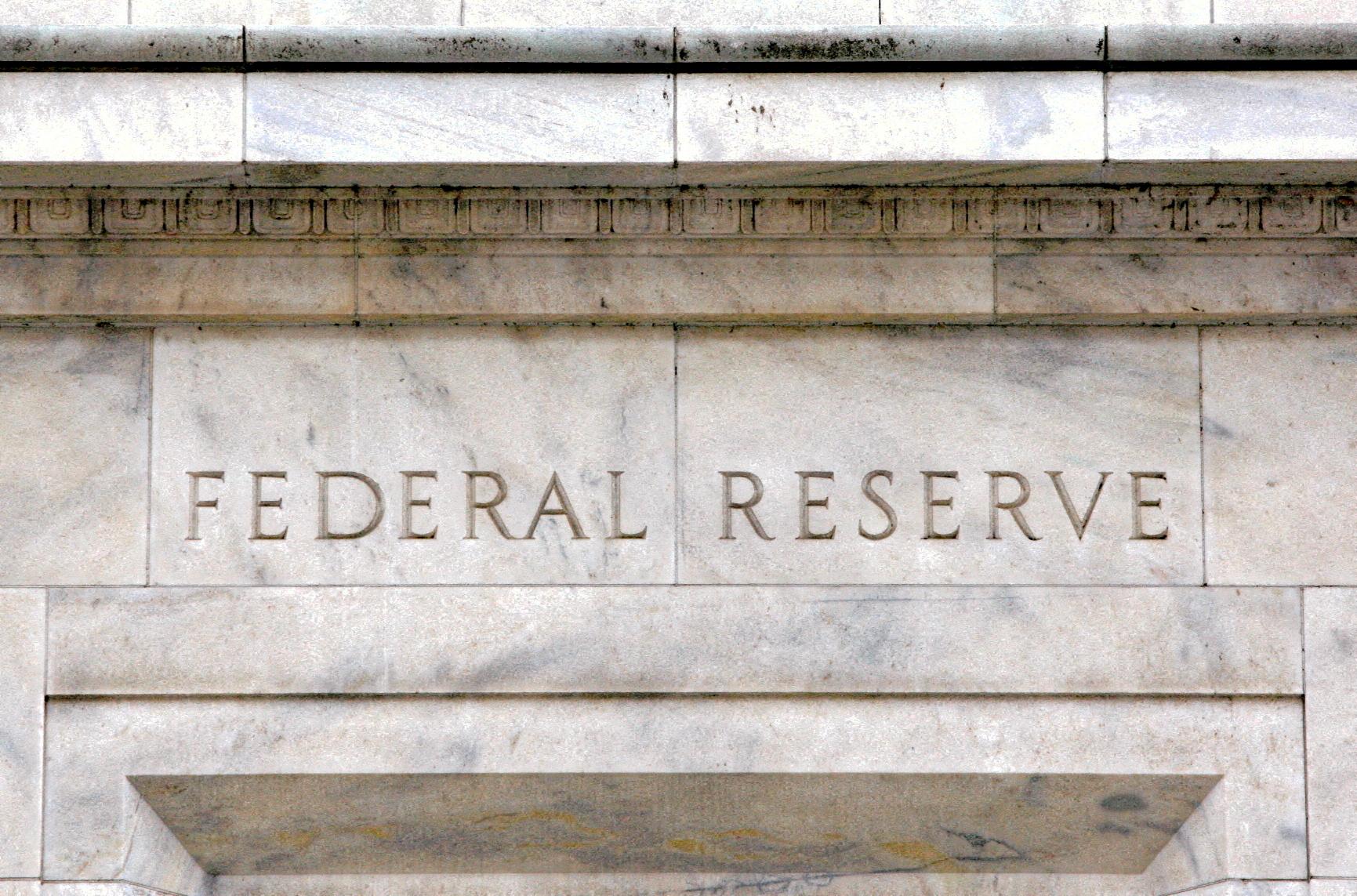
Oct 27 - Cooling inflation will likely keep the Federal Reserve on pause in coming months, traders bet on Friday, even as persistent underlying price pressures amid strong consumer spending kept some chance of a rate hike later this year in play. The personal consumption expenditures price index, which is the Fed's preferred inflation gauge, rose 3.4% in September from a year earlier, a Commerce Department's Bureau of Economic Analysis report showed on Friday, and the core PCE price index, which the Fed takes a signal for future price pressures, rose 3.7%. That's down from a 3.8% reading in August but well above the Fed's 2% inflation target. Consumer spending rose 0.7% in September from August, more than economists expected. Still, traders continue to price in no chance the Fed will lift its policy rate from the current 5.25%-5.5% range at next week's rate-setting meeting, and less than a 20% chance of an increase by the Fed's December meeting, based on futures contracts that settle to the U.S. central bank's target policy rate. "Overall, spending remains positive, and inflation is slowing, a welcome combination for policymakers," wrote analysts at High Frequency Economics. "We continue to expect a slower pace of growth going forward and a further easing in price pressures, which should keep the FOMC on the sidelines for the rest of 2023." Traders continue to expect a first Fed rate cut in June of next year, based on interest-rate futures pricing. https://www.reuters.com/markets/us/fed-seen-keeping-rates-hold-well-into-next-year-2023-10-27/
2023-06-19 01:10
The forex market presents a vast array of opportunities for traders to profit from currency fluctuations. However, success in forex trading is not solely dependent on luck or guesswork. It requires a well-defined trading strategy that takes into account various factors influencing the market. In this content piece, we will explore the key elements of developing a profitable forex trading strategy. 1. Understanding Market Analysis Techniques: Fundamental Analysis is a method used in forex trading to evaluate the intrinsic value of currencies by examining economic indicators, news events, and other fundamental factors that can influence their value. It involves analyzing factors such as GDP growth, interest rates, inflation, employment data, and geopolitical events to determine the strength or weakness of a currency. By understanding the underlying economic factors that drive currency movements, the fundamental analysis aims to identify long-term trends and make informed trading decisions based on the fundamental value of a currency. Technical Analysis is a method used in forex trading to forecast future price movements by analyzing historical market data, primarily through charts and indicators. It focuses on identifying patterns, trends, support and resistance levels, and other technical signals to make trading decisions. By studying past price behavior, the technical analysis aims to predict future price direction and timing, assisting traders in determining optimal entry and exit points for their trades. By combining both analyses, traders can gain a comprehensive perspective of the market, aligning fundamental insights with technical signals to enhance their trading decisions. This synergistic approach increases the likelihood of finding profitable entry points while managing risk effectively. 2. Setting Clear Trading Goals: Short-term trading goals in forex refer to objectives that are focused on taking advantage of immediate market fluctuations, typically within a short time frame, ranging from minutes to a few days. On the other hand, long-term trading goals involve a more extended time horizon, often spanning weeks, months, or even years. Long-term traders seek to identify and benefit from significant trends in the forex market, aiming for larger profits over time. Forex trading styles include day trading (short-term trades within a day), swing trading (holding trades for days to weeks), and position trading (long-term trades lasting weeks to years). When choosing a trading style, consider your goals, risk tolerance, available time commitment, and personality traits. Day trading requires more active involvement, making it suitable for those with ample time and dedication. Swing trading and position trading offer more flexibility, hence, they suit individuals with long-term goals and limited time availability By considering your objectives, time availability, and resources, you can choose a trading style that suits your needs, enabling you to trade effectively while managing your commitments successfully. 3.Risk Management and Money Management: Risk management is crucial in forex trading. Set stop-loss levels to limit losses and take-profit levels to secure profits. Determine these levels based on your risk tolerance and market analysis. Besides, money management techniques such as position sizing and risk-to-reward ratios are crucial for forex traders. Position sizing helps traders to allocate capital appropriately for each trade, safeguarding against significant losses. Risk-to-reward ratios assess the potential return compared to the risk involved, ensuring trades with favorable asymmetrical returns. By effectively managing risk and integrating these strategies into their trading approach, traders can maintain a disciplined and controlled approach, minimizing losses and maximizing gains for sustained success. 4. Psychological Factors and Emotional Control: Forex trading presents psychological challenges that can impact traders' decision-making and overall performance. Fear is a common challenge, as traders may be afraid of losses, leading to hesitancy or missed opportunities. Greed can push traders to take excessive risks or hold onto winning trades for too long, risking potential losses. Overtrading is another issue, driven by a desire for constant action, which can lead to impulsive and irrational trading decisions. Recognizing and managing these psychological challenges is essential for maintaining discipline, controlling emotions, and making rational trading choices in the dynamic forex market. To develop emotional control, discipline, and patience in forex trading, it is important to be self-aware of emotional triggers, adhere to a trading plan, practice effective risk management, cultivate patience for high-probability setups, take regular breaks, analyze past trades for improvement, incorporate mindfulness techniques, and seek support and education. These strategies help traders maintain a balanced mindset, make rational decisions, and manage emotions, leading to consistent trading success. In Conclusion Building a profitable forex trading strategy requires a holistic approach that encompasses market analysis, goal-setting, risk management, emotional control, and ongoing education. By understanding and implementing these key factors, traders can increase their chances of success in the dynamic and exciting world of forex trading. To be continued… Be sure to follow my blog to delve into each subtopic mentioned in this article, where I will provide detailed explanations and insights. By exploring fundamental analysis, technical analysis, trading styles, risk management, and more in separate posts, you can deepen your understanding of the forex market and enhance your knowledge and skills in forex trading. Stay tuned for upcoming blog posts, and let's continue the learning journey together! Follow me to learn more about the forex market: https://www.mtdesk.co/app/cube/pctay123/

2023-06-16 04:56
The foreign exchange market, commonly known as the forex market, is a decentralized global marketplace where currencies are bought, sold, and exchanged. With its immense liquidity, high trading volumes, and round-the-clock operations, the forex market offers significant opportunities for traders worldwide. In this article, we will explore the basics of the forex market, its key participants, and the structure that underpins its functioning. Basics of the Forex Market: The forex market involves the buying and selling of currencies. Currencies are traded in pairs, with the first currency known as the base currency and the second currency as the quote currency. The exchange rate represents the value of one currency relative to another. Major currency pairs, such as EUR/USD (Euro/US Dollar), GBP/USD (British Pound/US Dollar), and USD/JPY (US Dollar/Japanese Yen), dominate forex trading. Participants in the Forex Market: a. Banks and Financial Institutions: Central banks, commercial banks, and other financial institutions engage in forex trading to facilitate international trade, manage foreign exchange reserves, and provide liquidity to the market. b. Corporations: Multinational corporations participate in the forex market to manage currency risks arising from international operations and to facilitate cross-border transactions. c. Retail Traders: Individual traders, including retail traders, speculators, and investors, access the forex market through online trading platforms offered by brokers. Retail traders contribute significantly to the overall trading volume. d. Hedge Funds and Investment Firms: Hedge funds and investment firms engage in forex trading to capitalize on currency fluctuations, implementing various strategies to generate profits. e. Government and Central Banks: Government entities and central banks intervene in the forex market to stabilize their domestic currencies, manage exchange rate policies, and implement monetary policies. Market Structure: The forex market operates as an over-the-counter (OTC) market, meaning that trading takes place directly between participants without a centralized exchange. Instead, the market relies on an electronic network of global banks, financial institutions, and retail brokers. The market is accessible 24 hours a day, starting with the opening of the Asian session, followed by the European session, and concluding with the North American session. Market participants connect through interbank networks and electronic communication networks (ECNs), allowing for the instantaneous execution of trades. The forex market is highly liquid, meaning traders can buy or sell currencies with ease, as there is always a counterparty willing to take the other side of the trade. Conclusion: Understanding the basics, participants, and market structure of the forex market is crucial for anyone venturing into currency trading. The forex market's decentralized nature and continuous operation provide opportunities for traders around the world. Whether you are a retail trader seeking profit or a corporation managing currency risks, grasping the fundamentals of the forex market equips you with the knowledge needed to navigate its intricacies and make informed trading decisions. Follow me to learn more about the forex market: https://www.mtdesk.co/app/cube/pctay123/