2023-10-30 10:08
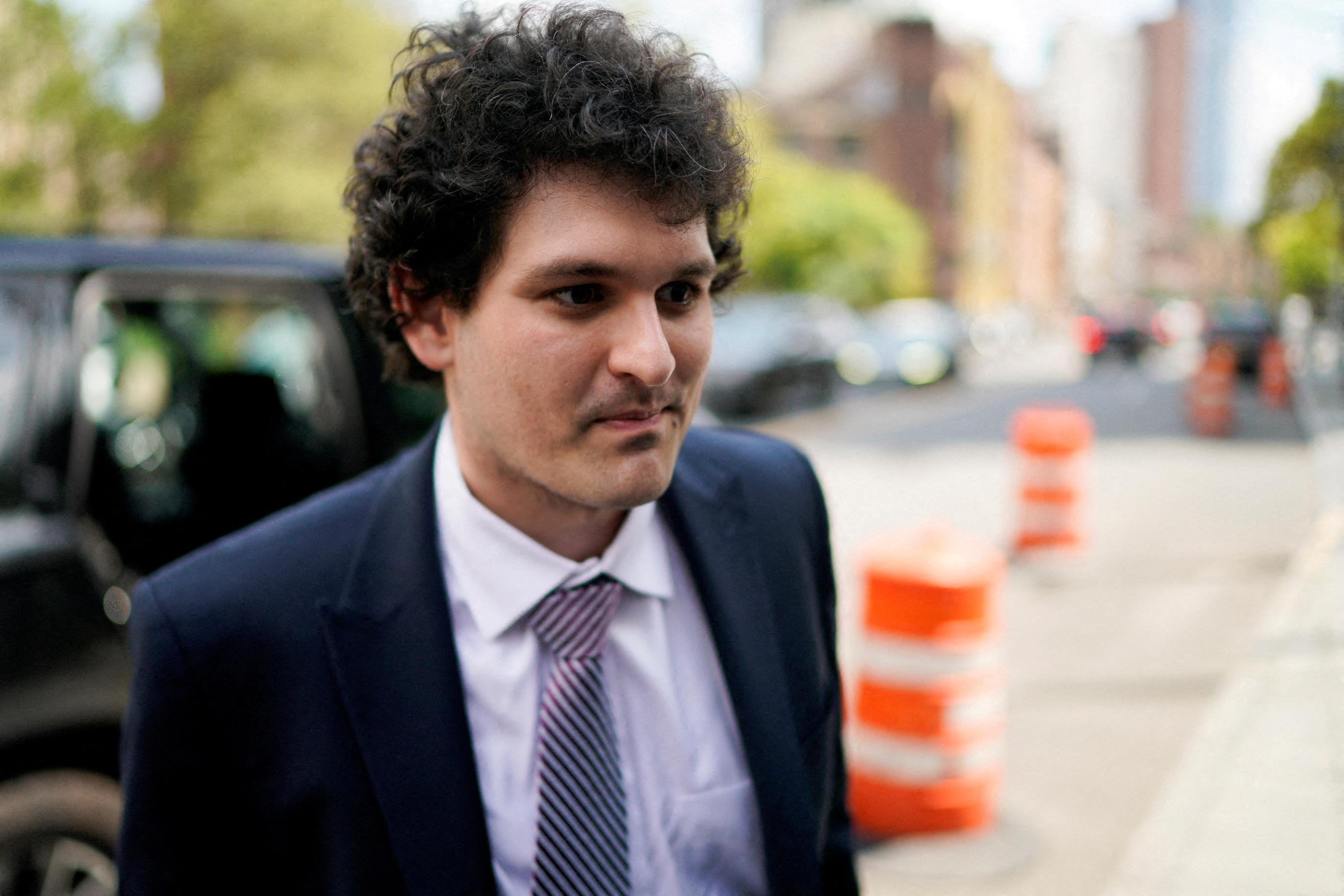
Oct 30 (Reuters) - FTX founder Sam Bankman-Fried is set on Monday to resume testifying at his fraud trial on charges related to the cryptocurrency exchange's collapse last year. He testified before the jury for the first time on Friday. Here are five key moments from Bankman-Fried's testimony so far. PEOPLE GOT 'HURT' Bankman-Fried testified that "a lot of people got hurt" in FTX's November 2022 collapse. He said he did not commit fraud, but admitted that he had made a big mistake by failing to put in place a dedicated risk-management team. HIGH-END HOUSING AND ENDORSEMENT DEALS Bankman-Fried testified that FTX corporate cash paid for high-end housing for employees in the Bahamas and endorsement deals. He said he borrowed from the crypto-focused Alameda Research hedge fund, which he owned, to donate to political causes and make venture investments. "I saw no reason that I couldn't," Bankman-Fried said of borrowing from Alameda. Prosecutors have sought to show that the funds ultimately came from FTX users. ALAMEDA COULD USE FTX CREDIT 'TO BUY MUFFINS' Bankman-Fried said FTX users, including Alameda, could borrow money as long their assets outweighed their liabilities. "We didn't care if a user withdrew funds and used them to buy muffins, to pay business expenses, to invest or anything else," Bankman-Fried testified. 'NERDY' COLLEGE LIFE Bankman-Fried sought to push back on what his lawyers have characterized as the prosecution's portrayal of him as a "cartoon" villain. He described playing "lots of board games" when he lived in an alcohol-free, "nerdy" fraternity house at the Massachusetts Institute of Technology, where he graduated with a physics degree in 2014. HAIRCUTS NOT A PRIORITY Bankman-Fried, who was known for his unkempt, curly locks before opting for a more clean-cut look at trial, said on Friday he had been too "busy and lazy" to get regular haircuts. https://www.reuters.com/legal/key-moments-sam-bankman-frieds-first-day-stand-2023-10-30/

2023-10-30 10:06
NEW YORK, Oct 30 (Reuters) - FTX founder Sam Bankman-Fried testified on Monday that he believed his Alameda Research hedge fund had enough assets to cover an $8 billion debt to the cryptocurrency exchange until days before both collapsed. Testifying in his own defense at his fraud trial, the 31-year-old former billionaire told jurors that he was concerned and surprised, but not alarmed, upon learning in October 2022 that Alameda had borrowed $8 billion from deposits that FTX customers sent to the exchange. "If it were far larger, I would have been calling a crisis," Bankman-Fried said from the witness stand in Manhattan federal court in response to questions from his defense lawyer, Mark Cohen. Prosecutors have said the Massachusetts Institute of Technology graduate looted billions of dollars in FTX customer funds to prop up Alameda, make speculative venture investments and contribute to U.S. political campaigns. If convicted, he could face decades in prison. Bankman-Fried has pleaded not guilty to two counts of fraud and five counts of conspiracy. He has acknowledged making mistakes that led to FTX's Nov. 11, 2022, bankruptcy, harming customers and employees. But he said he did not steal customers' money. On the witness stand in federal court in Manhattan, Bankman-Fried has sought to offer alternative explanations for what happened to the money. He has sought to emphasize that FTX was a "margin" exchange, where many customers, including Alameda borrowed money from other users to place bets. On cross-examination, prosecutor Danielle Sassoon asked Bankman-Fried about testimony earlier this month in which Caroline Ellison, Alameda's former chief executive officer and Bankman-Fried's on-and-off girlfriend, said the fund in June 2022 borrowed money from FTX customers to repay its lenders. Sassoon asked Bankman-Fried several times whether taking FTX funds to repay lenders was margin trading. "It's my testimony that it depends on the details but that it very well could be a margin trade," Bankman-Fried said, sighing. "I'm not saying that's what happened, and I'm not saying that's not margin trading." BANKMAN-FRIED SAYS HE 'TRUSTED' DEPUTIES Bankman-Fried said some of Alameda's debt to the exchange was the result of FTX customers depositing their money into an Alameda bank accounts - which was necessary because the exchange did not have its own bank accounts. Sassoon asked Bankman-Fried if he could identify FTX customers besides Alameda who received deposits on behalf of other customers. "Not with 100% confidence," Bankman-Fried said, while rocking slightly side to side. In his testimony, Bankman-Fried has portrayed himself as a hands-off CEO who frequently left operational details to others, part of an effort to discredit testimony from his former confidantes that he directed them to commit crimes. For example, FTX computer programmers Nishad Singh and Gary Wang - who have pleaded guilty and agreed to cooperate with prosecutors - testified that Bankman-Fried directed them to grant Alameda special trading privileges on FTX that prosecutors say allowed the fund to siphon off customer funds. Bankman-Fried testified on Friday that said he asked Wang and Singh to prevent Alameda from getting liquidated by mistake, but did not know their solution was to let Alameda run a negative balance. On Monday, prosecutor Sassoon challenged that assertion. "You did not learn the details for the code change that you directed?" Sassoon asked. "That's correct," Bankman-Fried said. "I trusted Gary and Nishad." https://www.reuters.com/legal/sam-bankman-fried-retake-witness-stand-face-cross-examination-fraud-trial-2023-10-30/
2023-10-30 10:00
NEW YORK, Oct 29 (Reuters) - The U.S. Treasury is likely to boost the size of auctions for bills, notes, and bonds in the fourth quarter when it announces its financing plans this week to fund a worsening budget deficit, analysts said. Investors are playing close attention to this week's quarterly refunding announcement as a sharp jump in long-term Treasury yields has been partly attributed to concerns about the U.S. fiscal deficit. Since the end of July, the 10-year yield has climbed more than 100 basis points. "The market has associated the rise in Treasury yields with deficit concerns and reflects worries about the sustainability of those deficits," said Guneet Dhingra, managing director and head of U.S. rates strategy at Morgan Stanley in New York. The budget deficit is increasing due to several factors, including higher federal government borrowing costs arising from the Federal Reserve's interest rate increases and quantitative tightening. Analysts at TD Securities expect the deficit to expand to $1.85 trillion in 2024 from $1.69 trillion this year and projects another $677 billion of bills that mature in a year or less coming to market and about $1.7 trillion in notes and bonds. So far this year, the Treasury has issued about $1.6 trillion of additional bills and roughly $1.04 trillion in longer-term debt. The spotlight will also be on Monday's announcement of borrowing estimates for the fourth quarter and the first quarter of 2024. It was the announcement on July 31 of $1.007 trillion in funding needs for the third quarter that spooked the bond market, leading to the sharp increase in auction volumes. The Treasury will release its quarterly borrowing requirements on Monday at 3 p.m. ET (1900 GMT) and its refunding news on Wednesday at 8:30 a.m. ET (1230 GMT). The Treasury is also likely to announce a buyback program for a possible launch in January, aimed at improving bond market liquidity, analysts said. The last time it conducted a regular buyback program was in the early 2000s, and it ended in April 2002. SKEWING SHORT-END The latest refunding could see the Treasury skew issuance to the shorter-term bills, while the increase at the long end could shrink due to concerns about the impact of additional supply on long-term yields, analysts said. That would be a divergence from the August refunding when the Treasury aggressively raised the auction sizes for notes and bonds, which have longer maturities, after largely relying on the sale of short-term bills to raise its cash holdings and finance its growing deficit amid the debt ceiling suspension in June. Morgan Stanley's Dhingra, who expects the Treasury to rely on T-bills to finance its budget needs, said such a move could push the percentage of T-bills as a share of outstanding U.S. debt to around 22%. That is slightly higher than the 15% to 20% range adopted by the Treasury. Tom Simons, U.S. economist at Jefferies in New York, said the current market environment should support a more elevated T-bill percentage for some time because of a still-healthy appetite for shorter-term investments. The projected increase in longer-term deficits in the coming years, however, will keep Treasury raising auction sizes, analysts said. "But the government doesn't want to lean too heavily on the longer end of the curve to finance the deficit," said Zachary Griffiths, senior investment grade strategist at CreditSights in Charlotte, North Carolina, adding that there was a need for a "balance-of-risk approach. https://www.reuters.com/markets/rates-bonds/us-treasury-seen-boosting-auction-sizes-budget-deficit-worsens-2023-10-29/
2023-10-30 09:24
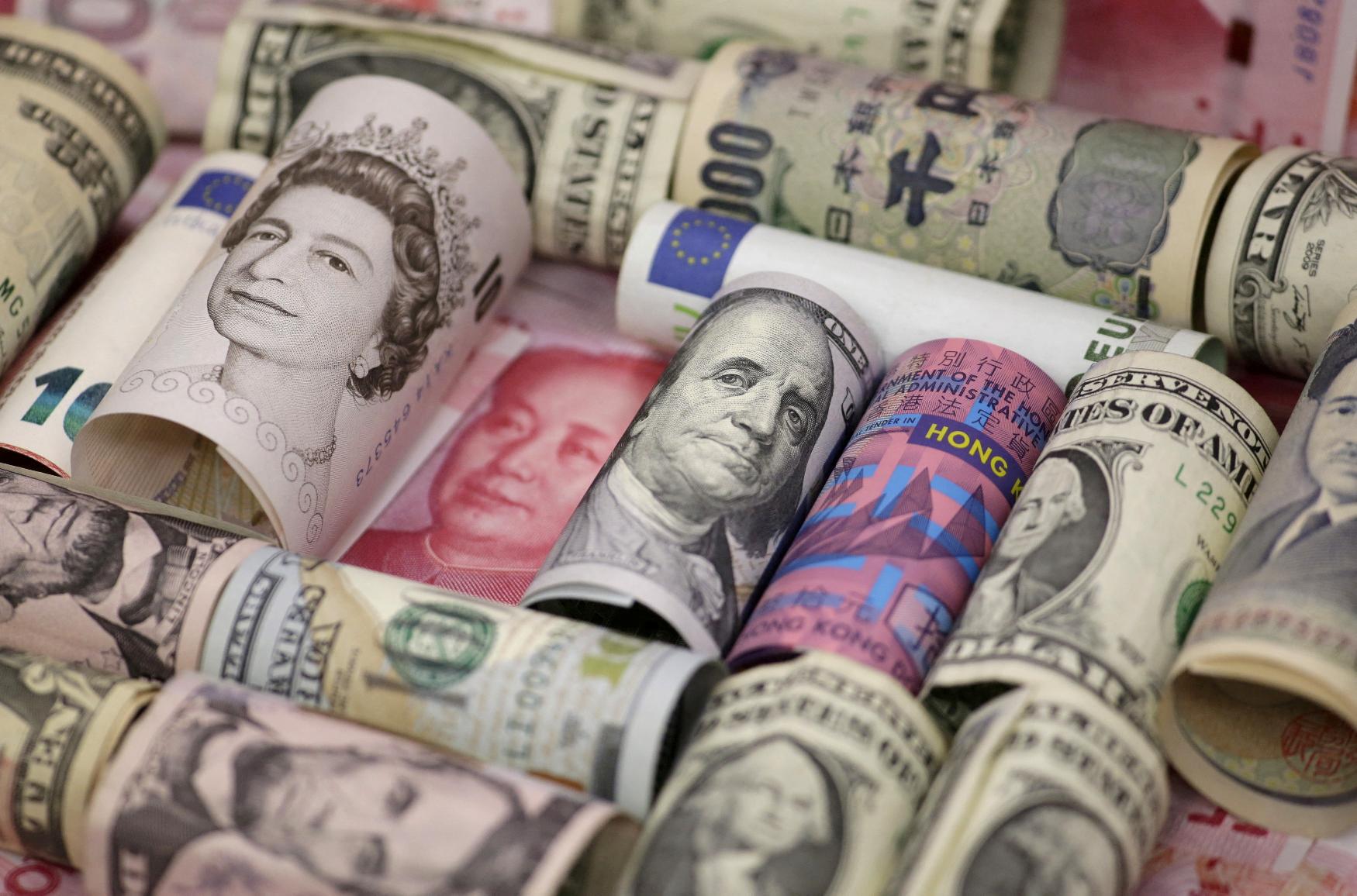
BOJ considers boosting cap on 10-year yield - Nikkei Focus on central bank meetings - BOJ, BOE, Fed U.S. refunding, nonfarm payrolls also a key focus this week NEW YORK, Oct 30 (Reuters) - The Japanese yen climbed to a two-week peak against the dollar on Monday after a report said the Bank of Japan is considering tweaking its yield curve control policy to allow the 10-year Japanese government bond yield to rise above 1% when it concludes its meeting on Tuesday. The Nikkei report pushed the yen to 148.81 per dollar, its strongest level since Oct. 17. The greenback, which has been on the defensive all day, was last down 0.4% at 149.065 yen . Surging global rates have heightened pressure on the BOJ, which kicked off its two-day monetary policy meeting on Monday, to change its bond yield control policy, in which it maintains a -0.1% short-term interest rate target and a 0% cap on the 10-year bond yield. "If the BOJ does not do anything tomorrow, which I think that's what economists expect, and just wait until December, I think the dollar jumps right back versus the yen," said Marc Chandler, chief market strategist at Bannockburn Global Forex in New York. But with Monday's action, Chandler thinks Japanese intervention seems unlikely, although he noted that in the last few weeks the BOJ has intervened in the bond market as an alternative. "The key to intervention is excessive volatility and the BOJ has been saying this: that it's not targeting a particular level. So that's taking the magic away from the 150 mark," he said. Aside from the BOJ, market participants are looking ahead to interest rate decisions from the U.S. Federal Reserve and the Bank of England (BoE). A slew of purchasing managers' surveys, euro zone inflation and GDP data, and U.S. nonfarm payrolls are also due for release this week. "If consumer data domestically hadn't been so strong last week, we'd probably be looking at a bigger slide for the dollar, but markets are still finding it quite difficult to discount the resilience of the U.S. economy," said Helen Given, FX trader at Monex USA in Washington. Analysts also pointed to the U.S. Treasury's quarterly refunding announcement on Wednesday that could move both the bond and currency markets. That comes as mounting deficits and a heavier interest rate burden have substantially increased the U.S. Treasury's funding needs. Since the last announcement in August, borrowing rates have spiraled to their highest since 2006-07. The dollar index was last down 0.4% at 106.11, after earlier falling to a one-week low of 106.06, hurt by a pickup in the euro . The euro was last up 0.5% at $1.0615. The U.S. Treasury on Monday announced borrowing estimates of $776 billion for the fourth quarter, lower than the $852 billion forecast announced on July 31, due to expectations of higher receipts. The greenback slightly extended losses after the announcement. Later this week, the Fed and BoE are both expected to keep rates steady so, barring any surprises, the focus will be on the message from policymakers. The pound was up 0.4% at $1.2164 . U.S. nonfarm payrolls data on Friday will also be important for expectations of the Fed's rate hike path. Wall Street economists are expecting new U.S. jobs of 188,000 for the month of October, according to a Reuters poll. ======================================================== Currency bid prices at 3:31PM (1931 GMT) https://www.reuters.com/markets/currencies/dollar-holds-near-150-yen-cbank-policy-data-deluge-awaited-2023-10-30/
2023-10-30 05:14
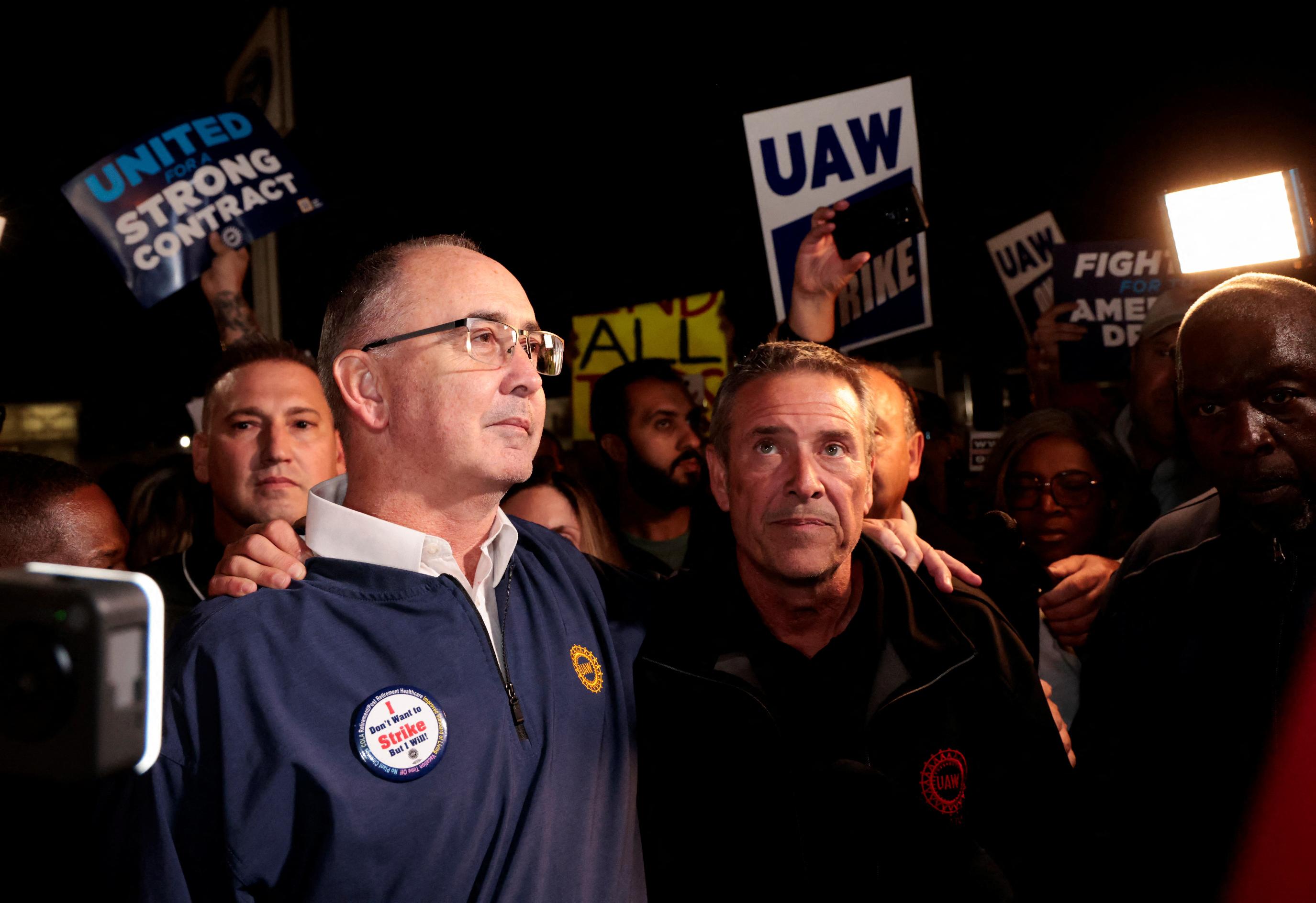
DETROIT, Oct 29 (Reuters) - United Auto Workers leaders approved a tentative deal on Sunday with Ford (F.N) that includes a pay hike of at least 30% for full-time workers and could more than double pay for others, in a victory for the union's fight to roll back 15 years of concessions. Bargaining continued at General Motors (GM.N) without any deal. UAW President Shawn Fain on Saturday ordered a walkout at GM's Spring Hill, Tennessee, engine and assembly plant. Fain and GM CEO Mary Barra were meeting on Sunday night, sources familiar with the process said. At Ford, the new deal includes $8.1 billion in manufacturing investments and could give workers up to $70,000 in extra pay over the 4-1/2-year life of the contract. Cost-saving provisions such as paying workers at component plants less than employees at vehicle assembly lines were swept away under the new contract. The deal also eliminates all lower wage tier plants, an issue Fain highlighted from the start of the bargaining process. Temporary workers will more than double their pay. Permanent workers could see top wage rates rise by more than 30% to $42.60 per hour by 2028, including estimated cost of living allowances. In return, Ford will get the opportunity to offer an unlimited number of $50,000 buyouts to older workers earning the top rate. Ford can now replace them with younger hires who will earn less than the top wage for three years. Earlier, it took new workers eight years to reach top wage. "It is a turning point in the class war that has been raging in this country for the past 40 years," Fain said on a video post on Sunday. He credited the rich contract to the union's strategy of escalating pressure on Ford with a series of targeted strikes over six weeks: "This contract demonstrates the incredible power workers have when they are not afraid to use it." The union did back off some of its early demands that included a 32-hour work week, restoring defined benefit pensions and a 40% pay rise over the life of the contract. Starting with smaller plants, the UAW had expanded the strike to Ford's profitable Kentucky heavy-duty pickup factory. The union did the same with GM and Chrysler-owner Stellantis (STLAM.MI), reaching a tentative agreement with the latter on Saturday. The UAW posted terms of its new contract deal with Ford after talks with local union leaders in Detroit on Sunday, before taking the deal to all union workers for ratification. TERMS OF DEAL Ford will add electric vehicles to existing assembly plants in Louisville and Ohio, according to the UAW summary of terms, investing $1.2 billion at the Louisville assembly plant and $2.1 billion to build electric vans in Ohio. The Ford investments include several new hybrid models, including gas-electric hybrid versions of Ford's largest SUVs, the Lincoln Navigator and Ford Expedition. Ford CEO Jim Farley has outlined plans to invest more in expanding the automaker's hybrid lineup, even as it scales back plans to expand capacity for fully electric models. The UAW won agreements covering new battery plants that could result in thousands of new UAW members at a planned battery plant in Marshall, Michigan, and the Tennessee Electric Vehicle Center, also known as Blue Oval City, that Ford is building in western Tennessee. Fain said that once unionized, workers at battery plants would earn the same wages as Ford assembly workers. The UAW-Ford contract offers some of the biggest gains for some of the lowest-paid production workers. Union leaders will now fan out to regional meetings to explain the deals to members, who will then vote on approving it. GM WALKOUT GM and Ford shares have fallen roughly a fifth since the beginning of the strike on Sept. 15. Stellantis shares are down just 1%. Sources have told Reuters that one key sticking point with GM was retiree pension costs. GM has many more retirees eligible for that increase than either Ford or Stellantis, because its workforce was far larger in the 1980s and 1990s. Fain on Saturday criticized GM's management's "unnecessary and irresponsible refusal to come to a fair agreement." GM said it was disappointed by the UAW decision to strike Spring Hill. The Spring Hill walkout could hobble GM's large pickup production as well as assembly of other popular GM vehicles. Ripple effects from an extended Spring Hill strike could boost the costs of the stalemate for GM well beyond the $400 million a week the company reported last week. https://www.reuters.com/business/autos-transportation/uaw-leaders-push-ahead-with-ford-contract-gm-talks-drag-2023-10-29/
2023-10-29 12:59
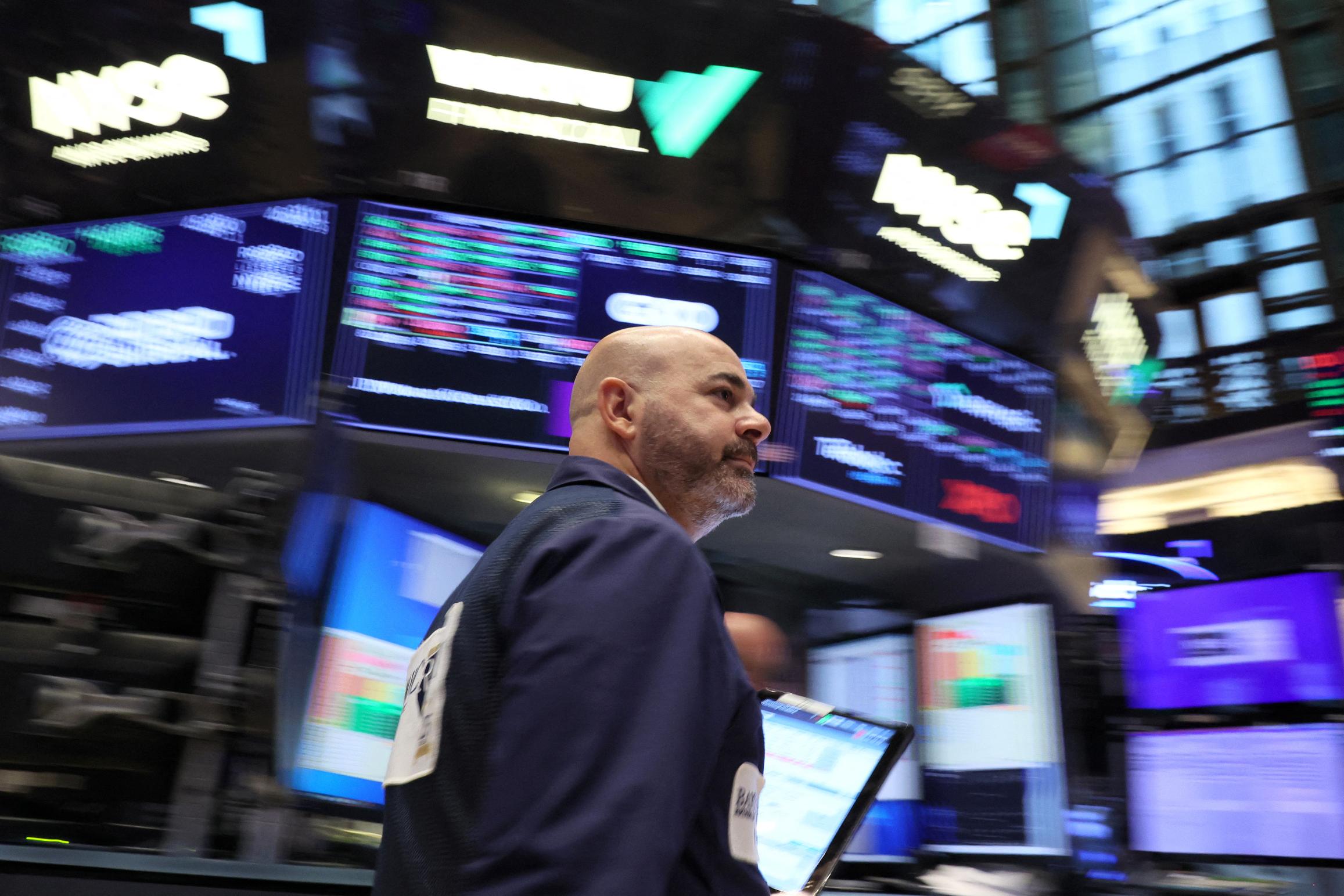
NEW YORK, Oct 27 (Reuters) - Financial markets are bracing for what could be a momentous week, with a Federal Reserve meeting, U.S. employment data and earnings from technology heavyweight Apple Inc (AAPL.O) possibly setting the course for stocks and bonds the rest of the year. October has lived up to its reputation for volatility, as a surge in Treasury yields and geopolitical uncertainty pressured stocks. The S&P 500 index (.SPX) is down 3.5% for the month, adding to losses that have left it over 10% off its late-July high. Whether the ride remains rough for the rest of 2023 may depend in large part on the bond market. The Fed's 'higher for longer' stance on interest rates and rising U.S. fiscal worries pushed the benchmark 10-year Treasury yield - which moves inversely to prices - to 5% earlier this month, the highest since 2007. Higher Treasury yields are seen as a headwind to stocks, in part because they compete with equities for buyers. Investors worry that yields could rise further if the Fed reinforces its hawkish message at the central bank's Nov. 1 monetary policy meeting. Strong U.S. employment data next Friday could also be a catalyst for yields to rise if it bolsters the case for keeping rates elevated to cool the economy and prevent inflation from rebounding. "Stocks will start to recover when the market believes that bond yields have peaked," said Sam Stovall, chief investment strategist at CFRA Research. Overall, futures markets are pricing in a near-certainty that the Fed does not raise rates in November, and a nearly 80% chance that the central bank holds rates steady in December, according to CME's FedWatch Tool. Still, policymakers have projected they will keep the key policy rate at current levels through most of 2024, longer than markets had previously anticipated. Investors are playing a "waiting game of how much does each economic data point need to increase to put another rate hike back on the table," said Alex McGrath, chief investment officer for NorthEnd Private Wealth. With U.S. Gross Domestic Product growth at a sizzling 4.9% in the third quarter, signs that the labor market remains too hot, or the Fed sees the need for further tightening to control inflation, could fuel further volatility. "It feels like we are at a crossroads whether or not the strong growth we've seen over the summer months will continue over the fourth quarter," and keep worries over inflation and restrictive monetary policy bubbling, said Charlie Ripley, senior investment strategist for Allianz Investment Management. Adding to the bond market's concerns, the Treasury is expected to announce its upcoming auction sizes later this week. Worries about a growing federal deficit and increased supply have helped push yields higher. Investors are also awaiting Apple's results on Thursday, during an earnings season with disappointments from some growth and technology giants, including Tesla and Google. The tech-heavy Nasdaq 100 index is down 11% from its high, though still up nearly 30% on the year. Some investors believe the worst of the selling may be over. A stock market rebound would follow seasonal trends, said Stovall, of CFRA Research. Since 1945, the S&P 500 has advanced by an average of 1.5% in November, making it the year's third-best performing month, he said. More broadly, some believe the stock market's trading patterns this year point to a rebound in the fourth quarter. In the 14 instances when the S&P 500 has gained at least 10% through July and then declined in August, as it did this year, the index has increased every time over the last four months of the year, according to Ned Davis Research. The average gain in those instances has been 10%. Stocks appear "oversold" according to technical indicators and could rally if economic data comes in as expected, said Randy Frederick, managing director of trading and derivatives for the Schwab Center for Financial Research. "The stock market is poised for a late Q4 rally." https://www.reuters.com/markets/us/wall-st-week-ahead-frazzled-us-stock-investors-eye-frothy-treasury-market-fed-2023-10-27/