2023-11-23 12:02
Rate decision due at 1400 GMT on Monday Inflation eased to 3.7% in Oct, still above 1-3% target Israel shekel up 8% vs dollar in Nov, could help lower inflation Governor Yaron to hold news conference after rates decision JERUSALEM, Nov 23 (Reuters) - Israel's central bank is expected to leave short-term interest rates unchanged next week for a fourth straight meeting to maintain financial stability and avert an uptick in inflation due to the war with Hamas, which has raised supply concerns. All 14 economists polled by Reuters projected the Bank of Israel would hold its benchmark rate (ILINR=ECI) at 4.75% - its highest level since late 2006 - when it announces its decision on Monday at 4 p.m. (1400 GMT). The central bank raised the rate 10 times in a row from 0.1% in April 2022 before pausing in July and again in August and October. "As the war is going on, they will not lower rates because they will be afraid of the inflationary pressure that can be driven by the war," said Ori Greenfeld, chief economist at the Psagot brokerage. "So they will keep it at 4.75% and will decide only after the war where are we going (with rates)." The subsequent policy meeting is set for Jan. 1, 2024 and economists believe that should inflation - now at 3.7% annually - show signs of abating, interest rates could start to decline at that time though much still depends on the impact of the war. While growth is set to slow due to a grim national mood and hundreds of thousands of Israelis called into military reserve duty, there is a severe shortage of foreign workers - Palestinians and Thais - in the construction and agriculture sector, and this could limit supply and lead to a spike in prices when demand returns, economists say. Israel launched its war in Gaza after gunmen from Hamas burst across the border fence, killing 1,200 people and seizing about 240 hostages, according to Israeli tallies. Since then, over 14,000 Gazans have been killed by Israeli bombardment, around 40% of them children, according to health authorities in the Hamas-ruled territory. A four-day temporary truce accord during which some Israeli hostages in Gaza would be freed was announced on Wednesday morning, but Israel said implementation of the deal would be delayed at least until Friday. When the war began, the already battered shekel had weakened another 6% in 2023 and raised central bank fears of higher inflation, spurring Governor Amir Yaron to suggest that the bank would likely hold off on rate cuts during the war to preserve market stability despite a hit to economic growth. He said measures taken by the central bank acted like monetary easing, such as working with lenders to allow those impacted by the conflict to defer or freeze loan repayments. So far in November, the shekel has reversed course - aided by a dive in the dollar - and has gained 8% versus the greenback to more than pre-war levels. As such, Morgan Stanley economist Georgi Deyanov gave a 40% chance of a rate cut of 25-50 basis points next week, but said he believed the central bank "will remain cautious in consideration of ongoing uncertainty about the future path of the conflict, despite the prospects of a temporary ceasefire". Yaron, who is slated to give a news conference on Monday at 4:15 p.m. (1415 GMT), this week accepted a second five-year term that removed an element of market uncertainty this year. https://www.reuters.com/markets/bank-israel-keep-rates-hold-again-war-continues-2023-11-23/

2023-11-23 11:38
Nov 23 (Reuters) - A fire has broken out at a huge underground oil storage facility in Vitebsk region, Belarus, the Belarusian Emergencies Ministry said on Thursday. The tank, which can hold 30,000 metric tons of oil, belongs to the Belarusian state-run company Gomeltransneft Druzhba. https://www.reuters.com/world/europe/fire-breaks-out-huge-underground-oil-storage-facility-belarus-authorities-2023-11-23/
2023-11-23 11:36
PARIS, Nov 23 (Reuters) - BNP Paribas (BNPP.PA), the euro zone's biggest bank, said on Thursday that it no longer provided financing to projects dedicated to the extraction of metallurgical coal. "This new commitment is part of BNP Paribas' efforts to align its credit portfolio in the steel sector with its 'Net Zero' commitment," the Paris-based lender said in a statement. The so-called net zero commitment refers to pledges to cut financed carbon emissions to zero by 2050. BNP listed targets earlier this year to cut carbon emissions financed across oil and gas, electricity generation, automotive, steel, aluminium and cement, it said. The lender notably vowed to cut its credit exposure to oil and gas by 80% and 30% respectively by 2030, as compared to September 2022. It also said in May it would no longer provide any financing dedicated to the development of new oil and gas fields. Advocacy groups have urged BNP Paribas to speed up its withdrawal from fossil fuel financing, with some even suing the French bank in February. "BNP Paribas recalls that since 2020 it has been committed to a path towards a complete exit from the financing of the entire value chain of companies linked to thermal coal by 2030 in Europe and in the OECD countries, and by 2040 in the rest of the world," the bank said. BNP's statement on Thursday coincided with the publication of a report by non-governmental organisation Reclaim Finance on "Metallurgical Coal Financing". According to the report, the world's biggest banks, including BNP, have provided $557 billion worth of financing to the 50 largest developers in the metallurgical coal sector since 2016. https://www.reuters.com/sustainability/bnp-paribas-shuts-out-mining-clients-tied-metallurgical-coal-2023-11-23/
2023-11-23 11:28
PARIS, Nov 23 (Reuters) - Paris will not be ready for the Olympics and Paralympics in terms of transport and sheltering the homeless, city mayor Anne Hidalgo has said. "There will be places where (public) transport will not be ready because there will not be enough trains and not frequently enough," Hidalgo told news show Quotidien in thinly veiled criticism of Paris region president Valerie Pecresse. The Ile de France (Paris region) Regional Council, led by right-winger Pecresse, is in charge of transports in the region. Hidalgo said the government was also, "a little bit" responsible for the situation, adding: "But we do this all together so I'm also concerned". Socialist Hidalgo said the RER (regional express train) station at Porte Maillot in western Paris would not be ready for the July 26-Aug 11 Games. However, Pecresse wrote on social media platform X, formerly Twitter: "We will be ready. It's a huge collective effort that shouldn't be denigrated by an absent mayor". Hidalgo added that the situation of the homeless in the capital was another major issue. "I don't want to take them out and hide them (during the Olympics). There should be a social legacy," Hidalgo said. "We want to set up housing where they could be as soon as this winter and we're dealing with it with the regional authorities and the state and we all agree that we have to move forward - but we are not ready." (This story has been refiled to remove an extraneous word in the headline) https://www.reuters.com/sports/transport-we-wont-be-ready-paris-mayor-says-ahead-2024-games-2023-11-23/
2023-11-23 11:27
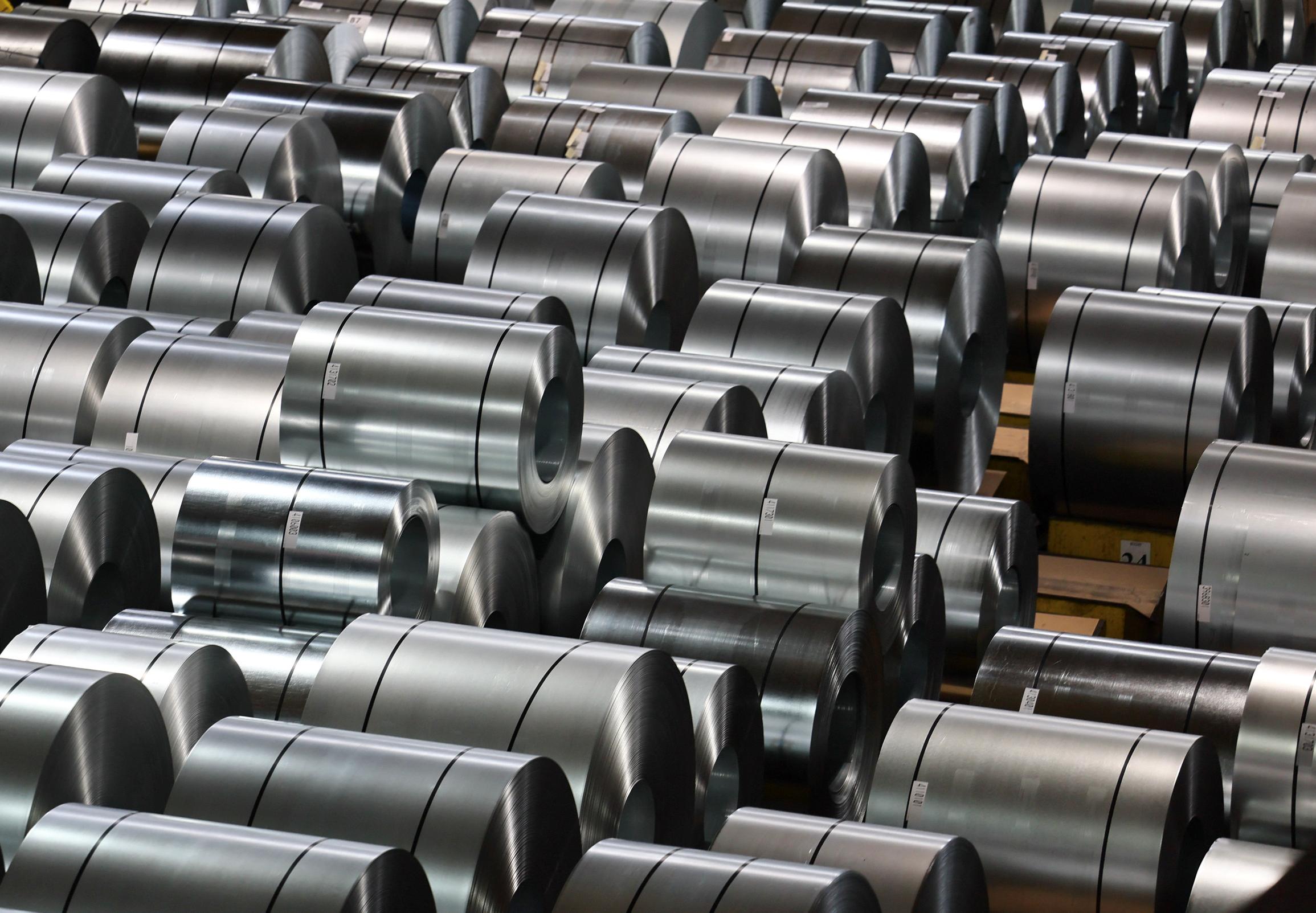
BERLIN, Nov 23 (Reuters) - German Finance Minister Christian Lindner will propose a supplementary budget for this year which includes the suspension of limits on new borrowing, as he tries to ease a budgetary crisis caused by a court ruling last week. The German government has in the last week scrambled to find a way to accommodate a constitutional court ruling which blocked the transfer of unused funds from the pandemic to green investment, blowing a 60 billion euro hole in its finances. The ruling has prompted warnings about growth in Europe's biggest economy and strained the uneasy three-way coalition between Social Democrat Chancellor Scholz, Lindner of the pro-business Free Democrats (FDP) and the Greens. "In consultation with the chancellor and the vice chancellor, I will present a supplementary budget for this year next week," Lindner told reporters on Thursday. "We will now put spending, especially for the power and gas price brakes, on a constitutionally secure footing," he said, adding this required a supplementary budget. A finance ministry spokesperson said the government would propose a lifting of the debt brake, which limits Germany's structural budget deficit to the equivalent of 0.35% of gross domestic product, by proposing to parliament an "emergency situation" for 2023. A majority of lawmakers must agree. The constitutionally-enshrined debt brake, introduced after the global financial crisis of 2008/09, was first suspended in 2020 to help the government support companies and health systems during the COVID-19 pandemic economic fallout. Hawkish Lindner had been reluctant to suspend the debt brake mechanism as his party strongly advocates fiscal discipline. Lindner said the priority was to get this year's budget on a legal footing before looking to the financial planning for next year. Talks for the 2024 budget have been delayed, meaning the government may not be able to pass it by the end of the year. Compounding the uncertainty, the government has imposed a freeze on future spending plans across ministries. If new spending commitments are not possible, this raises the risk of fiscal drag in the near-term, the scale of which is hard to gauge, according to a JP Morgan research note. "We can only talk about the year 2024 and subsequent years again, once we have a legally and constitutionally secure basis," said Lindner. DEFENCE FUND RINGFENCED Earlier, the defence ministry said a special 100 billion-euro fund for modernising the armed forces was safe. "In principle, the Bundeswehr special fund is exempt from the budget freeze," the ministry said in a statement, making clear that also applied to projects partially financed from regular defence spending in future. A manager for a major German defence company, speaking on condition of anonymity, said there was nevertheless a lack of clarity about next year's general defence budget, including long-running projects needing financing authorisation. Some 20 billion euros-worth of those authorisations could be at risk, he said, although the sector did not expect cuts given the government's commitment to defence. The constitutional court ruling has raised fears over the future competitiveness of German firms and the loss of jobs abroad. The crisis could hobble the wider European economy, said the Paris-based Organisation for Economic Cooperation and Development (OECD). "If there is less investment and spending in Germany over the next few years because there is less money available, this will inevitably have an impact on the EU economy," the head of the OECD's Germany desk Robert Grundke told Reuters. Germany's steel sector added its voice to the growing jitters, warning that the court ruling had put a question mark over more than 40 billion euros in planned investments. These comments highlight major uncertainty among Germany's industrial firms, which are already struggling with higher inflation and interest rates and are increasingly looking to more favourable markets such as the United States. https://www.reuters.com/markets/commodities/germany-looks-budget-fix-steel-firms-bemoan-loss-confidence-2023-11-23/
2023-11-23 11:13
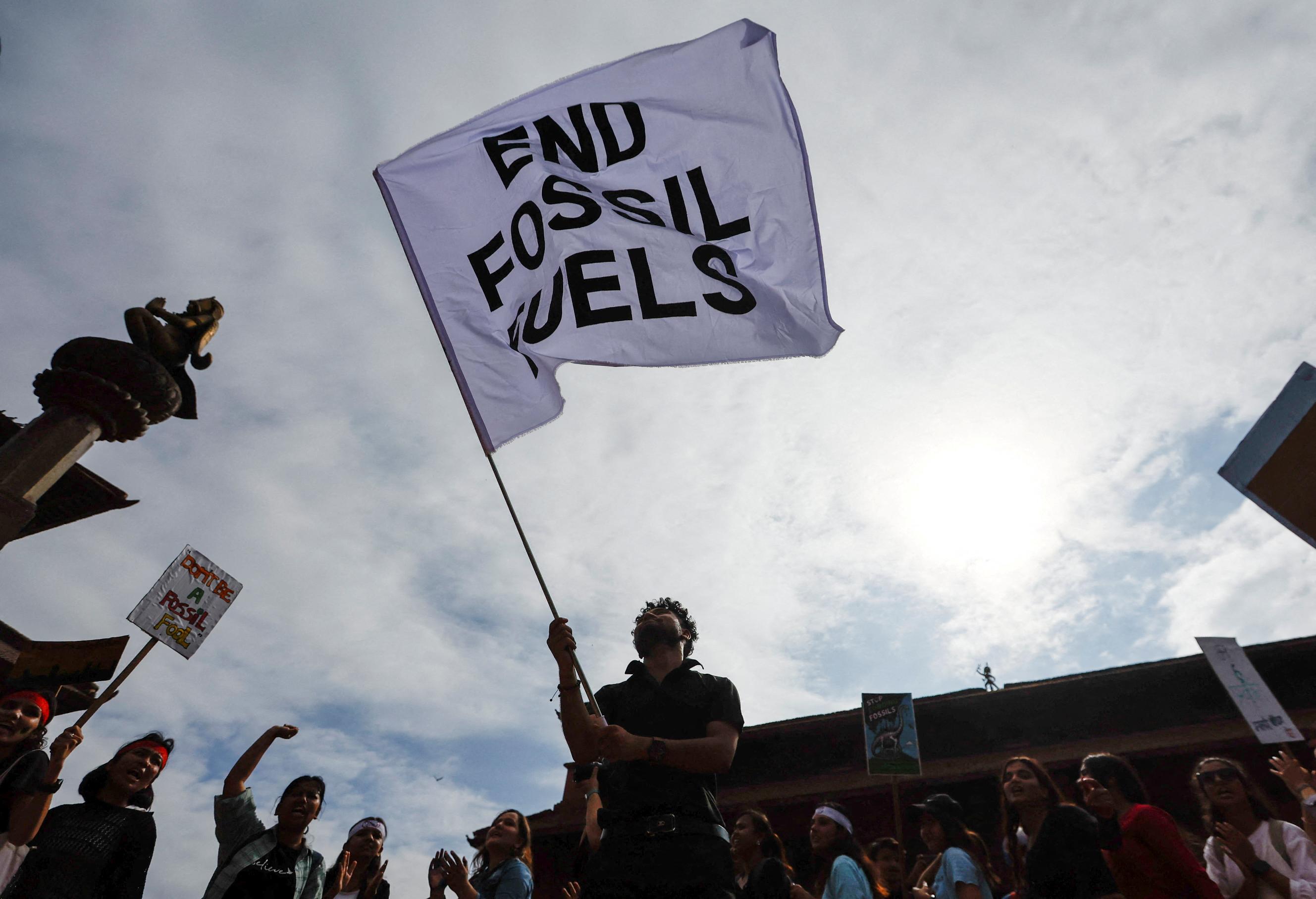
Nov 23 (Reuters) - World governments agreed at the COP26 climate summit in Glasgow two years ago to phase out "inefficient" fossil fuel subsidies to help fight global warming. Since then, however, global fossil fuel subsidies have risen $2 trillion to $7 trillion, according to the International Monetary Fund, as governments around the world moved to protect consumers from rising energy prices. At this year's climate gathering in Dubai, EU countries will be looking to harden the COP26 deal to phase out the subsidies by pushing for a deadline of 2030 to get it done, but it is unclear how much support the proposal will gain. EU governments were among those that have increased support for fossil fuels since Glasgow, mainly as a response to energy security concerns following Russia's invasion of Ukraine. Here are some examples of how fossil fuels are subsidised around the world. CHINA China's total fossil fuel subsidies were the highest in the world at $2.2 trillion in 2022, amounting to 12.5% of the country's total GDP, according to the IMF. The bulk of the subsidies are "implicit", a category which includes undercharging for environmental costs or forgoing tax revenues, the IMF said. Support offered to coal-fired power plants includes direct funding, preferential loans, and power purchase guarantees. China also unveiled a new scheme earlier this month that pays coal-fired power plants not for the electricity they supply, but for making capacity ready and available to the grid when needed – a measure also used by grid operators in the U.S. to keep such plants from retiring. A 2020 study by professors at Nanjing Audit University said China's coal subsidy policies effectively reduced China's coal prices by 4.2% and drove up output by 7.6%. China also regularly intervenes to keep consumer power and fuel prices low. For example, it subsidises its refiners when global oil prices rise above $130 a barrel so they can keep fuel prices affordable. UNITED STATES U.S. fossil fuel subsidies stretch across the U.S. tax code, which makes detailing their costs complex. The IMF estimates they stood at $760 billion in 2022, a figure topped only by China. One U.S. tax break called intangible drilling costs allows producers to deduct a majority of their costs from drilling new oil wells. The Joint Committee on Taxation, a nonpartisan panel of Congress, has estimated that eliminating it could generate $13 billion over a decade. Another, the percentage depletion tax break which allows independent producers to recover development costs of declining oil gas and coal reserves, could generate about $12.9 billion in revenue over 10 years, it has said. President Joe Biden, a Democrat, has proposed axing fossil fuel subsidies in his annual budget, largely a political document used in negotiations with Congress. But his efforts have gone nowhere amid only a thin Democratic majority in the Senate and as Republicans control the House of Representatives. RUSSIA The world's top seaborne exporter of diesel and third largest producer of oil spent $420 billion on fossil fuel subsidies last year, according to the IMF. These include payments to oil refineries to compensate them for selling fuel on the domestic market instead of exporting it for a higher prices. Russia's coal industry is supported by measures including preferential rail tariffs, direct budgetary transfers for coal exploration, and tax relief on some coal mining, according to think-tank ODI. INDIA Fossil fuel subsidies in India totaled $350 billion last year, according to the IMF. Coal dominates India's electricity production and the country is one of the world's top producers. Coal subsidies include exemption of customs duty on coal mining equipment, reduced haulage rates for long-distance rail, and low-interest loans for coal power plants, according to the International Institute for Sustainable Development. EU European governments more than doubled fossil fuel subsidies to $310 billion in 2022 in response to the energy crisis, IMF data showed. At least 230 temporary subsidy measures were taken by governments across the EU last year, according to a European Commission report, after Russia cut gas supplies to the region. This reversed the trend in place since 2018 of shrinking support. Most European governments plan to reduce their reliance on fossil fuels, with the clearest commitments in coal power and fossil fuel-based heating in buildings. MIDDLE EAST Oil and gas producers in the Middle East including Qatar and Saudi Arabia had some of the highest fossil fuel subsidies per person, IMF data showed. Historically, governments in the region have kept energy prices artificially low, in part to redistribute resource wealth among their populations. Qatar provides free electricity to its citizens, for instance. CANADA Earlier this year Canada unveiled plans for eliminating inefficient fossil fuel subsidies. Oil and gas projects could still receive support, however, if projects included plans for emissions reduction technologies such as carbon capture, and environmental groups criticized the plan for lacking details and leaving open certain loopholes. https://www.reuters.com/business/environment/global-fossil-fuel-subsidies-rise-despite-calls-phase-out-2023-11-23/