2023-11-23 11:08
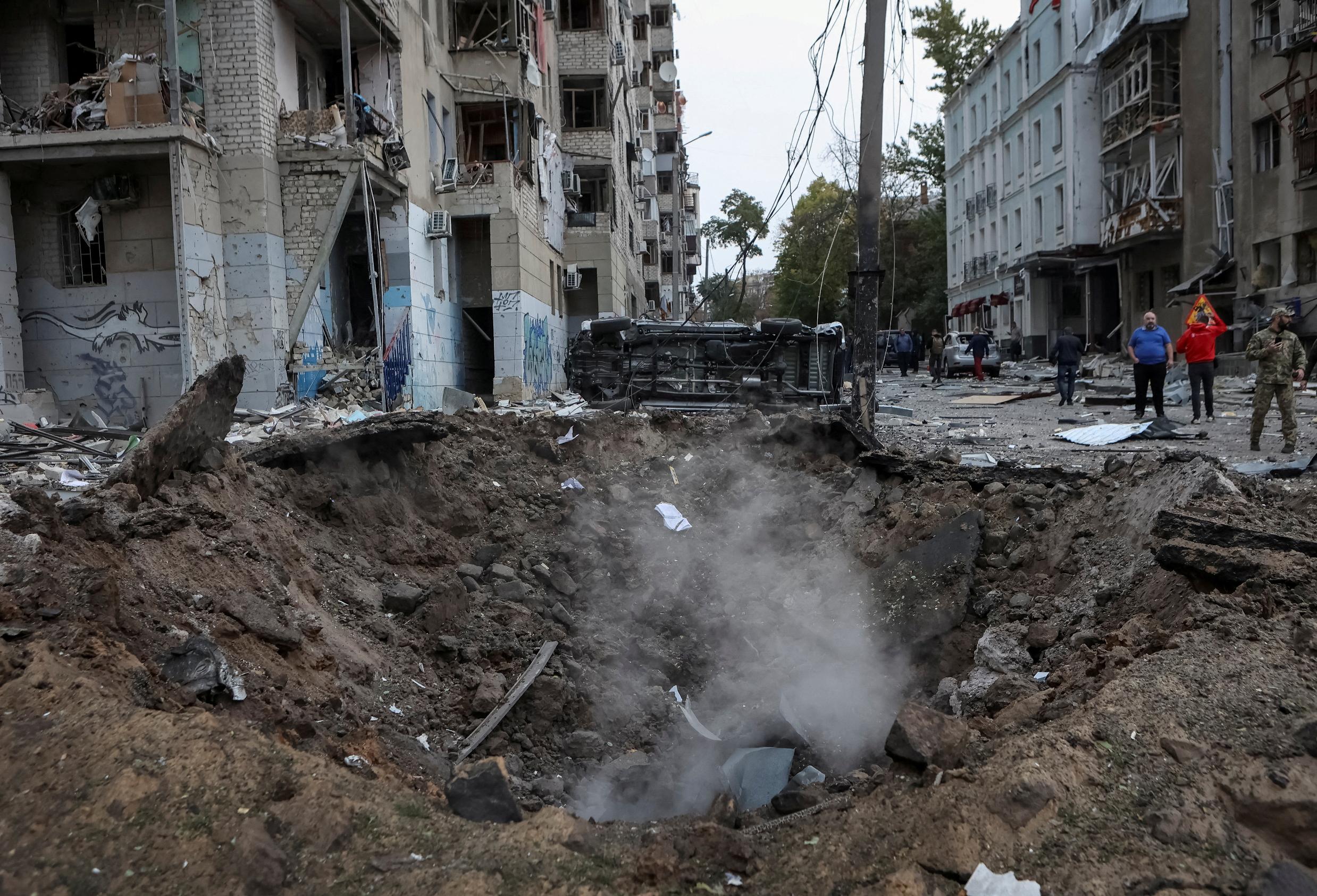
KYIV, Nov 23 (Reuters) - Ukraine's national seed bank, one of the world's largest, has been successfully moved from the frontline eastern city of Kharkiv to a safer location, Crop Trust, a non profit organisation said on Thursday. Last spring, a research facility near the seed bank was damaged. That raised concerns about the preservation of the collection, the 10th largest seed collection in the world. "As part of a year-long effort, the Ukrainian genebank system... has successfully and safely transported over 50,000 seeds from Kharkiv to a more secure location," Crop Trust, the body set up by the United Nations Food and Agriculture Organisation, said in a statement. It gave no new location of the collection. The genebank includes many endemic seed species, some of which, including wheat and rapeseed, are important for food security. Kharkiv is located just a few dozen kilometres from the border with Russia and the city is constantly bombarded by Russian missiles and attack drones. https://www.reuters.com/world/europe/ukraines-national-seed-bank-relocates-kharkiv-safer-place-2023-11-23/
2023-11-23 10:21
BRUSSELS, Nov 23 (Reuters) - Amazon (AMZN.O) is set to win unconditional EU antitrust approval for its $1.4 billion acquisition of robot vacuum maker iRobot (IRBT.O), three people familiar with the matter said on Thursday. Antitrust enforcers around the world have stepped up scrutiny of Big Tech acquiring smaller rivals, concerned about the accumulation of troves of data by a few companies and big players leveraging their dominance into new markets. The European Commission, which acts as the EU's competition watchdog, warned Amazon in July that the deal could reduce competition in robot vacuum cleaners and reinforce the U.S. company's dominant position as an online marketplace provider. The Commission, which is due to decide on the deal by Feb. 14, declined to comment. Amazon did not respond immediately to a request for comment. The deal announced in August would add iRobot's Roomba robot vacuum to U.S. online retail giant Amazon's portfolio of smart devices, includes the Alexa voice assistant, smart thermostats, security devices and wall-mounted smart displays. The UK antitrust agency cleared the deal unconditionally after a preliminary review. https://www.reuters.com/technology/eu-approve-amazons-irobot-deal-without-conditions-sources-2023-11-23/

2023-11-23 10:15
Policy rate on hold at 4.00% Riksbank said could hike again if inflation stubborn Market pricing shows rates have likely peaked STOCKHOLM, Nov 23 (Reuters) - Sweden's central bank kept its policy rate on hold at 4.00% on Thursday and said it was ready to hike again if inflation proved stubborn, though analysts now expect the hiking cycle to have peaked. The central bank has jacked up interest rates from zero in April 2022 in a series of hikes to fight a surge in inflation caused by the pandemic and the war in Ukraine. The Riksbank said that inflation, which peaked at over 10%, was now moving in the right direction, thanks to eight consecutive rate hikes, and that the economy and labour market were now slowing. However, inflation is still too high and the Riksbank said tighter policy could be needed if price pressures do continue to ease. "The Executive Board assesses that monetary policy needs to be contractionary and is prepared to raise the policy rate further if inflation prospects deteriorate," the Riksbank said in a statement. Few think this is likely. "We don't think another hike will come," Swedbank said in a note. The Swedish crown weakened sharply after the announcement. Analysts had been split ahead of the decision with 10 of 19 picking a hike and nine expecting no change. While the Riksbank forecasts rates will be at the current level - or higher - through next year and into 2025, many analysts expect the next move to be a cut. Sweden's economy is expected to shrink both this year and in 2024, while the effects of rate hikes to date have not been fully felt. Households and property firms are already struggling with debts. "We have pencilled in a first cut for May next year, which is much earlier than the Bank anticipates," Andrew Kenningham, Chief Europe Economist at Capital Economics, said. Markets are pricing in the chance of a cut from the middle of next year. The European Central Bank is expected to cut as early as spring next year and the U.S. Federal Reserve is likely to follow as similar path, as is the Bank of England. The Riksbank publishes its next rate decision on Feb. 1. https://www.reuters.com/markets/europe/swedish-cbank-keeps-policy-rate-hold-may-raise-next-year-2023-11-23/

2023-11-23 10:14
MUMBAI, Nov 23 (Reuters) - Broad losses in the dollar failed to aid the Indian rupee on Thursday as demand for the greenback from local corporates and large foreign banks weighed despite gains across most other Asian peers. The rupee ended at 83.3425 against the U.S. dollar, barely changed from its close at 83.32 in the previous session. Asian currencies were mostly higher, with the offshore Chinese yuan rising 0.3% to hover near its strongest level since July. The dollar index was last quoted lower at 103.61 after recovering mildly overnight in light of data which showed that jobless claims in the United States fell more than expected. The dollar index "can find some stabilisation around 104.00 into the weekend amid thinner trading volumes and a lack of market-moving data releases in the US," ING Bank said in a note. Markets in Japan and the U.S. are shut on Thursday on account of the Thanksgiving holiday. While the rupee had opened slightly higher at 83.2875, the strength largely faded within the first hour of the trading session. Alongside routine dollar demand from importers, large foreign banks were also bidding for dollars during the session, likely on behalf of custodian clients, a foreign exchange trader at a private bank said. IPO-related inflows and lower crude oil prices offered the rupee some support on Thursday. IPOs worth $900 million are lined up in the domestic market this week. Brent crude oil futures were lower in Asia after OPEC+ producers unexpectedly delayed a meeting on production cuts, raising questions about global crude supplies. The market is positioned in a way that the domestic currency can fall any time, and so the rupee strength is quickly utilised, making dips (on USD/INR) short-lived, said Sajal Gupta, head of forex and commodities at Nuvama Wealth Management's institutional desk. https://www.reuters.com/markets/currencies/rupee-ends-little-changed-strength-asian-peers-fails-aid-2023-11-23/
2023-11-23 10:09
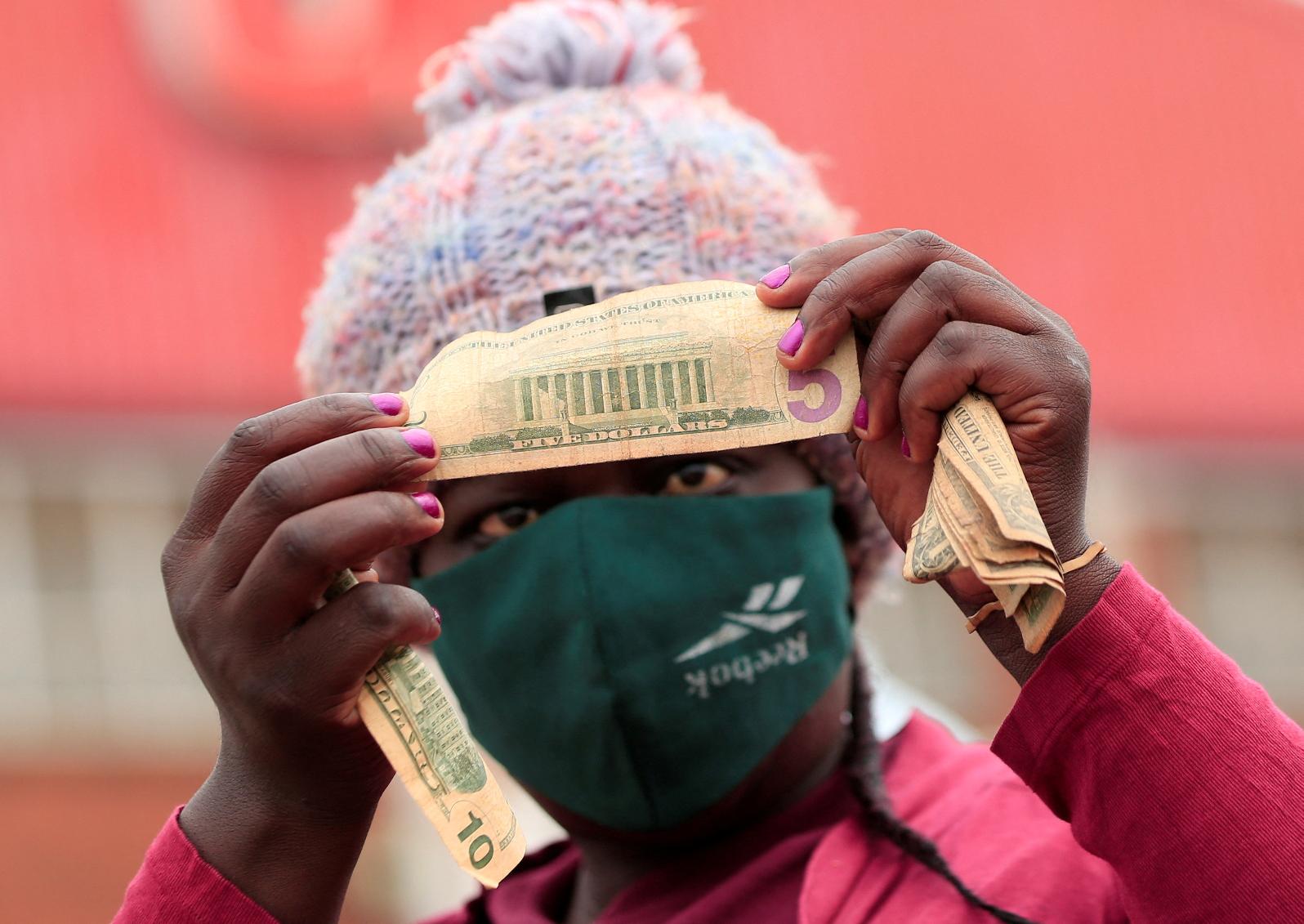
QUITO/HARARE/BUENOS AIRES, Nov 23 (Reuters) - From Zimbabwe's capital Harare to Quito in Ecuador, green bills circulating on the streets and in shops with images of U.S. presidents reflect a big choice that has been made: picking the dollar over the local currency to bring economic stability. The two countries offer a lesson - and warnings - for Argentina, the latest nation globally to toy with the idea of ditching an embattled local tender in favor of the greenback, a signature campaign pledge of President-elect Javier Milei. Dollarization or the part-way option of a peg to the dollar have generally been triggered as a last-ditch option to tame hyperinflation and loss of confidence in the local currency, as was the case in the 1990s with crisis-ridden Ecuador and in El Salvador in the aftermath of civil war. In Argentina, self-described anarcho-capitalist Milei, elected on Sunday into the country's top office, sees dollarization as a way to tamp down inflation heading towards 150%, which has pushed four-in-ten people into poverty. Zimbabwe abandoned its currency in 2009 to combat hyperinflation, opting for a multi-currency system centered on the U.S. dollar. The government reintroduced the local currency in 2019, but it rapidly lost value. Most transactions are currently in greenbacks. Zimbabwe's dollarization story is as full of warnings as it is with promise. Many people watched as their savings were erased when the dollar was adopted in 2009. "We just woke up and there was nothing in the account anymore," banker Bongiwe Mudau told Reuters. "This included my life assurance and medical aid. All was gone in just a day. Dollarization wiped out everything I had saved." The 47-year-old mother of three, said, however, that dollarization eventually brought stability in prices. From 2008, when prices were doubling almost every day - one of the largest hyperinflations ever recorded - prices fell 7.7% in 2009, according to the International Monetary Fund. "For the first time in years I could budget with a clear understanding that prices would not change. We had a semblance of order in the economy," Mudau said. Zimbabwe is planning to remain dollarized until 2030, creating stability on markets - and on the streets. Moses Mhlanga, 50, a Harare street hawker selling candy and snacks, said getting hold of dollars had been difficult for some informal workers, though was improving. "There was no source of U.S. dollars for some of us. We had to scrounge for it. It was difficult. Things are starting to change now because we are used to the currency and we can find it everywhere," said the father of five. However, there is a dearth of small bills - not uncommon in dollar-friendly economies, because small notes are expensive to transport. That means some loss of revenue. "This makes it difficult to transact, especially on the streets. We lose customers because there is no change," said Mhlanga. 'I REALLY MISS THAT TIME' Argentina itself imposed a 1-to-1 peso-dollar peg through most of the 1990s, with a currency board and convertibility. That rapidly brought down high inflation, but the experiment ultimately failed as economic imbalances made the peg untenable. As the economy slid, the government panicked and imposed what was known locally as a "corralito," preventing people from accessing savings or forcibly converting dollar deposits into pesos, sparking weeks of riots in 2001-02, political instability, and the country's worst economic crisis in recent history. That experience left Argentines wary of the peso and the local banking system. Savers stashed hundreds of billions of dollars outside the country or under the mattress. However, that bygone decade of low inflation is starting to look more attractive again as prices accelerate - a factor that helped drive Milei's win. "I come from an age in which I saw convertibility. To me, those were 10 years of economic peace which allowed us to plan, develop, work," said 57-year-old Buenos Aires resident Nestor Cerneaz. "You could save, and you could buy an apartment. I really miss that time." Milei has since his election played down his ability to quickly dollarize, citing a lack of foreign currency, high poverty rates and a deep fiscal deficit. He also has a weak position in Congress, a block to pushing through legislation. 'BEST SOLUTION FOR US' Yet it is perhaps Ecuador's experience of taming inflation that could serve as the best model for Argentina. During the five years before dollarization in 2000, the monthly measure of annualized inflation averaged 33% in Ecuador. After dollarization, it fell quickly. Monthly annualized inflation over the last 10 years averaged 1.54%. "It was the best solution for us at a time when Ecuador was economically in a bad place," said 72-year old retiree Wilson Andrade on the streets of Quito. "With our local currency we couldn't buy anything, it was very expensive to acquire things, so dollarization ... allowed people to have greater security in their purchases." There are, of course, drawbacks. Dollarization limits a country's ability to control its own monetary policy. Devaluation, which can be used to tame trade imbalances, is impossible under dollarization. With its economy five times the size of Ecuador and a reliance on soft commodities exports of soy, corn and wheat made more competitive by a weaker peso, the trick could prove harder to pull off in Argentina. But the dollar does offer much-needed stability. Juan Carlos Villota, a 37-year old mechanic, said a series of devaluations during the late 1990s triggered emigration and caused a lot of pain to Ecuadorean families. He backed dollarization as a way to tame economic volatility. "The truth is it has been a good process to have economic stability," he said. Not all Argentines are convinced. Out of 125 Argentine business people Reuters surveyed last month, just two backed full dollarization. Two-thirds supported a dual peso-dollar system. On the streets of Buenos Aires, 36-year old lawyer Guido Puig dislikes the loss of autonomy that would be brought on by adopting another country's currency. "We already had this experience here and it was harmful for us in an international context in the nineties," he said. "I think dollarization is not good." https://www.reuters.com/markets/currencies/quito-harare-advice-warnings-about-dollarization-argentina-2023-11-23/
2023-11-23 06:35
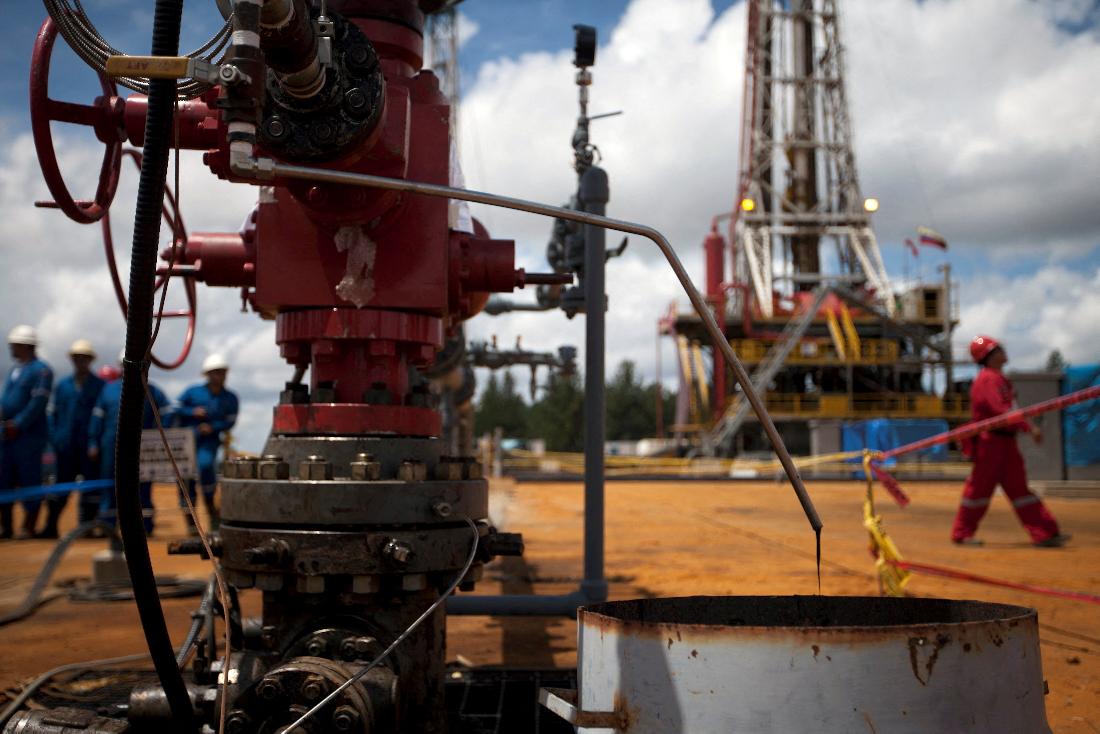
SINGAPORE, Nov 23 (Reuters) - The suspension of U.S. sanctions on Venezuelan oil has rattled its biggest customers, China's independent refiners, who are now holding off on making new purchases amid wide discrepancies in offer prices, trading sources say. The independent refiners have for years bought Venezuelan oil at steep discounts, but since Washington lifted sanctions in mid-October for six months, global energy firms and trading houses Vitol, Gunvor and Trafigura have gradually resumed purchases. Sellers and Chinese buyers are now struggling to agree on prices, two China-based sources said. China's purchases have also slowed amid low seasonal demand for asphalt - a key product made from Venezuela's heavy crude. "The market is in disarray," said a manager at a Chinese independent refinery, who, like other sources, declined to be named as he is not authorised to speak to the media. Independent refiners, known as teapots, account for a fifth of China's oil purchases, and more than half of its asphalt production. They have mainly relied on deeply discounted sanctioned oil from Venezuela - as well as Iran and Russia - as feedstock. Since the Venezuela sanctions were suspended, the discount range has become unpredictable, the sources said. Offers for Venezuelan cargoes arriving in China in early 2024 are coming in with discounts of $9 to $19 a barrel to ICE Brent, an unusually wide range. When it was sanctioned, Venezuelan crude traded at about $20 a barrel below ICE Brent on a delivered-ex-ship (DES) basis in China for October delivery, the sources added. WAITING FOR PETROCHINA The refiners are also waiting to see what state-owned PetroChina (601857.SS) will do. PetroChina is seeking to buy up to 8 million barrels per month of Venezuelan crude from PDVSA, Reuters reported early this month, but has yet to seal a deal, traders and company sources said. "Buyers are staying put despite expectations of higher prices and tighter supply, as they are waiting to see if and when PetroChina will come back to the market," the refinery manager said. PetroChina, PDVSA and the Venezuelan oil ministry did not immediately respond to requests for comment. Before the U.S. imposed sanctions in 2019, subsidiary PetroChina Fuel Oil Co was the key seller of Venezuelan oil to independent refiners. Independent refiners like Venezuelan heavy crude for its high yield of road-paving material asphalt at about 60%, versus around 45% for Iranian oil. Also, refiners can import the oil as diluted bitumen, without using precious crude import quotas, according to traders and analysts. However, China's diluted bitumen imports in October fell to 801,402 metric tons, the lowest since May, official data showed, and inventories are hovering near 2023's peak of about 1.54 million tons, according to data compiled by China-based energy consultancy Longzhong. China's demand for heavy crude could rebound before March, when construction resumes in warmer weather. Independent refiners may then be forced to switch to more costly heavier oil sourced locally or from Iran, Iraq or Canada if Venezuelan oil remained expensive, the traders said. Despite a slight increase in Venezuela's output, the OPEC producer's exports to China directly and through Malaysia have fallen about 9% to 435,000 barrels per day so far this year from a year-ago, according to shipping data and documents from Venezuela's state-oil producer PDVSA. https://www.reuters.com/markets/commodities/china-slows-venezuela-crude-buys-us-sanctions-lifting-triggers-disarray-2023-11-23/