2023-11-22 21:40
Nov 22 (Reuters) - Bitcoin rose 5.7 % to $37,802 at 2129 GMT on Wednesday, adding $2,044 to its previous close. Bitcoin, the world's biggest and best-known cryptocurrency, is up 42.5% from the year's low of $26,533 on Oct. 11. Ether , the coin linked to the ethereum blockchain network, rose 7.94 % to $2,087.9 on Wednesday, adding $153.6 to its previous close. https://www.reuters.com/technology/bitcoin-rises-57-37802-2023-11-22/

2023-11-22 21:34
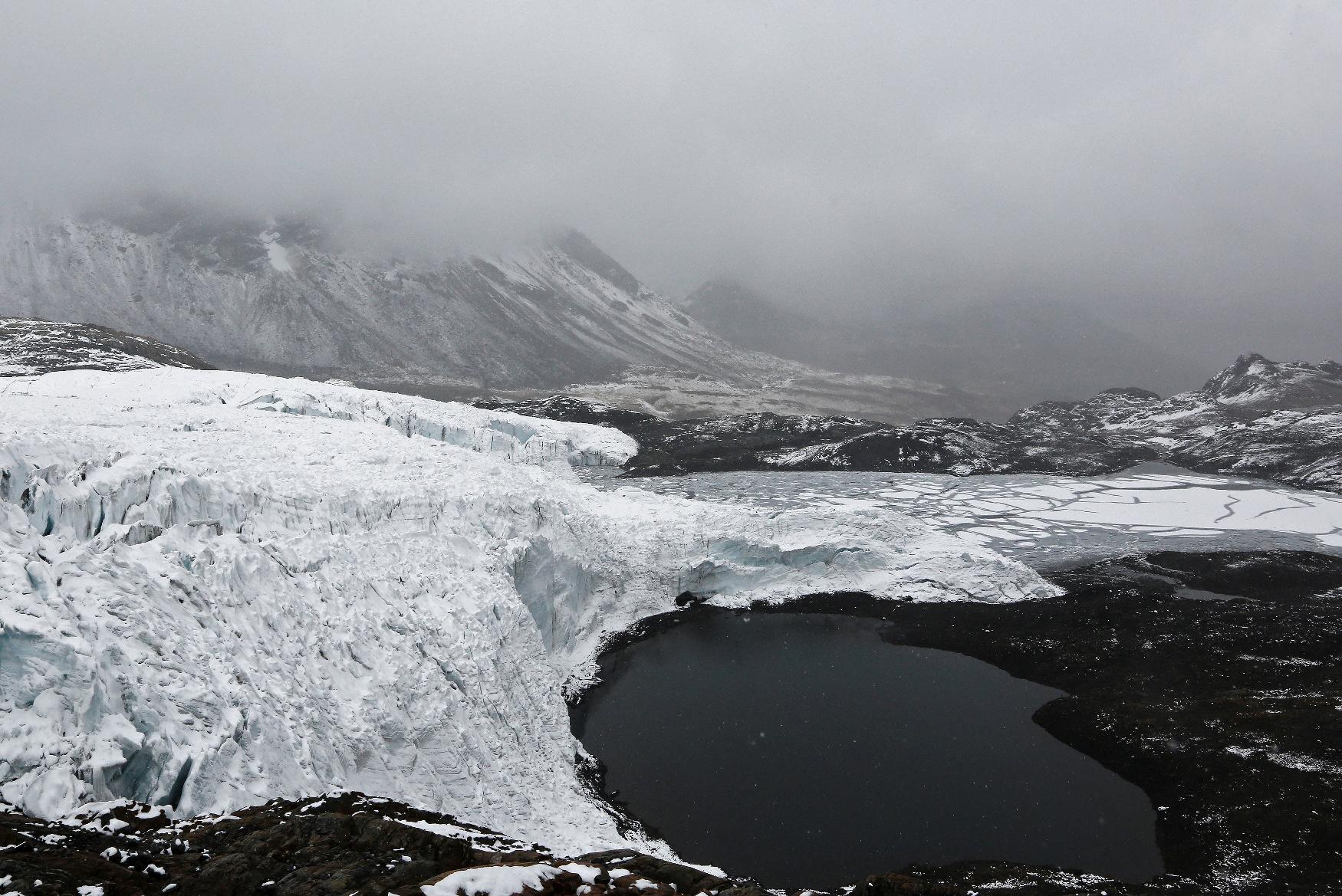
LIMA, Nov 22 (Reuters) - Peru has lost 56% of its tropical glaciers in the last six decades due to climate change, according to a new government inventory released on Wednesday. Peru holds 68% of the world's tropical glaciers and warming temperatures have led to melting and the creation of new mountain lagoons that risk overflowing and flooding, the National Institute of Research of Mountain Glaciers and Ecosystems said. The report uses satellite imagery until 2020 and shows that 2,084 glaciers are covering 1,050 square kilometers (405 square miles) in Peru, compared to the 2,399 square kilometers of ice and snow in 1962. "In four years, from 2016 to 2020 we have lost almost 6% of these high mountain glaciers," Beatriz Fuentealba, the institute's director, said from the Ancash region where many glaciers have disappeared. According to the inventory, 164 lagoons have been formed or are in the process of formation in the last four years, bringing the number of glacial lagoons up to 8,466, covering about 1,081 square kilometers. "The new lagoons could be, in the future, water reserves, but being at high altitudes they cause a danger of overflowing and flooding," said Jesus Gomez, director of research on glaciers at the Ministry of the Environment. Nearly all of Peru's tropical glaciers are above 6,000 meters (19,685 feet) above sea level while the new lagoons are at an altitude of between 4,000 and 5,000 meters, the report said. Almost 20 million Peruvians benefit directly or indirectly from the water that comes down from the glaciers, according to the report. "This means that we have lost more than half of our water reserves," said Environment Minister Albina Ruiz, noting that glacial retreat is impacting the natural mountain ecosystem. "Although we cannot prevent glaciers from disappearing over the years, we can reduce the speed at which they are being lost," she said, calling for less pollution, more green areas and "above all, recognizing that the mountain provides us with life." https://www.reuters.com/business/environment/peru-glaciers-decimated-by-climate-change-report-2023-11-22/
2023-11-22 20:59
Nov 22 (Reuters) - Investors pulled about $956 million from crypto exchange Binance over the past 24 hours, market data showed, after its chief, Changpeng Zhao, stepped down and faced prison time after pleading guilty on Tuesday to settle a years-long U.S. illicit finance probe. The deal, in which Binance will pay $4.3 billion to U.S. authorities, raises questions over the future of the world's largest crypto exchange and marks another blow for an industry beset by scandals. Zhao has been replaced by Richard Teng, a senior Binance executive who joined in 2021, the company said. It remained unclear on Wednesday how much jail time, if any, Zhao would ultimately serve, and how much influence he - as Binance's founder and major shareholder - could continue to exert on Binance under the terms of the settlement. Some analysts also noted that the deal was unlikely to end the exchange's U.S. legal woes, with Securities and Exchange Commission charges alleging Binance broke U.S. securities laws still unresolved. "Binance is not entirely out of the woods. The ongoing civil lawsuit with the SEC remains a concern for the exchange, which (is) likely to result in further fines," wrote Robert Le, a crypto analyst at data firm PitchBook. Data from crypto analytics platform Nansen, which does not include bitcoin flows, signaled some investors had been rattled by the news, pulling $956 million from the exchange. Still, the outflows were small relative to the more than $65 billion of assets that remain on Binance, Nansen said. As it strived for market dominance, Binance shunned key checks Zhao believed would turn customers off, authorities said. It failed to report more than 100,000 suspicious transactions, including with organizations the U.S. described as terrorist groups such as Palestinian militant group Hamas, and never reported transactions with websites dedicated to selling child sexual abuse materials. Binance did not immediately respond to a request for comment, but said on Tuesday it had worked hard to make Binance "safer and even more secure." Lawyers for Zhao did not respond to requests for comment on Wednesday. On Tuesday, he conceded "I made mistakes, and I must take responsibility." PRISON TIME While authorities have probed Zhao and Binance since at least 2018, Zhao's exit marks a dramatic development for one of the most powerful figures in the crypto industry. Zhao, who resides in the United Arab Emirates (UAE), entered his plea in a Seattle court on Tuesday. He faces a maximum prison sentence of 18 months under federal guidelines and has agreed not to appeal any sentence up to that length. Prosecutors will take a position on how much jail time to seek closer to Zhao's Feb. 23 sentencing hearing in Seattle, a Justice Department spokesperson said on Wednesday. "But we do reserve the right to seek a sentence above the guidelines." Zhao paid a $175 million bail bond, with another $15 million held in a trust account, a court filing showed. He has agreed to return to the United States 14 days before sentencing. Reuters could not immediately ascertain his whereabouts on Wednesday. At Tuesday's hearing, Zhao's lawyers said he would remain in the Seattle area through Monday evening, and would be able to then return to the UAE, provided the district judge did not object to his agreement with the government, another DOJ spokesperson said. Later on Wednesday, federal prosecutors urged a federal judge to block Zhao from leaving the continental United States prior to his February sentencing, saying in a court filing that Zhao posed a serious flight risk despite his bail conditions. "There is no combination of conditions sufficient to protect against the risk of flight and ensure Zhao's return" for sentencing, the prosecutors said. Some legal experts said they did not expect Zhao to spend more than a year in prison, maybe less, citing Arthur Hayes, former chief of crypto exchange BitMEX, who likewise pleaded guilty to anti-money laundering violations. Hayes was ultimately sentenced to six months of house arrest in 2022, even though the government sought prison time. Other senior BitMEX executives charged did not serve time. However, FTX founder Sam Bankman-Fried could spend decades in prison after being found guilty this month of defrauding customers of his now-bankrupt crypto exchange. Based on the alleged facts, prosecutors likely could have charged Zhao with more serious crimes carrying heavier sentences, but had to weigh that against the probability that he would have stayed abroad to avoid capture, legal experts said. "To get the CEO to plead guilty should not be scoffed at," said Daniel Silva, a partner at law firm Buchalter and former federal prosecutor. The settlement also bars Zhao from "any present or future involvement in operating or managing" Binance, which he founded in 2017 and has maintained a tight grip on since. He remains a major shareholder and said on Tuesday he will be "available to the team to consult as needed, consistent" with the deal. "This could give him a hook on which to exercise control – through the usual corporate governance channels (e.g., shareholder voting," Yesha Yadav, a law professor at Vanderbilt University, wrote in an email to Reuters. "At the same time, I imagine that the Binance will be looking to be very careful." https://www.reuters.com/technology/crypto-exchange-binance-sees-outflows-956-mln-last-24-hours-nansen-2023-11-22/

2023-11-22 20:47
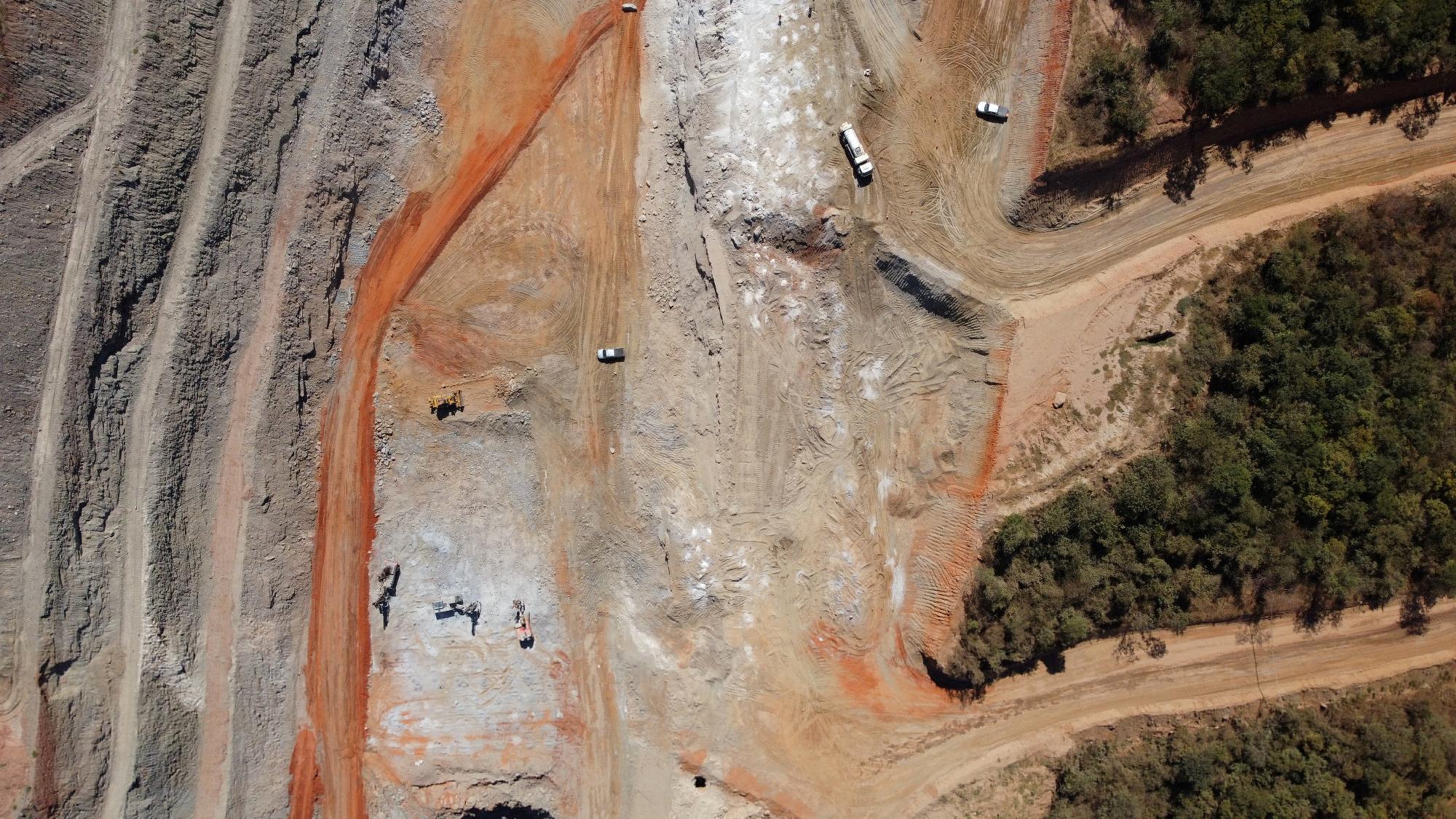
RIO DE JANEIRO, Nov 22 (Reuters) - (This Nov. 22 story has been corrected to reflect the consequences for executives trading during blackout periods, not insider trading, in paragraph 13) The former co-CEO of Sigma Lithium (SGML.V), a leader in Brazil's budding lithium sector, was fired earlier this year for trading its shares during a quarterly earnings blackout period, according to legal correspondence in a civil lawsuit, trading data and two people familiar with the matter. Vancouver-based Sigma Lithium, which did not reply to questions about the dismissal, gave no reason to investors when announcing the exit of Calvyn Gardner, who was co-CEO with his wife Ana Cabral-Gardner until January 2023. Gardner's ouster touched off a series of lawsuits in Brazil and the United States, along with a broader management shakeup, revealing boardroom turmoil at the lithium miner as it tries to sell itself to car firms and big battery industry players. Gardner and Cabral-Gardner, who are getting divorced, did not respond to requests for comment. Previously unreported legal correspondence show the company told Gardner's lawyers in a July letter that he was dismissed over share sales in January. His lawyers acknowledged those trades in a letter to Sigma in August, but said he had been unaware of the firm's restrictions on what they described as "routine" trading. Public data from Canada's System for Electronic Disclosure by Insiders (SEDI) shows that Gardner sold 500,000 shares for about $13.3 million between Jan. 11 and 12, ahead of Sigma's planned annual report. It is not a crime to trade during a blackout period, two legal experts told Reuters, but any trades based on material nonpublic information would be considered a violation under North American securities law. The company said in its July 31 letter to Gardner's lawyers that he "possessed and may have used" privileged information "relating to the company's ongoing M&A process" in the trades. In their Aug. 4 reply, his lawyers denied he had traded using any non-public material information. Sigma, which is listed in Toronto and New York, did not respond to questions about its restrictions on insider trading. The Canadian Securities Administrators did not reply to a request for comment on whether Gardner's trades could be a securities violation and whether they were under investigation. A U.S. Securities and Exchange Commission spokesperson declined to comment. Blackout periods for trading by insiders are a common corporate restriction ahead of quarterly results, when executives and board members are most likely to have nonpublic information that could affect share prices. Stephen Cohen, head of the regulatory practice at Sidley Austin LLP, said corporate discipline can vary for executives trading during blackout periods. Minor violations can lead to a warning, while trading with material nonpublic information is often a fireable offense, he said. Gardner's lawyers accused Sigma in the correspondence of acting disproportionately and in "bad faith" when it fired him. They cited the fact that another Sigma insider, Vicente Lobo Cruz, traded during a blackout period and went unpunished. Cruz, who is co-chair of the Sigma board's technical committee, sold 184,190 shares on Aug. 5, 2022, two weeks ahead of Sigma's quarterly results, according to SEDI data. Cruz did not reply to a request for comment. Reuters could not determine if Cruz was investigated or punished by Sigma. Two people with knowledge of the situation said tension had been mounting last year between the co-CEOs, and Cabral-Gardner seized on her husband's trading as justification to convince Sigma's board members to fire Gardner. After leaving Sigma, Gardner filed at least four lawsuits against his wife in Brazilian courts seeking to revert her decisions involving their shared assets. One of them included his lawyers' correspondence with Sigma about his dismissal over the January trading. In August, Sigma sued Gardner in New York, for allegedly misappropriating documents from the firm. Gardner has not commented on the case. https://www.reuters.com/markets/commodities/sigma-lithiums-former-co-ceo-fired-trading-blackout-period-2023-11-22/
2023-11-22 20:45
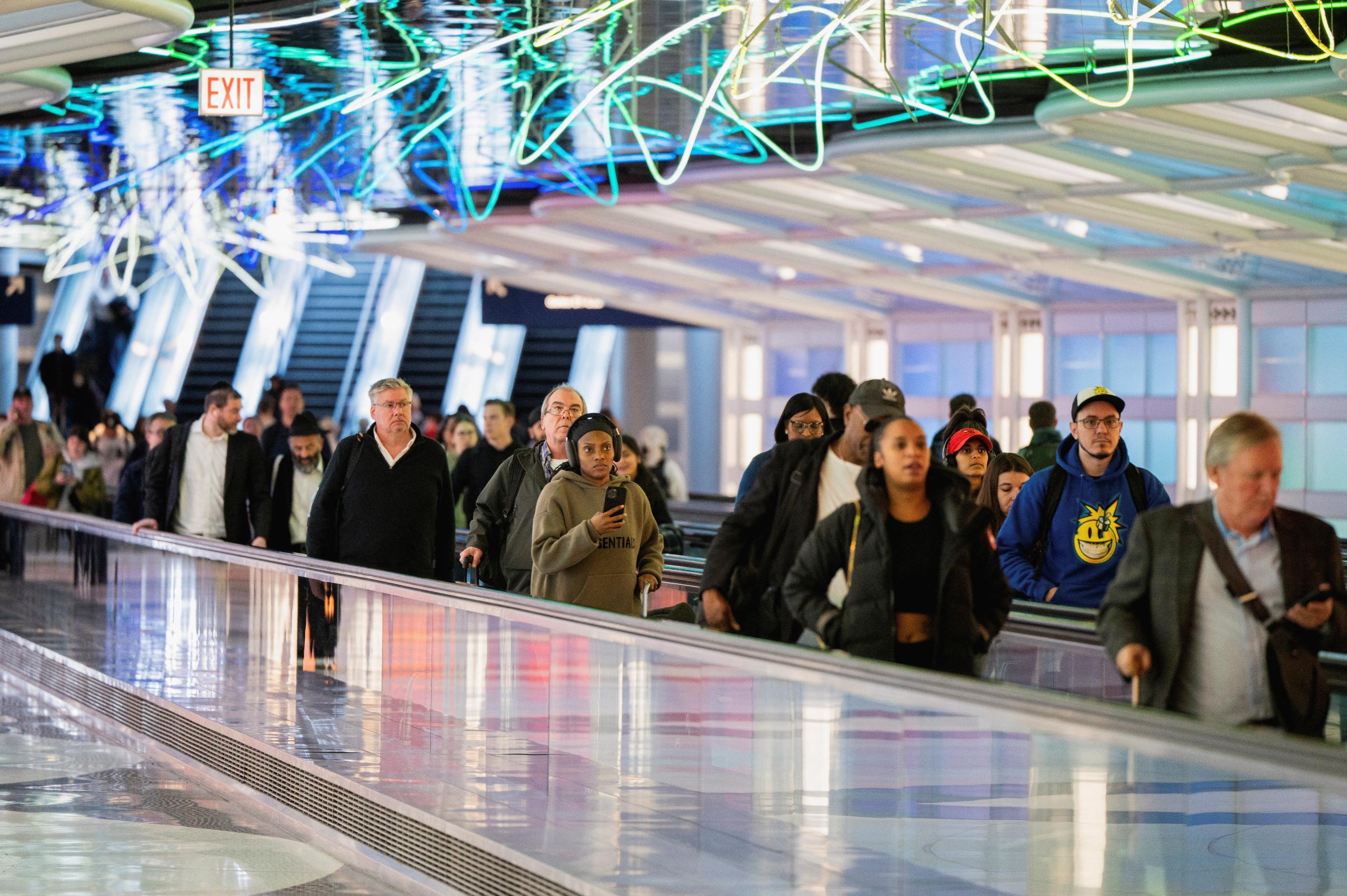
Nov 22 (Reuters) - Millions of Americans crowded into airports or hit the road on Wednesday ahead of Thanksgiving Day, creating the busiest travel day since the pandemic virtually shut down the tradition of visiting friends and family over the long holiday weekend. A sprawling storm that brought downpours and gusting winds to much of the eastern U.S. on Tuesday was moving offshore on Wednesday, according to the National Weather Service, easing fears of significant flight delays. Between Nov. 17 and Nov. 27, U.S. airlines will carry a record high 29.9 million passengers, according to Airlines for America, an industry forecaster, or 9% more than a year earlier and up 1.7 million passengers from the levels seen before the COVID-19 pandemic. On Tuesday, 2.6 million passengers were screened at airport security checkpoints, the highest ever for a Tuesday before Thanksgiving, according to the U.S. Transportation Security Administration. Wednesday was expected to be even busier. As of midday on Wednesday, the major U.S. airlines had few flight cancellations, boding well for the rest of the day, said Mike Arnot, a spokesperson for aviation analytics company Cirium. On Wednesday afternoon, a vehicle exploded at the Rainbow Bridge connecting the United States and Canada at Niagara Falls, prompting authorities to shut down all four crossings between western New York and Ontario. Buffalo Niagara International Airport was closed to international flights, and domestic travelers were subject to enhanced screening, airport officials said, including security checks of all vehicles entering the airport. TRAVEL REBOUND On the highways, the American Automobile Association expects55.4 million travelers to head 50 miles (80 km) or more away from home from Wednesday to Sunday, up 2.3% over last year. That is the third highest since the motorists group began tracking holiday travel in 2000 - though still lower than the number recorded in 2019, before COVID shut down the country. Falling gasoline prices and airfares have made travel more affordable as inflation has eased. Gas prices have dropped 15% since mid-September, according to GasBuddy, a tracking website, while the travel site Hopper showed that flights for Thanksgiving week were 14% cheaper than last year. The two major airports in Houston, Texas were expecting to shatter their record of air travelers from Nov. 16-28. Some 2.4 million people were expected to fly through Houston, up 11% from that period in 2022, the airports' management said. Most of the severe weather that dropped inches of rain across the Eastern seaboard was expected to clear by Thursday, when millions of Americans will gather for the traditional turkey meal and watch American football on TV. A "white Thanksgiving" was still likely for parts of New England, the National Weather Service said, where some New Hampshire towns woke up on Wednesday to as much as six inches (15 cm) of snow. Out West, a snowstorm in the northern and central Rocky Mountains and adjacent High Plans will likely affect Thanksgiving travel from Wednesday night through Friday, the weather service said. https://www.reuters.com/lifestyle/thanksgiving-tradition-returns-hectic-travel-us-2023-11-22/
2023-11-22 20:35
NEW YORK, Nov 22 (Reuters) - Crypto lender Genesis Global on Tuesday sued partner Gemini Trust Co, seeking to recover more than $689 million that customers of the companies withdrew during a "run on the bank" that caused Genesis to collapse into bankruptcy. Genesis in the lawsuit said up to 230,000 users in the two companies' "Earn" investing program withdrew more than half of billion dollars from the crypto lending platform in the 90 days before it filed for bankruptcy in January. U.S. bankruptcy law allows those withdrawals to be clawed back so Genesis can make a fairer redistribution among all of its creditors, according to the lawsuit, which was filed in federal bankruptcy court in New York. Gemini said on Wednesday Genesis should fully repay customers, rather than attempting to claw back funds from users who made withdrawals. "This attack on Earn Users is a new low, even for Genesis," Gemini said in a statement. Under the companies' operating agreements, Genesis borrowed crypto assets from Earn customers, re-invested the assets and paid interest to customers. Gemini acted as custodian, processing deposits and withdrawals and taking a cut from payments by Genesis to Earn users. Genesis has faced outside scrutiny from the U.S. securities regulators and internal divisions among participants in the "Earn" program since filing for bankruptcy. Genesis is moving ahead with a bankruptcy liquidation that would return some cryptocurrency to customers without fully resolving those competing legal claims. The U.S. Securities and Exchange Commission sued Genesis, its parent company Digital Currency Group (DCG) and Gemini in January. New York Attorney General Letitia James in October filed a lawsuit alleging the three companies defrauded investors out of more than $1 billion. Gemini, run by the Winklevoss twins best known for their legal battle against Meta Platforms (META.O) CEO Mark Zuckerberg, had previously sued DCG over the failure of the companies' crypto lending partnership and sued Genesis for failing to return shares in a bitcoin trust that it had pledged as collateral on the Gemini Earn loans. Genesis has also sued DCG over $600 million in unpaid loans made to the parent company. Genesis Global filed for bankruptcy in January after the collapse of key counterparties including FTX caused it to freeze customer redemptions in November 2022. https://www.reuters.com/technology/genesis-sues-gemini-over-689-million-customer-withdrawals-2023-11-22/